While pure aluminium is widely recognized for its structural uses in aerospace and construction, its true chemical versatility is found in its extensive range of compounds. From high-tech semiconductors to essential industrial catalysts, aluminium-based substances are foundational to modern engineering and chemistry.
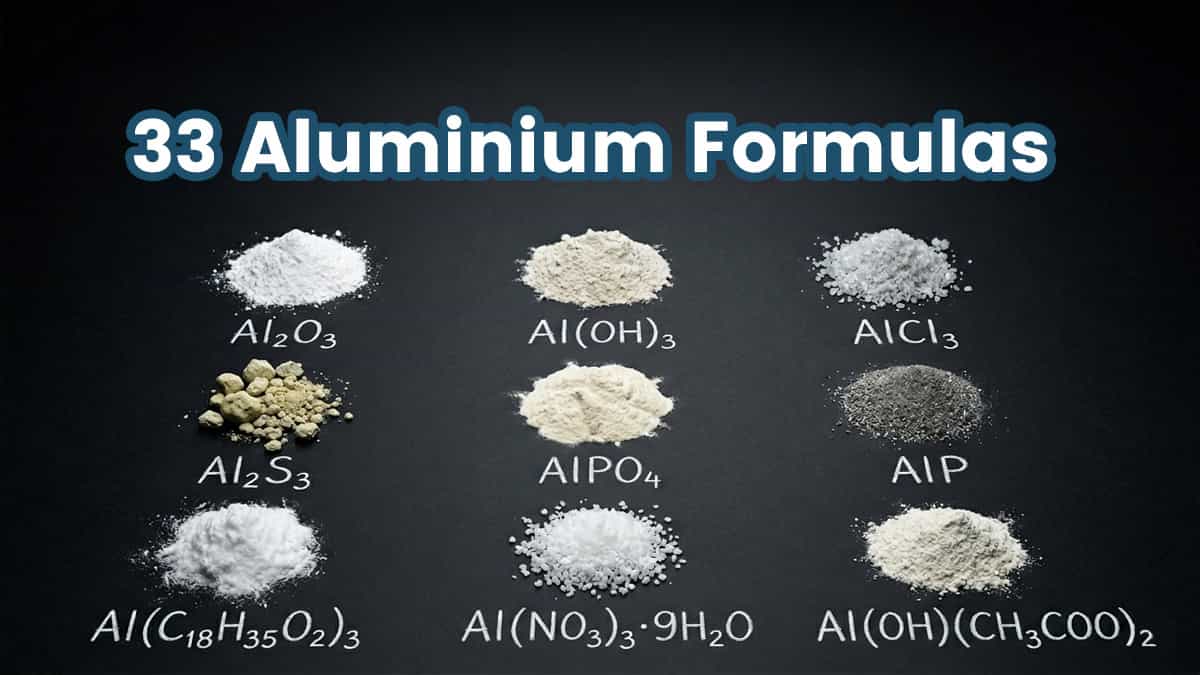
This master guide provides a technical overview of the 33 essential aluminium compounds, linking to comprehensive deep-dives for each specific compound.
Industrial Oxides & Hydroxides (3 compounds)
These compounds form the backbone of the aluminium industry, from raw material processing to advanced flame retardants.
- Aluminium Oxide (Alumina) (Al₂O₃) – Primary smelting feedstock, abrasive, refractory ceramic
- Aluminium Hydroxide (Al(OH)₃) – Flame retardant, antacid, vaccine adjuvant
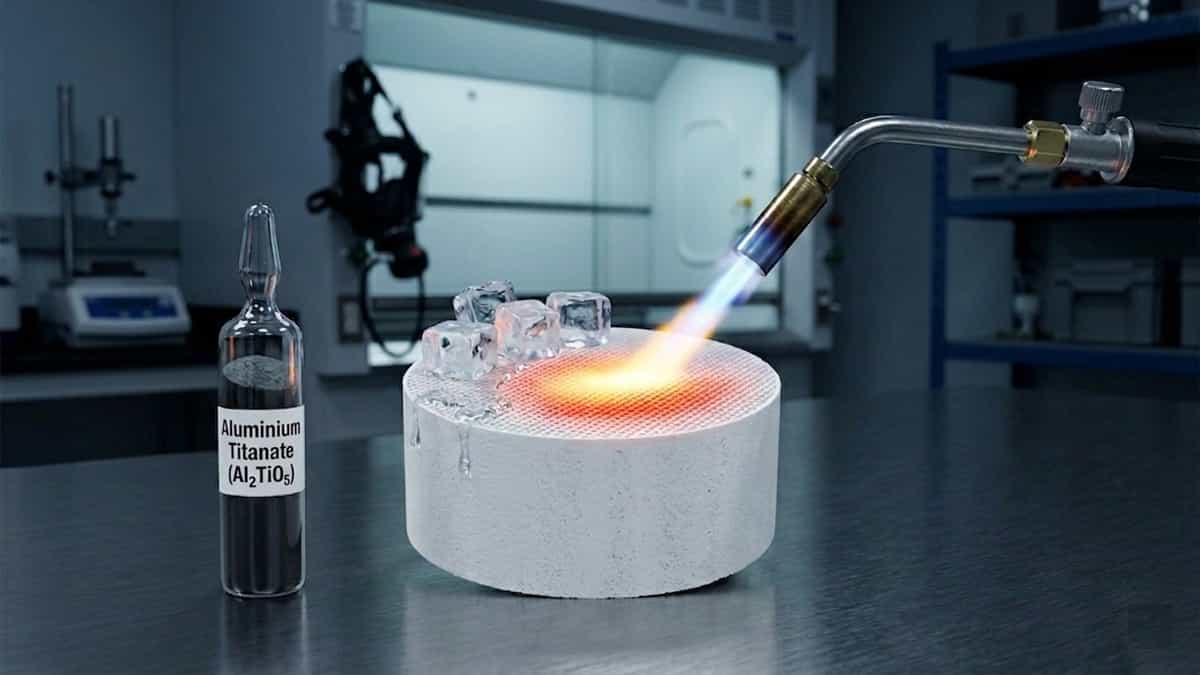
- Aluminium Titanate (Al₂TiO₅) – Diesel particulate filters, thermal shock resistant ceramics
Halides & Fluorine Compounds (6 compounds)
Aluminium halides serve as powerful Lewis acid catalysts and essential smelting electrolytes.
- Aluminium Chloride (AlCl₃) – Friedel-Crafts catalyst, petrochemical refining
- Aluminium Bromide (AlBr₃) – Specialized organic synthesis catalyst
- Aluminium Iodide (AlI₃) – Laboratory reducing agent, organic synthesis
- Aluminium Fluoride (AlF₃) – Aluminium smelting bath additive
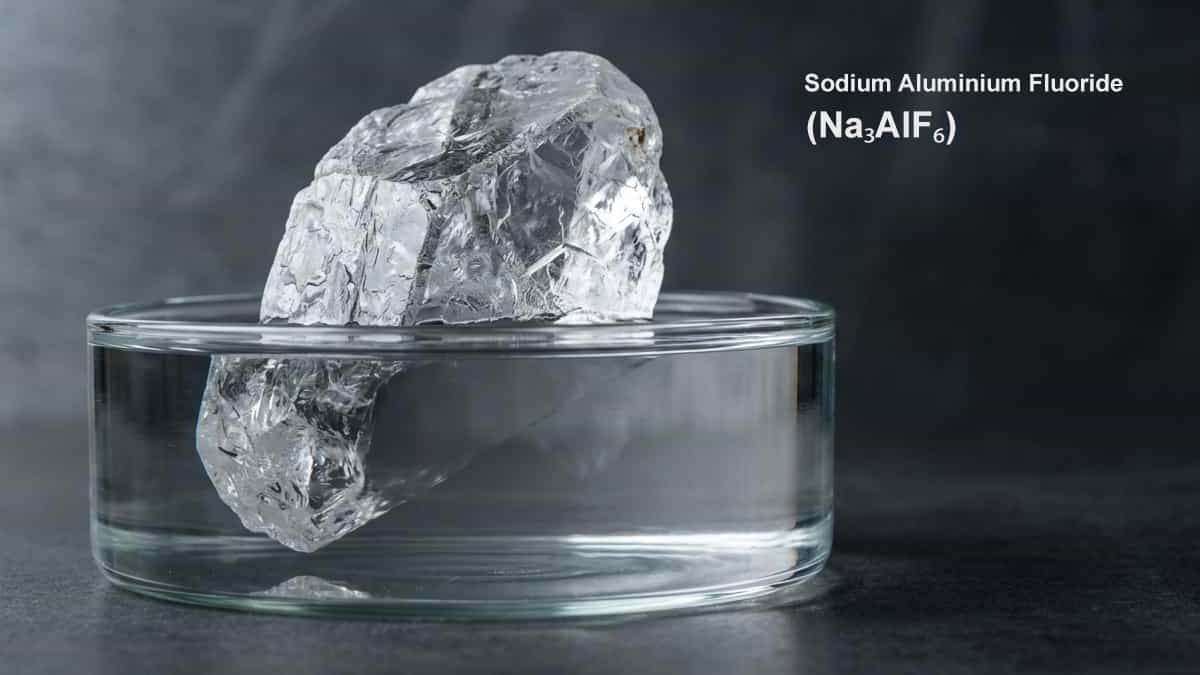
- Sodium Aluminium Fluoride (Cryolite) (Na₃AlF₆) – Electrolyte solvent in Hall-Héroult process
- Aluminium Chlorohydrate (Al₂(OH)₅Cl) – Antiperspirant active ingredient
Pnictides – Semiconductors (4 compounds)
Aluminium pnictides are critical for infrared optics, LEDs, and high-speed electronics.
- Aluminium Arsenide (AlAs) – Semiconductor lasers, infrared optics
- Aluminium Antimonide (AlSb) – Infrared detectors, high-electron-mobility transistors
- Aluminium Nitride (AlN) – High thermal conductivity electronic substrates
- Aluminium Phosphide (AlP) – Agricultural fumigant (releases PH₃)
Chalcogenides & Sulfur Compounds (5 compounds)
These compounds range from essential water treatment chemicals to highly reactive moisture‑sensitive materials.
- Aluminium Sulfate (Alum) (Al₂(SO₄)₃) – Water purification coagulant, paper sizing
- Aluminium Sulfide (Al₂S₃) – Laboratory H₂S generator
- Aluminium Selenide (Al₂Se₃) – Research – H₂Se source
- Aluminium Telluride (Al₂Te₃) – Research – H₂Te source
- Aluminium Phosphate (AlPO₄) – Antacid, vaccine adjuvant, dental cement
Organometallic & Hydride Compounds (4 compounds)
These are powerful reducing agents and precursors for advanced material deposition.
- Trimethylaluminium (TMA) (Al₂(CH₃)₆) – ALD precursor for Al₂O₃ thin films
- Lithium Aluminium Hydride (LAH) (LiAlH₄) – Powerful reducing agent in organic synthesis
- Aluminium Hydride (Alane) (AlH₃) – Rocket fuel research, hydrogen storage
- Aluminium Acetate (Al(C₂H₃O₂)₃) – Burow’s Solution (astringent, antiseptic)
Carbides, Carbonates & Nitrates (5 compounds)
These compounds serve as precursors, oxidizers, and specialized ceramics.
- Aluminium Carbide (Al₄C₃) – Methane generator, metal matrix composites
- Aluminium Carbonate (Al₂(CO₃)₃) – Phosphate binder in renal medicine
- Aluminium Nitrate (Al(NO₃)₃) – Alumina precursor, uranium extraction, oxidizer
- Aluminium Chlorate (Al(ClO₃)₃) – Strong oxidizer, specialty pyrotechnics
- Aluminium Borate (AlBO₃ / Al₁₈B₄O₃₃) – Whisker reinforcement for ceramics
Silicates, Tungstates, Molybdates & Organic Salts (6 compounds)
These compounds offer specialized properties: negative thermal expansion, catalysis, waterproofing, and cosmetic uses.
- Aluminium Silicate (Al₂SiO₅) – Refractory bricks, spark plug insulators
- Aluminium Tungstate (Al₂(WO₄)₃) – Negative thermal expansion research
- Aluminium Molybdate (Al₂(MoO₄)₃) – Hydrodesulfurization catalyst precursor
- Aluminium Lactate (C₉H₁₅AlO₉) – Sensitive toothpaste, gentle astringent
- Aluminium Stearate (Al(C₁₈H₃₅O₂)₃) – Waterproofing agent, grease thickener
- Potassium Alum (KAl(SO₄)₂·12H₂O) – Pickling crispness, crystal deodorant, styptic
Technical Summary by Category
| Compound Category | Number of Compounds | Primary Applications |
|---|---|---|
| Oxides & Hydroxides | 3 | Smelting, flame retardants, refractories |
| Halides & Fluorine | 6 | Catalysis, smelting electrolytes, antiperspirants |
| Pnictides (Semiconductors) | 4 | Lasers, LEDs, IR detectors, fumigation |
| Chalcogenides & Sulfates | 5 | Water treatment, H₂S/H₂Se/H₂Te sources |
| Organometallics & Hydrides | 4 | ALD precursors, reducing agents, rocket fuel |
| Carbides, Nitrates, Chlorates | 5 | Precursors, oxidizers, composites |
| Silicates, Tungstates, Molybdates | 6 | Thermal management, catalysis, cosmetics |
| TOTAL | 33 | – |
Why This Matters for Industry
Understanding the molecular behavior of these 33 compounds allows engineers and researchers to select the right material for specific applications:
- High‑temperature environments: Alumina, Aluminium Titanate, Aluminium Silicate
- Semiconductor fabrication: Aluminium Arsenide, Aluminium Nitride, Trimethylaluminium (TMA)
- Water treatment & pharmaceuticals: Aluminium Sulfate, Aluminium Phosphate, Potassium Alum
- Specialized catalysis: Aluminium Chloride, Aluminium Molybdate
- Negative thermal expansion research: Aluminium Tungstate
- Moisture‑sensitive hazardous materials: Aluminium Phosphide, Aluminium Selenide, Aluminium Telluride