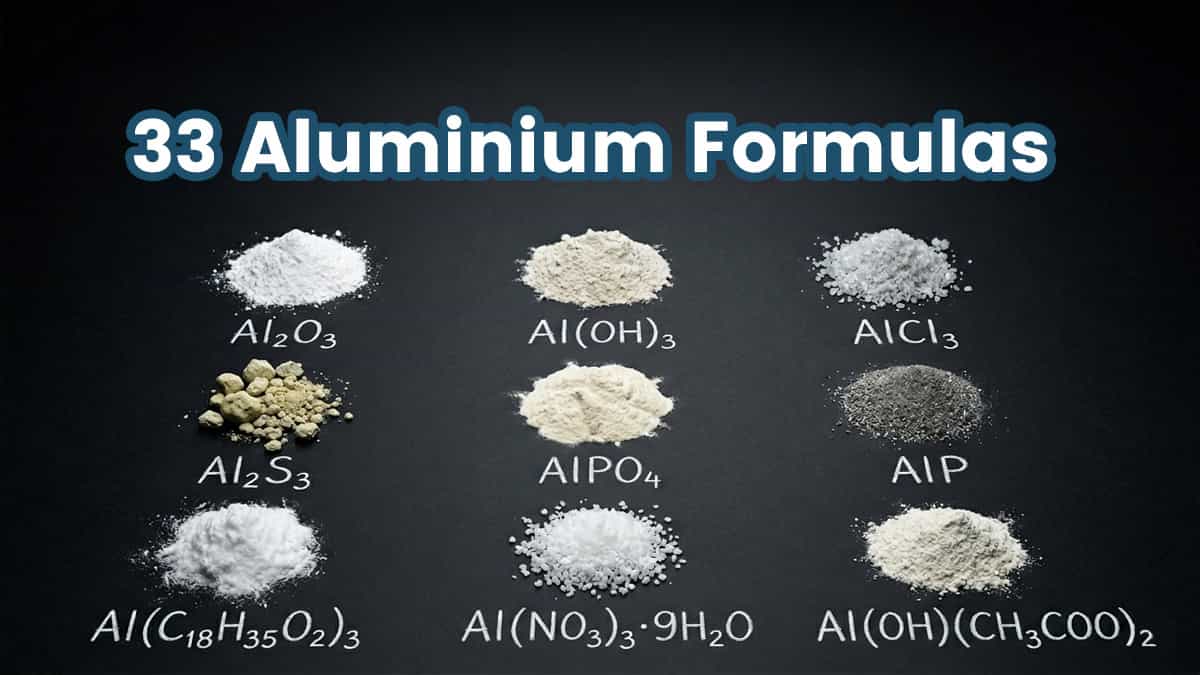
Aluminum phosphate is a highly stable, insoluble inorganic compound with significant applications in medical pharmacology and industrial chemistry. It appears as a white, dense powder with a structure similar to quartz. Its stability and biological inertness make it valuable in antacid therapies, vaccine adjuvants, and high‑strength binders.
1. Basic Identification
- Chemical Formula: AlPO₄
- Alternative Names: Aluminum orthophosphate
- Molecular Weight: 121.95 g/mol
- CAS Number: 7784-30-7 (anhydrous)
- Appearance: Dense, white crystalline powder
2. Physical Properties
| Property | Aluminum Phosphate |
|---|---|
| Melting Point | >1500 °C (decomposes before true melting) |
| Boiling Point | Decomposes |
| Density | 2.56 g/cm³ |
| Crystal Structure | Hexagonal (similar to α‑quartz) |
| Solubility | Insoluble in water and alcohol; soluble in concentrated alkalis and strong mineral acids |
The powder is non‑hygroscopic, feels like fine sand or crushed glass, and remains dry indefinitely under normal storage.
3. Chemical Behavior & Synthesis
3.1 Neutralization of Stomach Acid (Antacid Mechanism)
When ingested, AlPO₄ reacts slowly with gastric hydrochloric acid:
AlPO₄ + 3 HCl → AlCl₃ + H₃PO₄
This gradual reaction avoids a sudden spike in stomach pH, preventing the “acid rebound” effect common with faster‑acting antacids (e.g., sodium bicarbonate).
3.2 Synthesis
Prepared by precipitation from an aluminum salt and phosphoric acid or a soluble phosphate:
Al₂(SO₄)₃ + 2 H₃PO₄ → 2 AlPO₄ ↓ + 3 H₂SO₄
The white precipitate is filtered, washed, and dried to produce pure AlPO₄ powder or a gel suspension.
4. Applications
4.1 Antacid Formulations
AlPO₄ is an active ingredient in over‑the‑counter heartburn medications. Unlike aluminum hydroxide (which can deplete dietary phosphate), aluminum phosphate already contains a phosphate group, making it safer for patients with calcium/phosphorus imbalances, such as the elderly.
4.2 Vaccine Adjuvant
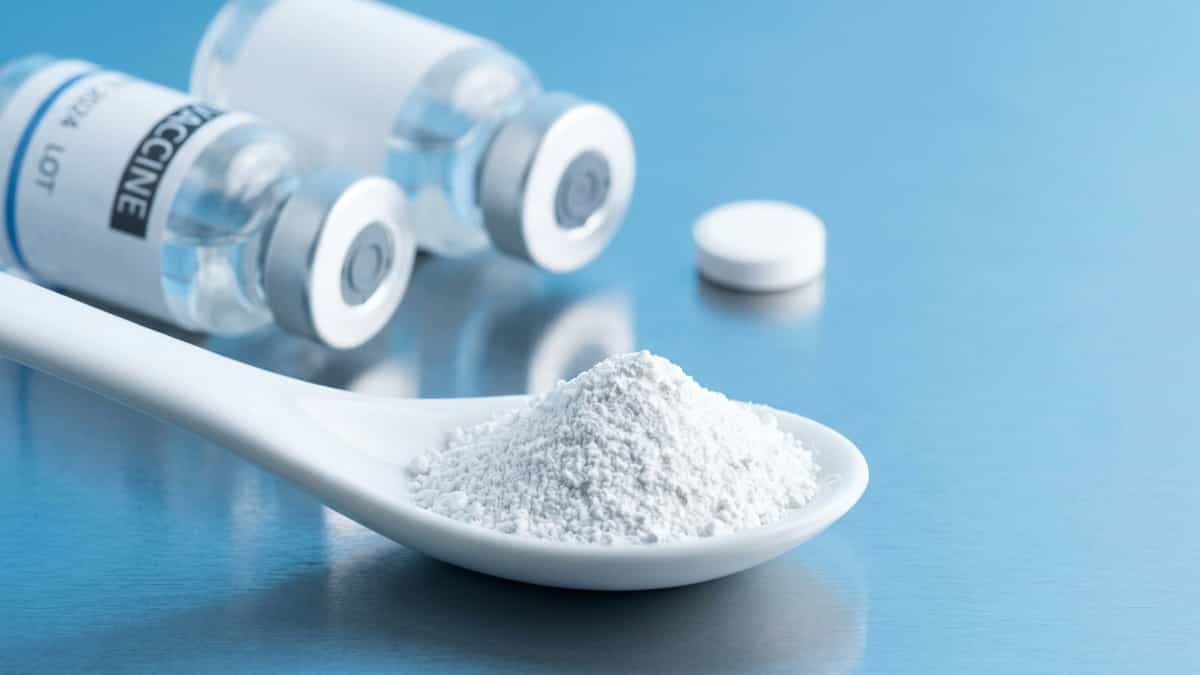
This is a critical application. In vaccines (e.g., DTaP, Hepatitis B, pneumococcal), AlPO₄ gel is mixed with antigens. The insoluble particles retain antigens at the injection site, enhancing the immune response and providing stronger, longer‑lasting immunity.
4.3 Dental Cements & Refractory Binders
Specialized AlPO₄ solutions, when mixed with metal oxides, form hard, thermally stable cements used for dental crowns and binding furnace bricks.
5. Safety & Hazard Management
General Safety: AlPO₄ is one of the safest aluminum compounds – non‑toxic, non‑flammable, and insoluble.
| Route of Exposure | Effect |
|---|---|
| Inhalation | Nuisance dust; heavy exposure may cause mechanical irritation. |
| Skin Contact | Non‑irritating; washes off with soap and water. |
| Eye Contact | Mechanical scratching (like sand); flush with water. |
| Ingestion | Very safe (used orally). Very large doses may cause constipation. |
PPE: N95 dust mask, safety glasses, standard gloves.
Firefighting: Non‑combustible; use media appropriate for surrounding materials.
Storage: Standard dry storage; no special atmosphere.
Disposal: Non‑hazardous; can be disposed as municipal or industrial solid waste.
6. Environmental Impact
Due to its complete insolubility, AlPO₄ does not leach into groundwater or affect aquatic pH. It is environmentally benign, comparable to natural sands and minerals.
7. Comparison with Other Aluminum Compounds
| Compound | Formula | Primary Nature | Human Consumption Safety |
|---|---|---|---|
| Aluminium Phosphate | AlPO₄ | Inert, insoluble powder | Safe – used in antacids and vaccines |
| Aluminium Nitrate | Al(NO₃)₃ | Deliquescent oxidizer | Toxic – destroys tissue |
| Aluminium Sulfide | Al₂S₃ | Toxic gas generator | Lethal if ingested |
8. Frequently Asked Questions
Q: Is this the “aluminum” in vaccines?
A: Yes. Aluminum phosphate (and sometimes aluminum hydroxide) is used as an adjuvant. It is not toxic metal – it safely anchors antigens to boost immune response. Decades of studies confirm its safety.
Q: Does aluminum phosphate in antacids cause Alzheimer’s?
A: Current medical consensus (FDA, EMA) finds no established link between oral aluminum phosphate antacids and Alzheimer’s disease. The compound is insoluble and minimally absorbed from the gut.
Q: Why not just use baking soda for heartburn?
A: Baking soda neutralizes acid instantly, causing CO₂ gas (burping) and a rapid pH spike, which triggers “acid rebound” – the stomach produces even more acid afterward. Aluminum phosphate works slowly and gently, avoiding this effect.
9. Summary Data Sheet
| Property | Value |
|---|---|
| Chemical Name | Aluminum Phosphate |
| Formula | AlPO₄ |
| Appearance | Dense white powder or gel |
| Melting Point | >1500 °C (decomposes) |
| Defining Trait | Biologically inert, insoluble |
| Primary Utility | Antacids, vaccine adjuvants, refractory cements |