

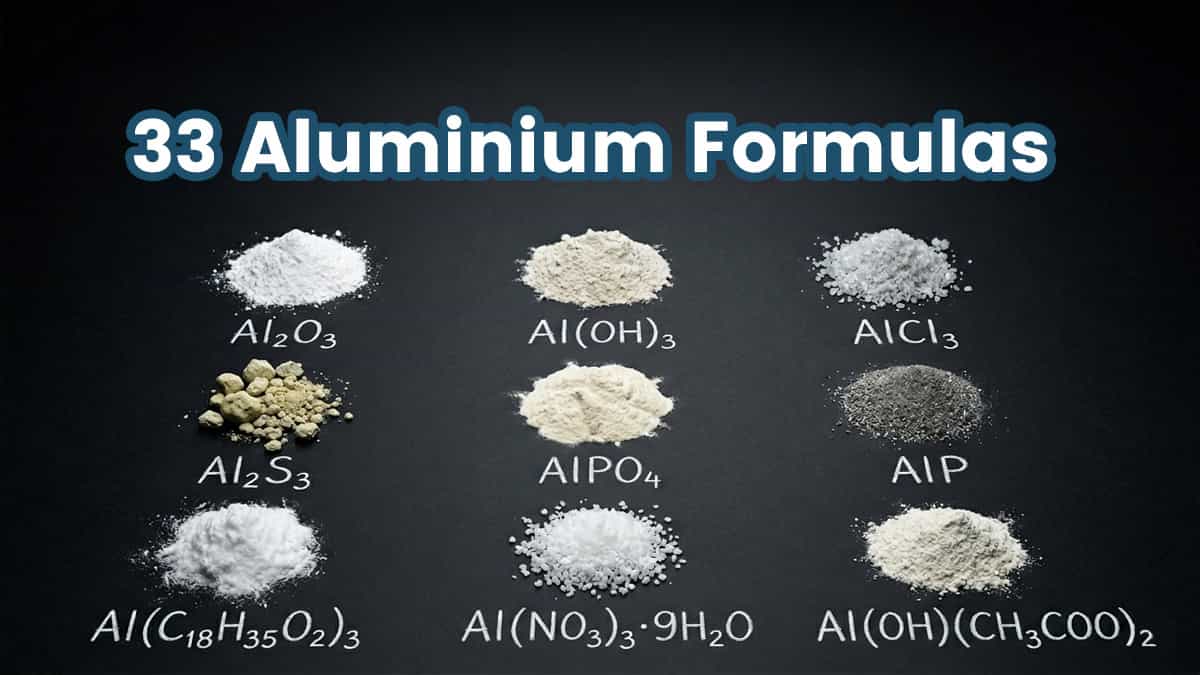
Aluminum phosphide is a highly toxic inorganic solid used globally as a fumigant and pesticide. It appears as dark grey or yellowish‑grey crystals. Its lethality comes not from the solid itself, but from its reaction with moisture to produce phosphine gas (PH₃). Handling, storage, and application are strictly regulated worldwide.
1. Basic Identification
- Chemical Formula: AlP
- Alternative Names: Aluminium phosphide, Phostoxin, Fumitoxin, Celphos
- Molecular Weight: 57.95 g/mol
- CAS Number: 20859-73-8
- Appearance: Dark grey or yellowish‑grey crystalline powder; commercial products are pressed into tablets or pellets
2. Physical Properties
| Property | Aluminum Phosphide |
|---|---|
| Melting Point | >2530 °C (under pressure) |
| Boiling Point | Decomposes before boiling at normal pressure |
| Density | 2.85 g/cm³ |
| Crystal Structure | Zincblende |
| Solubility | Insoluble in organic solvents; reacts violently with water |
Pure AlP is thermally stable in vacuum but chemically unstable in humid air. Commercial tablets often contain ammonium carbamate to release ammonia and CO₂, which suppress spontaneous ignition of phosphine and provide a warning odor.
3. Chemical Behavior & Synthesis
3.1 Reaction with Water – The Fumigation Mechanism
AlP + 3 H₂O → Al(OH)₃ + PH₃ ↑
The solid hydrolyzes to inert aluminum hydroxide and releases phosphine gas – a highly toxic, flammable, systemic poison. Ambient humidity alone triggers the reaction over 24‑72 hours, filling sealed spaces with lethal gas.
3.2 Synthesis
Al + P → AlP
Finely divided aluminum and red phosphorus are mixed and ignited under an inert gas blanket (nitrogen or argon). The reaction is intensely exothermic.
4. Applications
4.1 Agricultural Fumigation (Primary Use)
- Grain Silos: Tablets are distributed through stored wheat, rice, and corn to kill insects and eggs without leaving toxic residues (PH₃ dissipates; Al(OH)₃ is inert and can be washed off).
- Vertebrate Pest Control: Pellets are placed into burrows of moles, gophers, etc., then sealed. The gas fills the tunnels, eliminating pests.
4.2 Semiconductor Research
AlP is a wide‑bandgap semiconductor (2.45 eV) that alloys with other III‑V compounds (e.g., AlGaInP) for high‑brightness red, orange, and yellow LEDs and laser diodes. Handling constraints limit its use.
5. Safety & Hazard Management
| GHS Symbol | Meaning |
|---|---|
| ☠️ GHS06 | Toxic / fatal |
| 🔥 GHS02 | Flammable gas |
Critical Warning: AlP is lethal if swallowed (stomach acid accelerates PH₃ release). PH₃ gas is highly toxic by inhalation and can spontaneously combust in air.
5.1 Health Effects
| Route of Exposure | Effect |
|---|---|
| Inhalation (gas) | Headache, dizziness, nausea, chest tightness. Severe exposure: pulmonary edema, cardiac arrhythmias, multi‑organ failure, death. |
| Skin Contact | Solid powder may cause mild irritation; moisture on skin can cause localized gas burns. |
| Eye Contact | Mechanical irritation from dust; gas severely irritates mucous membranes. |
| Ingestion | Usually fatal – PH₃ generated in stomach causes systemic poisoning. |
5.2 Personal Protective Equipment (PPE)
- Respiratory: SCBA or full‑face respirator rated for phosphine gas.
- Hands: Dry cotton or leather gloves (avoid sweaty rubber gloves that introduce moisture).
- Eyes: Tight‑sealing splash and gas goggles.
5.3 First Aid Measures
- Inhalation: Remove victim to fresh air immediately. Use bag‑valve mask if available; avoid mouth‑to‑mouth. Seek emergency medical help.
- Ingestion: Immediate emergency medical assistance. Do not induce vomiting.
- Skin: Brush off dry chemical quickly. Do not use small amounts of water (activates gas). Large‑volume outdoor drowning is a disposal method, not first aid.
5.4 Firefighting Information
- Phosphine gas can auto‑ignite and cause explosions in enclosed spaces.
- Use: Dry sand, Class D dry powder.
- Do NOT use: Water or foam.
6. Storage & Handling
- Container: Hermetically sealed, factory‑original aluminum flasks.
- Atmosphere: Open only outdoors or in intensely ventilated spaces.
- Location: Cool, extremely dry, secured pesticide locker away from domestic areas.
- Incompatibles: Water, humidity, acids, oxidizing agents.
6.1 Disposal – Deactivation
Never discard tablets in trash. Unused or expired tablets must be drowned in a large volume of water mixed with detergent in an outdoor, uninhabited area. The phosphine gas bubbles out and blows away over several days. The remaining aluminum hydroxide sludge is non‑toxic and can be disposed as hazardous waste.
7. Environmental Impact
When used as directed, PH₃ oxidizes rapidly in the atmosphere to phosphoric acid (non‑toxic at low levels), and Al(OH)₃ is inert. No bioaccumulation. However, careless disposal near streams kills aquatic life via phosphine poisoning.
8. Comparison with Other Aluminium Compounds
| Compound | Formula | Primary Nature | Primary Hazard |
|---|---|---|---|
| Aluminium Phosphide | AlP | Toxic fumigant | Releases lethal PH₃ gas |
| Aluminium Chloride | AlCl₃ | Industrial catalyst | Releases corrosive HCl gas |
| Aluminium Nitride | AlN | Advanced ceramic | Releases irritating NH₃ gas |
9. Frequently Asked Questions
Q: Does the aluminum poison the grain?
A: No. AlP breaks down to Al(OH)₃ (inert, like antacid) and PH₃ gas, which dissipates. Grain residue is not toxic.
Q: What does phosphine gas smell like?
A: Pure PH₃ is odorless. Agricultural AlP is formulated to release traces of diphosphane and ammonia, giving a strong warning smell of rotting fish or garlic.
Q: Can I use this for pests in my basement?
A: Absolutely not. It is restricted to licensed agricultural applicators. The heavy gas can seep through cracks and suffocate people in living spaces above.
10. Summary Data Sheet
| Property | Value |
|---|---|
| Chemical Name | Aluminum Phosphide |
| Formula | AlP |
| Appearance | Dark grey or yellow crystalline solid |
| Density | 2.85 g/cm³ |
| Primary Function | Agricultural fumigant |
| Primary Hazard | Fatal if swallowed or inhaled; releases toxic PH₃ |
| Storage | Strictly dry, secured pesticide lockers |
Related Articles

Featured
You May Also Like

Starting Your Own Business: Aluminium Door Windows Dealershi…

Why, When and Where, We use Aluminium Wire instead of Copper…

Don’t Buy an Aluminium Ladder Until You Read This Guid…

Best Storm Doors for Mobile Homes: Sizes, Weights, and Easy …

Aluminum vs. Vinyl vs uPVC Windows
