
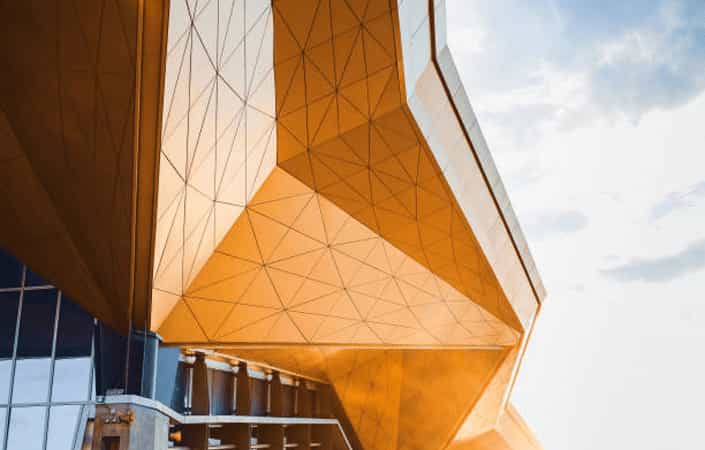
Aluminium cladding is a powerful way to improve energy efficiency in buildings. By adding a layer of insulation to the exterior, aluminium cladding helps reduce heat loss, maintain interior comfort, and lower energy bills. In addition, it contributes to eco-friendly building practices by reducing reliance on artificial heating and cooling. Here, we explore in detail how aluminum cladding benefits buildings and promotes sustainable energy use.
Understanding Aluminum Cladding
Aluminum cladding involves placing an outer layer of aluminum on a building’s exterior walls. This lightweight metal creates a barrier that protects the building from outdoor weather, reducing the amount of heat that passes through the walls. Aluminum is highly durable, easy to maintain, and works well in various building designs, making it a popular choice for energy-saving construction.
How Aluminium Cladding Provides Insulation
One of the most important benefits of aluminium cladding is its ability to insulate buildings. Insulation is key to keeping indoor temperatures stable, which is essential in both hot and cold climates. Aluminium cladding:
- Reduces Heat Transfer: Aluminium has reflective properties that block heat from entering during summer and prevent warmth from escaping in winter.
- Minimizes Temperature Fluctuations: By creating a buffer zone, aluminium cladding reduces sudden indoor temperature changes, creating a more stable and comfortable environment.
- Lowers Energy Consumption: With less need for heating and cooling, buildings consume less energy, helping to lower energy bills and reduce the building’s carbon footprint.
Boosting Thermal Performance
Thermal performance measures how well a building resists temperature changes. Aluminum cladding improves this by adding an extra barrier that blocks external temperatures from affecting indoor spaces. Key ways it boosts thermal performance include:
- Reflective Surface: The shiny aluminium reflects sunlight, keeping the building cooler during hot days.
- Weather Resistance: Aluminium cladding stands up well to rain, wind, and UV exposure, meaning it maintains its insulating qualities year-round.
- Reduced Condensation: By keeping the inside temperature more stable, aluminium cladding can also reduce moisture build-up, which helps to avoid mold and mildew growth indoors.
Eco-Friendly Building Design with Aluminium Cladding
Aluminium cladding supports eco-friendly design because it reduces the energy buildings need to stay comfortable. Lower energy usage directly translates to fewer emissions, which is vital for the environment. Here’s how aluminium cladding promotes sustainable design:
- Recyclable Material: Aluminium is 100% recyclable without losing quality, making it a sustainable choice for green building projects.
- Lowered Carbon Emissions: Less energy used for heating and cooling means fewer carbon emissions, making the building more environmentally responsible.
- Durability and Low Maintenance: Aluminium cladding is resistant to corrosion, meaning it lasts longer without frequent repairs or replacements, conserving resources over the building’s lifespan.
Advantages of Aluminium Cladding for Modern Buildings
Modern buildings benefit from aluminium cladding not only for its energy-saving features but also for its aesthetic and structural qualities:
- Enhanced Appearance: Aluminium cladding offers a sleek, modern look that suits commercial and residential properties.
- Flexibility in Design: Aluminium can be shaped and colored to suit various architectural styles, providing flexibility in building design.
- Fire Resistance: Aluminium cladding is naturally fire-resistant, adding an extra safety feature to buildings.
Conclusion
Aluminium cladding is an effective solution for improving energy efficiency in buildings. By reducing heat transfer, boosting thermal performance, and supporting eco-friendly designs, aluminium cladding offers a practical way to make buildings more sustainable and comfortable. Its recyclable nature, durability, and low maintenance requirements make it a valuable addition to any building focused on energy savings and environmental responsibility.
Featured


You May Also Like
Hard Anodizing vs Architectural Anodizing: What’s the Real D…

Aluminium Tariff War 2025–26: The Silent Shift Changing Pric…
Why Aluminum Frames Are Powering the Rise of Electric Vehicl…
Aluminium Chlorate (Al(ClO₃)₃): The Complete Guide

Why Aluminium Foil Has Two Sides – The Shiny Secret
