Aluminium hydroxide stands as one of the single most widely manufactured and biologically integrated aluminium compounds on the planet. Naturally abundant as the mineral gibbsite, it serves as the critical intermediate step in purifying alumina for metal production.
Away from massive industrial smelters, it acts directly as the world’s most popular over-the-counter heartburn medicine, a primary vaccine adjuvant, and an exceptionally effective, non-toxic flame retardant infused into modern building materials.
1. Basic Identification
Chemical Formula: Al(OH)₃
Alternative Names: Aluminic acid, hydrated alumina, alumina trihydrate (ATH), gibbsite.
Molecular Weight: 78.00 g/mol.
CAS Number: 21645-51-2.
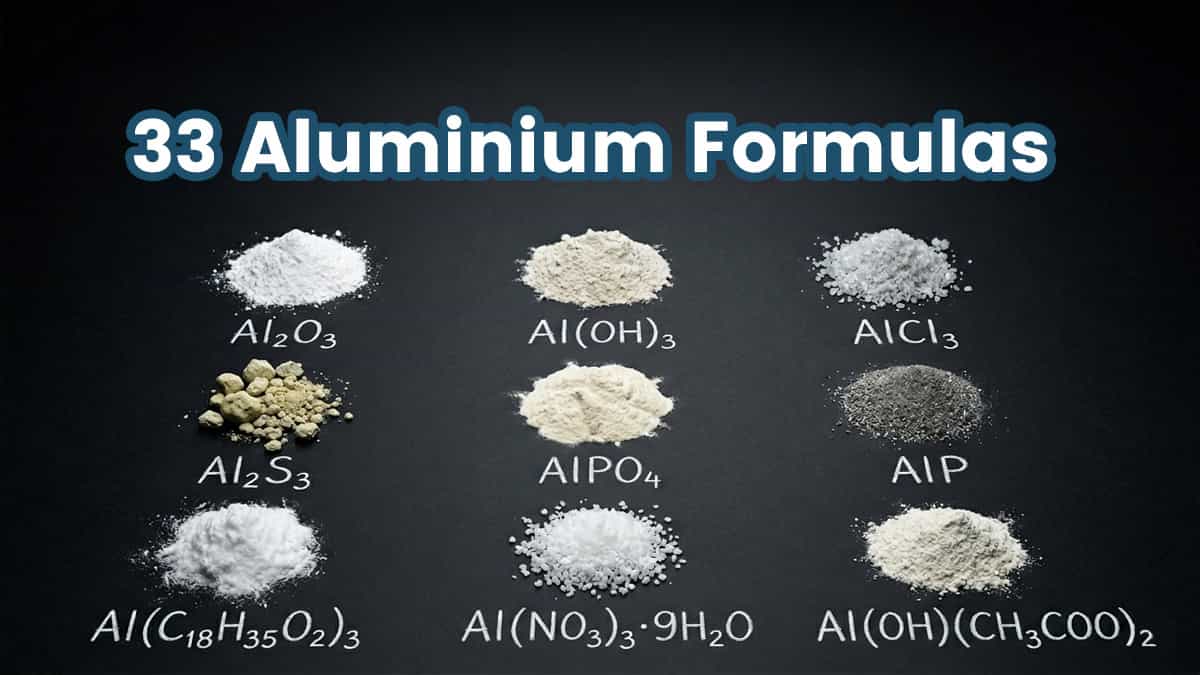
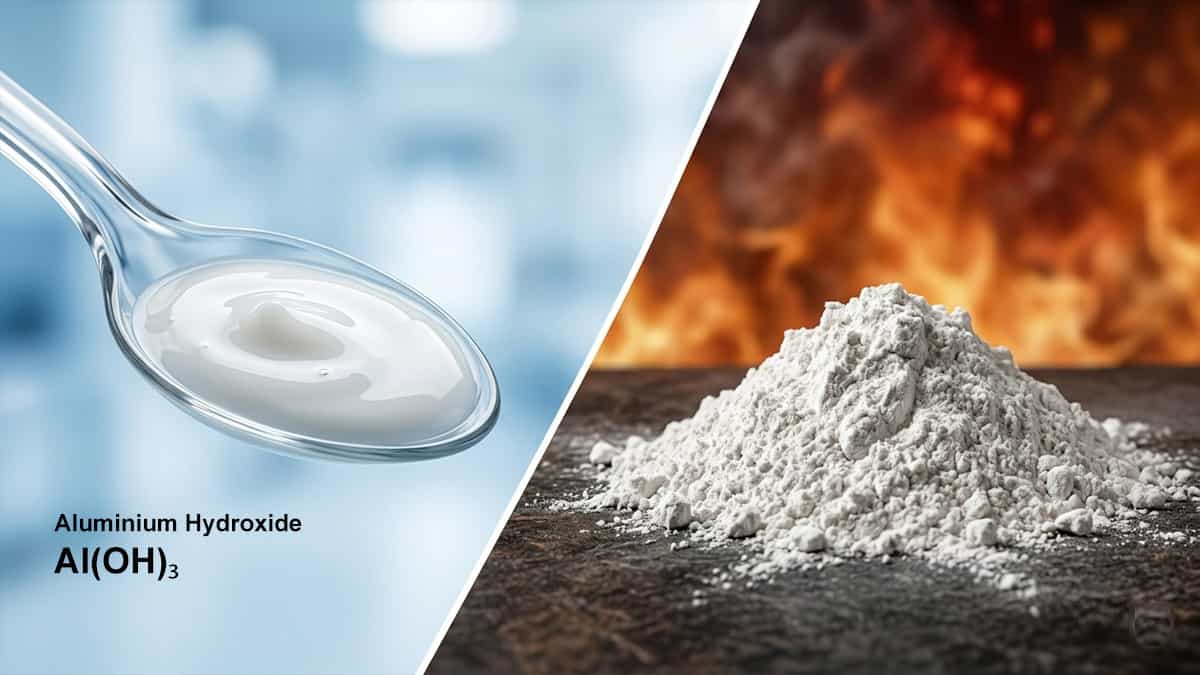
Appearance: A stark white, fluffy, non-crystalline powder, or a milky, gelatinous liquid suspension (known colloquially as “milk of alumina”).
2. Physical Properties
Unlike the violently reactive halides or unstable carbonates, aluminium hydroxide boasts extreme physical stability and acts as an inert solid under almost all standard conditions.
2.1 Key Data Table
| Property | Aluminium Hydroxide |
|---|---|
| Melting Point | Decomposes at 300 °C (572 °F) |
| Boiling Point | N/A (transforms into aluminium oxide) |
| Density | 2.42 g/cm³ |
| Crystal Structure | Monoclinic (gibbsite phase) |
| Solubility | Insoluble in water and alcohol. Soluble in hot strong acids or bases (amphoteric). |
2.2 Physical Description
In its bulk manufactured powder state (ATH), it resembles fine, dense white chalk. When mixed with water, it does not dissolve but rather “swells” into a milky, jelly-like suspension that coats surfaces thickly – an attribute exploited in its medicinal liquids.
3. Chemical Behavior and Reactions
The core chemical behavior of aluminium hydroxide centers around its amphoteric nature – it acts as an acid in the presence of strong bases, and as a base in the presence of strong acids.
3.1 Thermal Decomposition (The Fire Retardant Reaction)
This is arguably its most important industrial chemical reaction.
2Al(OH)₃ → Al₂O₃ + 3H₂O
Observation: At temperatures reaching 300 °C (the temperature of a starting fire), aluminium hydroxide decomposes endothermically, absorbing heat energy from the fire. It releases water vapor (steam) that helps suffocate flames, while leaving behind a hard ceramic crust (Al₂O₃) that blocks further burning.
3.2 Neutralizing Stomach Acid
This is the mechanism behind global antacid brands.
Al(OH)₃ + 3HCl → AlCl₃ + 3H₂O
Observation: The milky suspension reacts smoothly with gastric acid (HCl), turning the acid into harmless water and soluble aluminum chloride.
4. Industrial and Medical Applications
The applications of Al(OH)₃ span from preserving human life to fortifying infrastructure.
4.1 Flame Retardant (Primary Industrial Use)
Alumina trihydrate (ATH) makes up nearly 50% of the entire global flame retardant market by weight. It is mixed directly as a filler powder into carpet backings, electrical cables, plastic roofing, and rubber hoses. Because it is non‑toxic (unlike halogenated brominated flame retardants), it is incredibly safe. In a fire, the ATH decomposes at 300 °C, releasing steam that suppresses flame spread and absorbs heat.
4.2 Antacids (Primary Medical Use)
Al(OH)₃ is the active ingredient in over‑the‑counter medications like Maalox and Mylanta (often paired with magnesium hydroxide). Aluminum tends to cause constipation, while magnesium causes diarrhea. Blended together, they combat heartburn without disrupting digestive flow.
4.3 Bauxite Refining (The Bayer Process)
Every pound of aluminum oxide produced globally begins as aluminum hydroxide. Raw bauxite is dissolved, and pure Al(OH)₃ is precipitated. This sludge is then baked to drive off water, creating the alumina required for metal smelting.
4.4 Vaccine Adjuvant
Similar to aluminum phosphate, “alum” (specifically an aluminum hydroxide gel) is used in vaccines. It forms a gelatinous matrix that traps viral proteins, forcing the immune system to respond strongly and generate long‑term antibody memory.
5. Safety and Hazard Management
General Safety: Aluminum hydroxide is considered exceedingly safe. It carries no GHS hazard statements. It is consumed orally by millions of people daily with negligible negative consequences.
5.1 Health Effects
| Route of Exposure | Effect |
|---|---|
| Inhalation | Handling bulk powder can cause lung irritation (nuisance dust limits apply). Does not cause chemical pneumonia. |
| Skin Contact | Harmless. Completely non‑irritating. |
| Eye Contact | Powder acts as a physical irritant similar to dirt, requiring simple flushing. |
| Ingestion | Safe in standard doses. Massive prolonged overdosing can interfere with dietary phosphorus absorption, leading to weakened bones (osteomalacia). |
5.2 Personal Protective Equipment (PPE)
Protection centers on industrial dust abatement.
- Respiratory: Standard dust masks (N95) in ventilated areas.
- Hands: Generic work gloves.
- Eyes: Safety glasses to prevent scratching.
5.3 First Aid Measures
- Eyes: Flush thoroughly with water.
- Ingestion: Stop use if severe constipation occurs.
5.4 Firefighting Information
- This material acts as a fire extinguisher. It will not burn under any circumstances.
6. Storage and Handling Guidelines
6.1 Storage Conditions
- Container: Multi‑ply paper bags or bulk sacks (FIBCs). Liquid gel in plastic drums.
- Atmosphere: Normal air. Avoid freezing liquid suspensions – ice crystals break down the gel structure.
- Location: Standard industrial warehousing.
6.2 Disposal Considerations
Solid powder can be landfilled as non‑hazardous industrial waste. It behaves as refined dirt and presents no leaching toxicity.
7. Environmental Impact
Aluminum hydroxide is biologically benign. It is the form that aluminium naturally takes in soil (bauxite). It does not lower pH of lakes, poison aquatic life, or bioaccumulate.
8. Comparison with Other Aluminium Compounds
| Compound | Formula | Primary Nature | Heat Reaction |
|---|---|---|---|
| Aluminium Hydroxide | Al(OH)₃ | Insoluble white powder | Decomposes at 300 °C releasing steam. |
| Aluminium Oxide | Al₂O₃ | Stable refractory | Melts above 2000 °C; withstands fire. |
| Aluminium Iodide | AlI₃ | Violently water‑reactive | Vaporizes and decomposes. |
9. Frequently Asked Questions
Q: My natural deodorant says it uses “alum” but claims to be aluminum‑free. How is that possible?
A: It’s a marketing trick. “Alum” rocks are potassium aluminum sulfate. Some brands claim “free of aluminum chlorohydrate” to scare buyers away from conventional deodorants, masking that they still use aluminum chemistry.
Q: Does the aluminum in antacids enter my blood and harm my brain?
A: No. The FDA has evaluated this. Because the molecule is large and insoluble, less than 0.01% of the aluminum passes through the gut wall into the bloodstream, and healthy kidneys filter it out.
Q: How does a powder stop a plastic cable from catching fire?
A: Engineers mix up to 50% ATH powder into the plastic before molding. When a fire occurs, the ATH decomposes into steam, cooling the plastic below its ignition point.
10. Summary Data Sheet
| Chemical Name | Aluminum Hydroxide |
|---|---|
| Common Name | ATH (Alumina Trihydrate) |
| Formula | Al(OH)₃ |
| Appearance | White fluffy powder or milky gel |
| Fire Behavior | Endothermic; releases steam at 300 °C |
| Key Attribute | Safe, amphoteric, flame‑suppressing |
| Primary Utility | Non‑toxic flame retardant in plastics; human antacids |