
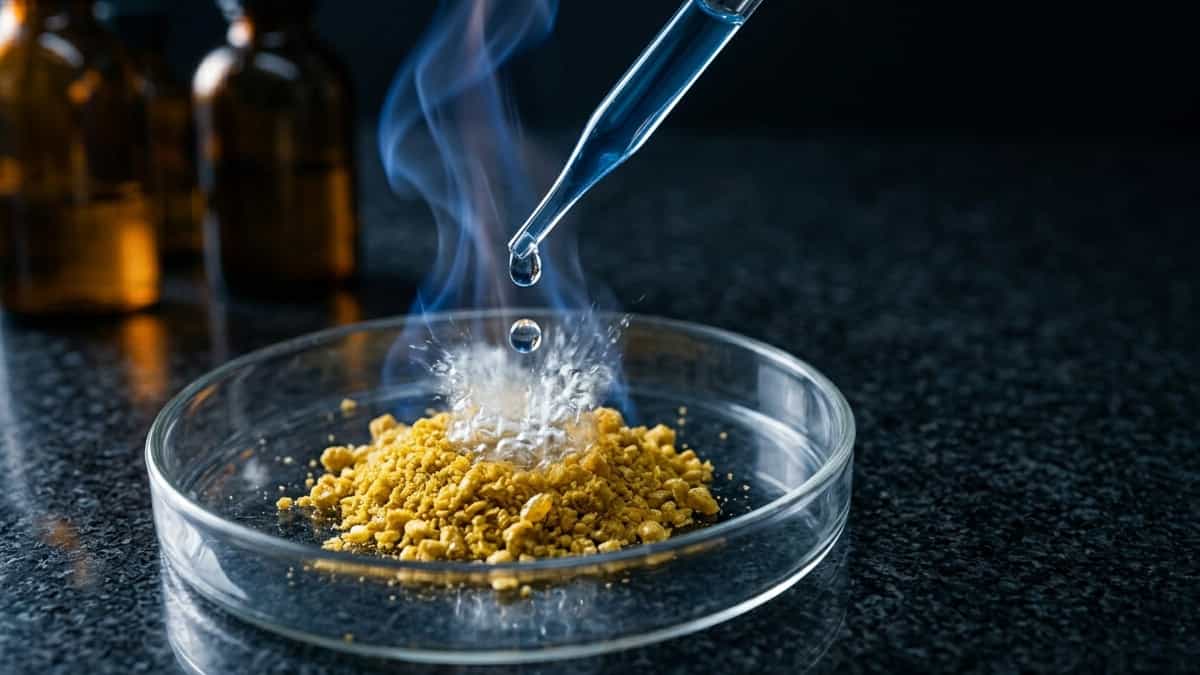
Aluminium carbide is a fascinating, highly reactive inorganic compound defined by its extreme sensitivity to moisture. By chemically bonding aluminium directly to reactive carbon atoms, researchers have synthesized a yellow‑brown crystalline powder that bridges the gap between metal and organic hydrocarbon chemistry. Its aggressive generation of methane gas secures its status as a respected laboratory reagent.
1. Basic Identification
Chemical Formula: Al₄C₃
Alternative Names: Aluminium(III) carbide.
Molecular Weight: 143.96 g/mol.
CAS Number: 1299-86-1.
Appearance: Dull yellow, greenish‑yellow, or dark brown crystalline powder and small chunks.
2. Physical Properties
In a perfectly moisture‑free environment, aluminum carbide is a tough ceramic material with impressive hardness and high heat tolerance.
2.1 Key Data Table
| Property | Aluminum Carbide |
|---|---|
| Melting Point | Decomposes before melting (> 2100 °C / 3812 °F) |
| Boiling Point | N/A (breaks down under extreme plasma heat) |
| Density | 2.36 g/cm³ |
| Crystal Structure | Complex rhombohedral |
| Solubility | Reacts violently with water or acid. Insoluble in acetone and ethers. |
2.2 Physical Description
Under a microscope, pure aluminium carbide forms hard, transparent pale‑yellow crystals. However, because it reacts with ambient humidity, most commercial samples degrade slightly, taking on a murky olive‑brown or dark yellow hue. It feels like hard, lightweight gravel or heavy powder.
3. Chemical Behavior and Reactions
The identity of aluminum carbide rests on its aggressive reaction with water.
3.1 Methanogenesis (The Methane Generation Reaction)
Unlike calcium carbide, which produces acetylene gas with water, aluminum carbide forms methane.
Al₄C₃ + 12H₂O → 4Al(OH)₃ + 3CH₄ ↑
Observation: When added to room‑temperature water, it bubbles vigorously, releasing pure methane gas and leaving a cloudy slurry of white aluminum hydroxide.
3.2 Synthesis (How It Is Made)
This compound cannot be precipitated from solution; it requires high‑temperature fusion.
4Al + 3C + Extreme Heat → Al₄C₃
Process: Aluminum powder and graphite are blended and heated inside an electric arc furnace at temperatures approaching 2000 °C in an inert atmosphere, fusing the metal to carbon.
4. Industrial and Laboratory Applications
Aluminum carbide is too unstable for most structural uses. It remains confined to specialized applications.
4.1 On‑Demand Methane Generation (Laboratories)
Historically, when a chemist needed pure methane gas without a pressurized tank, they used aluminum carbide. By dripping water onto the powder in a sealed flask, they generated pristine methane directly on the benchtop.
4.2 Metal Matrix Reinforcement (Specifically Copper)
Tiny particles of aluminium carbide are sometimes milled into bulk copper. The hard, heat‑resistant crystals lock the copper matrix in place, reducing softening (“creep”) under extreme electrical or frictional heat.
4.3 Abrasives and Cutting Tools
Although largely superseded by tungsten carbide or silicon carbide, aluminium carbide’s hardness allows its use as a specialized abrasive grit or additive in ceramic cutting tools.
5. Safety and Hazard Management
🔥
GHS02
Flammable Gas
⚠️
GHS05
Corrosive
Critical Warning: Aluminium carbide is water‑reactive. Any accidental exposure to humidity, rain, or sweat will release flammable methane gas, which can form explosive mixtures in air.
5.1 Health Effects
| Route of Exposure | Effect |
|---|---|
| Inhalation (Gas) | Dust irritates the lungs. Methane is a simple asphyxiant (displaces oxygen) and is highly flammable. |
| Skin Contact | Causes localized chemical burns and irritation as sweat hydrolyzes the compound on the skin. |
| Eye Contact | High risk of corneal damage due to violent reaction with tear film moisture. |
| Ingestion | Severe gastric pain, mucosal burns, and gas distension. Do not induce vomiting. |
5.2 Personal Protective Equipment (PPE)
Keep the material perfectly dry.
- Respiratory: Use a fume hood during bulk transfer to prevent gas pooling.
- Hands: Thick, sealed neoprene or nitrile gloves. Never touch the container with sweaty or damp hands.
- Eyes: Face shield over tight‑sealing chemical goggles.
- Body: Fire‑resistant lab coat.
5.3 Firefighting Information
- Methane gas poses an explosion risk in poorly ventilated areas.
- Suitable Extinguishers: Dry sand or Class D dry powder.
- DO NOT USE: Water, foam, or CO₂ (water generates more methane; CO₂ is ineffective for metal fires).
6. Storage and Handling Guidelines
6.1 Storage Conditions
- Container: Heavy glass or thick plastic, hermetically sealed.
- Atmosphere: Store under dry argon or nitrogen.
- Location: Cool, ventilated, water‑reactive chemical storage away from main lab areas.
- Incompatibles: Water, humidity, acids, oxidizing agents, halogens.
6.2 Disposal Considerations
Safe disposal requires controlled methane generation.
- Inside a ventilated, spark‑proof fume hood, suspend the powder in a dry, inert solvent (e.g., dry hexane – handle with care due to flammability).
- Slowly add isopropanol or very dilute acid dropwise over several hours.
- After reaction ceases, the remaining aluminium hydroxide sludge can be disposed of as non‑hazardous waste.
7. Environmental Impact
If poured into moist soil, aluminum carbide rapidly hydrolyzes to aluminium hydroxide (bauxite) and methane. Methane is a potent greenhouse gas (approximately 25 times more effective at trapping heat than CO₂ over 100 years). While no toxic residues remain, the methane release contributes to atmospheric greenhouse levels. Spills should be minimized.
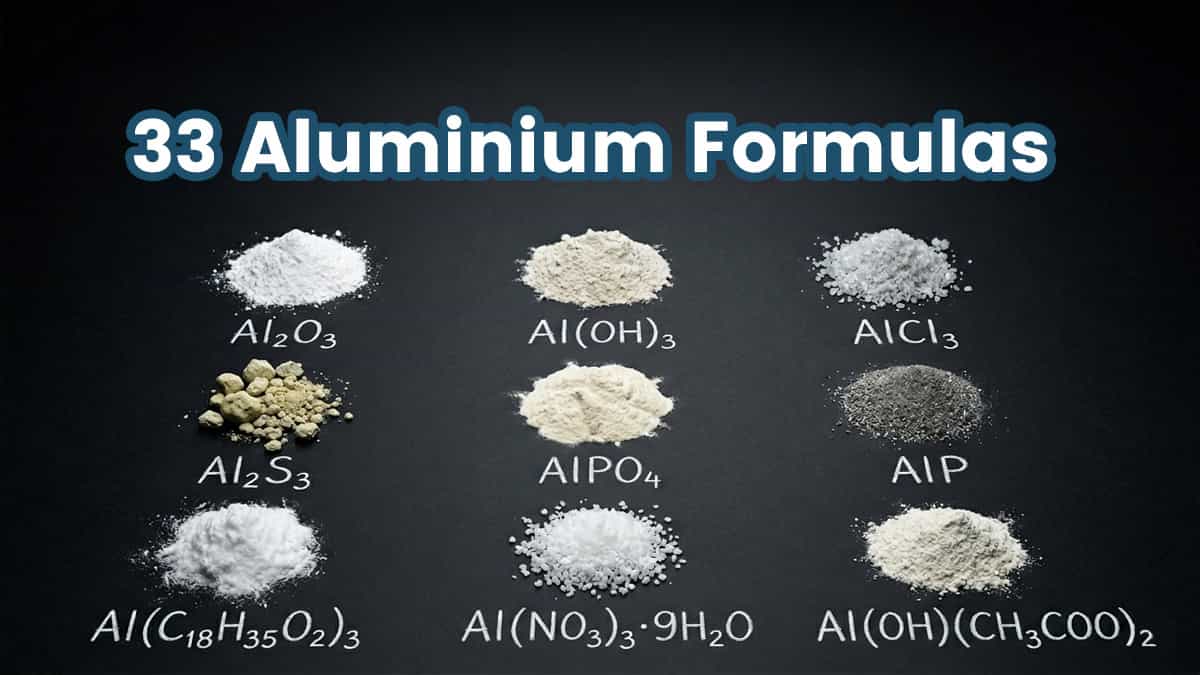
8. Comparison with Other Reactive Aluminium Compounds
| Compound | Formula | Primary Nature | Gas Generated in Water |
|---|---|---|---|
| Aluminium Carbide | Al₄C₃ | Reactive carbon/metal ceramic | Methane (CH₄) |
| Aluminium Sulfide | Al₂S₃ | Extremely foul‑smelling | Hydrogen sulfide (H₂S) |
| Aluminium Phosphide | AlP | Lethal agricultural fumigant | Phosphine (PH₃) |
9. Frequently Asked Questions
Q: Is this the stuff miners used in headlamps?
A: No. Miners used calcium carbide, which reacts with water to produce acetylene gas—a bright white‑burning fuel. Aluminum carbide produces methane, which burns mostly invisible blue and would be unsafe for illumination.
Q: What happens if I leave the jar open overnight?
A: Humidity in the air will react with the powder, releasing methane gas. The gas, being lighter than air, accumulates near the ceiling. A spark from a light switch could ignite it. By morning, the jar will contain only white aluminum hydroxide sludge.
Q: Why does it look dirty or green?
A: Synthesis requires extreme heat, so unreacted black graphite or gray aluminum impurities often remain, giving the yellow crystals a muddy appearance.
10. Summary Data Sheet
| Chemical Name | Aluminum Carbide |
|---|---|
| Formula | Al₄C₃ |
| Appearance | Mustard‑yellow or brownish‑green powder/crystals |
| Density | 2.36 g/cm³ |
| Hazard Note | Generates explosive methane on contact with humidity |
| Primary Utility | High‑temperature copper additive; specialized lab reagent |
| Extinguishing | Dry sand or Class D powder only. No water. |
Related Articles

Featured

You May Also Like
Water Leakage at Aluminium Window Frame-Wall Joints: A Step-…

Here’s Why Aluminium Is the Unsung Hero of Solar Energy
Aluminium 5454 (Aluminum 5454): The Elevated Marine Alloy fo…

Different Types of Aluminum Rods and Their Uses

10 Powerful Benefits of Aluminium Doors & Windows You Ca…
