Aluminium acetate departs radically from the violently reactive, explosive chemistry of industrial aluminum halides and methyls. Instead, it occupies a distinct, deeply historical niche as an incredibly safe, water-soluble organic-metal salt. Emerging as a white powder when isolated, it is far more commonly encountered strictly as a dilute aqueous solution. Characterized by aggressive astringent actions and powerful protein-binding properties, it has thrived for over a century treating aggressive poison ivy rashes, minimizing weeping wounds, and anchoring brightly colored textile dyes tightly into woven fabrics.
1. Basic Identification
Chemical Formula: Al(C₂H₃O₂)₃ (Normal/Neutral form). Most commercial preparations exist actively as Basic Aluminum Acetate: Al(OH)(C₂H₃O₂)₂.
Alternative Names: Aluminium(III) acetate, Burow’s Solution (when heavily diluted to approximately 5-13% depending on preparation).
Molecular Weight: 204.11 g/mol (Neutral anhydrous).
CAS Number: 139-12-8 (Neutral).
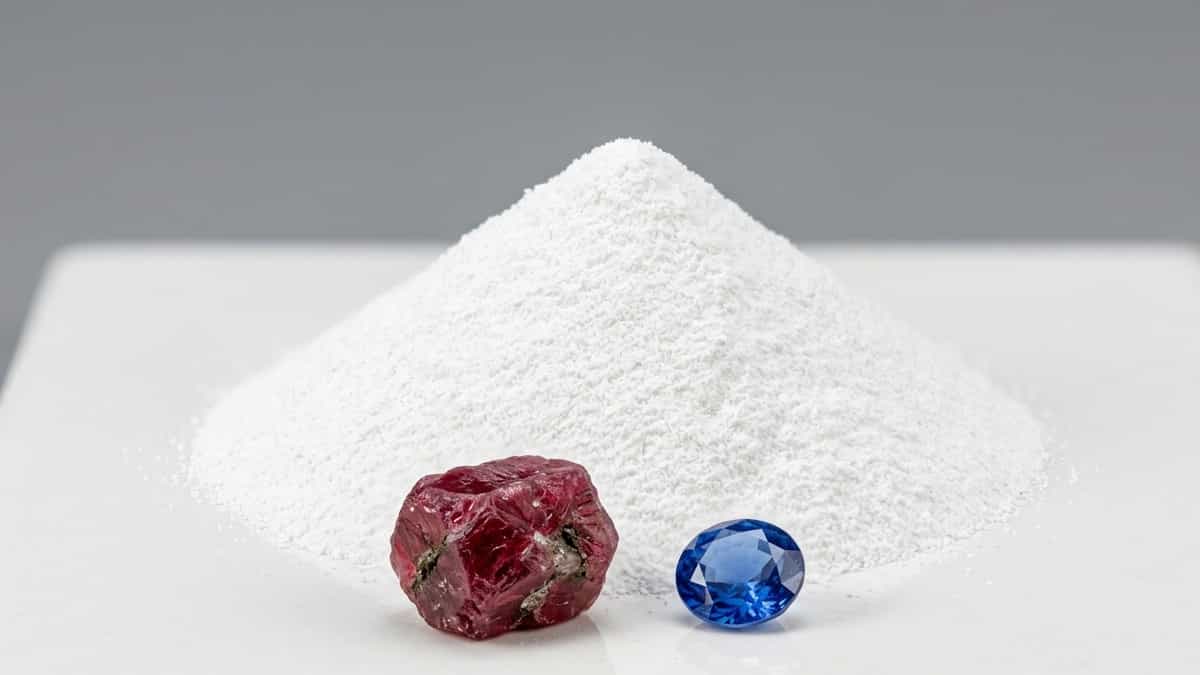
Appearance: A fine, brilliant white powder in raw form. Often sold as a faintly acetic (vinegar-smelling) clear or slightly milky liquid solution.
2. Physical Properties
Aluminum acetate exists on a precarious balance of solubility. The neutral form frequently combats hydrolysis, meaning it heavily prefers transforming into the “basic” form (swapping an acetate group for a hydroxide group) when simply resting in water.
2.1 Key Data Table
| Property | Aluminum Acetate |
|---|---|
| Melting Point | Decomposes under localized heat well before melting. |
| Density | Approx. 1.2 g/cm³ (Varies by hydration level). |
| Taste / Smell | Solutions emit a noticeable sharp vinegar aroma (taste testing is not recommended). |
| Solubility | Soluble in cold water. Solubility decreases in boiling water due to hydrolysis and precipitation of basic aluminum acetate. |
2.2 Physical Description
If you procure pure dry powder, it mimics talcum or fine baking soda. However, for 99% of consumers, it is known exclusively as an active, pre-packaged powder packet (such as Domeboro) or a prepared clear liquid (Burow’s Solution). It does not fume or aggressively draw atmospheric humidity.
3. Chemical Behavior and Reactions
The chemical profile of aluminum acetate centers entirely on its behavior as an astringent and a “mordant” (a chemical binder).
3.1 Tissue Coagulation (The Astringent Mechanism)
When directly applied to weeping biological skin (like an open blister), the aluminium ions act to bind onto surface skin proteins.
Observation: The ions cause the cell walls to physically shrink and actively seal together (coagulate). This reduces blood flow, helps dry weeping fluid out of the injury, and physically blocks aggressive bacterial penetration. The acetate acts to buffer the solution, making it significantly less painfully acidic than pouring plain aluminium chloride onto a wound.
3.2 Synthesis (How it is Made)
Historically, chemists prepared it using double displacement reactions, often generating lead waste. Today, direct synthesis is utilized.
Al(OH)₃ + 3CH₃COOH → Al(CH₃COO)₃ + 3H₂O
Process: Pure aluminum hydroxide powder is carefully digested in highly concentrated acetic acid. The solution is heavily filtered, often leaving behind a pure basic liquid solution that is carefully spray-dried into powder.
4. Industrial and Medical Applications
While useless for melting steel or powering rocket engines, aluminum acetate holds high societal value in the textile and over-the-counter medical domains.
4.1 Burow’s Solution (Topical Medicine)
Formulated in the 1800s by Karl August Burow, a dilute aqueous solution (typically 5-13%) of aluminium acetate is arguably the single greatest topical remedy for brutal dermatological irritations. When an individual suffers from severe poison ivy rashes, weeping eczema, athlete’s foot, or vicious insect bites, doctors recommend soaking a cloth in diluted aluminum acetate and applying it securely to the weeping sores. It dries out the blisters and soothes inflammation and itching.
4.2 Textile Dye Mordant
It revolutionized the ancient textile industry. Organic dyes derived from roots and berries rarely stick permanently to cotton fibers; they simply wash out in the river. However, if the cotton is soaked in an aluminum acetate bath first, the aluminum binds to the cotton fibers. When the organic dye is applied, it hooks onto the aluminium molecules, making the colored dye “colorfast” against washing and sunlight.
5. Safety and Hazard Management
General Safety: Aluminum acetate sits comfortably within the lowest tier of chemical hazards for topical use. Because it mimics natural organic acids, the body tolerates topical application well.
5.1 Health Effects
| Route of Exposure | Effect |
|---|---|
| Inhalation | The dry powder may cause minor sneezing and coughing. Long-term exposure to heavy industrial dust can cause respiratory irritation. |
| Skin Contact | Extremely safe and beneficial for localized treatments. Excessive, prolonged contact may dry or crack otherwise healthy skin due to over-astringency. |
| Eye Contact | Astringent salts cause stinging if rubbed into the eye, similar to vinegar or lemon juice. |
| Ingestion | Mildly toxic. Large doses may cause nausea, vomiting, and general discomfort. |
5.2 Personal Protective Equipment (PPE)
Unless working inside large powder hoppers at pharmaceutical or textile plants, no specialized protective equipment is required for normal consumer use.
- Hands: Safe for bare hand contact (wash after handling dry powder).
- Eyes: Safety glasses recommended when mixing dry powders to avoid dust irritation.
5.3 First Aid Measures
- Eyes: Flush thoroughly with tepid water for 10-15 minutes.
- Ingestion: Drink plenty of water to dilute. Do not induce vomiting unless directed by a medical professional.
5.4 Firefighting Information
- The solid formulation decomposes under heat but is not notably flammable nor a dangerous oxidizer. Water is effective for surrounding fires.
6. Storage and Handling Guidelines
6.1 Storage Conditions
- Container: Simple plastic bottles or pharmacy sachets.
- Atmosphere: Normal air. Keep bulk powder moderately dry to prevent caking.
- Location: Bathroom shelves or low-hazard industrial warehouse zones.
- Incompatibles: Strong alkaline materials (which destroy the acetate buffer).
6.2 Disposal Considerations
Disposal poses minimal challenge. Heavily diluted solutions left over from fabric washing or foot soaks can be poured down sinks. The acetate is biodegradable, and the aluminium deposits safely into natural clay/mineral components. However, large undiluted quantities may slightly lower pH in small, stagnant ponds, potentially affecting local aquatic life.
7. Environmental Impact
Biologically speaking, dilute aluminum acetate causes negligible ecosystem harm. The acetate is consumed by natural soil bacteria as a carbon source.
The separated aluminum deposits safely back into naturally occurring dirt and clay. However, massive undiluted dumping can slightly lower the local pH (acidify) small, stagnant ponds, potentially harming minnow populations.
8. Comparison with Other Reactive Aluminium Compounds
| Compound | Formula | Primary Nature | Primary Medical Hazard/Benefit |
|---|---|---|---|
| Aluminium Acetate | Al(C₂H₃O₂)₃ | Safe Organic-Salt Complex | Heals weeping poison ivy wounds safely. |
| Aluminium Phosphate | AlPO₄ | Insoluble Bio-Inert Powder | Injected into muscle alongside vaccines. |
| Aluminium Iodide | AlI₃ | Aggressively Fuming Solid | Violently burns tissue; no medical use. |
9. Frequently Asked Questions
Q: Is this the powder inside my popular brand-name “Domeboro” soaking packets?
A: Exactly! Products like Domeboro use balanced packets of aluminium sulfate and calcium acetate. When you add them to warm water, they react to freshly generate aluminium acetate solution for your rash.
Q: Can I use basic household vinegar and aluminium foil to make it?
A: No. Normal aluminium foil is coated with a durable microscopic layer of aluminium oxide. Standard kitchen vinegar (5% acetic acid) cannot penetrate this oxide barrier effectively. Concentrated chemistry protocols are required.
Q: Does it actually turn fabrics different colors?
A: No, the compound itself is colorless and white. Its purpose is to act as a permanent chemical “glue” so that whatever dye you choose (usually from flowers or roots) sticks to the fabric and does not wash out.
10. Summary Data Sheet
| Chemical Name | Aluminum Acetate |
|---|---|
| Solution Name | Burow’s Solution (5-13%) |
| Formula | Al(C₂H₃O₂)₃ |
| Appearance | Brilliant white powder or clear/milky bath soak |
| Defining Trait | Powerful biological astringent / textile dye mordant |
| Solubility | Readily dissolves in cold water |
| Hazard Note | Mild hazard profile; safe for topical use |