
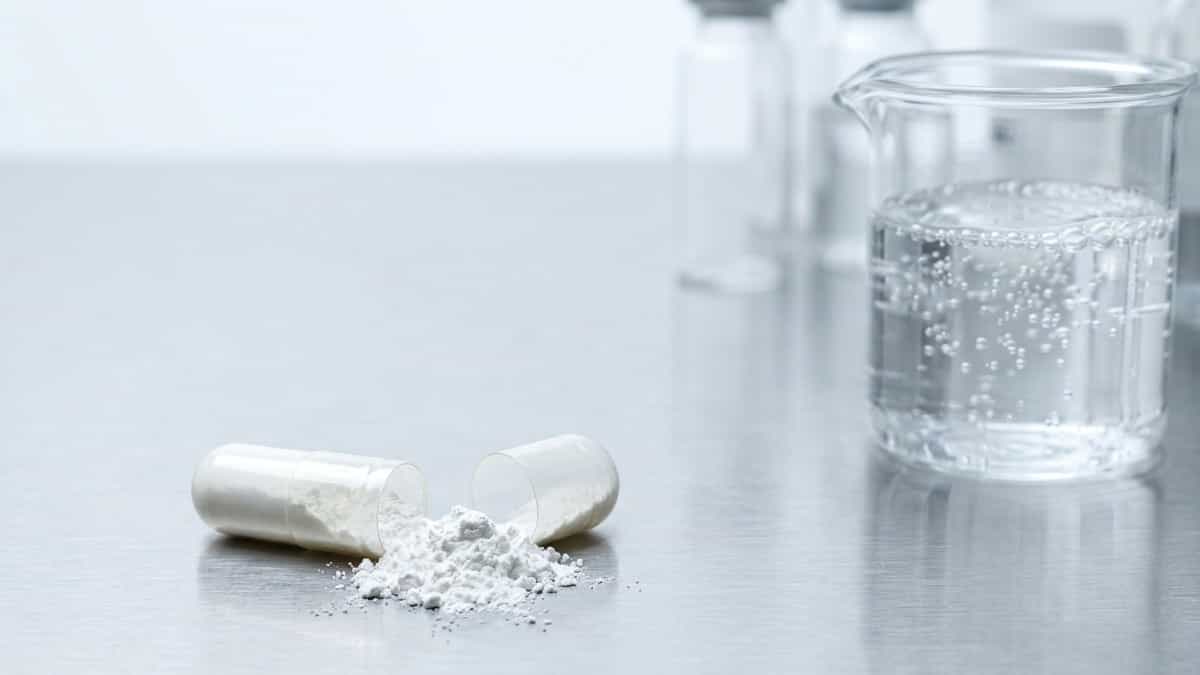
Aluminium carbonate is a highly obscure, notoriously unstable compound within aluminum chemistry. Unlike the rugged stability of aluminium oxide or the aggressive reactivity of aluminum halides, pure aluminium carbonate practically refuses to exist at standard temperatures and pressures. When discussed industrially and medically, it is almost exclusively found in its complexed form as “basic aluminium carbonate” rather than a perfectly pure anhydrous salt. Its primary practical utility is in veterinary and human medicine to manage dangerous bodily phosphate levels.
1. Basic Identification
Chemical Formula: Al₂(CO₃)₃ (Theoretical); Actual commercial form is Basic Aluminum Carbonate: approximately Al₂O₃·CO₂·H₂O or Al(OH)CO₃.
Alternative Names: Aluminium carbonate, basic aluminum carbonate.
Molecular Weight: 233.99 g/mol (theoretical pure).
CAS Number: 1339-77-1 (basic form).
Appearance: A soft, chalky white powder or suspended thick white aqueous gel.
2. Physical Properties
Because pure, anhydrous aluminum carbonate is highly unstable, physically isolating and testing it requires extreme low‑temperature controls or massive carbon dioxide pressurization.
2.1 Key Data Table
| Property | Aluminum Carbonate |
|---|---|
| Melting Point | Decomposes completely well before reaching a melt point. |
| Stability | Highly unstable at room temperature; breaks down into CO₂. |
| Density | ~ 1.5 – 2.0 g/cm³ (basic form) |
| Solubility | Insoluble in water. Readily soluble in strong mineral acids, releasing effervescence (bubbles). |
2.2 Physical Description
In its commercially available basic form, it feels and acts similarly to crushed chalk (calcium carbonate) or baking soda. It is deeply insoluble, settling at the bottom of liquids. There is no fuming, no deliquescence, and no rapid moisture absorption. It remains an inert, dry white powder unless introduced to an acid.
3. Chemical Behavior and Reactions
The defining chemical attribute of aluminum carbonate is its fragility. The aluminum ion (Al³⁺) holds onto the carbonate ion (CO₃²⁻) loosely, leading to a constant state of chemical tension.
3.1 Spontaneous Decomposition
If one were to synthesize pure Al₂(CO₃)₃, it would immediately start fizzing as it breaks apart.
Al₂(CO₃)₃ + 3H₂O → 2Al(OH)₃ + 3CO₂ ↑
Observation: Atmospheric moisture reacts with the compound, causing it to shed its carbonate groups and transform into stable aluminum hydroxide while releasing carbon dioxide gas. This is why “basic” variations (partially reacted) are the only stable commercial form.
3.2 Acid Neutralization
Like all carbonates, it reacts when dropped into acids, releasing CO₂.
Al₂(CO₃)₃ + 6HCl → 2AlCl₃ + 3H₂O + 3CO₂ ↑
Observation: When introduced to stomach acid, the powder fizzes as it converts into soluble aluminum chloride and releases carbon dioxide gas.
4. Industrial and Laboratory Applications
Because it cannot withstand heat and constantly wants to break down, aluminium carbonate is useless as a catalyst, refractory ceramic, or structural binder. It thrives, however, inside the human digestive tract.
4.1 Phosphate Binding Medicine
This is its single most critical global use. Animals and humans with severe kidney failure (renal failure) cannot filter phosphorus out of their blood. If phosphate builds up, it calcifies tissues, causing death. Basic aluminum carbonate is administered as a daily oral medication (capsules or gel).
- Mechanism: The patient takes the powder with a meal. In the stomach, aluminium carbonate chemically binds to phosphates present in the food.
- Result: It forms highly insoluble aluminium phosphate. The body cannot absorb this compound, and the trapped phosphorus passes safely out in the stool, preventing blood toxicity.
4.2 Ulcer and Antacid Therapy
While often superseded by aluminium hydroxide, the basic carbonate form acts as a fast‑acting antacid because the carbonate group reacts immediately with stomach juices, buffering stomach walls.
5. Safety and Hazard Management
General Safety: Aluminium carbonate is an exceptionally safe, biologically inert compound. It is specifically manufactured for deliberate human and veterinary ingestion.
5.1 Health Effects
| Route of Exposure | Effect |
|---|---|
| Inhalation | Nuisance dust level hazard. May cause minor coughing but no chemical respiratory destruction. |
| Skin Contact | Inert. Does not penetrate skin or cause irritation. |
| Eye Contact | May cause mild, temporary physical scratching from powder particles. |
| Ingestion | Completely safe in prescribed doses. Massive overconsumption may cause constipation and critically deplete blood phosphate levels (hypophosphatemia), leading to muscle weakness. |
5.2 Personal Protective Equipment (PPE)
Unless working in a bulk pharmaceutical factory, no specialized PPE is required beyond standard precautions.
- Respiratory: Standard dust masks (N95) near packing lines.
- Hands: Standard laboratory gloves.
- Eyes: Protective safety glasses.
5.3 First Aid Measures
- Eyes: Flush thoroughly with water without rubbing.
- Ingestion: If a massive overdose occurs, administer a mild laxative and consult a medical professional to monitor blood phosphorus levels.
6. Storage and Handling Guidelines
6.1 Storage Conditions
- Container: Tightly sealed containers – not primarily to keep water out, but to stabilize the carbon dioxide equilibrium inside the bottle.
- Atmosphere: Keep cool (below 30 °C). Heating even in a hot warehouse causes irreversible degradation to aluminum hydroxide.
- Location: Standard climate‑controlled pharmacy shelving or dry chemical warehousing.
6.2 Disposal Considerations
Basic aluminum carbonate requires no chemical neutralization. It can be safely disposed of in municipal waste systems. It carries no heavy metals, halogens, or toxic gas threats.
7. Environmental Impact
The compound holds minimal environmental risk. If dumped into soil, it behaves similarly to crushed limestone, resting inertly until slowly degraded by soil acidity. There are no significant ecotoxicity reports for aquatic systems.
8. Comparison with Other Aluminium Compounds
| Compound | Formula | Primary Nature | Primary Medical Use |
|---|---|---|---|
| Aluminium Carbonate | Al₂(CO₃)₃ | Unstable, basic white powder | Phosphate binder for kidney failure. |
| Aluminium Phosphate | AlPO₄ | Ultra‑stable inert powder | Vaccine adjuvant; slow‑acting antacid. |
| Aluminium Iodide | AlI₃ | Violently water‑reactive solid | No medical use; causes severe burns. |
9. Frequently Asked Questions
Q: I tried mixing aluminum chloride with sodium carbonate, but I got fizzing instead of aluminum carbonate powder. Why?
A: You experienced its instability. Pure aluminum carbonate is so unstable at room temperature that it immediately reacts with water, bubbles off carbon dioxide (the fizzing), and leaves aluminum hydroxide sludge.
Q: Is this the same chemical in Tums or Rolaids?
A: No. Tums use calcium carbonate. Rolaids originally used dihydroxyaluminum sodium carbonate (which contains aluminum). Basic aluminum carbonate acts similarly but is specifically targeted at removing phosphorus, not just stomach acid.
Q: Why does my cat’s kidney medication contain aluminum? Is that toxic?
A: Cats in renal failure require aluminum carbonate or hydroxide to bind phosphorus in their food. The compound does not absorb into the cat’s bloodstream, so it is not “aluminum poisoning.” It acts like an internal magnet and is passed harmlessly in the stool, saving the cat’s life from phosphorus toxicity.
10. Summary Data Sheet
| Chemical Name | Aluminum Carbonate (Basic form) |
|---|---|
| Synonym | Djalmaite (mineral equivalent) |
| Formula | Al₂(CO₃)₃ (Basic: Al₂O₃·CO₂·H₂O) |
| Appearance | Chalky white powder |
| Thermal Stability | Highly unstable. Decomposes at low heat. |
| Defining Trait | Biologically safe, reacts with stomach acid. |
| Primary Utility | Orally acting phosphate binder in kidney disease. |
Related Articles

Featured



You May Also Like

Aluminium Kitchen Cabinets: Exploring Advantages and Disadva…

Anodized Aluminum Bolts: Strength, Durability, and Applicati…
Aluminum Water Bottles vs. Stainless Steel: Which Hydration …

Which Mosquito Net is Best for Aluminium Casement Window Fra…

Vinyl vs Aluminum Siding – Let’s Compare
