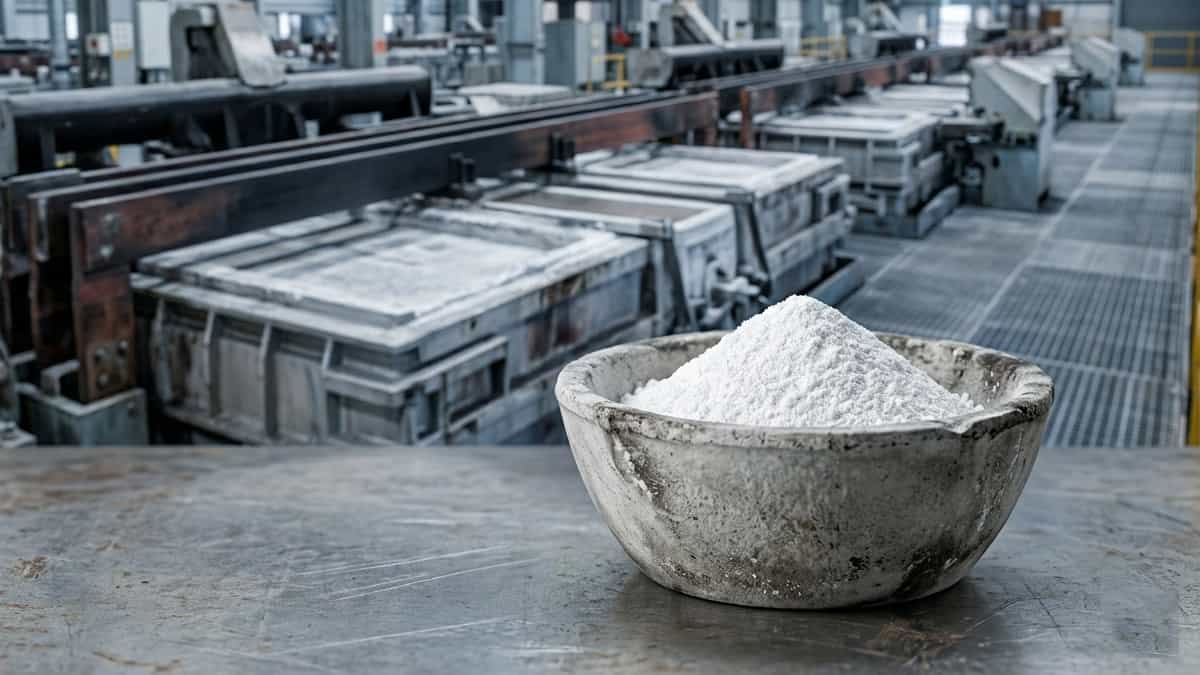
Aluminium fluoride is a stable, inorganic compound distinguished from other aluminium halides by its distinct ionic crystal structure and immense thermal stability. Appearing as a colorless to white crystalline solid, it does not fume in air nor behave as a potent Lewis acid like its chloride and bromide counterparts. Instead, its supreme utility lies in the metallurgy industry, specifically acting as an indispensable additive in the massive-scale smelting of aluminum metal.
1. Basic Identification
Chemical Formula: AlF₃
Alternative Names: Aluminium trifluoride.
Molecular Weight: 83.98 g/mol (anhydrous).
CAS Number: 7784-18-1 (anhydrous).
Appearance: Colorless to white crystalline powder.
2. Physical Properties
Aluminum fluoride boasts uniquely high thermal stability, a direct result of its polymeric, three-dimensional solid-state structure dominated by ionic bonds, contrasting sharply with the molecular structures of AlCl₃ and AlBr₃.
2.1 Key Data Table
| Property | Anhydrous AlF₃ |
|---|---|
| Melting Point | ~1290 °C (2354 °F) – sublimes at atmospheric pressure; melts only under pressure |
| Boiling Point | Sublimes before boiling |
| Density | 3.10 g/cm³ |
| Crystal Structure | Trigonal / Rhombohedral |
| Solubility | Sparingly soluble in water (0.56 g/100 mL at 20 °C). Insoluble in most organic solvents. |
2.2 Physical Description
In its anhydrous state, aluminum fluoride behaves as an exceptionally hard and thermally resilient white sand-like crystalline powder. Unlike the highly hygroscopic aluminum bromide, aluminium fluoride handles ambient moisture fairly well, though hydrated forms (such as the trihydrate, AlF₃·3H₂O) can exist.
3. Chemical Behavior and Reactions
Historically and chemically, AlF₃ is much less reactive than other aluminum halides. It does not act as a strong electron pair acceptor (Lewis acid) and does not react violently to produce acid clouds upon water contact.
3.1 Solubility in Water
Unlike AlCl₃ and AlBr₃, aluminum fluoride only dissolves sparingly in water. It does not vigorously hydrolyze to emit corrosive gas under standard room temperature conditions, making it fundamentally safer to handle around moisture.
AlF₃ (s) ⇌ Al³⁺ (aq) + 3F⁻ (aq)
3.2 Synthesis (How It Is Made)
In industry, the vast majority of aluminum fluoride is created by reacting hydrogen fluoride gas with alumina (aluminum oxide) at elevated temperatures.
Al₂O₃ + 6HF → 2AlF₃ + 3H₂O
Process: This high-temperature fluorination takes place under specialized reactor conditions ensuring high yields of the anhydrous product required for metal smelting.
3.3 Reactions at Extreme Heat
While unreactive at room temperature, when fused with metal oxides at extreme temperatures, it can modify the melting point and conductivity of the melt, making it highly valuable in metallurgy.
4. Industrial and Laboratory Applications
While it lacks the chemical reactivity needed for organic synthesis catalysts, aluminium fluoride is the unheralded cornerstone of modern aluminum production.
4.1 Aluminium Smelting (The Hall-Héroult Process)
This is the overwhelming primary consumer of the world’s AlF₃ supply.
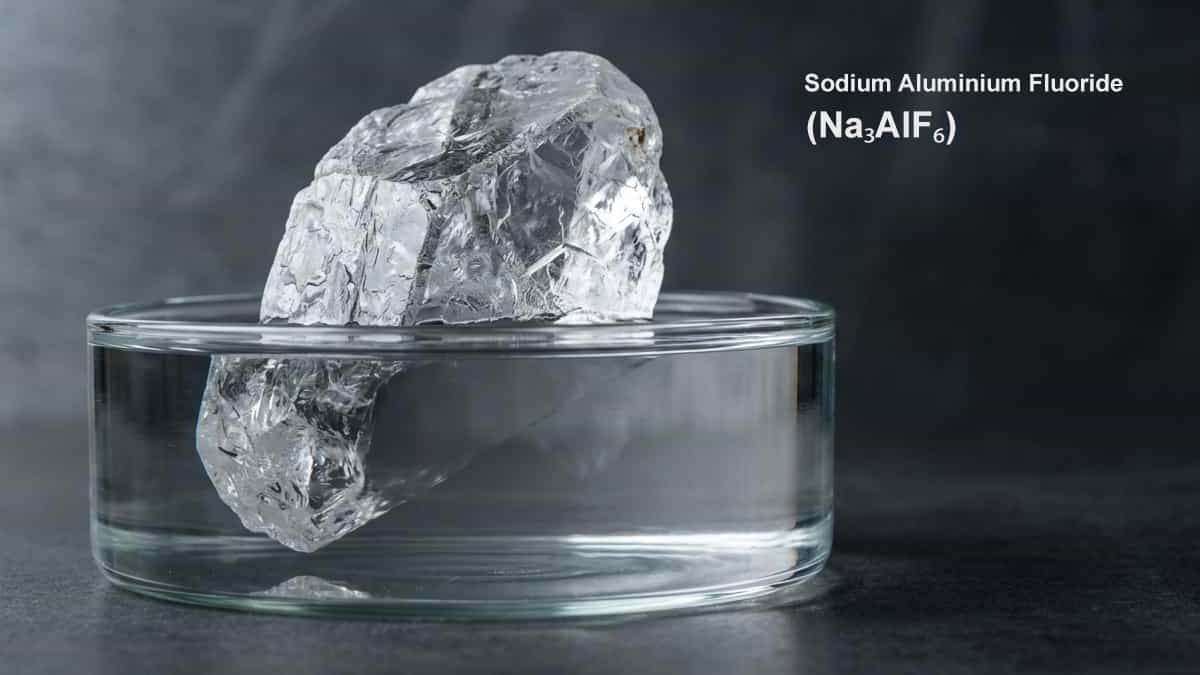
- What it does: AlF₃ is added to the molten cryolite (Na₃AlF₆) electrolyte bath during the electrolysis of alumina.
- Why it matters: It significantly lowers the melting point of the smelting bath and increases its electrical conductivity. This translates directly to massive savings in the electrical energy required to smelt metallic aluminum from ore.
4.2 Optics and Glass Making
Aluminium fluoride is an additive in the creation of highly specialized glasses and ceramics. In particular, it is a key component in producing fluoroaluminate glasses, which are utilized in fiber optics and laser engineering because of their specific light-transmission capabilities.
4.3 Fermentation Inhibitor
In niche applications within the brewing or biochemical industries, small, controlled amounts can be used as a targeted inhibitor of rogue bacterial fermentation processes.
5. Safety and Hazard Management
❗
GHS07
Harmful / Irritant
Critical Warning: While dramatically safer than its chloride or bromide siblings regarding water reactivity, aluminum fluoride poses specific risks due to the toxicity of the fluoride ion.
5.1 Health Effects
| Route of Exposure | Effect |
|---|---|
| Inhalation | Irritation of the respiratory tract. Chronic inhalation of dust can lead to fluorosis, a serious bone disease. |
| Skin Contact | Mild to moderate irritation. Prolonged contact may cause dermatitis. |
| Eye Contact | Causes physical irritation and inflammation of eye tissue. |
| Ingestion | Toxic if swallowed. Ingested fluoride ions disrupt calcium metabolism, which can cause severe muscle spasms, cardiac arrhythmias, and potentially fatal systemic toxicity. |
5.2 Personal Protective Equipment (PPE)
Protection centers on preventing dust inhalation and accidental ingestion.
- Respiratory: Standard particulate respirator (N95 or better) when handling powder.
- Hands: Standard laboratory gloves (nitrile or rubber).
- Eyes: Safety glasses or goggles to prevent dust irritation.
- Body: Laboratory coat and long pants.
5.3 First Aid Measures
- Skin: Wash thoroughly with soap and water. If irritation persists, seek medical advice.
- Eyes: Rinse cautiously with water for several minutes. Remove contact lenses if present and easy to do.
- Inhalation: Remove victim to fresh air.
- Ingestion: Drink milk or a calcium-based antacid to help bind the fluoride. Seek emergency medical help immediately.
5.4 Firefighting Information
- Suitable Extinguishers: Use extinguishing media appropriate for the surrounding fire (water, foam, dry chemical).
- Specific Hazards: In extreme heat/fire, it may decompose to emit highly toxic hydrogen fluoride (HF) gas. Standard firefighting turnout gear and SCBA are required.
6. Storage and Handling Guidelines
6.1 Storage Conditions
- Container: Store in tightly closed containers. While not severely hygroscopic, keeping it dry prevents caking.
- Atmosphere: Normal air is acceptable.
- Location: Store in a cool, well-ventilated area away from strong acids.
- Incompatibles: Strong acids (which can react to generate toxic HF gas), sodium, and potassium metals.
6.2 Disposal Considerations
Disposal must comply with local environmental laws regulating fluoride compounds.
- Do not pour down drains, as fluoride accumulation harms local water systems.
- Small quantities can often be neutralized by precipitating the compound with a large excess of calcium hydroxide (forming inert calcium fluoride).
- Must be collected and handed over to licensed hazardous waste handlers.
7. Environmental Impact
As a soluble source of environmental fluoride, bulk spills of AlF₃ pose a localized threat to plants and aquatic life. High fluoride concentrations in water inhibit enzymatic functions in aquatic biomes. Strict regulations govern the emissions of fluoride particles and gases near industrial aluminum smelting plants to prevent local ecosystem poisoning.
8. Comparison with Other Aluminum Halides
| Compound | Formula | Melting Point | Lewis Acidity | Industrial Note |
|---|---|---|---|---|
| Aluminium Fluoride | AlF₃ | ~1290 °C (sublimes) | Weak | Indispensable additive in aluminum smelting. |
| Aluminium Chloride | AlCl₃ | 192.4 °C (at 2.5 atm) | Very Strong | Aggressive petrochemical catalyst, water‑reactive. |
| Aluminium Bromide | AlBr₃ | 97.5 °C | Very Strong | Fuming, highly reactive organic synthesis agent. |
| Aluminium Iodide | AlI₃ | 191 °C | Strong | Used for specialized organometallic cleavage reactions. |
9. Frequently Asked Questions
Q: Is aluminum fluoride a Lewis acid like aluminum chloride?
A: It is technically a Lewis acid, but it is incredibly weak compared to aluminum chloride. Because of its complex ionic crystal lattice structure, it does not easily interact with electron donors at room temperature.
Q: Does aluminum fluoride explode when mixed with water?
A: No. It dissolves slowly and sparingly without releasing massive heat or toxic fumes. It is far safer to handle in humid environments than AlCl₃ or AlBr₃.
Q: How does this chemical make aluminum cheaper to produce?
A: By adding AlF₃ to the cryolite melting bath, the temperature required to melt the aluminum ore is lowered from over 2000 °C to below 1000 °C. This saves immense amounts of electrical energy.
Q: Is the fluoride in my toothpaste the same thing?
A: Toothpaste uses sodium fluoride (NaF) or stannous fluoride, not aluminum fluoride. AlF₃ is not used for dental hygiene purposes.
10. Summary Data Sheet
| Chemical Name | Aluminum Fluoride |
|---|---|
| Formula | AlF₃ |
| Appearance | Colorless to white powder |
| Sublimation Point | ~ 1290 °C |
| Solubility | Sparingly soluble in water (0.56 g/100 mL) |
| Primary Hazard | Toxic if ingested, respiratory irritant |
| Primary Use | Electrolyte additive in aluminum smelting |
| Storage | Keep dry in closed containers; separate from strong acids |
Related Articles

Featured

You May Also Like

Metaloop, Scrap Services Platform
Aluminium 5754 (Aluminum 5754): The Versatile Workhorse of t…

The Ultimate Guide to Glass Pane Replacement

Aluminium Ignots & Billets: GST Rates & HSN Codes

Best Aluminum Fence for Keeping Rabbits Out of Your Garden (…