Aluminium Compounds List, Properties & Uses

33 Aluminium Compounds: Formulas, Properties & Industrial Uses
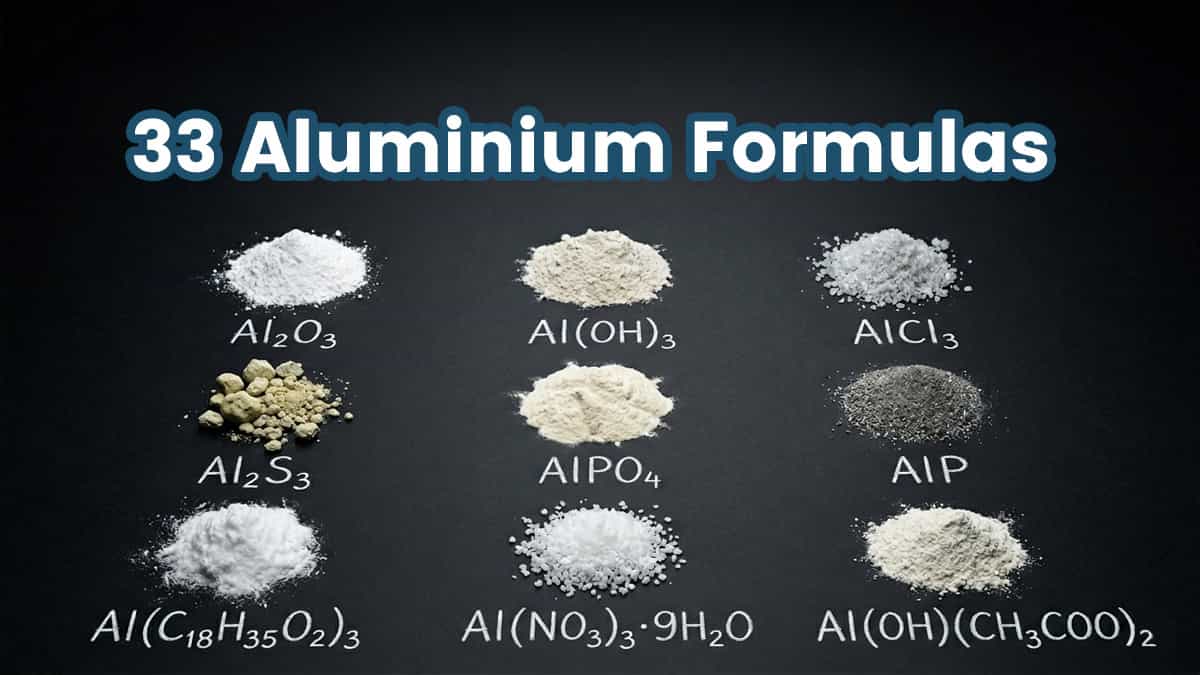
33 Aluminium Compounds: Formulas, Properties & Industrial Uses

While pure aluminium is widely recognized for its structural uses in aerospace and construction, its true chemical versatility is found in its extensive range of compounds. From high-tech semiconductors to essential industrial catalysts, aluminium-based substances are foundational to modern engineering and chemistry. This master guide provides a technical overview of the 33 essential aluminium compounds, … Read more

Trimethylaluminum (TMA): Technical Guide to a Pyrophoric Semiconductor Precursor

Stainless steel pressurized bubbler cylinder for trimethylaluminum storage, with pyrophoric warning placard in a fume hood.

Trimethylaluminum, globally shortened to TMA, is a violently reactive organometallic compound. It is a clear, colorless liquid that is pyrophoric – it spontaneously ignites on contact with air. Despite its extreme danger, it is the premier aluminium precursor for semiconductor manufacturing, used in Atomic Layer Deposition (ALD) and as a Ziegler‑Natta co‑catalyst. 1. Basic Identification … Read more

Sodium Aluminium Fluoride (Na₃AlF₆): Technical Guide to Cryolite

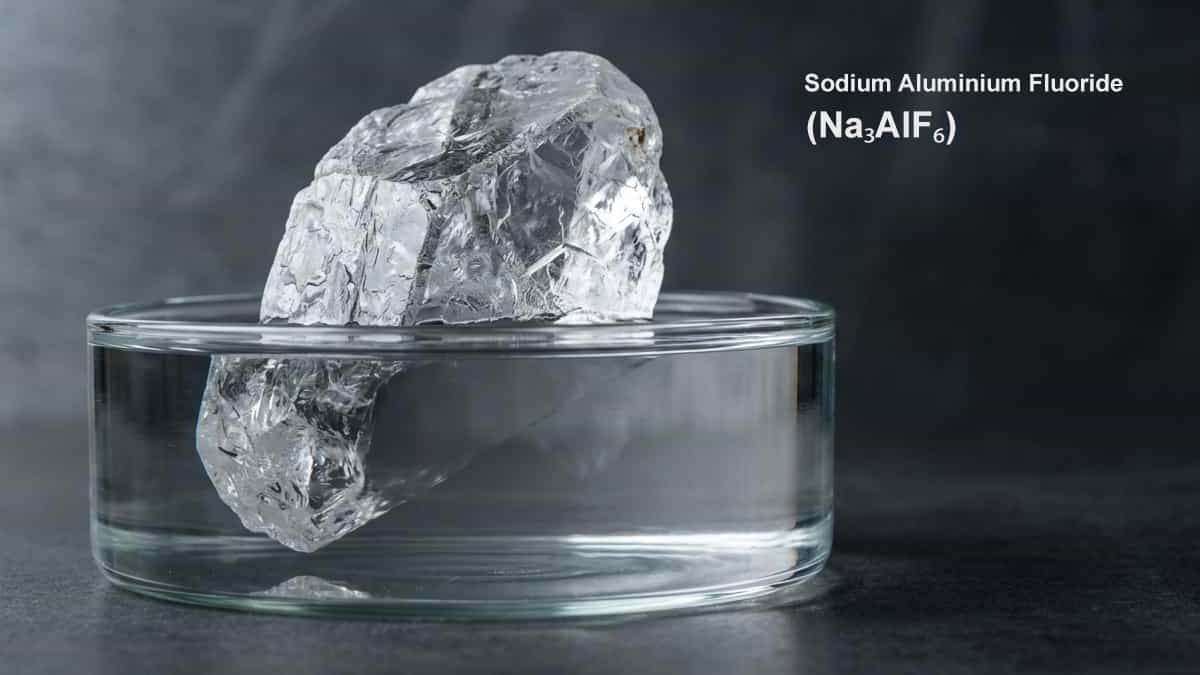
Clear cryolite crystal half‑submerged in water, with the submerged portion invisible due to matching refractive index.

Sodium aluminium fluoride, universally known by its mineral name cryolite, is a strategically important compound. Its high‑temperature properties govern the economics of aluminium metal production. It appears as glassy, white, or colorless chunks, and its role in the Hall‑Héroult smelting process makes it one of the most manufactured inorganic compounds on Earth. 1. Basic Identification … Read more

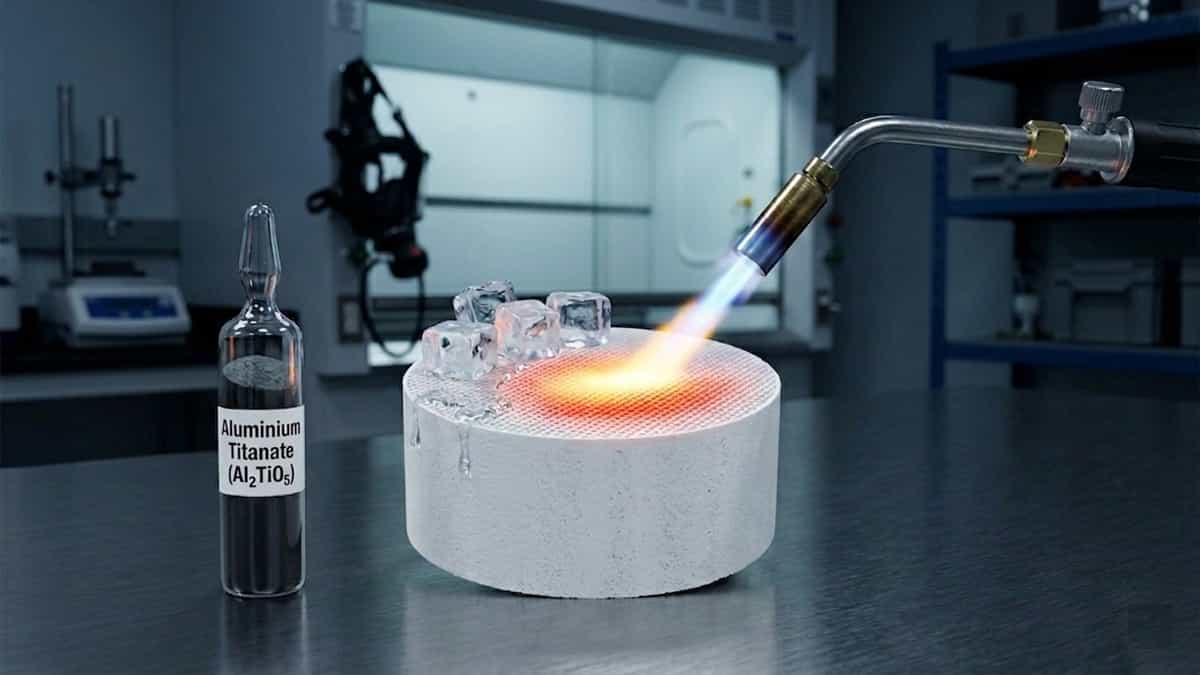
Aluminium Titanate (Al₂TiO₅): Technical Guide to Zero‑Expansion Ceramics

White aluminum titanate ceramic honeycomb block with a blowtorch flame on one side and ice cubes on the opposite edge, showing thermal shock resistance.

Aluminium titanate is a high‑performance engineered ceramic with an exceptionally low coefficient of thermal expansion. It is a stoichiometric blend of alumina and titania, appearing as a white to pale yellow, porous, lightweight ceramic. It excels in environments prone to thermal shock, making it the gold standard for diesel particulate filters and molten metal handling. … Read more

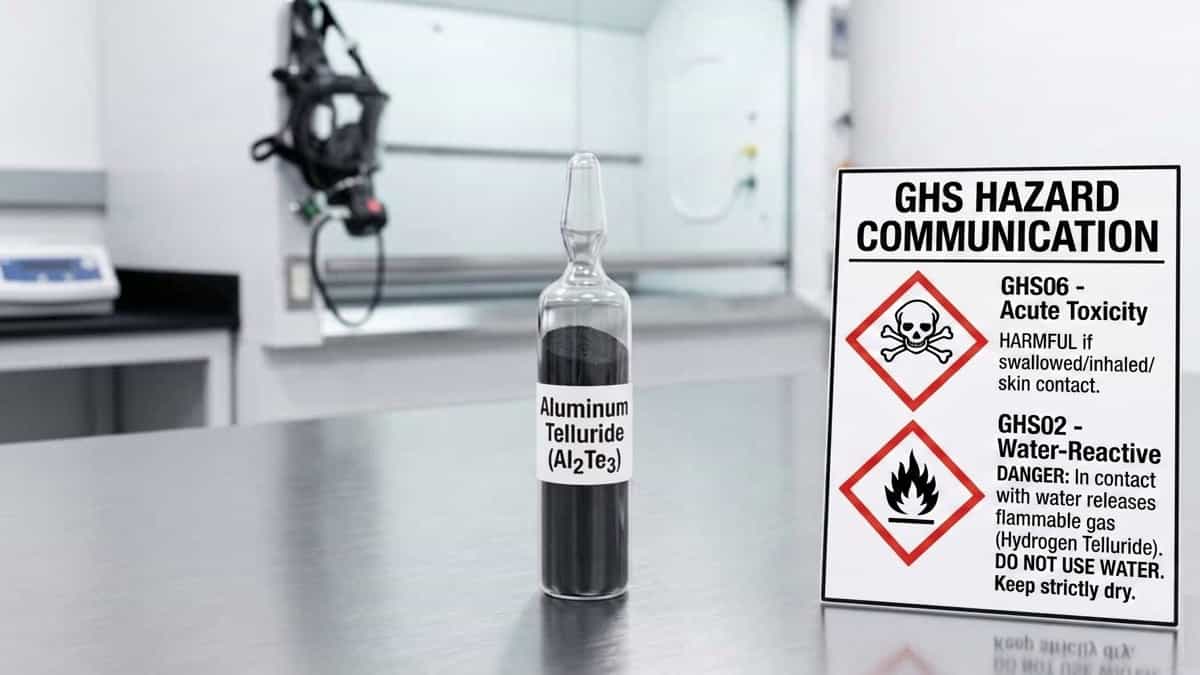
Aluminium Telluride (Al₂Te₃): The Complete Guide

Sealed glass ampoule of dark grey aluminum telluride powder with toxicity hazard placard in a laboratory fume hood.

Aluminium telluride is a binary compound of aluminium and tellurium. It is a highly moisture‑sensitive, rare chalcogenide that decomposes in water to release hydrogen telluride (H₂Te) – an extremely toxic, foul‑smelling gas similar to hydrogen sulfide but even more hazardous. Due to its instability and toxicity, it has no consumer applications and is used only … Read more

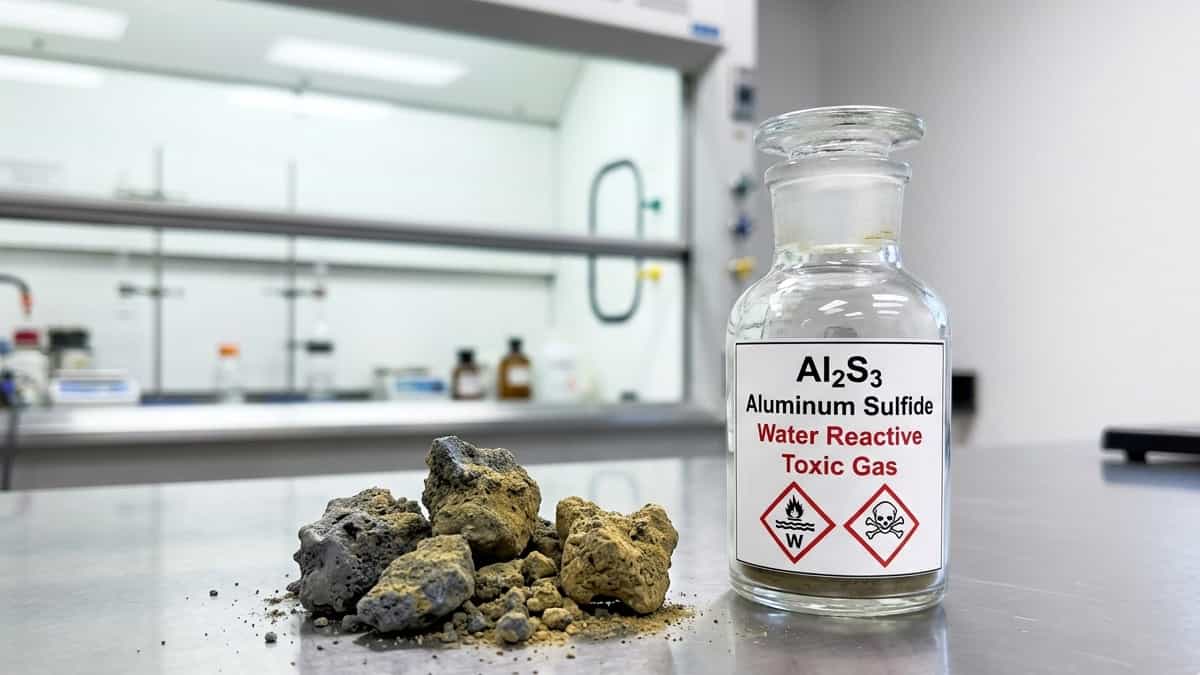
Aluminium Sulfide (Al₂S₃): The Complete Guide

Grey‑yellow aluminum sulfide solid chunks next to a sealed hazard‑labeled bottle in a laboratory fume hood.

Aluminium sulfide is a highly moisture‑sensitive inorganic compound. It appears as a dull grey to yellowish solid and is infamous for its foul odor resulting from reaction with ambient moisture. It serves as a specialized laboratory reagent to generate hydrogen sulfide gas on demand. 1. Basic Identification 2. Physical Properties Property Aluminum Sulfide Melting Point … Read more

Potassium Alum (KAl(SO₄)₂·12H₂O): The Complete Guide

Clear octahedral potassium alum crystal, white alum powder, jar of pickles, and crystal deodorant stick on a wooden table.

Potassium alum, globally recognized simply as “alum,” is an ancient, highly useful double sulfate salt. Documented since antiquity for clarifying water and tanning leather, it remains a household staple. It forms large, clear octahedral crystals and is known for its sharp astringency. Today, it is used in natural crystal deodorants, pickling crisping agents, and styptic … Read more

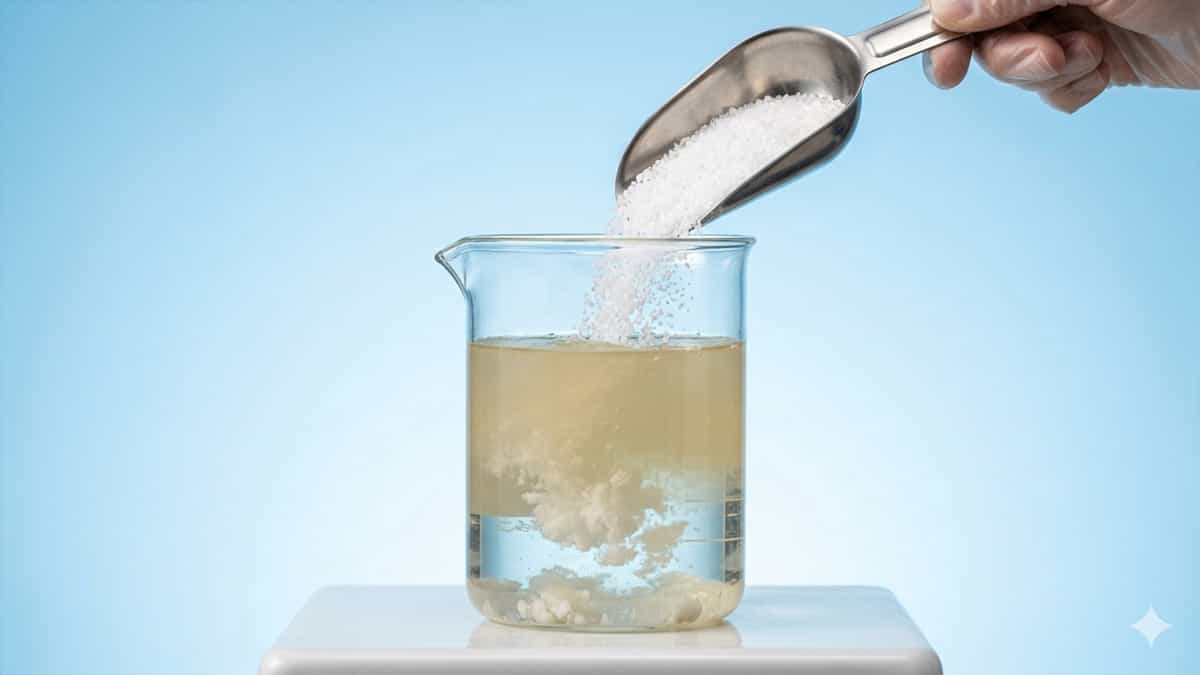
Aluminium Sulfate (Al₂(SO₄)₃): The Complete Guide

White aluminum sulfate granules being poured into turbid water, forming fluffy white flocs that clarify the water.

Aluminium sulfate is an important industrial chemical, commonly referred to as “alum” (though strictly, alums are double sulfates). It appears as a white crystalline solid that is highly soluble in water. It is the backbone of municipal water treatment, serving as the definitive flocculent that delivers clear drinking water. 1. Basic Identification 2. Physical Properties … Read more

Aluminium Selenide (Al₂Se₃): The Complete Guide

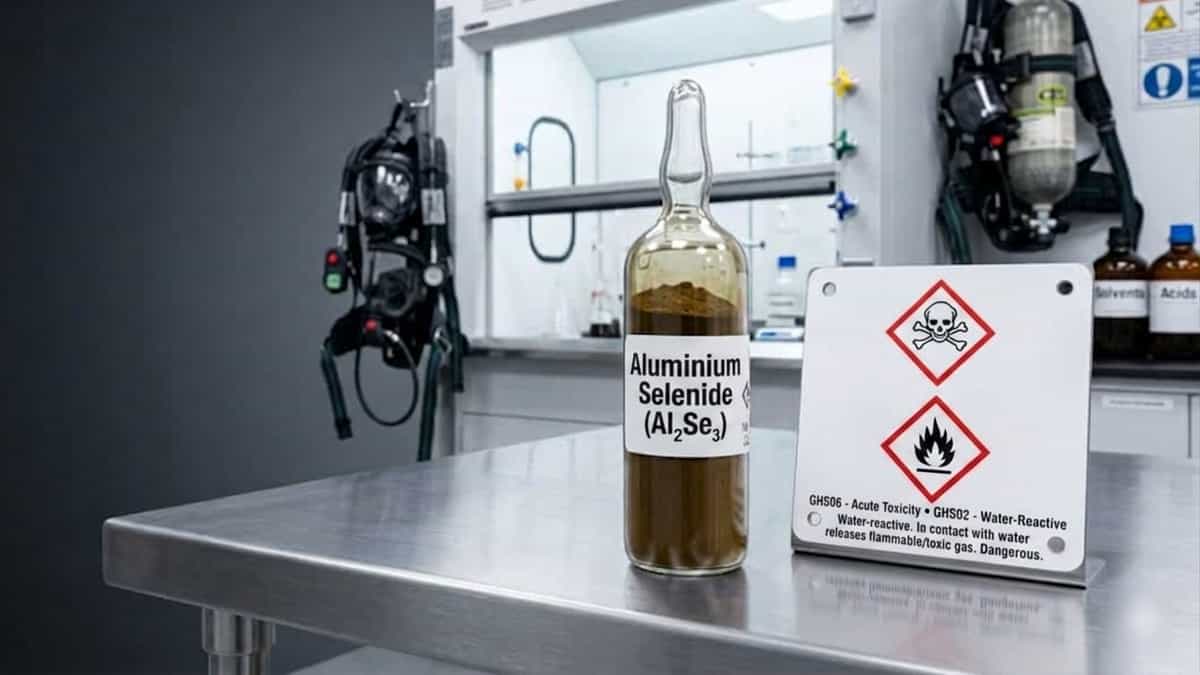
Sealed glass ampoule of dark brown aluminum selenide powder with a toxicity hazard placard in a laboratory setting.

Aluminium selenide is a binary compound of aluminium and selenium. It is a highly reactive, moisture‑sensitive material that decomposes violently in water to release hydrogen selenide (H₂Se) – an extremely toxic, foul‑smelling gas. Due to its instability and toxicity, it is not a consumer product but is used in specialized laboratory and semiconductor applications as … Read more

Aluminium Nitride (AlN): The Complete Guide

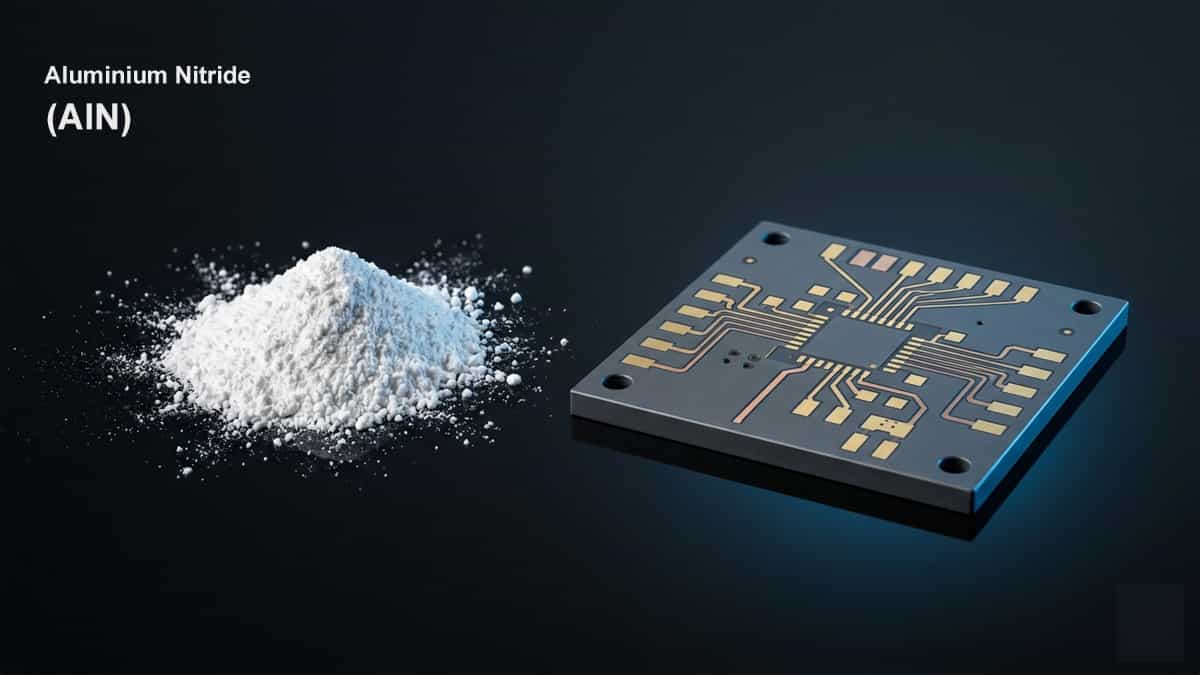
White aluminum nitride powder next to a dark gray sintered ceramic substrate plate for electronics.

Aluminium nitride is a highly advanced technical ceramic distinct from typical aluminium halide salts. It appears as a white or pale yellow powder in its raw form and is engineered for its remarkable ability to conduct heat extremely well while acting as an effective electrical insulator. This rare combination makes it a cornerstone in optoelectronics, … Read more

Aluminium Stearate (Al(C₁₈H₃₅O₂)₃): The Complete Guide

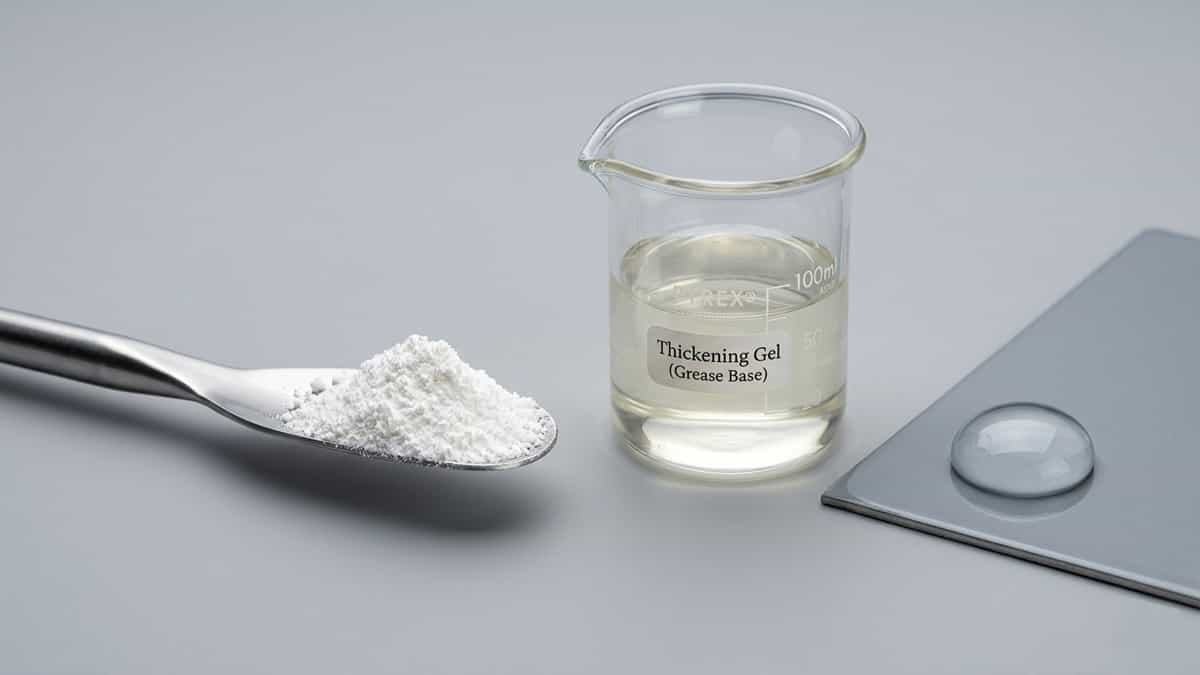
White fluffy aluminum stearate powder on a spatula, with a beaker of thickened oil gel and a water bead on a treated surface.

Aluminium stearate is a metallic soap – a salt formed from aluminum and stearic acid (a common fatty acid). It appears as a white, fine, fluffy powder. Unlike reactive aluminum salts (chloride, nitrate), aluminum stearate is mild, water‑repellent, and used primarily as a thickening agent, lubricant, and waterproofing additive in industrial and cosmetic formulations. 1. … Read more

Aluminium Nitrate (Al(NO₃)₃): The Complete Guide

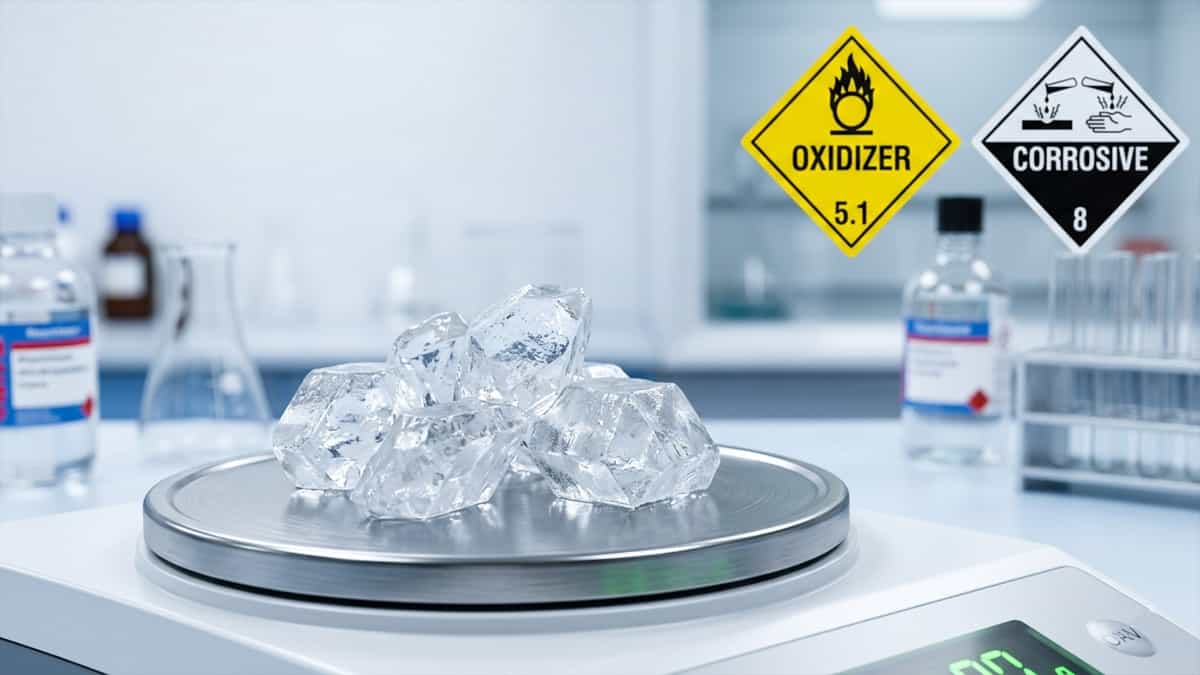
Clear, moist aluminum nitrate nonahydrate crystals on a laboratory balance, with oxidizer hazard placards in background.

Aluminium nitrate is a highly soluble, deliquescent crystalline solid used as an oxidizing agent and a precursor for high‑purity alumina. It exists primarily as the nonahydrate (Al(NO₃)₃·9H₂O). Due to its strong oxidizing properties, it must be stored away from all organic and flammable materials. 1. Basic Identification 2. Physical Properties Property Aluminium Nitrate (Nonahydrate) Melting … Read more

Aluminum Phosphide (AlP): The Complete Guide

Pest control professional in full PPE inspecting grain inside a silo, representing safe handling of aluminum phosphide fumigant.

Aluminum phosphide is a highly toxic inorganic solid used globally as a fumigant and pesticide. It appears as dark grey or yellowish‑grey crystals. Its lethality comes not from the solid itself, but from its reaction with moisture to produce phosphine gas (PH₃). Handling, storage, and application are strictly regulated worldwide. 1. Basic Identification 2. Physical … Read more

Aluminium Silicate (Al₂SiO₅): The Complete Guide

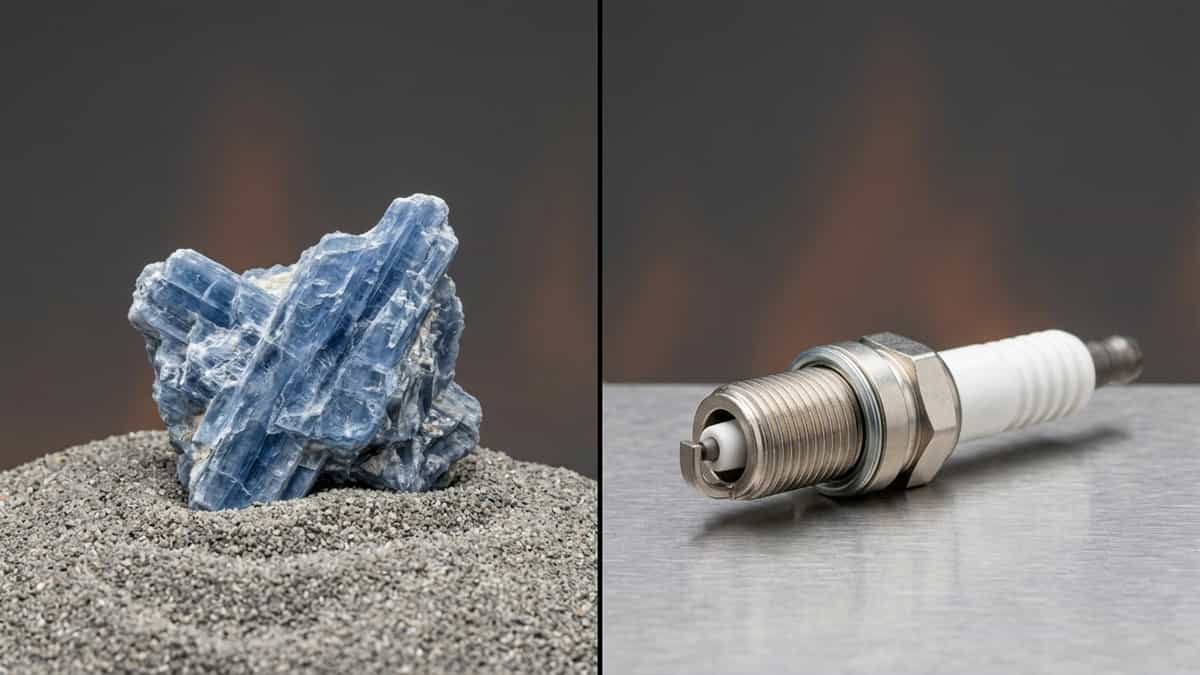
Blue kyanite crystal (natural aluminum silicate) next to a white ceramic spark plug insulator (engineered form).

Aluminum silicate represents a family of naturally occurring minerals – andalusite, kyanite, and sillimanite – all sharing the same chemical formula but differing in crystal structure due to formation under different pressures and temperatures. Industrially, it is valued for its extreme refractoriness (heat resistance) and is used in spark plugs, kiln linings, and catalyst supports. … Read more

Aluminum Phosphate (AlPO₄): The Complete Guide

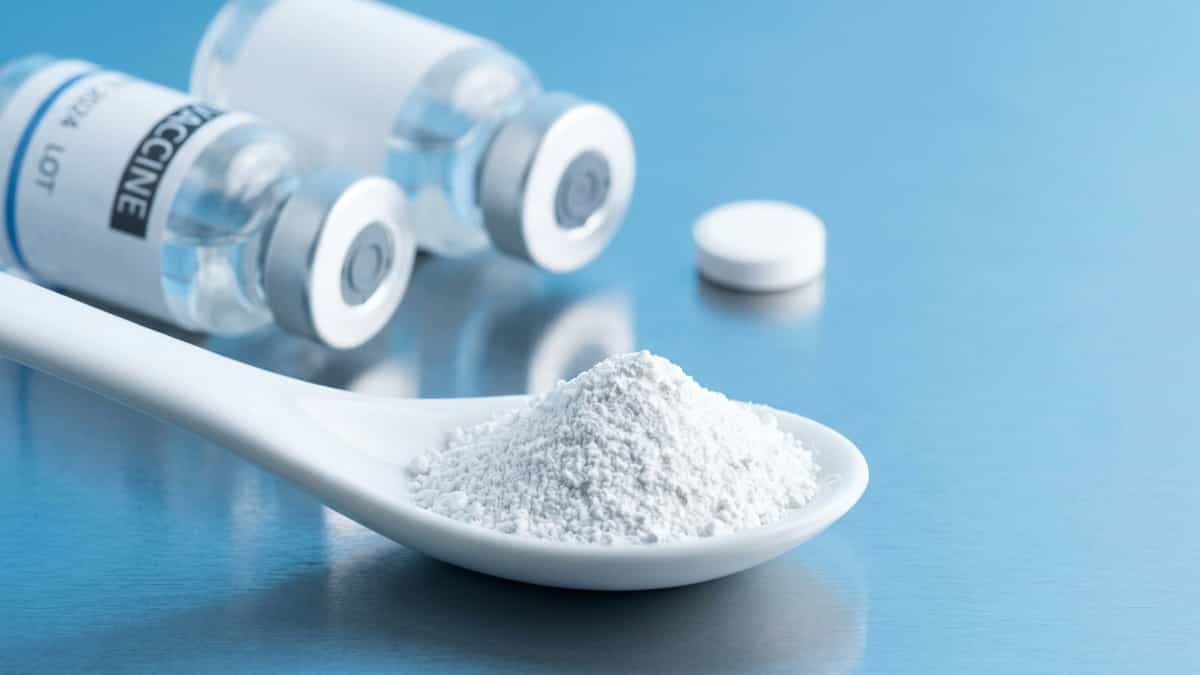
White aluminum phosphate powder in a ceramic spoon next to vaccine vials and an antacid tablet on a blue medical surface.

Aluminum phosphate is a highly stable, insoluble inorganic compound with significant applications in medical pharmacology and industrial chemistry. It appears as a white, dense powder with a structure similar to quartz. Its stability and biological inertness make it valuable in antacid therapies, vaccine adjuvants, and high‑strength binders. 1. Basic Identification 2. Physical Properties Property Aluminum … Read more

Aluminum Oxide (Al₂O₃): The Complete Guide

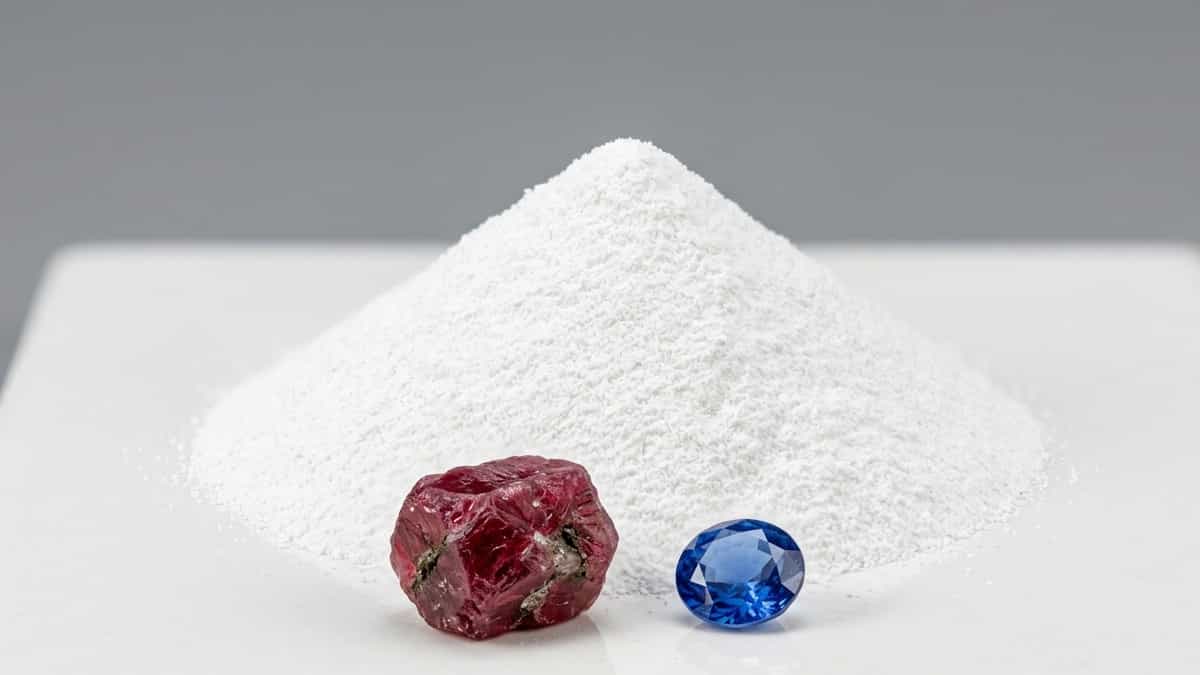
White aluminum oxide powder with a rough red ruby crystal and a blue sapphire crystal, showing the corundum forms of alumina.

Aluminum oxide, commonly called alumina, is the most abundant and industrially important aluminum compound. It occurs naturally as the mineral corundum (which forms rubies and sapphires when colored by impurities). Industrially, it is produced as a white powder used primarily for aluminum metal production, as a high‑hardness abrasive, and as a base for technical ceramics … Read more

Lithium Aluminum Hydride (LiAlH₄): The Complete Guide

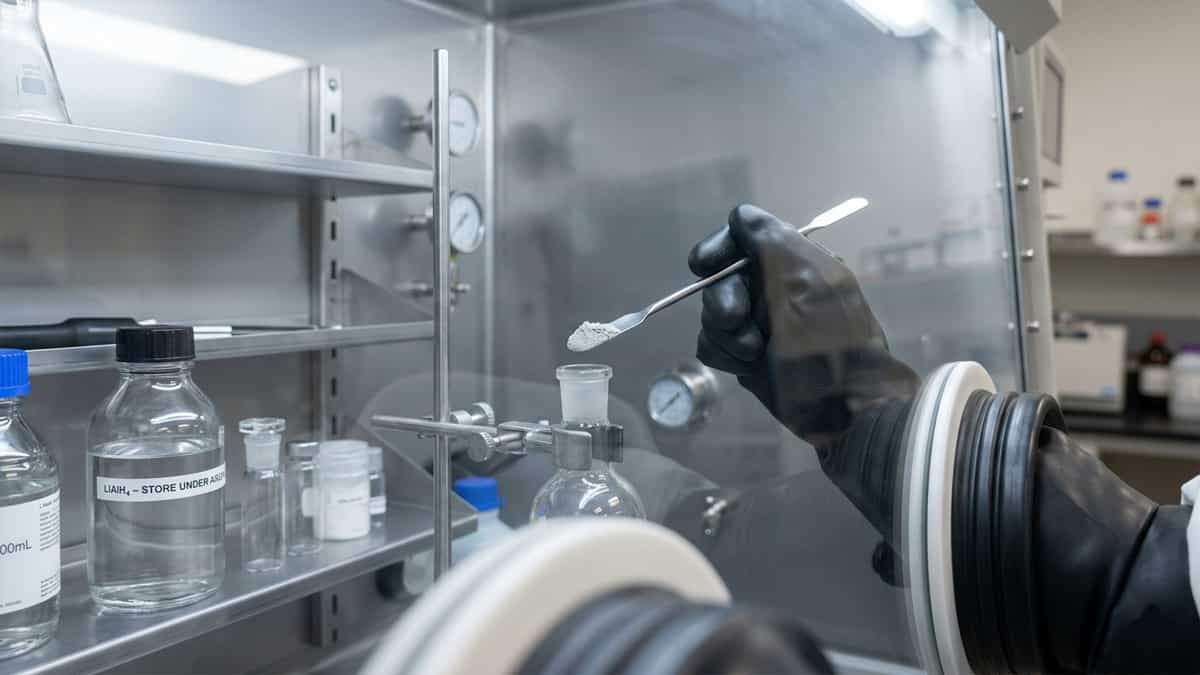
Gray lithium aluminum hydride powder on a spatula inside an argon‑purged glovebox, with neoprene gloves and a labeled reagent bottle.

Lithium aluminum hydride, commonly abbreviated as LAH, is a complex ionic salt (Li⁺ AlH₄⁻) and one of the most powerful reducing agents used in organic chemistry. It appears as a white to gray microcrystalline powder. Due to its extreme reactivity with water and air, LAH must be handled under strictly inert conditions to prevent fires … Read more

Aluminum Tungstate (Al₂(WO₄)₃): The Complete Guide

Macro photograph of white aluminum tungstate powder next to a thermal expansion graph showing negative coefficient (shrinking when heated).

Aluminum tungstate is an inorganic mixed oxide with the formula Al₂(WO₄)₃. It appears as a dense white powder, is insoluble in water, and is valued almost exclusively in materials science research for a rare property: isotropic negative thermal expansion (NTE) – it shrinks uniformly in all directions when heated, opposite to most materials. 1. Basic … Read more

Aluminium Molybdate (Al₂(MoO₄)₃): The Complete Guide

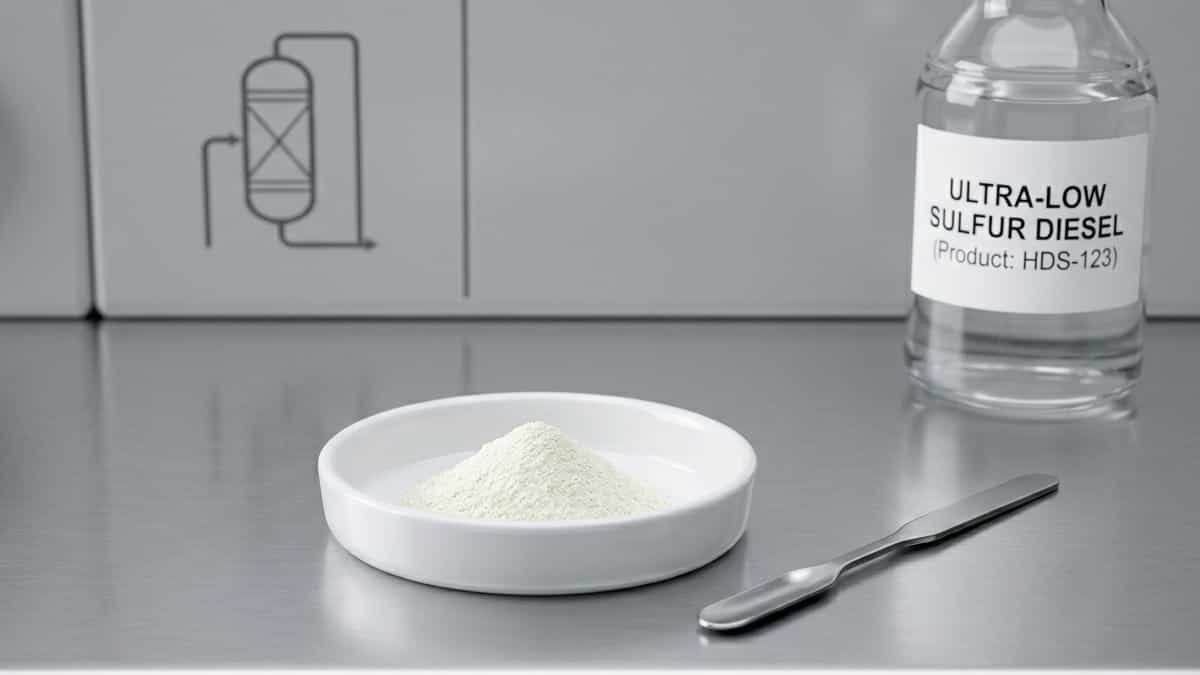
Macro photograph of pale white aluminum molybdate powder in a laboratory dish, representing hydrodesulfurization catalyst precursor for clean diesel production.

Aluminium molybdate is an inorganic mixed oxide used primarily as a catalyst precursor in hydrodesulfurization (HDS) – the industrial process that removes sulfur from crude oil fractions to produce clean diesel. It appears as a pale white to slightly yellow powder, is insoluble in water, and exhibits high thermal stability. Its value lies in its … Read more

Aluminium Lactate (C₉H₁₅AlO₉): The Complete Guide

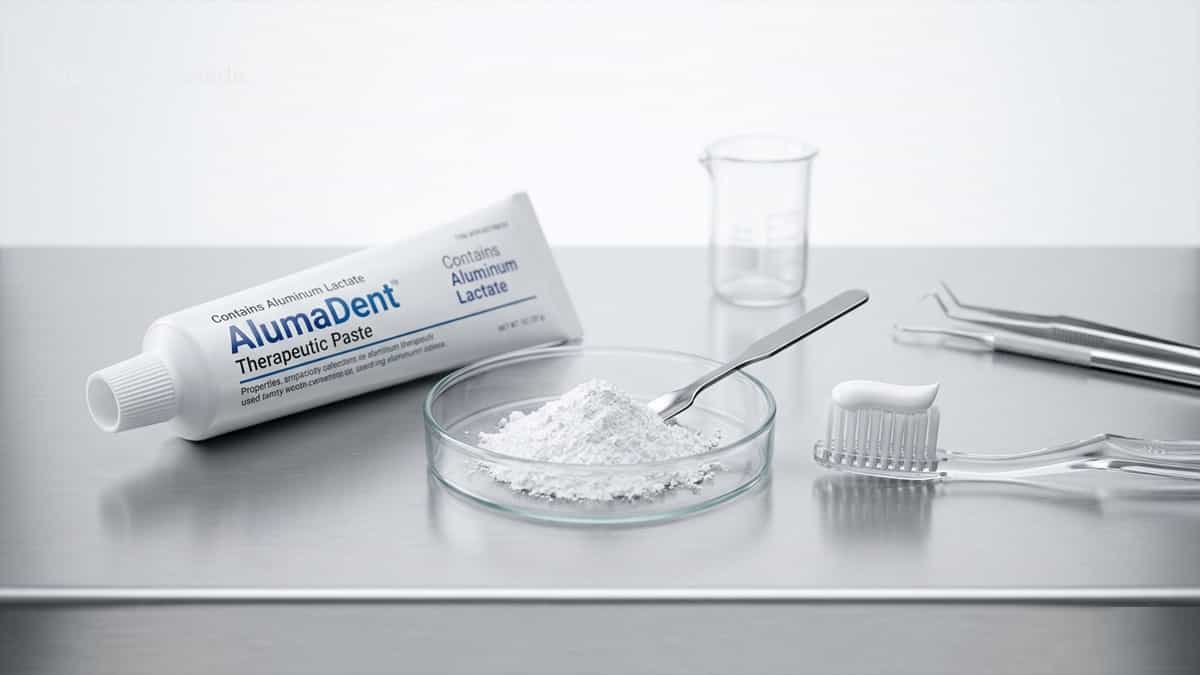
Clinical still life of aluminum lactate powder in a petri dish next to a sensitive‑teeth toothpaste tube and toothbrush.

Aluminium lactate is a mild, organic salt formed from metallic aluminium and lactic acid. It appears as a white, water‑soluble powder and is valued for its low skin irritation compared to traditional aluminium salts. Its primary applications are in sensitive‑teeth toothpastes, deodorants for hypersensitive skin, and professional mouthwashes. 1. Basic Identification 2. Physical Properties Property … Read more

Aluminium Iodide (AlI₃): The Complete Guide

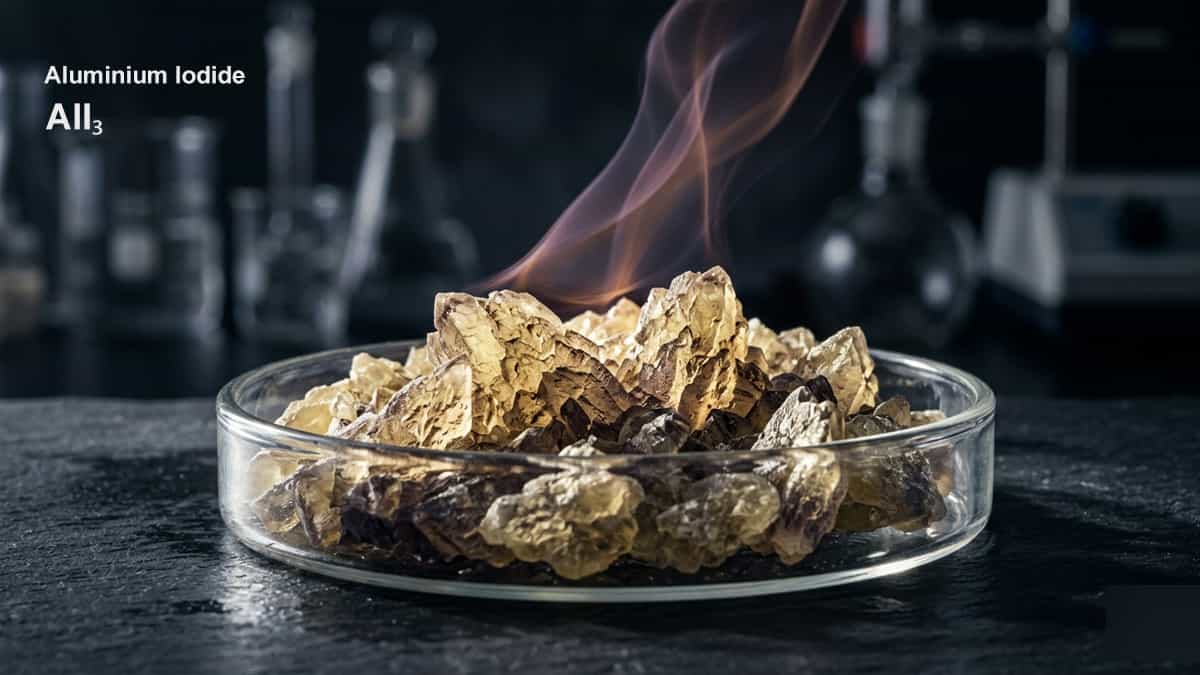
High definition macro photograph highlighting the yellow-brown facets of aluminum iodide crystals.

Aluminium iodide is a highly reactive chemical compound comprising aluminium and iodine. Appearing as a white to pale yellow‑brown crystalline powder, it is characterized by its powerful electron‑accepting nature. Much like aluminium chloride and bromide, it is a strong Lewis acid. While its commercial use is vastly eclipsed by other halides, it holds a highly … Read more

Aluminum Hydride (AlH₃): The Complete Guide

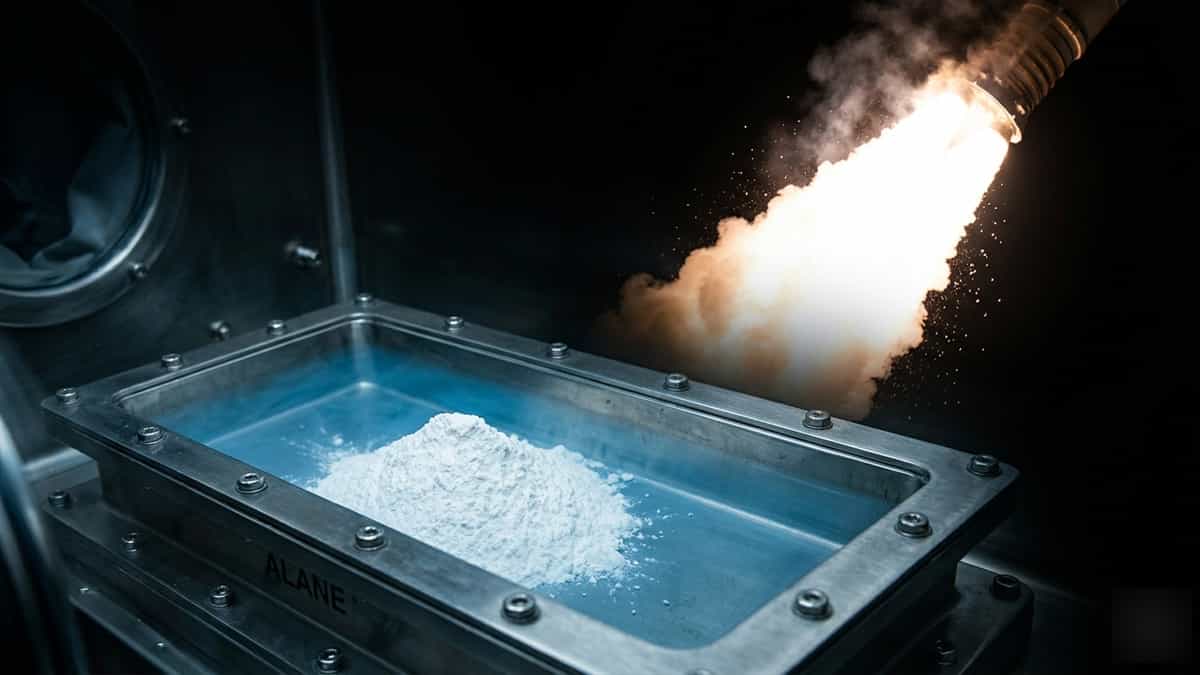
High-resolution photography showing white aluminum hydride powder in a steel container against a background of a rocket engine firing.

Aluminum hydride, frequently referenced in the literature as “alane,” is an exotic, highly reactive, and intensely energetic solid polymer. Distinctly separating itself from the oxygen-heavy ceramics and chlorine-rich halides, it relies on directly bonding aluminium to raw hydrogen. Appearing as a white, easily degradable powder, its colossal energy density makes it a highly sought-after but … Read more

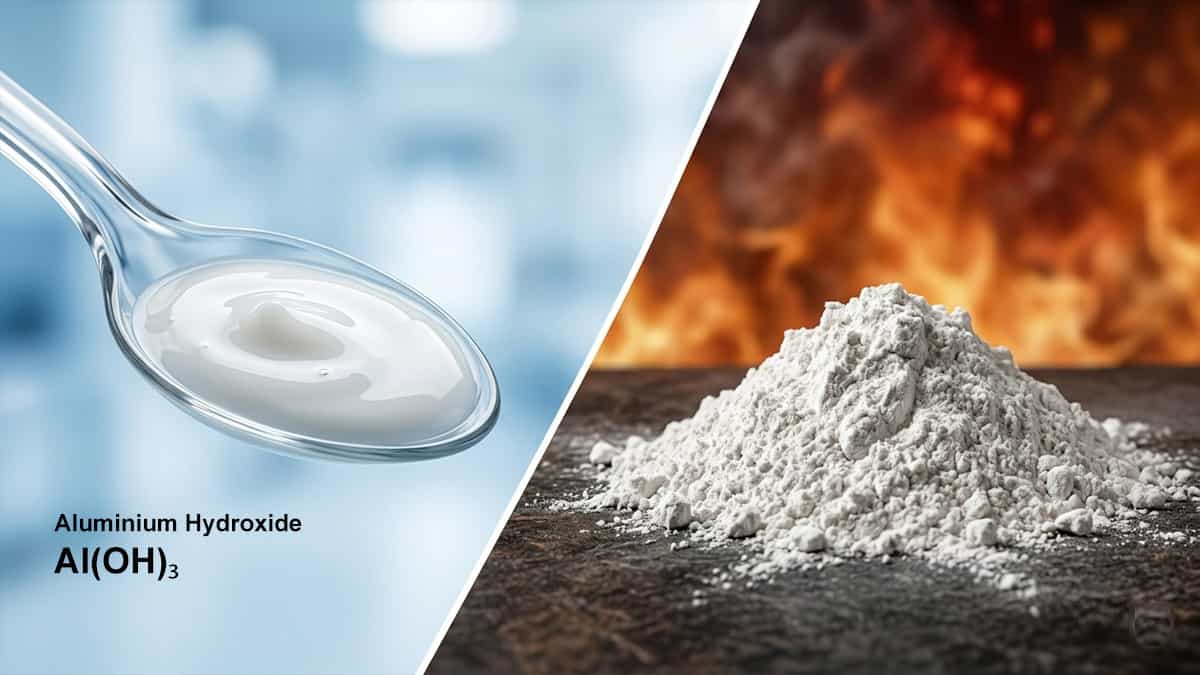
Aluminium Hydroxide (Al(OH)₃): The Complete Guide

High definition split-image showing milky liquid aluminum hydroxide medication next to dry white flame retardant powder.

Aluminium hydroxide stands as one of the single most widely manufactured and biologically integrated aluminium compounds on the planet. Naturally abundant as the mineral gibbsite, it serves as the critical intermediate step in purifying alumina for metal production. Away from massive industrial smelters, it acts directly as the world’s most popular over-the-counter heartburn medicine, a … Read more

Aluminium Fluoride (AlF₃): The Complete Guide

High-resolution macro shot of stable white aluminum fluoride powder resting in a ceramic laboratory crucible.

Aluminium fluoride is a stable, inorganic compound distinguished from other aluminium halides by its distinct ionic crystal structure and immense thermal stability. Appearing as a colorless to white crystalline solid, it does not fume in air nor behave as a potent Lewis acid like its chloride and bromide counterparts. Instead, its supreme utility lies in … Read more