Knowledge - Aluminium Magazine

How Rare Earth-Free Magnets and Motors Are Rewriting the EV & Green Tech Supply Chain

Futuristic electric motor rotor glowing with blue light, next to a pile of dark abundant material powder and a green plant under a bell jar, with scientists in the background, symbolizing innovation in rare earth-free motors and sustainable EV technology.

The rapid electrification of transport and energy has thrust rare earth minerals like Neodymium and Dysprosium into the geopolitical spotlight. While nations scramble to diversify their rare earth mining and processing capabilities, a parallel and equally vital revolution is underway: the aggressive pursuit of rare earth-free magnet technologies and entirely magnet-free motor designs. This quest … Read more

Neodymium & Dysprosium Price Volatility and US Supply Chain Response : Rare Earth Market Turmoil

Editorial illustration of Neodymium and Dysprosium symbolizing rare earth market turmoil between China and the U.S.

The global transition to green energy and advanced defense systems has put two rare earth elements—Neodymium (Nd) and Dysprosium (Dy)—at the center of a high-stakes geopolitical and economic drama. These metals are the fundamental components of the permanent magnets that drive electric vehicles (EVs) and wind turbines. Their price volatility and the complex challenge of … Read more

Rare Earth Minerals and Why China Controls the World’s Supply

Global map showing digital connections radiating from rare earth minerals, representing China's control over the critical mineral supply chain for EVs and technology.

In the lexicon of modern technology and industry, few terms are as simultaneously critical and obscure as “Rare Earth Mineralsđź’Ž.” These elements are the unsung heroes of our digital, green, and connected age. From the smartphone in your hand to the electric vehicle in the showroom and the advanced defense systems protecting nations, rare earths … Read more

Aluminium Industry Beginner’s Guide: Everything Students & Job Seekers Need to Know

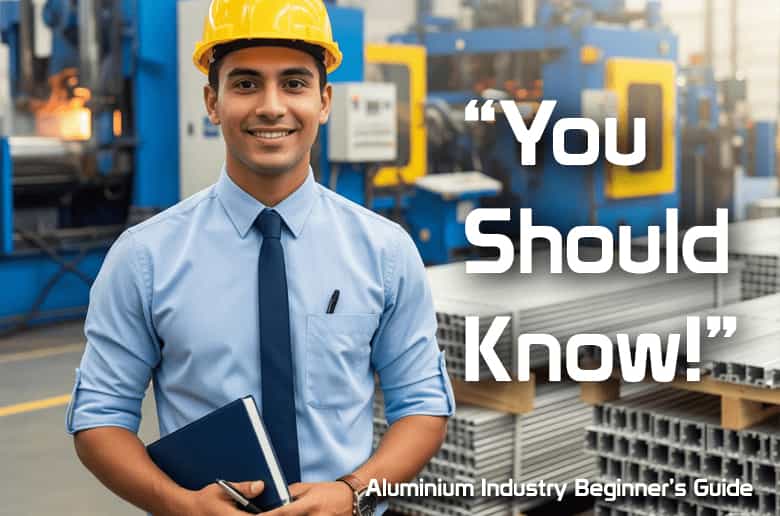
Young engineer in aluminium factory – Aluminium Industry Beginner’s Guide for students and job seekers

Are you a student, fresher, or job seeker interested in the aluminium industry but don’t know where to start? Don’t worry — you are not alone. Many graduates apply for jobs in aluminium companies without knowing the basics of aluminium, its uses, and industry trends. Because of this, they fail in interviews. This guide is … Read more

Aluminium Vs. uPVC for Doors & Windows – Which One is Better & Why?

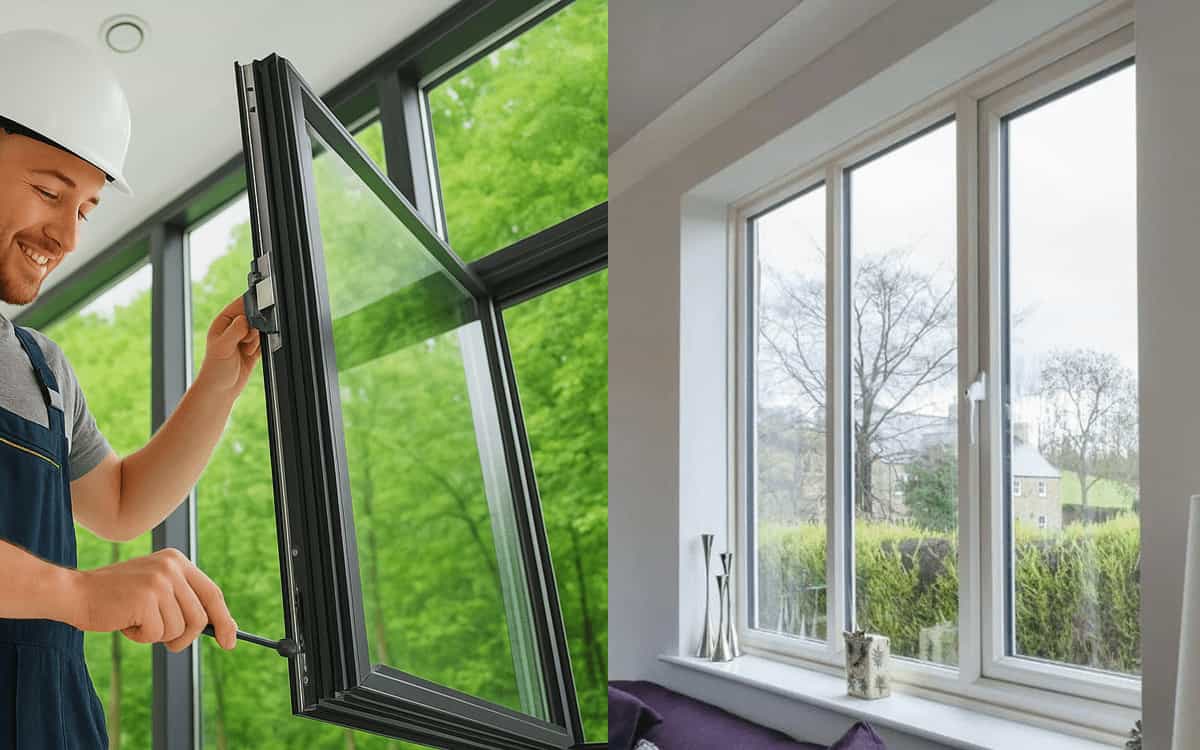
Aluminium Windows Vs. uPVC Windows

Enough of Confusion – Let’s Get Real You’ve seen 100 blogs say “aluminium vs uPVC“, but which aluminium? Not every metal with a shiny face is door-worthy. Comparing aerospace-grade Aluminium 7075 to window-grade uPVC? That’s like comparing a fighter jet to your living room fan. So let’s stop the confusion. This comparison is between Aluminium … Read more

Perfluorooctanoic Acid – PFOA-free

Perfluorooctanoic acid (PFOA) Structure

The term “PFOA-free” indicates the absence of perfluorooctanoic acid (PFOA) in the manufacturing process of a product, particularly in the context of non-stick coatings on cookware. PFOA is a synthetic chemical that was historically used in the production of polytetrafluoroethylene (PTFE), the key component in some nonstick coatings. PFOA has raised environmental and health concerns, … Read more

Kelvin (K) Value in Windows: What It Means (and What It Doesn’t)

Woman opening beige curtains near glass window with natural sunlight showing light temperature in modern home

When you’re selecting high‑performance doors and windows, you’ll often come across the term Kelvin (K) . But there’s a common misunderstanding: Kelvin is frequently mistaken for a measure of thermal performance. In reality, it serves a completely different purpose. Let’s clear up the confusion—and then focus on the numbers that actually matter for energy efficiency, … Read more

Aluminium Oxide, Chloride, Sulfate/Sulphate, and Other Chemical Formulas

Aluminium Chemical Formulas

Aluminium Chemical Formula: Aluminium is an element in the periodic table with the symbol Al and atomic number 13. Its chemical formula is simply “Al“. Aluminium Chloride Formula: The chemical formula for aluminium chloride is AlCl3. Aluminium Sulphate Formula: The chemical formula for aluminium sulphate is Al2(SO4)3.Ads Aluminium Oxide Formula: The chemical formula for aluminium … Read more

Mastering Window Sealing: Boost Energy Efficiency and Prevent Damage

A professional applying a continuous bead of white silicone sealant to the edge of an aluminum window frame to prevent air leaks and water damage.

Windows are more than just views; they are critical to your building’s thermal performance. Properly sealing or caulking your windows is one of the most cost-effective ways to lower energy bills and protect your property from structural deterioration. Why Window Sealing is Non-Negotiable Unsealed windows are a primary cause of air leaks in a home. … Read more

Water Tightness Classes for Doors and Windows

Technical illustration of a water-tight aluminum window, showing a cross-section with sealing gaskets and drainage to prevent water leakage.

What is Water Tightness? Water tightness is a measure of a window or door’s ability to prevent water penetration when subjected to specific levels of wind-driven rain. It’s not about submerging the product in water; it’s about its performance under simulated storm conditions. This performance is closely related to another key metric: wind resistance class. … Read more

Understanding Air Permeability Class for Energy-Efficient Aluminium Doors & Windows

An infographic comparing two scenarios: a cold person shivering next to a leaky window with visible air drafts, contrasted with a cozy person holding a warm mug next to a modern, airtight window with no drafts.

In the pursuit of building smarter, more sustainable homes and commercial spaces, every detail counts. While features like double glazing and thermal breaks often steal the spotlight, the air permeability class of your doors and windows is a silent yet critical factor determining your building’s energy efficiency, comfort, and long-term cost savings. This article demystifies … Read more

Wind Resistance Class in Doors and Windows

High-quality image of a modern aluminum window and frame during a storm, illustrating strong wind resistance and durability.

Don’t Let the Wind Rattle You: Understanding Wind Resistance Class in Aluminium Doors & Windows When choosing new aluminium doors and windows, it’s easy to focus on style, colour, or price. But a crucial, often overlooked factor that directly affects performance is how your aluminium casement windows handle wind pressure—and even on sliding windows too. … Read more

Thermal Insulation for Doors & Windows: Ultimate Guide

Energy Efficient Doors Windows Image

What is Thermal Insulation in Relation to Doors and Windows?  Thermal insulation plays a crucial role in maintaining a comfortable and energy-efficient environment within buildings. When it comes to doors and windows, thermal insulation refers to their ability to prevent the transfer of heat between the interior and exterior spaces of a structure. This article … Read more

Good Climate for Anodized Aluminium

World map showing best climates for anodized aluminium in different countries and regions

Anodized aluminium is widely used in windows, facades, and architectural structures due to its durable, corrosion-resistant, and low-maintenance finish. But bhai, not every climate is equally kind to metals—even the mighty anodized ones. To make a smart material choice, let’s break down where anodized aluminium performs best based on climate conditions across key countries and … Read more

Wood Inside, Aluminium Outside: Is Alu-Wood the Perfect Window Material?

aluminium clad timber window with wooden interior and aluminium handle

Aluminium-clad timber, commonly referred to as Alu-Wood, is a premium hybrid fenestration system that masterfully blends the timeless warmth of natural wood with the rugged durability of aluminium. It is a thoughtfully engineered solution for homeowners and architects who refuse to compromise between traditional aesthetics and modern performance. If you are drawn to the natural … Read more

Wood Without the Worries: How Aluminium is Changing Design Forever

Double glazed aluminium casement window profile with powder coated wood effect finish.

Aluminium is emerging as a surprisingly versatile and sustainable substitute for traditional wood in a wide range of modern design and construction projects. If you’re seeking the warm, natural aesthetics of wood texture but desire the advanced performance of metal, wood-effect aluminium is your answer. Imagine doors, windows, kitchen cabinets, almirahs, and even entire building … Read more

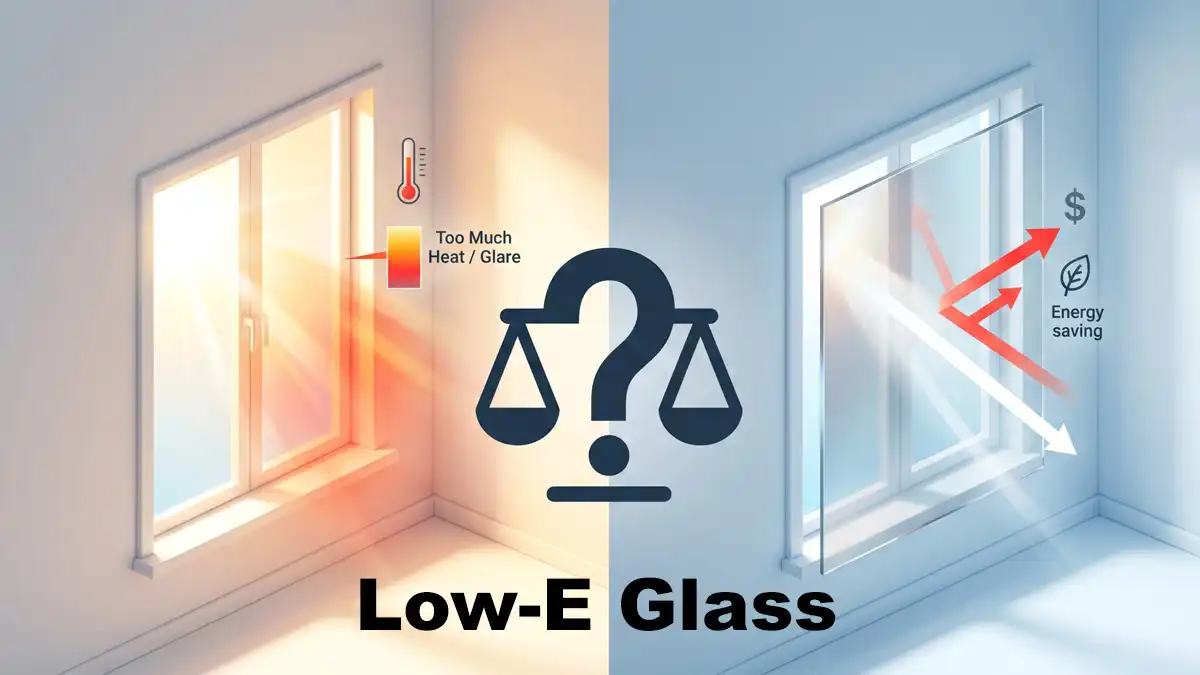
Think Twice Before Choosing Low-E Glass — Pros & Cons Every Buyer Must Know

Low-E glass in an aluminium window frame reflects thermal heat for superior energy efficiency.

Energy bills going up and still not getting enough comfort at home? That’s where Low-E Glass steps in. Often called the secret weapon of energy-efficient windows, it’s changing how modern buildings save power. What is Low-E Glass? Emissivity is a material’s ability to radiate energy. Standard glass has a relatively high emissivity, meaning it easily … Read more

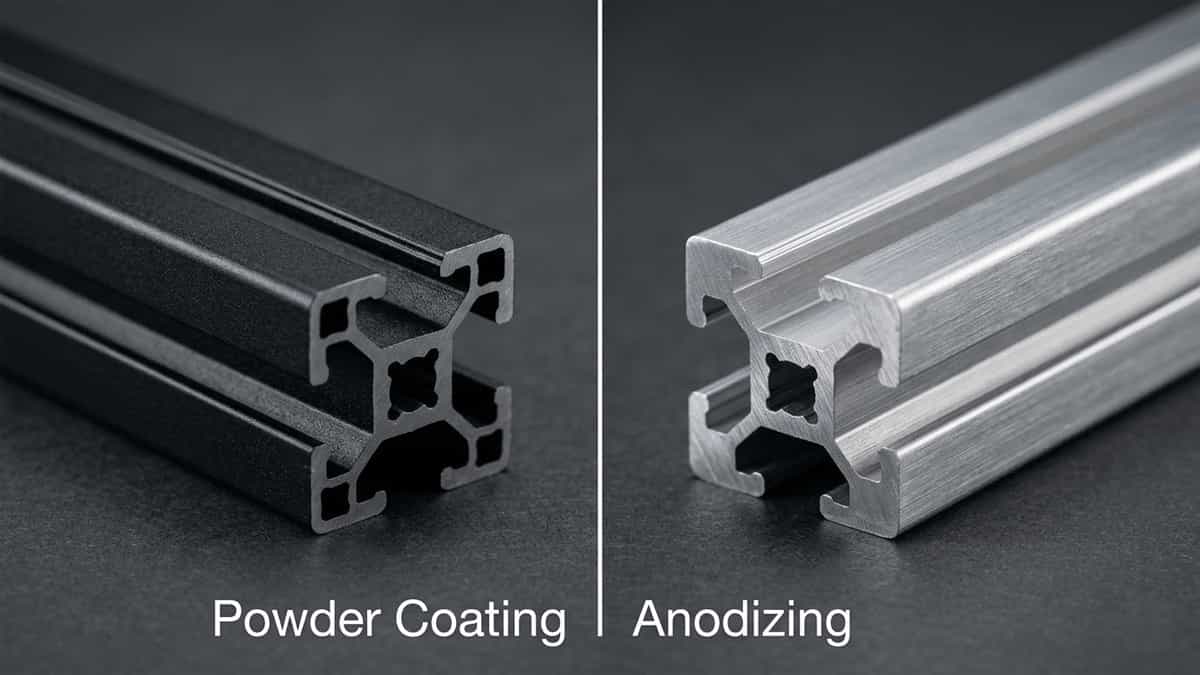
Powder Coating Vs. Anodizing

Powder coating vs anodizing finish comparison on aluminium extrusion profile

Dive into the realm of Powder Coating Vs. Anodizing. Uncover the distinctions between these metal finishes, exploring processes, applications, and important differences in this informative article. Powder coating Powder coating is a type of coating that is applied as a free-flowing, dry powder. The main difference between a conventional liquid paint and a powder coating … Read more