Aluminium Compounds List, Properties & Uses

Aluminum Chlorohydrate (Al₂(OH)₅Cl): The Complete Guide
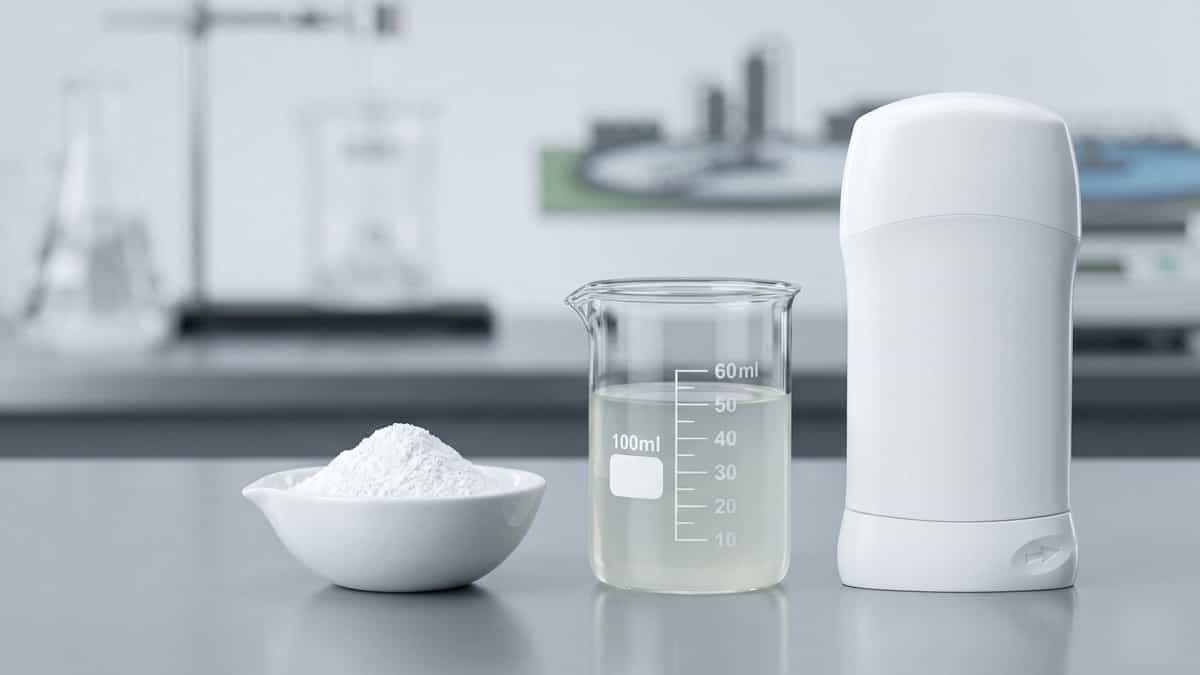
White aluminum chlorohydrate powder in a dish, a beaker of solution, and an antiperspirant stick on a laboratory bench.

Aluminum chlorohydrate, often abbreviated as ACH, is a water-soluble, polymeric aluminum species that sits comfortably between the violent reactivity of anhydrous aluminum chloride and the benign inertness of aluminum hydroxide. It appears as a white to off-white powder or a clear to pale yellow solution. Unlike its anhydrous halide cousins, ACH is deliberately designed to … Read more

Aluminium Chloride (AlCl₃): The Complete Guide

High-resolution macro shot of white anhydrous aluminum chloride powder emitting thick hydrogen chloride fumes on a laboratory surface.

Aluminium chloride, also known as aluminium trichloride, is a powerful Lewis acid and an essential industrial chemical. It appears as a white to pale yellow solid that fumes vigorously in moist air. Its primary application lies in its role as a master catalyst in organic chemistry, specifically for Friedel-Crafts alkylation and acylation. Due to its … Read more

Aluminium Chlorate (Al(ClO₃)₃): The Complete Guide

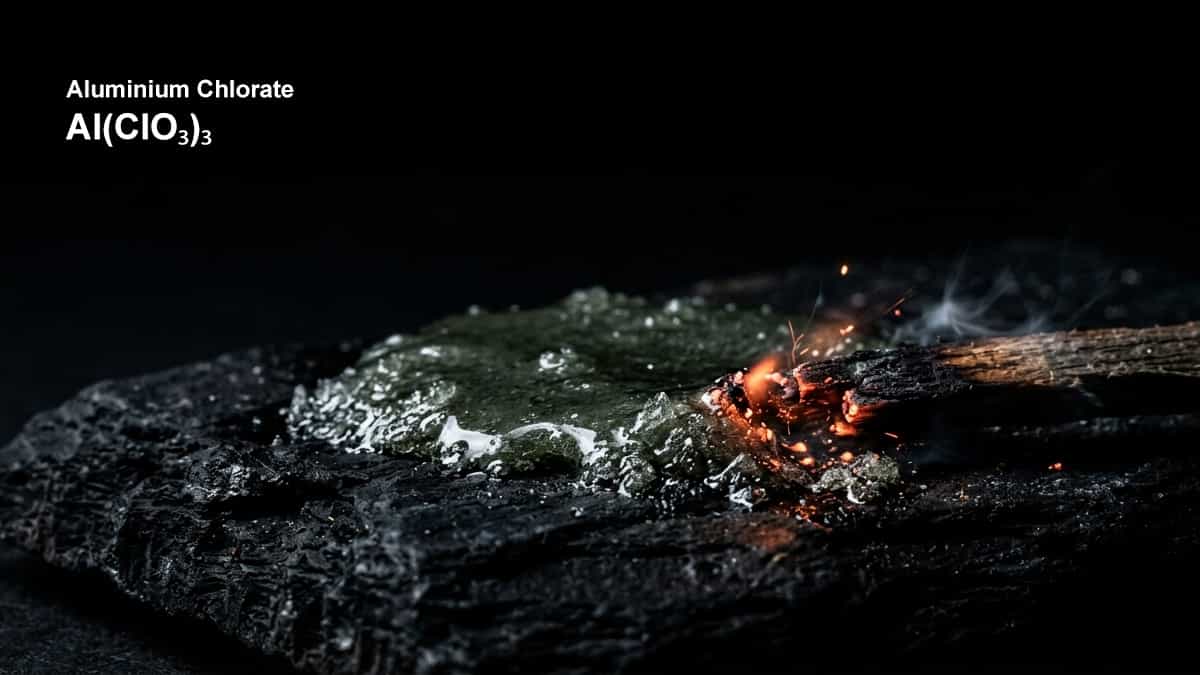
A moody, extreme macro photograph showing wet aluminum chlorate crystals igniting a wooden splinter on a dark surface.

Aluminium chlorate is a highly obscure, unstable, and intensely powerful oxidizing agent. Combining the aluminium cation with three volatile, oxygen‑rich chlorate anions produces a compound that is simply too dangerous to store or transport easily. It typically appears as heavily hydrated, deliquescent crystals, and its only uses are tightly constrained within specialized explosives research and … Read more

Aluminium Carbonate (Al₂(CO₃)₃): The Complete Guide

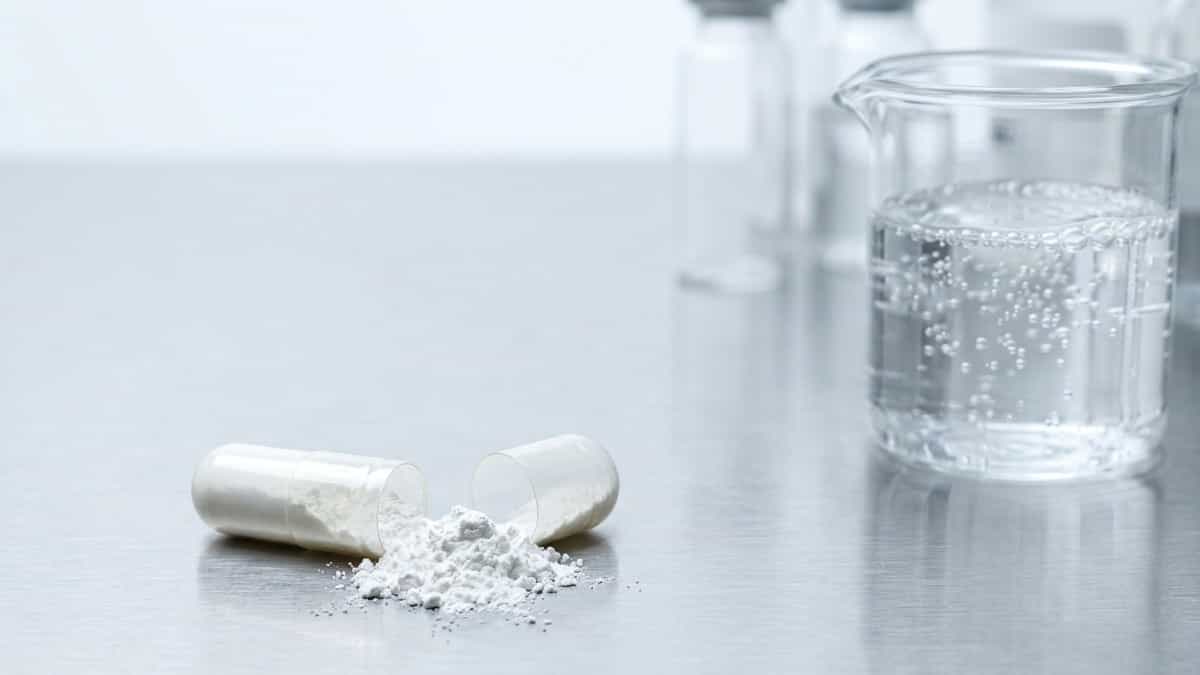
High-resolution photograph of white basic aluminum carbonate powder spilling from a pharmaceutical capsule on a clean surface.

Aluminium carbonate is a highly obscure, notoriously unstable compound within aluminum chemistry. Unlike the rugged stability of aluminium oxide or the aggressive reactivity of aluminum halides, pure aluminium carbonate practically refuses to exist at standard temperatures and pressures. When discussed industrially and medically, it is almost exclusively found in its complexed form as “basic aluminium … Read more

Aluminium Carbide (Al₄C₃): The Complete Guide

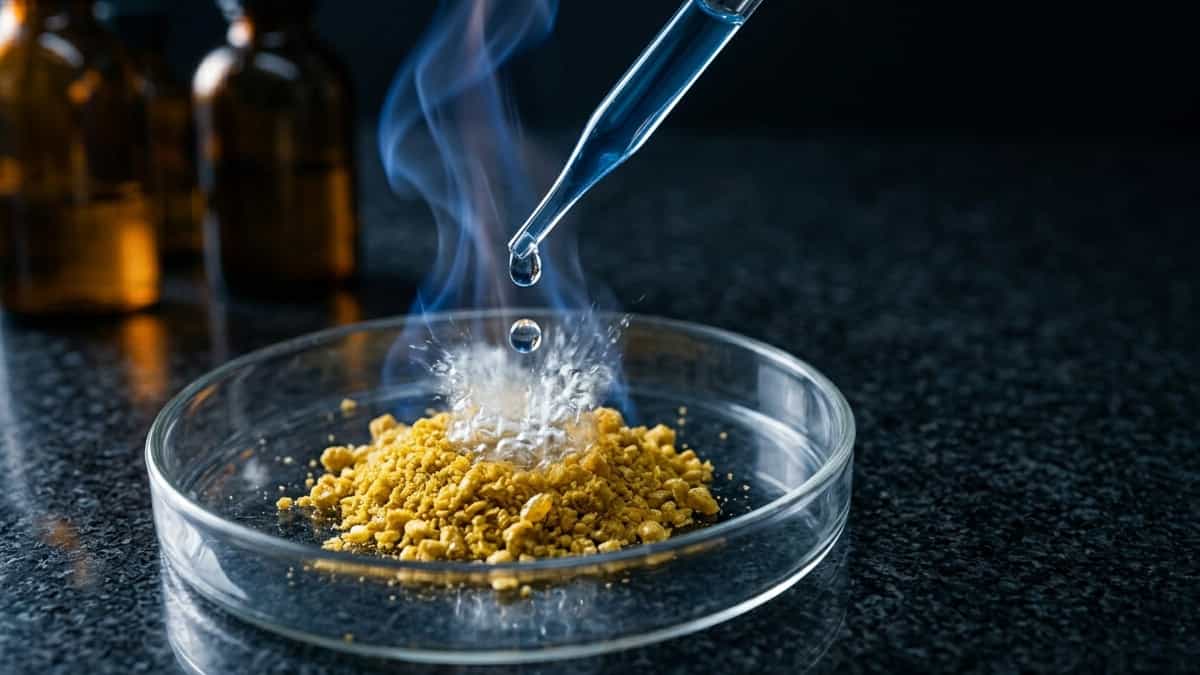
High-resolution dramatic photograph of yellow aluminum carbide powder violently combusting into blue methane flames after being touched by a water droplet.

Aluminium carbide is a fascinating, highly reactive inorganic compound defined by its extreme sensitivity to moisture. By chemically bonding aluminium directly to reactive carbon atoms, researchers have synthesized a yellow‑brown crystalline powder that bridges the gap between metal and organic hydrocarbon chemistry. Its aggressive generation of methane gas secures its status as a respected laboratory … Read more

Aluminium Bromide (AlBr₃): The Complete Guide

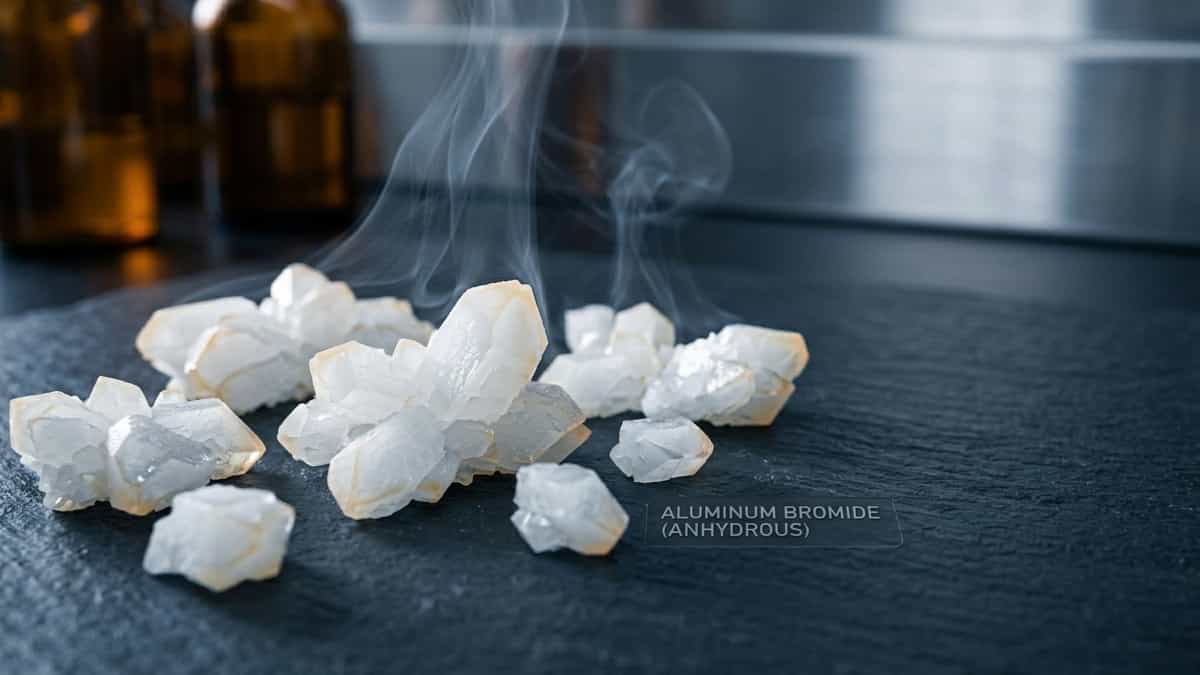
Close-up macro photograph of anhydrous aluminum bromide crystals emitting faint fumes on a dark laboratory bench.

Aluminium bromide, properly known as aluminium tribromide, is a powerful Lewis acid. It appears as a white to pale yellow crystalline solid that fumes in moist air and reacts violently with water. Its most important role is as a catalyst in organic chemistry, specifically in Friedel-Crafts reactions used to make pharmaceuticals, fragrances, and advanced polymers. … Read more

Aluminium Borate (AlBO₃): The Complete Guide

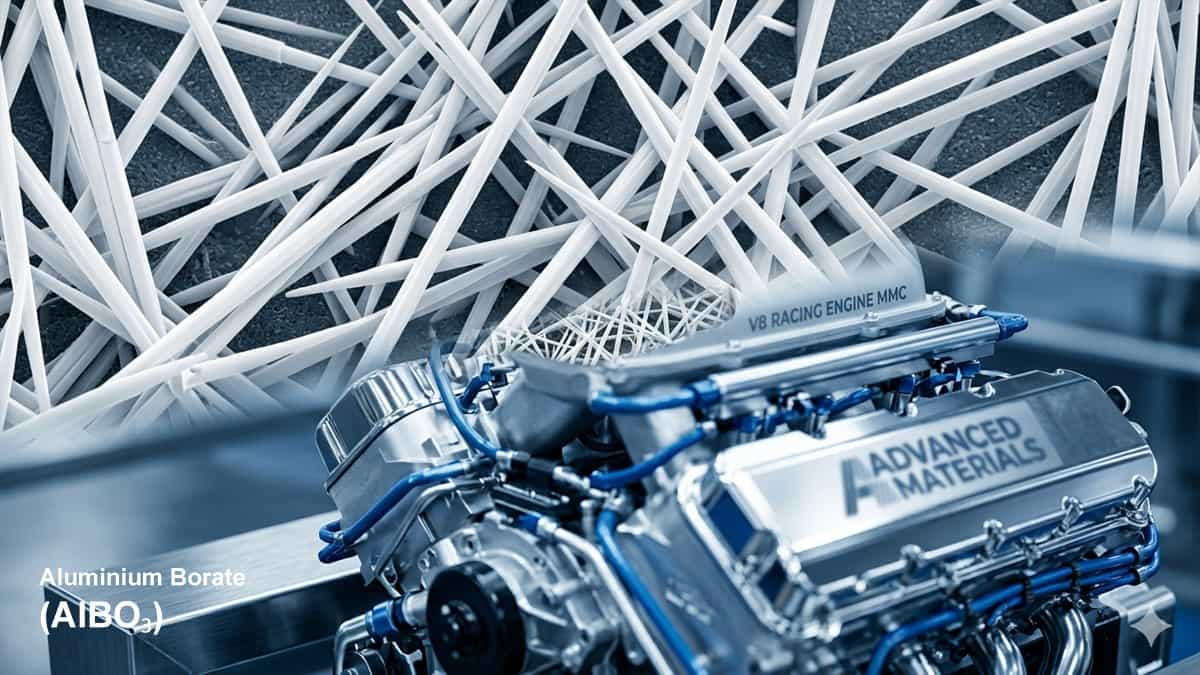
High-resolution simulation of aluminum borate whisker needles blending into an automotive engine block.

Aluminium borate is an advanced, high-performance structural ceramic compound. Rather than engaging in chaotic chemical reactions like aluminum halides, it is prized strictly for its structural integrity at a microscopic level. Synthesized primarily as microscopic “whiskers” (single-crystal fibers), it acts as an invisible, heat-resistant reinforcing skeleton when mixed into plastics, lightweight metals, and specialized glass … Read more

Aluminum Arsenide (AlAs): The Complete Guide

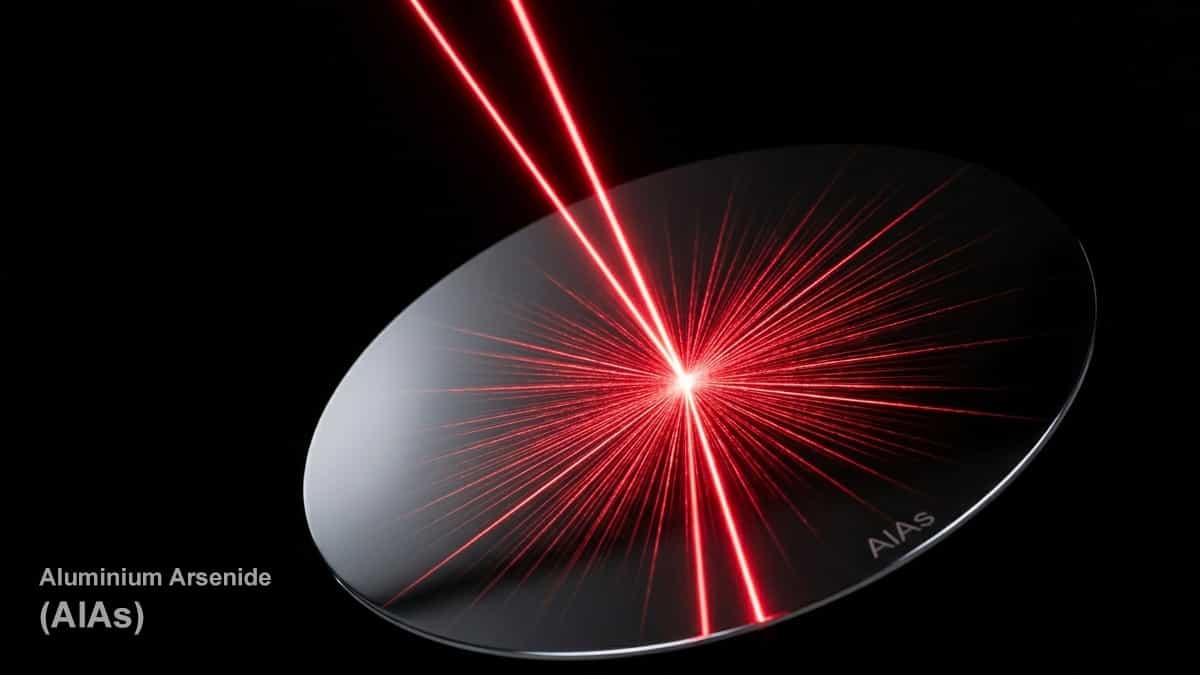
High-resolution dramatic photograph of a bright red laser beam striking a reflective aluminum arsenide wafer.

Aluminium arsenide is a powerful, highly specific wide-bandgap semiconductor. Completely segregated from traditional aluminium chemistry, it exists in the domain of elite optoelectronics alongside other group III-V semiconductors. Appearing as orange-brown cubic crystals, its primary function is structurally mirroring gallium arsenide (GaAs) lattice, allowing engineers to stack the two materials to manipulate photons in advanced … Read more

Aluminium Antimonide (AlSb): The Complete Guide

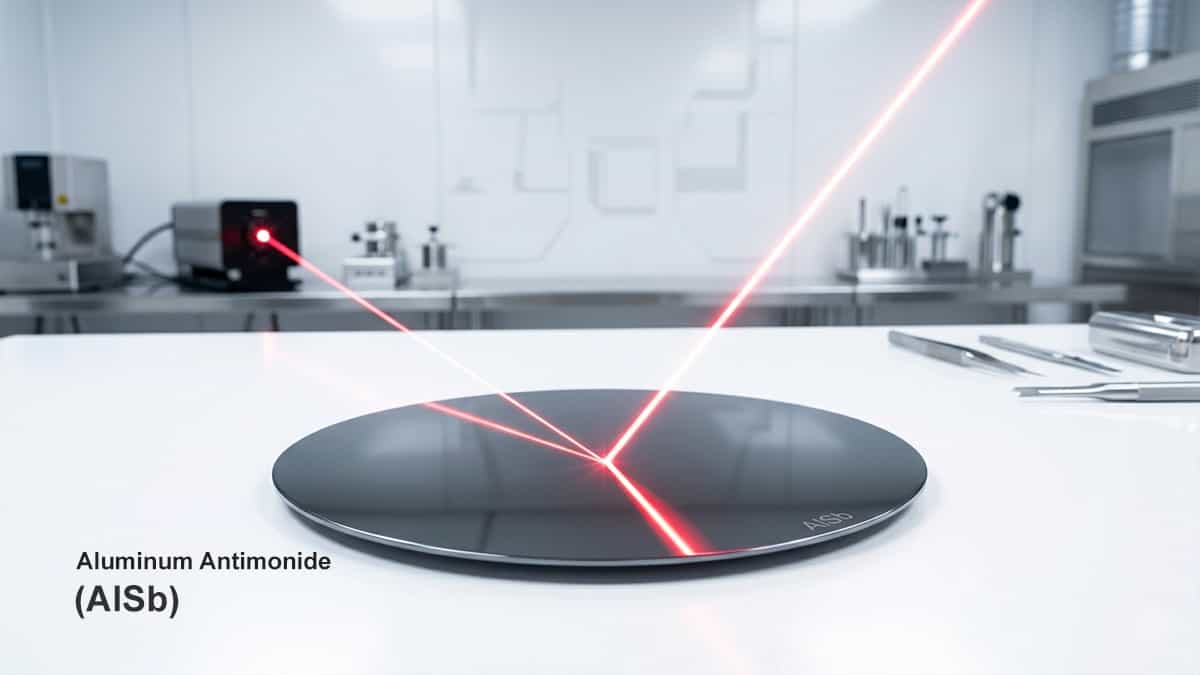
High-resolution photograph of a flawless, reflective black aluminum antimonide wafer reflecting a warm red laser.

Aluminium antimonide belongs to a highly exclusive subset of chemicals recognized as III-V group semiconductors. It exists far outside the realms of traditional metallurgy, medicine, or catalysis, instead carving its niche at the cutting edge of optoelectronics. Appearing as a dark, crystalline semi-metallic solid, its ability to guide electrons and interact precisely with infrared light … Read more

Aluminium Acetate (Al(C₂H₃O₂)₃): The Complete Guide

High-resolution lifestyle photograph showing aluminum acetate powder packets resting next to a glass medical soak bowl.

Aluminium acetate departs radically from the violently reactive, explosive chemistry of industrial aluminum halides and methyls. Instead, it occupies a distinct, deeply historical niche as an incredibly safe, water-soluble organic-metal salt. Emerging as a white powder when isolated, it is far more commonly encountered strictly as a dilute aqueous solution. Characterized by aggressive astringent actions … Read more