AM Editors Team

Aluminium 5086 (Aluminum 5086): The Weldable Marine Alloy for Demanding Environments

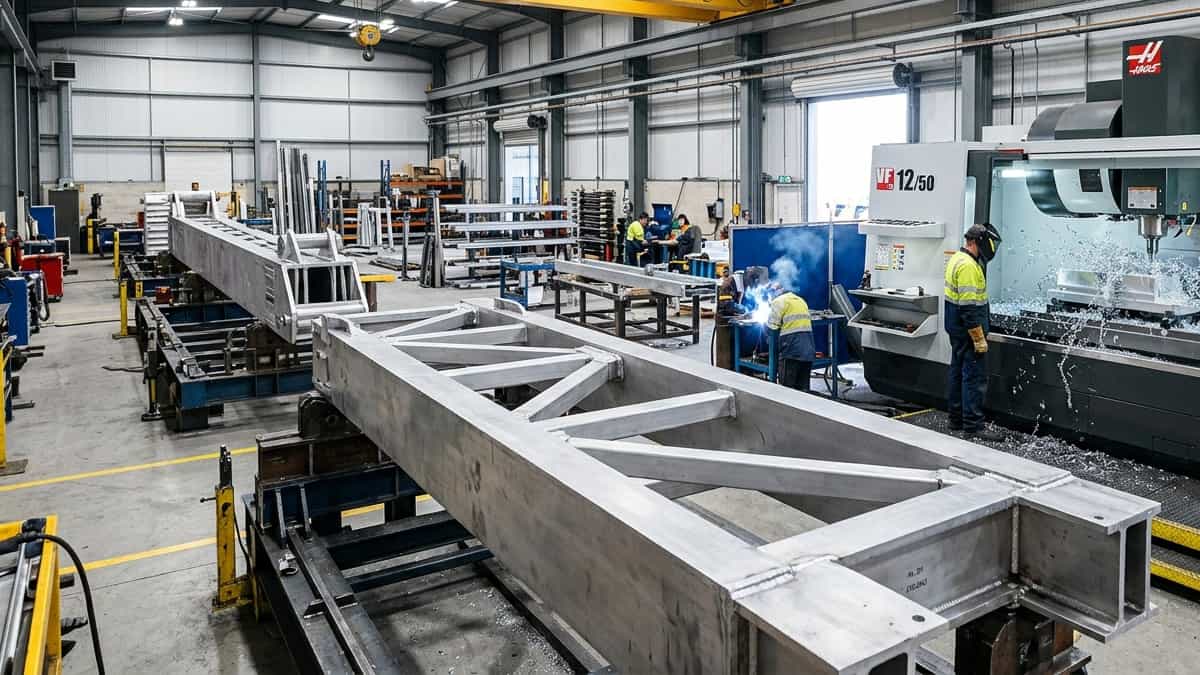
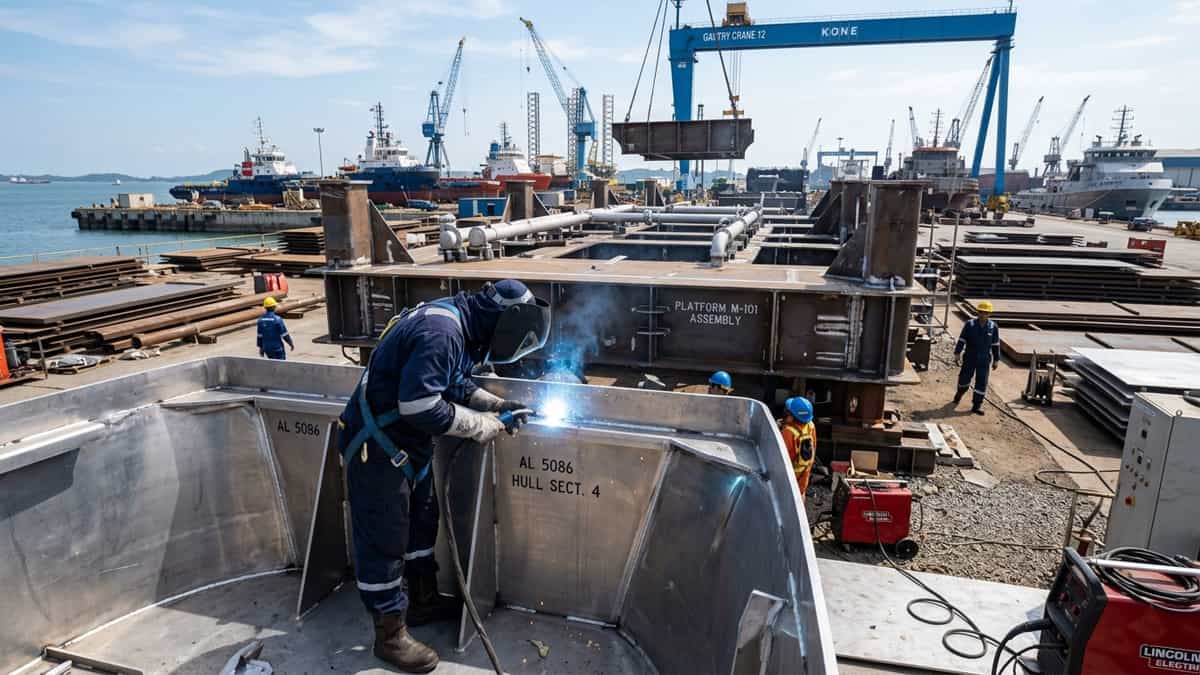
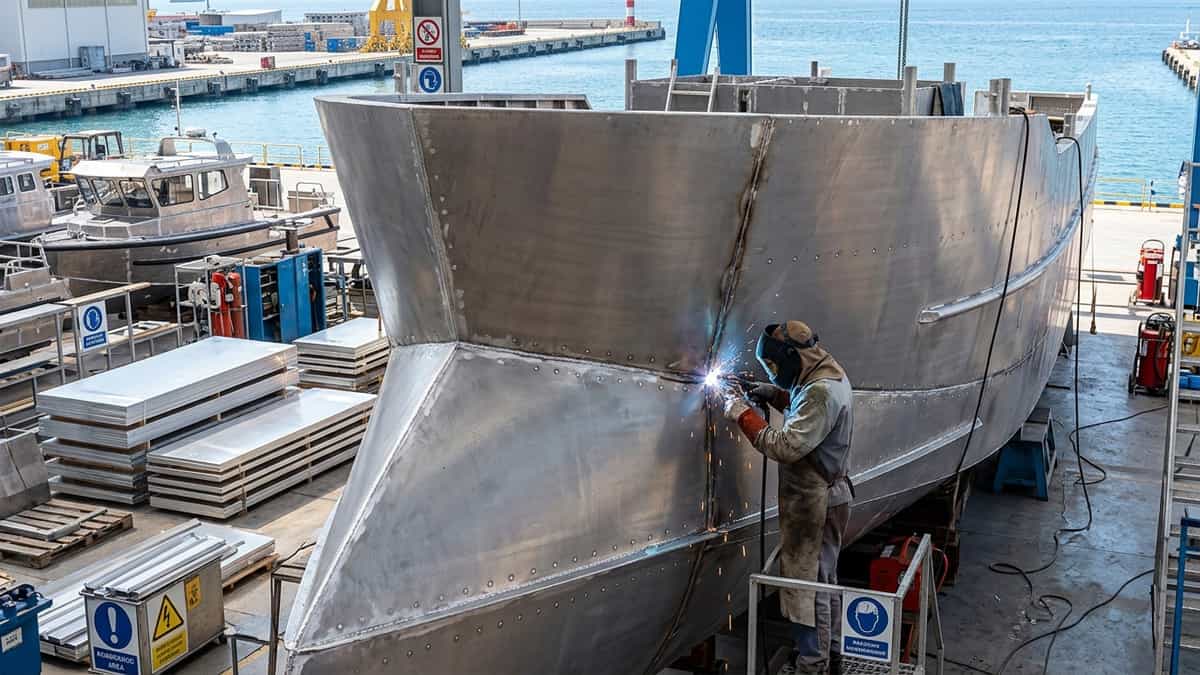
Aluminium 5086 alloy boat hull and offshore platform components under construction in a modern shipyard

Aluminium 5086 – also known as Aluminum 5086 – is a non‑heat treatable aluminium‑magnesium alloy that occupies the sweet spot of the 5000 series. With a magnesium content of 3.5–4.5%, 5086 aluminium offers an exceptional balance of seawater corrosion resistance, weldability, and moderate‑to‑high strength. It is the material of choice for boat and yacht hulls, … Read more

Aluminium 5083 (Aluminum 5083): The High‑Strength Marine Alloy for Extreme Environments

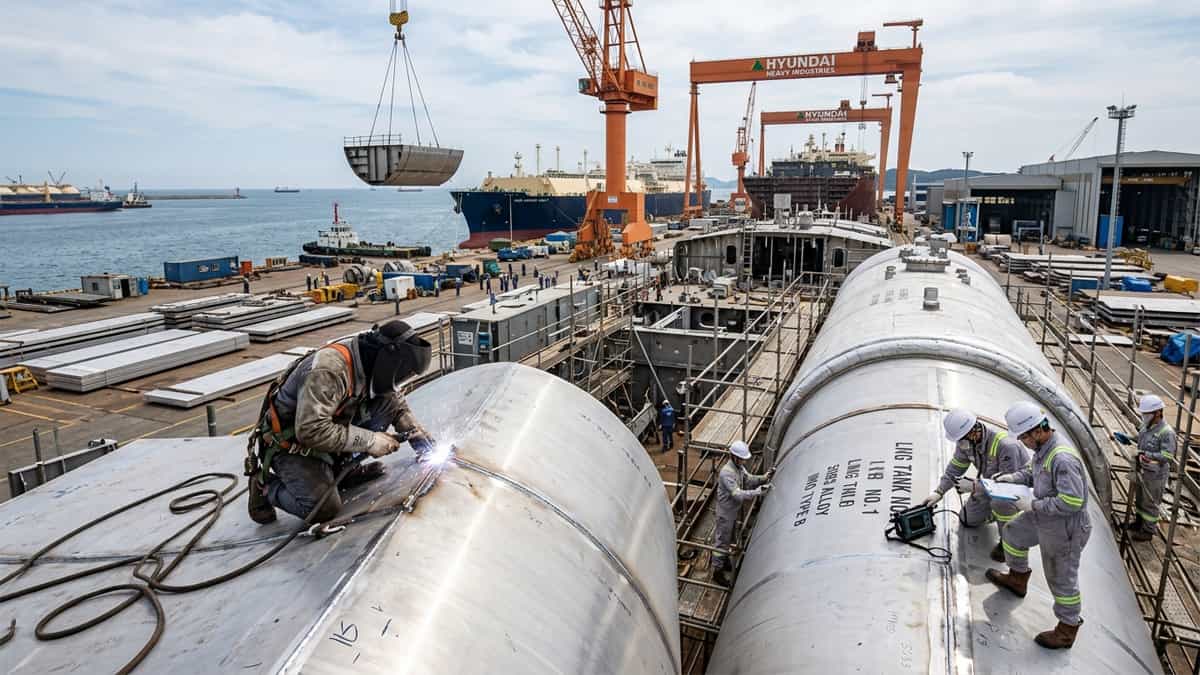
Aluminium 5083 alloy ship hull panels and LNG cryogenic tank under construction in a shipyard

Aluminium 5083 – also known as Aluminum 5083 – is a non‑heat treatable aluminium‑magnesium alloy with the highest strength among the non‑heat treatable alloys. Containing 4.0–4.9% magnesium, 5083 aluminium offers exceptional corrosion resistance, outstanding weldability, and superior performance at cryogenic temperatures. It is the material of choice for heavy‑duty marine structures, shipbuilding, pressure vessels, and … Read more

Aluminium 7068 (Aluminum 7068): The Ultimate Strength Aluminum Alloy

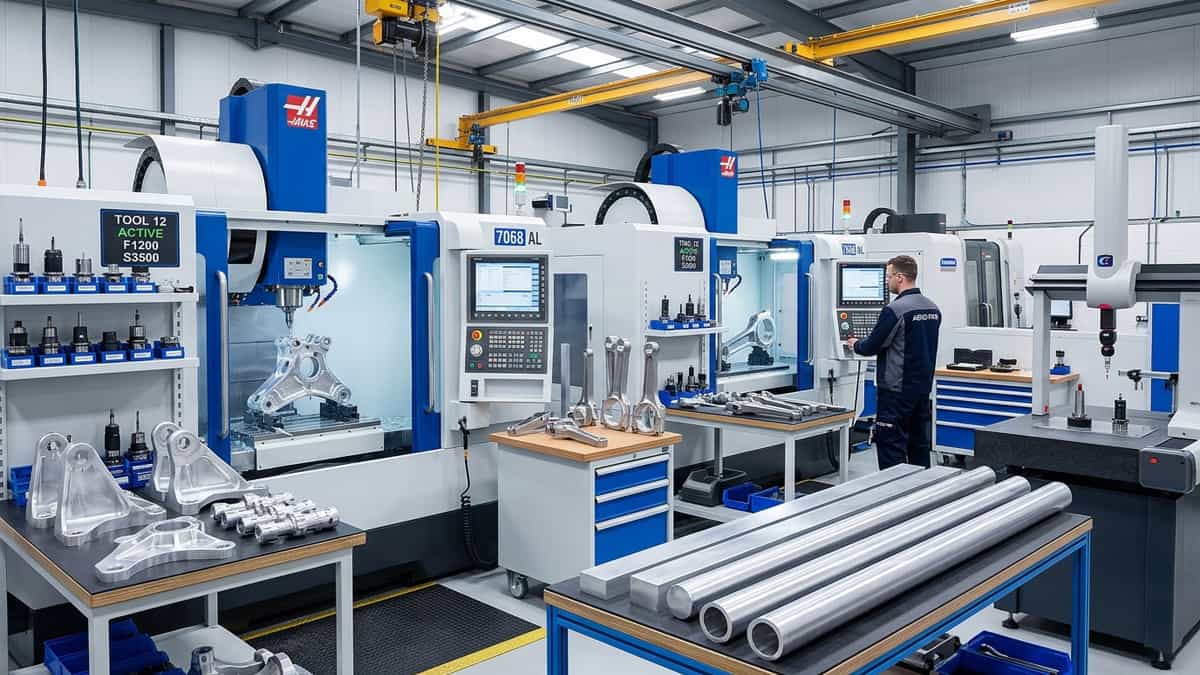
Aluminium 7068 alloy landing gear components and connecting rods on a precision CNC machining line

Aluminium 7068 – also known as Aluminum 7068 – is a heat-treatable aluminium-zinc-magnesium-copper alloy that holds the crown as the strongest commercially available aluminum alloy. Developed by Kaiser Aluminum as a higher-strength replacement for 7075 in ordnance applications, 7068 aluminum offers ultimate tensile strength exceeding 700 MPa (over 100 ksi) – putting it in the … Read more

Aluminium 7475: The Second-Generation Aerospace Alloy for Superior Fracture Toughness

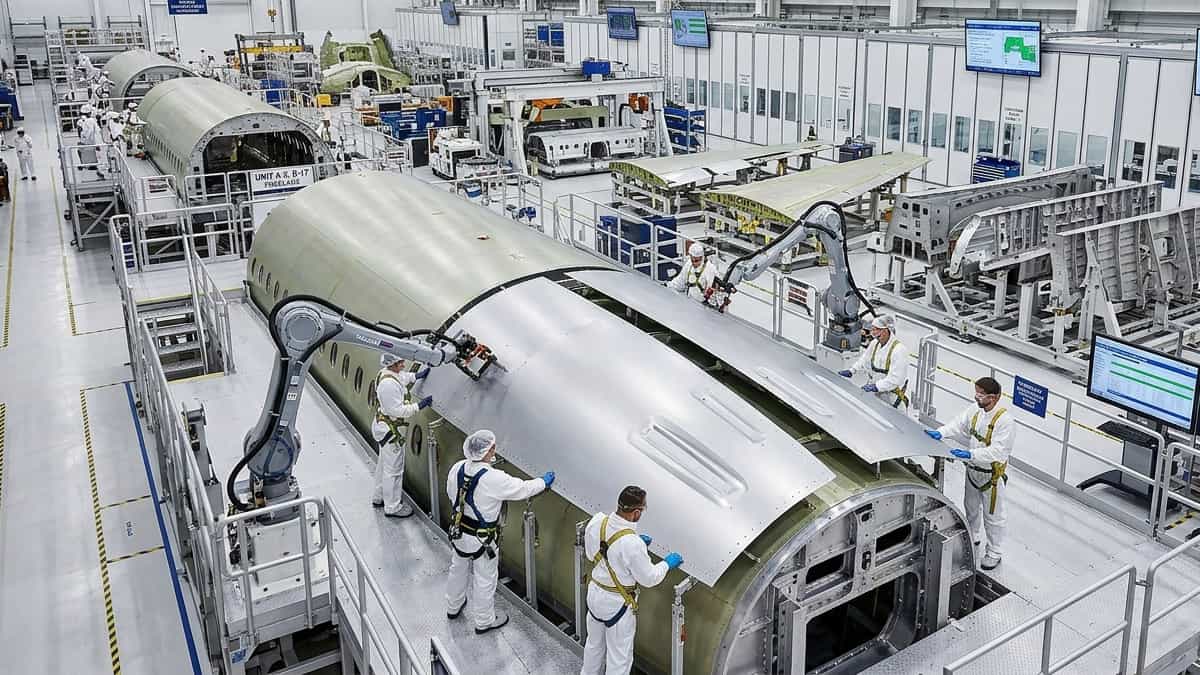
Aluminium 7475 alloy fuselage panels and wing skins being assembled on an aircraft production line

Aluminium 7475 – also known as Aluminum 7475 – is a heat-treatable aluminium-zinc-magnesium-copper alloy that represents the second generation of the 7000 series. Developed by Alcoa and registered in 1969 as a controlled‑toughness alloy, 7475 aluminum offers a fracture toughness approximately 40% greater than the industry‑standard 7075 while maintaining comparable high strength. It is the … Read more

Aluminium 5754 (Aluminum 5754): The Versatile Workhorse of the 5000 Series

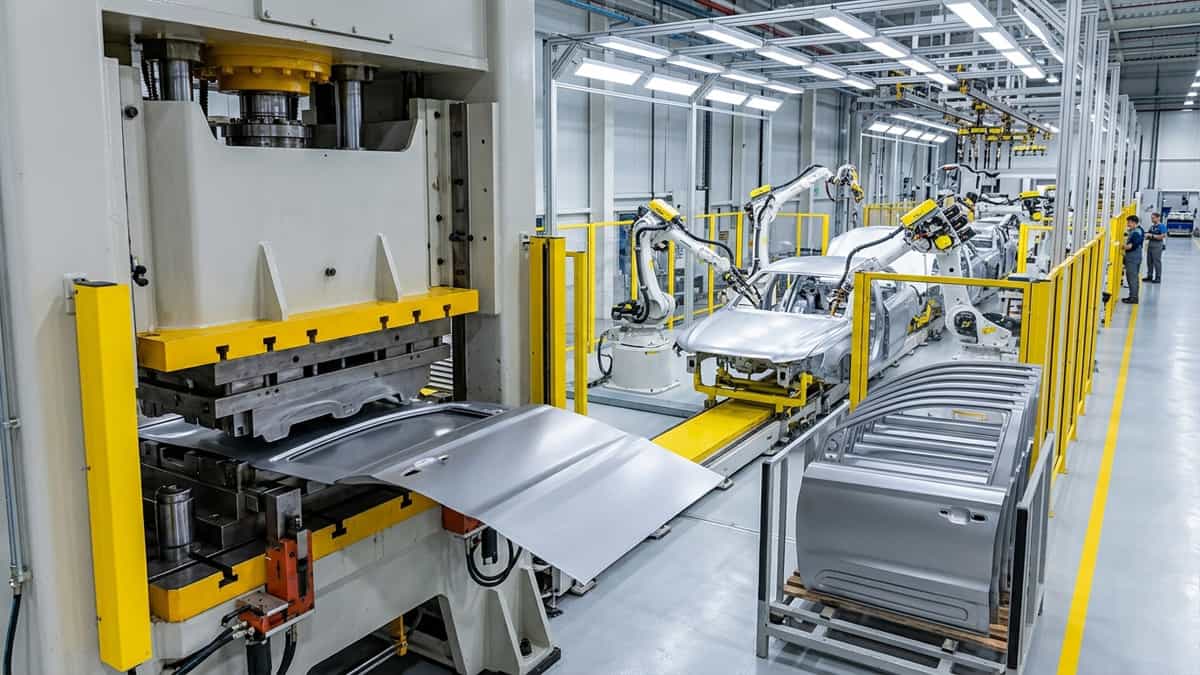
Aluminium 5754 alloy automotive body panels being stamped and assembled in a modern car manufacturing plant

Aluminium 5754 – also known as Aluminum 5754 – is a non-heat treatable aluminium-magnesium alloy that strikes the perfect balance between strength, formability, and corrosion resistance. With a magnesium content of 2.6–3.6%, 5754 aluminum offers medium-to-high strength, excellent weldability, and outstanding performance in marine and automotive applications. It is the go-to alloy for vehicle body … Read more

Aluminium 5454 (Aluminum 5454): The Elevated Marine Alloy for Elevated Temperatures

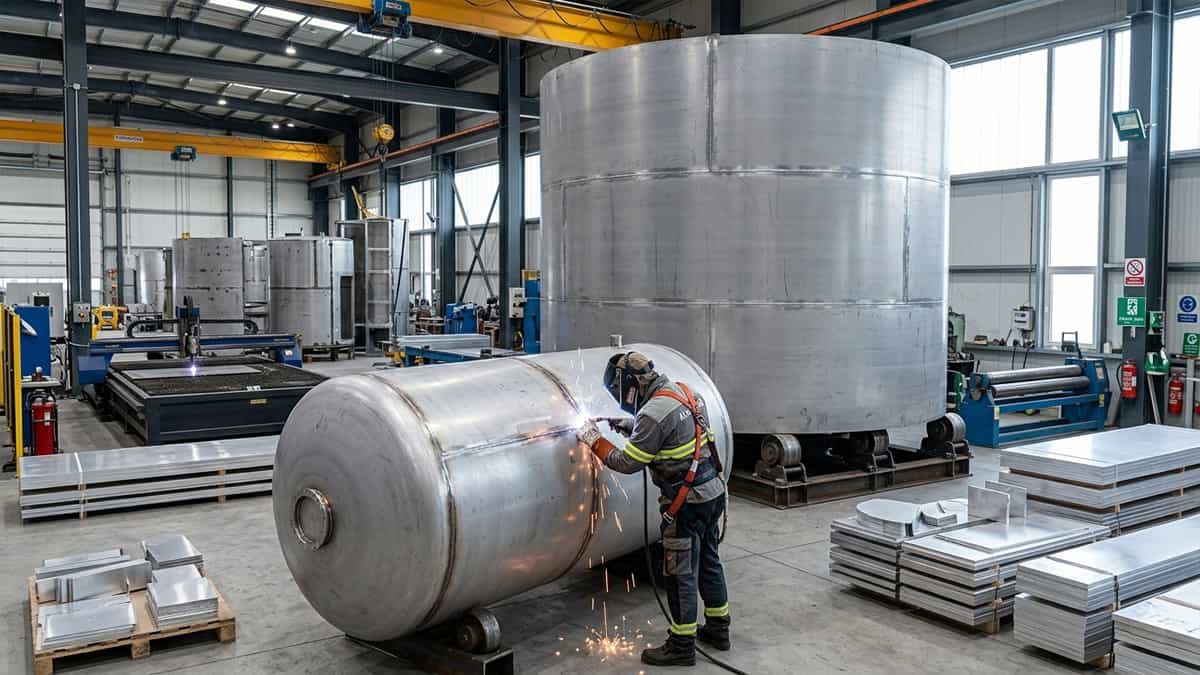
Aluminium 5454 alloy pressure vessel and chemical storage tank under construction in industrial fabrication facility

Aluminium 5454 – also known as Aluminum 5454 – is a non-heat treatable aluminium-magnesium alloy that serves as the elevated-temperature specialist of the 5000 series. With outstanding resistance to seawater corrosion, medium-to-high strength that persists at elevated temperatures (65–170°C), and good weldability, 5454 aluminum is the preferred choice for pressure vessels, chemical storage tanks, marine … Read more

Aluminium 5052 (Aluminum 5052): The Marine-Grade Alloy for Superior Corrosion Resistance & Strength

Aluminium 5052 alloy boat hull under construction in shipyard, showcasing marine-grade corrosion resistance

Aluminium 5052 – also known as Aluminum 5052 – is a non-heat treatable aluminium-magnesium alloy that stands as the industry benchmark for marine environments. With outstanding corrosion resistance (especially to saltwater), high fatigue strength, and excellent formability, 5052 aluminum is the go-to alloy for boat hulls, fuel tanks, sheet metal work, and applications where durability … Read more

Aluminium 5005 (Aluminum 5005): The Architect’s Alloy for Superior Finish and Corrosion Resistance

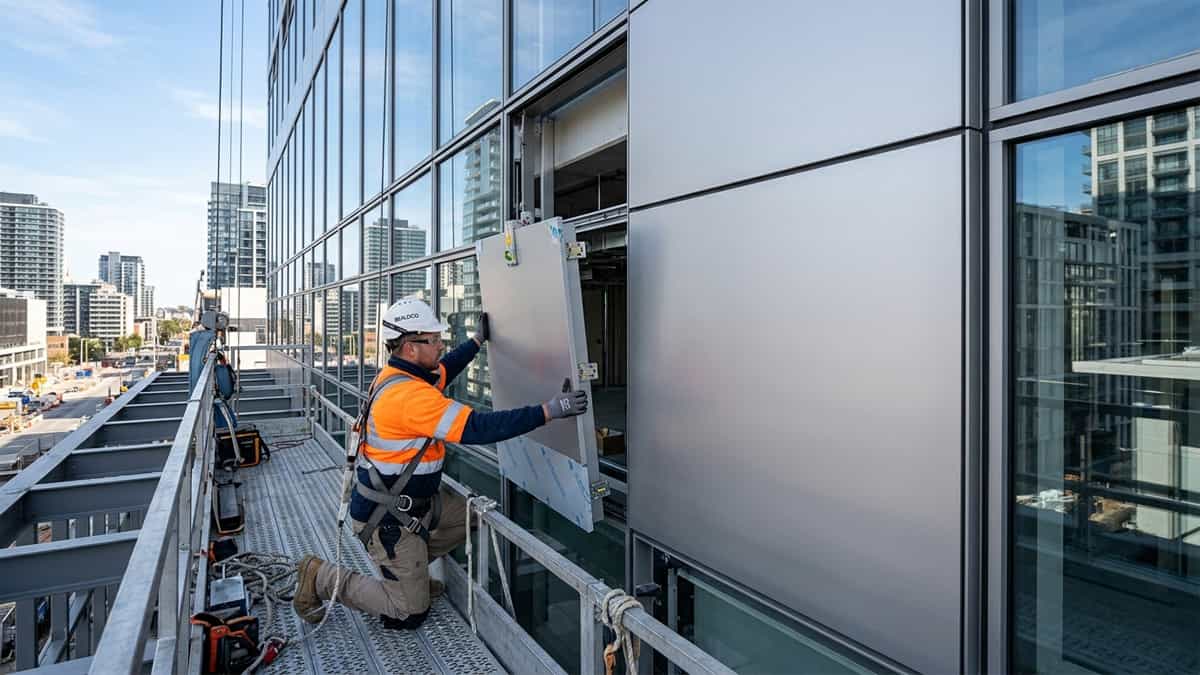
Aluminium 5005 alloy curtain wall installation on modern building facade with anodized finish

Aluminium 5005 – also known as Aluminum 5005 – is a non-heat treatable aluminium-magnesium alloy that has earned its reputation as the architect’s alloy. With excellent corrosion resistance, superior anodizing capabilities, and moderate strength, 5005 aluminium is the preferred choice for architectural applications, signage, and decorative finishes where aesthetics matter as much as durability. What … Read more

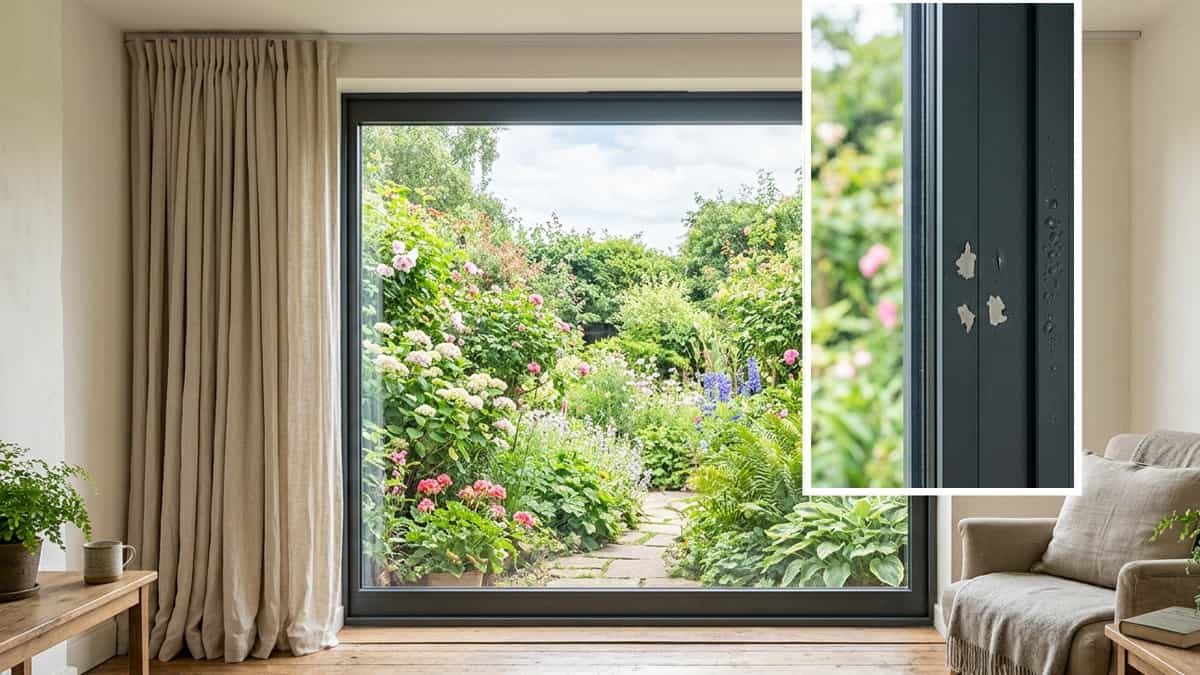
Aluminium Windows Problem: Weather Stripping Deterioration

Close-up of a dark grey Aluminium window frame with cracked, brittle rubber weather stripping peeling away from the corner

The Silent Failure. Seals and gaskets on Aluminium windows are the unsung heroes of comfort. They keep out drafts, rain, dust, and noise. But over time, these weather stripping materials become brittle, cracked, or permanently compressed. The result? Whistling drafts on windy days, water stains on your cill, and outside noise that seems to have … Read more

Aluminium Windows Problem: Dropped Sash in Casement Windows

Close-up of an Aluminium casement window showing a gap at the top corner and a handle that does not align with the striker plate

A Hanging Problem. When the sash (movable frame) of an Aluminium casement window drops too far within the fixed frame, it creates noticeable gaps above the handles, makes the window difficult to close, and can break the seal against weatherstripping. This is often due to loose screws, worn hinge mechanisms, or stretched hardware over time. … Read more

Aluminium Windows Problem: Difficulty Sliding (Sticking/Jerking)

Interior view of a clean aluminum sliding window track on a wooden sill with a dusting brush and hair dryer for easy maintenance.

A Frustrating Grind. The most common complaint with sliding Aluminium windows is operational difficulty. A window that should glide smoothly instead sticks, jerks, or refuses to move at all. This is not only annoying but can also become a safety issue if the window is needed as a fire escape. Causes include debris accumulation in … Read more

Aluminium Windows Problem: Condensation on Glass Panes

Close-up of water droplets streaming down a glass pane inside an Aluminium window frame, with a blurred winter landscape outside

A Daily Drip. Waking up to windows streaming with water is a common winter frustration. While condensation on glass is often dismissed as harmless, persistent moisture can lead to black mould, damage to window frames and cills, and even respiratory issues. Inadequate ventilation combined with high indoor humidity is the primary culprit, and this problem … Read more

Aluminium Windows Problem: Poor Thermal Insulation (High Heat Transfer)

Thermal imaging view of a standard Aluminium window frame showing red hotspots indicating heat loss, compared to a thermally broken frame in cooler blue tones

A Costly Cold Bridge. Traditional Aluminium frames without thermal breaks conduct heat readily, resulting in U‑values as high as 2.7 W/m²K for double‑glazed units. This high thermal conductivity creates a “thermal bridge” – a direct path for heat to escape in winter and enter in summer. The consequence is higher energy bills, uncomfortable drafts, condensation, and … Read more

Aluminium Windows Problem: Thermal Break Failure (Condensation on Internal Profiles)

Close-up of a dark grey Aluminium window frame with visible condensation droplets on the internal profile and a trickle vent above

A Ticking Time Bomb? The Council for Aluminium in Building (CAB) has issued a stark warning about a growing “ticking time bomb” affecting thousands of new Aluminium windows. Trickle vents, made mandatory under UK Building Regulations (Part F) in June 2022, may be allowing cold air to circulate around frame perimeters, creating cold bridges that … Read more

Aluminium Windows Problem: Building Settlement Misalignment – A Step‑by‑Step Guide (And When to Call a Pro)

A structural crack in a brick wall meeting the top corner of a dark grey aluminium window frame, indicating building settlement.

As buildings settle over time, Aluminium window frames can shift out of square. What was once a perfectly rectangular opening may become a subtle parallelogram. This misalignment causes sticking sashes, gaps at the corners, broken seals, and draughts. Unlike a simple hardware issue, settlement misalignment involves the structure itself. This guide explains how to diagnose … Read more

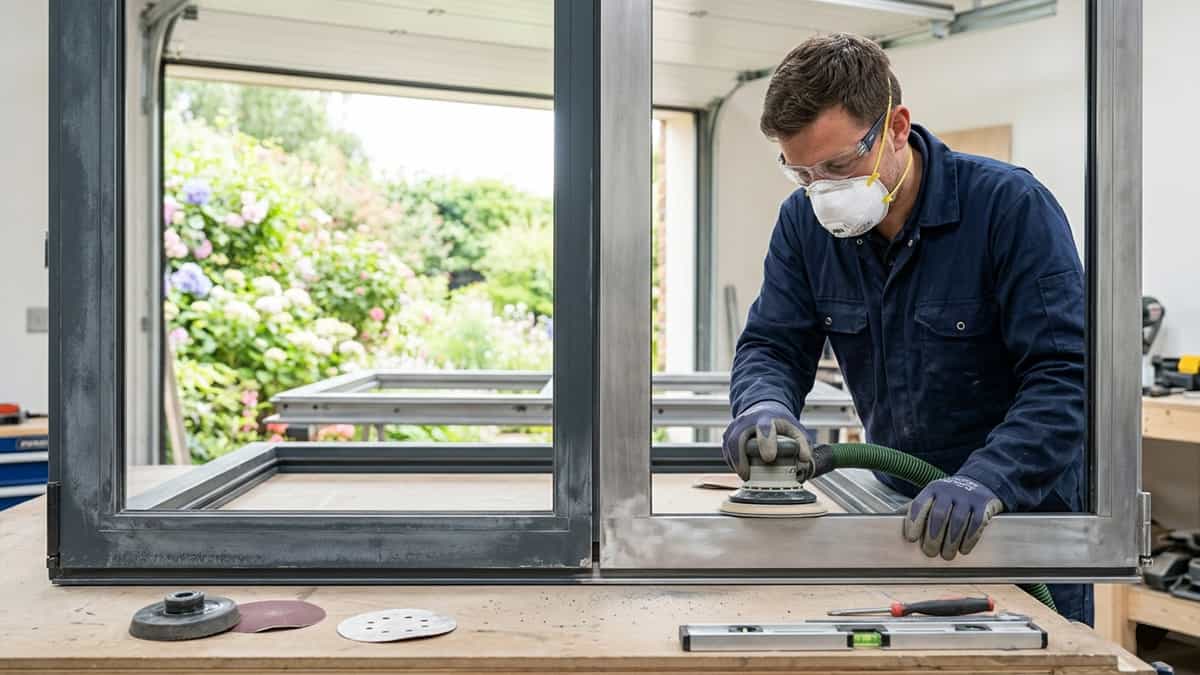
Aluminium Windows: Improper Glass Installation Orientation – A Step‑by‑Step Guide (And When to Call a Pro)

A technician using a thermal imaging camera to check the heat signature of an aluminium window pane for improper glass orientation.

Specialty glass types – such as reflective (solar control), patterned (obscured), or frosted – are designed with a specific orientation. If installed backwards, they can lose their primary function: reflective glass may overheat the room instead of deflecting heat, patterned glass may collect dirt in the wrong side, and frosted glass may be easier to … Read more

Aluminium Frame Deformation and Poor Rigidity: A Step‑by‑Step Guide (And When to Call a Pro)

Dark grey aluminium sliding window with a V‑shaped gap at the mitered corner and sash misalignment, indicating frame deformation

Windows or doors that feel loose, visibly shake when a truck passes by, or seem to flex when you operate them are more than just annoying—they signal a structural weakness. Over time, this can lead to air leaks, water infiltration, and even safety hazards. The problem usually comes down to two root causes: undersized profiles … Read more

Water Leakage at Aluminium Window Frame-Wall Joints: A Step-by-Step DIY Guide (And When to Call a Pro)

Close-up of water seeping from gap between aluminium window frame and brick wall, with caulking tools nearby

One of the most frequently reported problems is water penetration where the aluminum frame meets the wall. This occurs due to differing thermal expansion rates between aluminium and wall materials, creating capillary cracks over time. Improper sealing during installation is the primary culprit. This guide will walk you through diagnosing and fixing this problem. We’ll … Read more

Outward vs Inward Casement Windows: Which Opening Direction Is Better for Airflow?

Outward vs inward opening casement window airflow comparison showing window opening direction

When selecting casement windows, most people focus on appearance, hardware, or building codes. However, one of the most important performance factors is often overlooked until after installation: ventilation performance and airflow. The direction in which a casement window opens — inward or outward — can significantly affect how air enters a room. This is not … Read more

36 Perfect Grey Shades – RAL Colour Chart

RAL grey shades colour chart for aluminium windows and doors with modern grey front door and grey windows

RAL Color Samples for Aluminium Doors and Windows Choosing the right door colour and window colour is no longer just about looks—it’s about matching modern design with long-term practicality. That’s why grey tones from the RAL system have become the go-to choice for aluminium frames. Whether you’re browsing a RAL colour chart, checking RAL color … Read more

Aluminium 4032 / Aluminum 4032

Aluminium 4032 forged piston with high silicon alloy composition used in automotive engine applications

The High-Temperature Specialist: Forged for Power and Precision In the diverse family of aluminium alloys, most are designed for general-purpose fabrication, corrosion resistance, or structural strength. Aluminum 4032 occupies a far more specialized niche. As a wrought alloy within the 4000 series (aluminium-silicon system), 4032 is specifically engineered for one of the most demanding applications … Read more

Aluminium 6060 / Aluminum 6060

Aluminium 6060 curtain wall system on modern high rise building with glass facade and structural framing

The Versatile Extrusion Alloy: Balancing Form, Finish, and Economy In the family of 6000 series aluminium alloys, each member serves a distinct purpose. Aluminum 6060 is the economical workhorse—a leaner, more extrudable cousin of 6063 that prioritizes surface quality, complex shaping, and cost-effectiveness over outright strength. While 6063 dominates architectural applications where moderate strength is … Read more

Aluminium 6063 (Aluminum)

Aluminium 6063 sliding glass door in modern home patio with large glazed panels and sleek frame

The Architectural Alloy: Shaping the Modern Skyline In the vast family of aluminum alloys, some are celebrated for strength, others for corrosion resistance, and still others for weldability. Aluminium 6063 earns its distinction through a different virtue: extrudability. As the most widely used alloy for architectural extrusions, 6063 has literally shaped the modern world—forming the … Read more

Top 25 Real-World Problems with Aluminium & Aluminum Windows

Aluminium window with condensation and rainwater droplets showing real-world moisture issue

A Comprehensive Guide for Homeowners and Professionals Aluminium windows have become a cornerstone of modern architecture, prized for their sleek aesthetics, durability, and low maintenance requirements. However, like any building component, Aluminum frames are not immune to issues. From installation errors to environmental challenges, understanding these common problems is essential for homeowners, architects, and installers … Read more