AM Editors Team

Aluminum Oxide (Al₂O₃): The Complete Guide

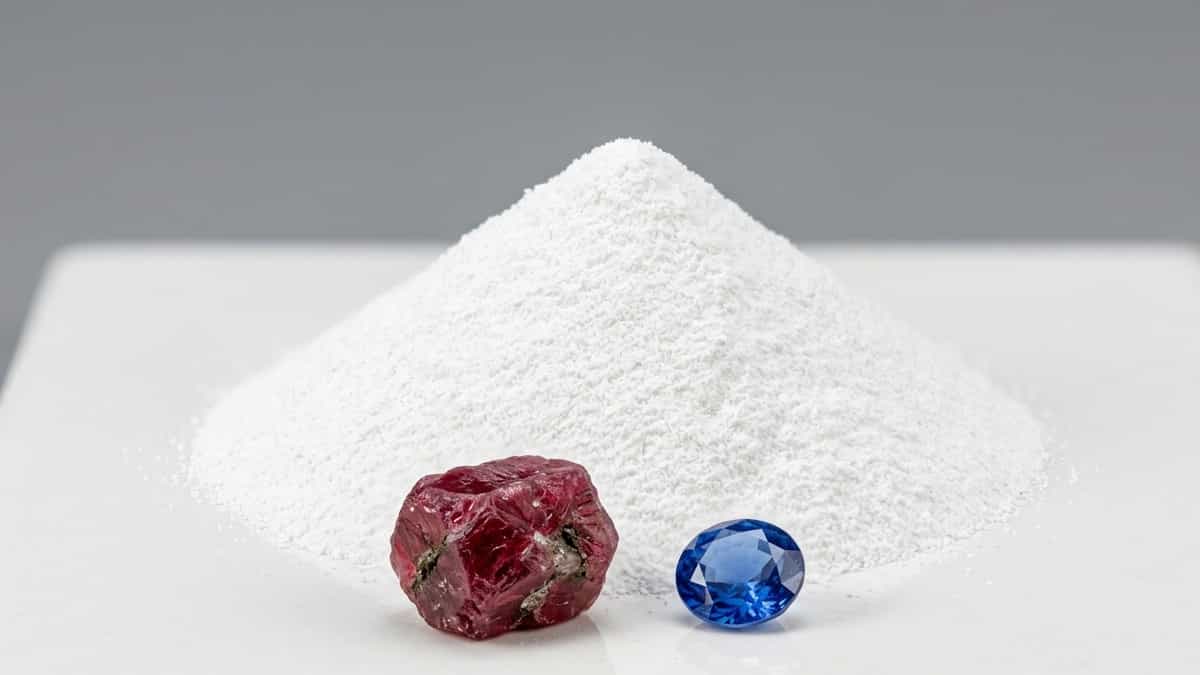
White aluminum oxide powder with a rough red ruby crystal and a blue sapphire crystal, showing the corundum forms of alumina.

Aluminum oxide, commonly called alumina, is the most abundant and industrially important aluminum compound. It occurs naturally as the mineral corundum (which forms rubies and sapphires when colored by impurities). Industrially, it is produced as a white powder used primarily for aluminum metal production, as a high‑hardness abrasive, and as a base for technical ceramics … Read more

Lithium Aluminum Hydride (LiAlH₄): The Complete Guide

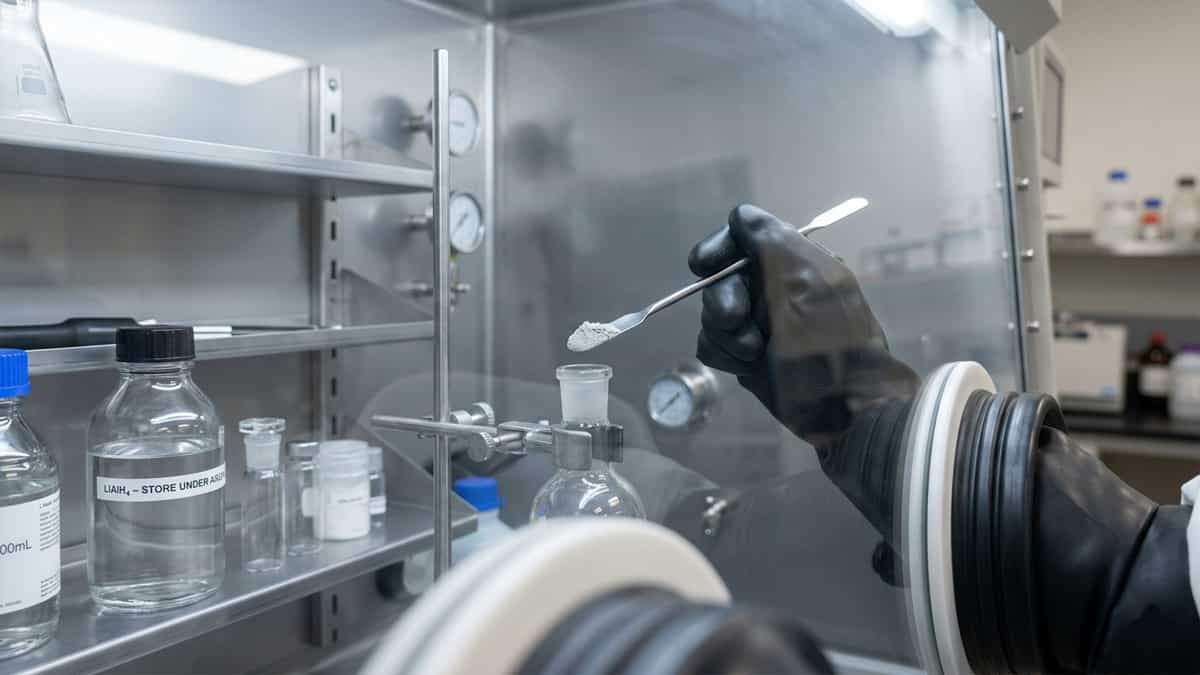
Gray lithium aluminum hydride powder on a spatula inside an argon‑purged glovebox, with neoprene gloves and a labeled reagent bottle.

Lithium aluminum hydride, commonly abbreviated as LAH, is a complex ionic salt (Li⁺ AlH₄⁻) and one of the most powerful reducing agents used in organic chemistry. It appears as a white to gray microcrystalline powder. Due to its extreme reactivity with water and air, LAH must be handled under strictly inert conditions to prevent fires … Read more

Aluminum Tungstate (Al₂(WO₄)₃): The Complete Guide

Macro photograph of white aluminum tungstate powder next to a thermal expansion graph showing negative coefficient (shrinking when heated).

Aluminum tungstate is an inorganic mixed oxide with the formula Al₂(WO₄)₃. It appears as a dense white powder, is insoluble in water, and is valued almost exclusively in materials science research for a rare property: isotropic negative thermal expansion (NTE) – it shrinks uniformly in all directions when heated, opposite to most materials. 1. Basic … Read more

Aluminium Molybdate (Al₂(MoO₄)₃): The Complete Guide

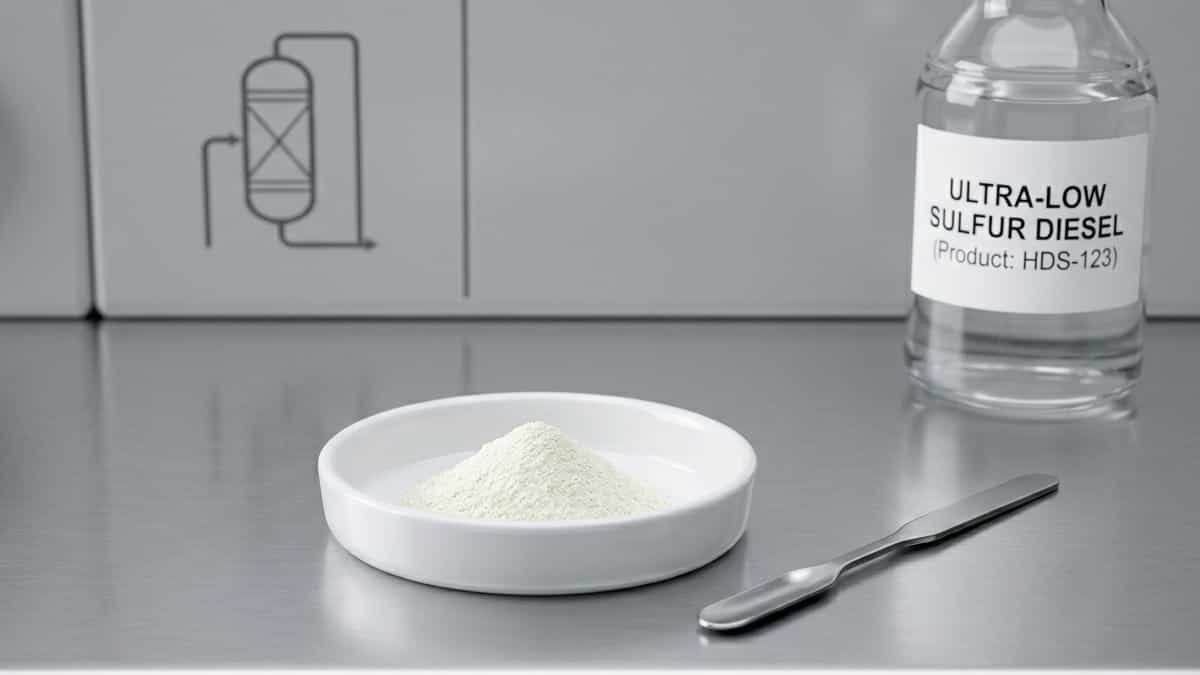
Macro photograph of pale white aluminum molybdate powder in a laboratory dish, representing hydrodesulfurization catalyst precursor for clean diesel production.

Aluminium molybdate is an inorganic mixed oxide used primarily as a catalyst precursor in hydrodesulfurization (HDS) – the industrial process that removes sulfur from crude oil fractions to produce clean diesel. It appears as a pale white to slightly yellow powder, is insoluble in water, and exhibits high thermal stability. Its value lies in its … Read more

Aluminium Lactate (C₉H₁₅AlO₉): The Complete Guide

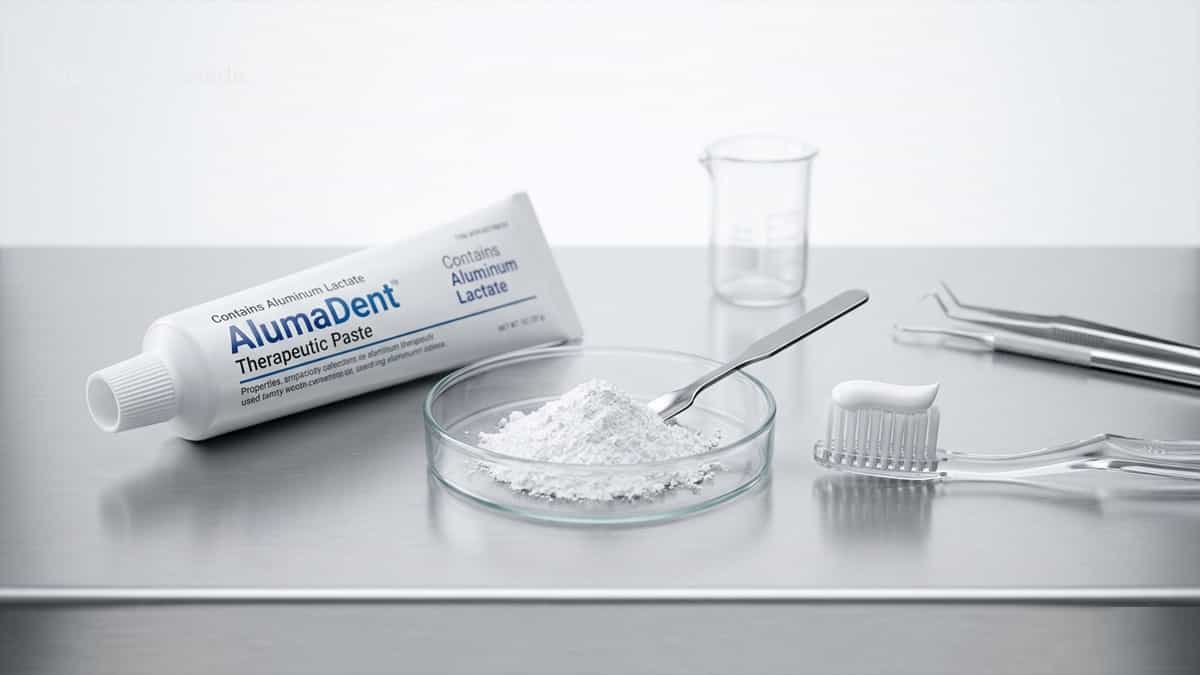
Clinical still life of aluminum lactate powder in a petri dish next to a sensitive‑teeth toothpaste tube and toothbrush.

Aluminium lactate is a mild, organic salt formed from metallic aluminium and lactic acid. It appears as a white, water‑soluble powder and is valued for its low skin irritation compared to traditional aluminium salts. Its primary applications are in sensitive‑teeth toothpastes, deodorants for hypersensitive skin, and professional mouthwashes. 1. Basic Identification 2. Physical Properties Property … Read more

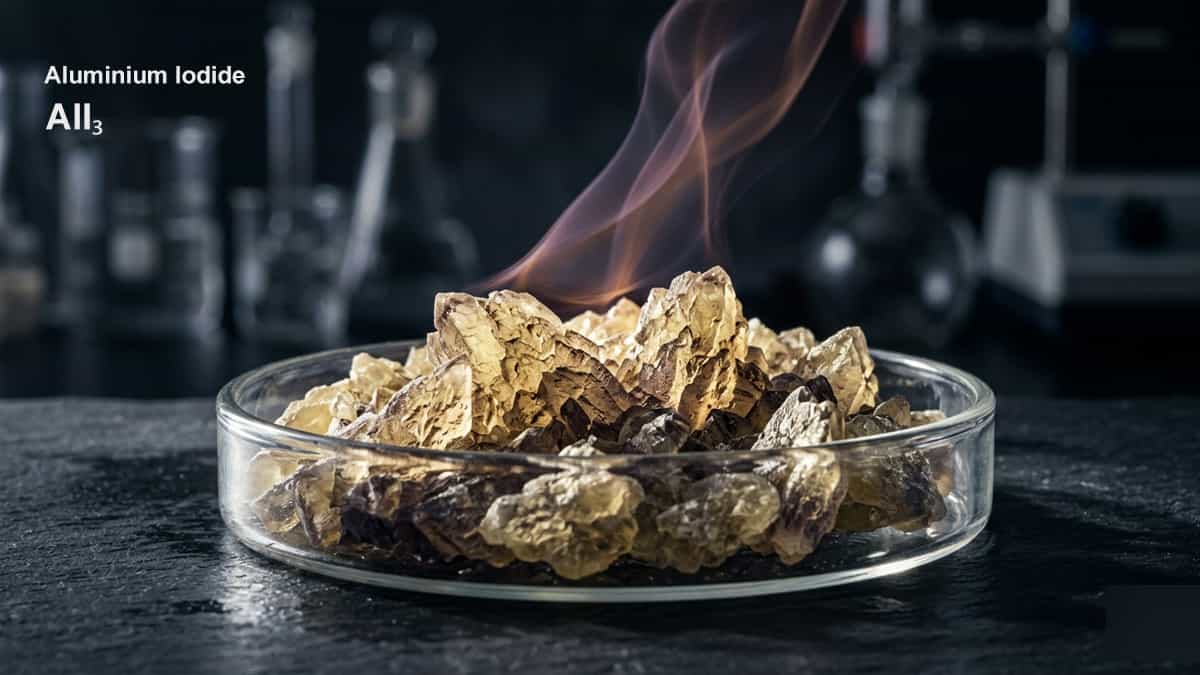
Aluminium Iodide (AlI₃): The Complete Guide

High definition macro photograph highlighting the yellow-brown facets of aluminum iodide crystals.

Aluminium iodide is a highly reactive chemical compound comprising aluminium and iodine. Appearing as a white to pale yellow‑brown crystalline powder, it is characterized by its powerful electron‑accepting nature. Much like aluminium chloride and bromide, it is a strong Lewis acid. While its commercial use is vastly eclipsed by other halides, it holds a highly … Read more

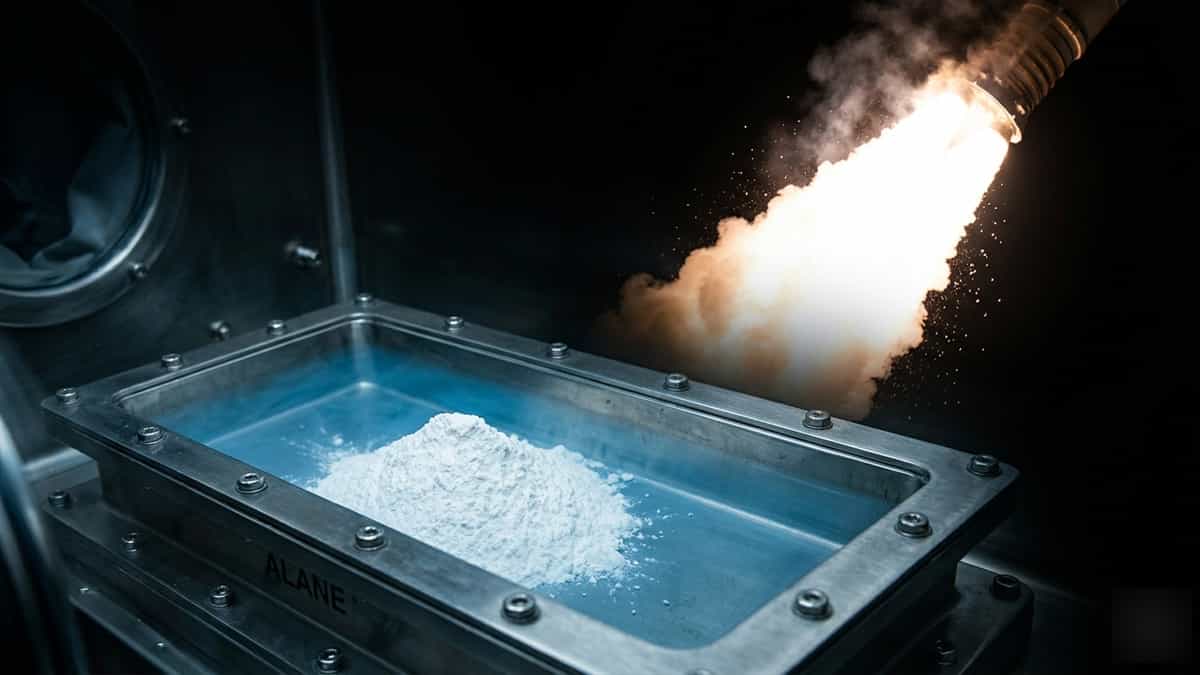
Aluminum Hydride (AlH₃): The Complete Guide

High-resolution photography showing white aluminum hydride powder in a steel container against a background of a rocket engine firing.

Aluminum hydride, frequently referenced in the literature as “alane,” is an exotic, highly reactive, and intensely energetic solid polymer. Distinctly separating itself from the oxygen-heavy ceramics and chlorine-rich halides, it relies on directly bonding aluminium to raw hydrogen. Appearing as a white, easily degradable powder, its colossal energy density makes it a highly sought-after but … Read more

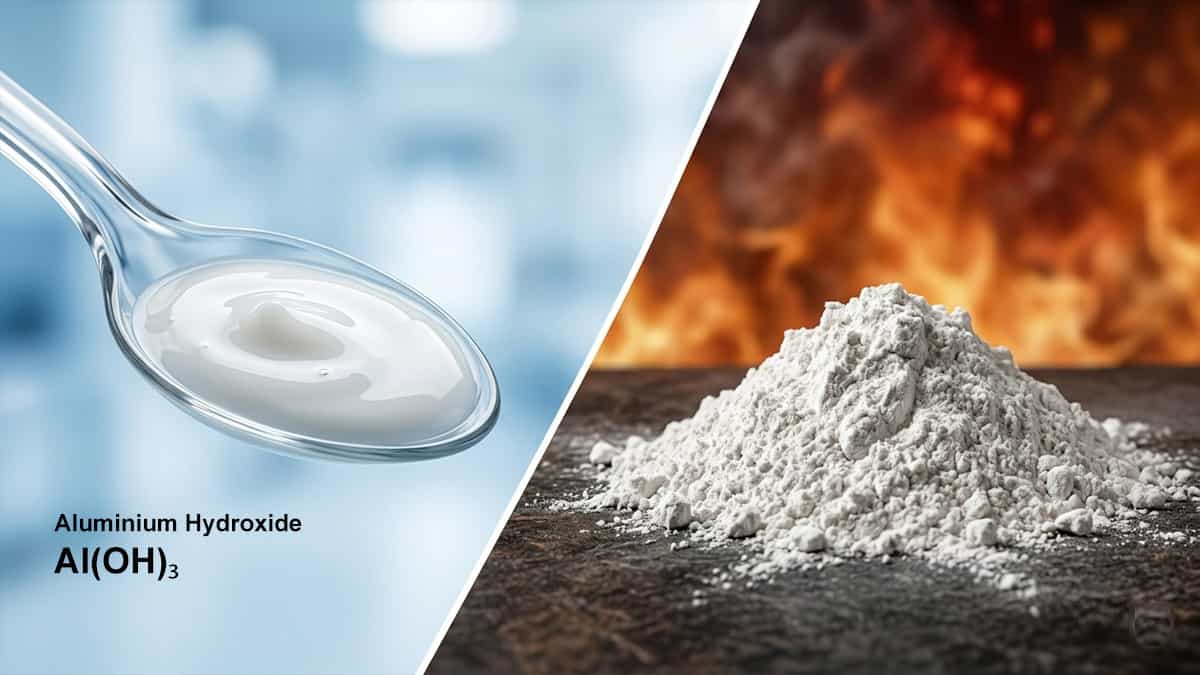
Aluminium Hydroxide (Al(OH)₃): The Complete Guide

High definition split-image showing milky liquid aluminum hydroxide medication next to dry white flame retardant powder.

Aluminium hydroxide stands as one of the single most widely manufactured and biologically integrated aluminium compounds on the planet. Naturally abundant as the mineral gibbsite, it serves as the critical intermediate step in purifying alumina for metal production. Away from massive industrial smelters, it acts directly as the world’s most popular over-the-counter heartburn medicine, a … Read more

Aluminium Fluoride (AlF₃): The Complete Guide

High-resolution macro shot of stable white aluminum fluoride powder resting in a ceramic laboratory crucible.

Aluminium fluoride is a stable, inorganic compound distinguished from other aluminium halides by its distinct ionic crystal structure and immense thermal stability. Appearing as a colorless to white crystalline solid, it does not fume in air nor behave as a potent Lewis acid like its chloride and bromide counterparts. Instead, its supreme utility lies in … Read more

Aluminum Chlorohydrate (Al₂(OH)₅Cl): The Complete Guide

White aluminum chlorohydrate powder in a dish, a beaker of solution, and an antiperspirant stick on a laboratory bench.

Aluminum chlorohydrate, often abbreviated as ACH, is a water-soluble, polymeric aluminum species that sits comfortably between the violent reactivity of anhydrous aluminum chloride and the benign inertness of aluminum hydroxide. It appears as a white to off-white powder or a clear to pale yellow solution. Unlike its anhydrous halide cousins, ACH is deliberately designed to … Read more

Aluminium Chloride (AlCl₃): The Complete Guide

High-resolution macro shot of white anhydrous aluminum chloride powder emitting thick hydrogen chloride fumes on a laboratory surface.

Aluminium chloride, also known as aluminium trichloride, is a powerful Lewis acid and an essential industrial chemical. It appears as a white to pale yellow solid that fumes vigorously in moist air. Its primary application lies in its role as a master catalyst in organic chemistry, specifically for Friedel-Crafts alkylation and acylation. Due to its … Read more

Aluminium Chlorate (Al(ClO₃)₃): The Complete Guide

A moody, extreme macro photograph showing wet aluminum chlorate crystals igniting a wooden splinter on a dark surface.

Aluminium chlorate is a highly obscure, unstable, and intensely powerful oxidizing agent. Combining the aluminium cation with three volatile, oxygen‑rich chlorate anions produces a compound that is simply too dangerous to store or transport easily. It typically appears as heavily hydrated, deliquescent crystals, and its only uses are tightly constrained within specialized explosives research and … Read more

Aluminium Carbonate (Al₂(CO₃)₃): The Complete Guide

High-resolution photograph of white basic aluminum carbonate powder spilling from a pharmaceutical capsule on a clean surface.

Aluminium carbonate is a highly obscure, notoriously unstable compound within aluminum chemistry. Unlike the rugged stability of aluminium oxide or the aggressive reactivity of aluminum halides, pure aluminium carbonate practically refuses to exist at standard temperatures and pressures. When discussed industrially and medically, it is almost exclusively found in its complexed form as “basic aluminium … Read more

Aluminium Carbide (Al₄C₃): The Complete Guide

High-resolution dramatic photograph of yellow aluminum carbide powder violently combusting into blue methane flames after being touched by a water droplet.

Aluminium carbide is a fascinating, highly reactive inorganic compound defined by its extreme sensitivity to moisture. By chemically bonding aluminium directly to reactive carbon atoms, researchers have synthesized a yellow‑brown crystalline powder that bridges the gap between metal and organic hydrocarbon chemistry. Its aggressive generation of methane gas secures its status as a respected laboratory … Read more

Aluminium Bromide (AlBr₃): The Complete Guide

Close-up macro photograph of anhydrous aluminum bromide crystals emitting faint fumes on a dark laboratory bench.

Aluminium bromide, properly known as aluminium tribromide, is a powerful Lewis acid. It appears as a white to pale yellow crystalline solid that fumes in moist air and reacts violently with water. Its most important role is as a catalyst in organic chemistry, specifically in Friedel-Crafts reactions used to make pharmaceuticals, fragrances, and advanced polymers. … Read more

Aluminium Borate (AlBO₃): The Complete Guide

High-resolution simulation of aluminum borate whisker needles blending into an automotive engine block.

Aluminium borate is an advanced, high-performance structural ceramic compound. Rather than engaging in chaotic chemical reactions like aluminum halides, it is prized strictly for its structural integrity at a microscopic level. Synthesized primarily as microscopic “whiskers” (single-crystal fibers), it acts as an invisible, heat-resistant reinforcing skeleton when mixed into plastics, lightweight metals, and specialized glass … Read more

Aluminum Arsenide (AlAs): The Complete Guide

High-resolution dramatic photograph of a bright red laser beam striking a reflective aluminum arsenide wafer.

Aluminium arsenide is a powerful, highly specific wide-bandgap semiconductor. Completely segregated from traditional aluminium chemistry, it exists in the domain of elite optoelectronics alongside other group III-V semiconductors. Appearing as orange-brown cubic crystals, its primary function is structurally mirroring gallium arsenide (GaAs) lattice, allowing engineers to stack the two materials to manipulate photons in advanced … Read more

Aluminium Antimonide (AlSb): The Complete Guide

High-resolution photograph of a flawless, reflective black aluminum antimonide wafer reflecting a warm red laser.

Aluminium antimonide belongs to a highly exclusive subset of chemicals recognized as III-V group semiconductors. It exists far outside the realms of traditional metallurgy, medicine, or catalysis, instead carving its niche at the cutting edge of optoelectronics. Appearing as a dark, crystalline semi-metallic solid, its ability to guide electrons and interact precisely with infrared light … Read more

Aluminium Acetate (Al(C₂H₃O₂)₃): The Complete Guide

High-resolution lifestyle photograph showing aluminum acetate powder packets resting next to a glass medical soak bowl.

Aluminium acetate departs radically from the violently reactive, explosive chemistry of industrial aluminum halides and methyls. Instead, it occupies a distinct, deeply historical niche as an incredibly safe, water-soluble organic-metal salt. Emerging as a white powder when isolated, it is far more commonly encountered strictly as a dilute aqueous solution. Characterized by aggressive astringent actions … Read more

Can Powder Coated Aluminium Be Repainted or Recoated?

Professional sanding a dark grey aluminium window frame to prepare the surface for repainting or recoating in a workshop.

Powder coating is the workhorse finish for aluminium windows and doors. It’s tough, long-lasting, and looks sharp. But it’s not a lifetime guarantee. Eventually—whether it’s 5 years or 25 years down the line—the sun, salt, or simple wear and tear will take its toll. When you start seeing that dreaded chalky residue or those small … Read more

When Powder Coating Fails on Aluminium (And How to Fix It)

Aluminium window in a cozy home interior showing small bubbles and peeling powder coating on the right side of the frame with garden view.

Powder coating is the gold standard for architectural aluminium. It’s tougher than wet paint, more environmentally friendly, and provides that perfect, uniform finish we see on window frames, thermally broken profiles, and curtain walls. But let’s be honest—if you’ve been in the fabrication or contracting game long enough, you’ve seen it fail. You’ve seen the … Read more

Aluminium 7050 (Aluminum 7050): The Ultimate Aerospace Alloy for Thick Sections

Massive 6-inch thick Aluminium 7050 bulkhead forging being lifted by crane in an aerospace plant

Aluminium 7050 – also known as Aluminum 7050 – is a heat‑treatable aluminium‑zinc‑magnesium‑copper alloy that represents the third generation of high‑strength 7000 series alloys. Developed specifically for aerospace applications requiring thick sections, 7050 aluminum offers an exceptional combination of high strength, superior fracture toughness, and outstanding resistance to stress‑corrosion cracking. It is the material of … Read more

Aluminium 6082 (Aluminum 6082): The Highest‑Strength 6xxx Structural Alloy

Aluminium 6082 alloy structural components for a bridge and crane being fabricated in a heavy engineering workshop

Aluminium 6082 – also known as Aluminum 6082 – is a heat‑treatable aluminium‑magnesium‑silicon alloy that delivers the highest strength of any 6000 series alloy. With a distinctive addition of manganese (0.4–1.0%), 6082 offers excellent corrosion resistance, good weldability, and superior machinability. It has largely replaced 6061 in many European structural applications and is the material … Read more

Aluminium 6005 & 6005A: The Extrusion-Focused Twin Alloys of the 6xxx Series

Aluminium 6005 and 6005A alloy extrusions exiting the die on a runout table at an extrusion plant

Aluminium 6005 and 6005A – also known as Aluminum 6005 and 6005A – are heat‑treatable aluminium‑magnesium‑silicon alloys that form a unique pair in the 6xxx series. While often mentioned together, they are distinct alloys: 6005 contains higher silicon levels for superior extrudability and surface finish, while 6005A adds manganese and chromium to improve toughness and … Read more