AM Editors Team

Curtain Walls: The Hidden System Behind Modern Glass Buildings

Modern glass office building with aluminium curtain wall facade, showing vertical mullions and horizontal transoms.

Why Do Modern Glass Buildings All Look the Same? Walk through any major city today. Offices, shopping malls, airports, and even luxury hotels all seem to share the same design language: floor‑to‑ceiling glass, sleek metallic frames, and a seamless, reflective exterior. This is not a coincidence. The hidden system behind this global architectural trend is … Read more

How Aluminium Is Powering the Future of BMW Autonomous Cars

BMW electric SUV with ghosted aluminium chassis overlay representing lightweight autonomous vehicle engineering.

The future of autonomous driving is not limited to software and artificial intelligence. Hardware is equally critical. When you look at premium automotive brands like BMW, one thing becomes clear: performance and efficiency must go hand in hand. That is where aluminium becomes a game‑changer. For years, BMW has used aluminium to reduce weight without … Read more

Categories Car

The Dirty Truth Behind Early Beverage Cans (And Why Aluminium Won)

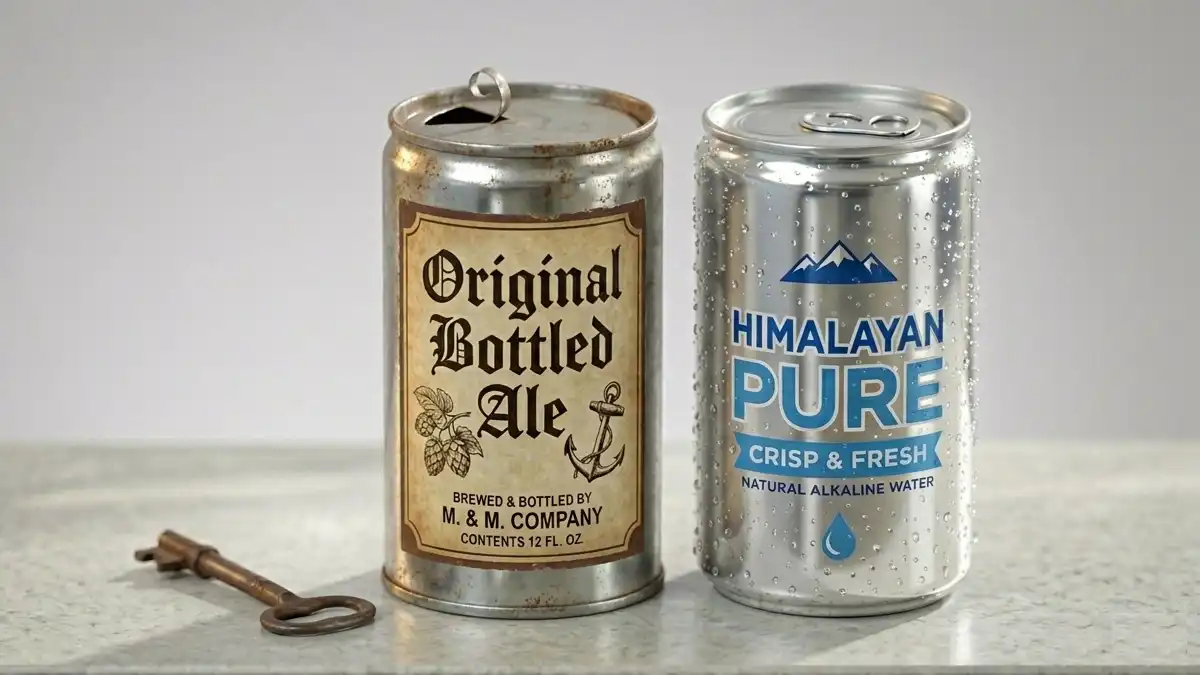
A side-by-side comparison of a rusty vintage steel "Original Bottled Ale" can with an old-style opening and a clean, modern aluminium "Himalayan Pure" water can with condensation

The Truth Brands Never Advertised Walk down any grocery aisle today, and you’ll see shiny, flawless aluminum cans stacked in perfect rows. They look clean, safe, and modern. But the dirty truth behind early beverage cans is something no beer or soda brand ever put in a commercial. Before aluminum won, beverage cans were rust-prone, … Read more

Did Steel Cans Exist Before Aluminum? The Real History of Aluminium Cans

Comparison of a rusty, corroded vintage steel beer can next to a clean, modern aluminum can, illustrating why aluminum won.

The Question Nobody Asks – Did Steel Come First? Before aluminum cans became the global standard for beer and soda, beverage packaging had a serious problem—and the first solution wasn’t aluminum at all. Yes, steel cans came first. But they also failed in ways that directly forced the rise of aluminium. Most people assume the … Read more

Aluminium 7020 Alloy: Properties, Weldability, and Military-Grade Applications

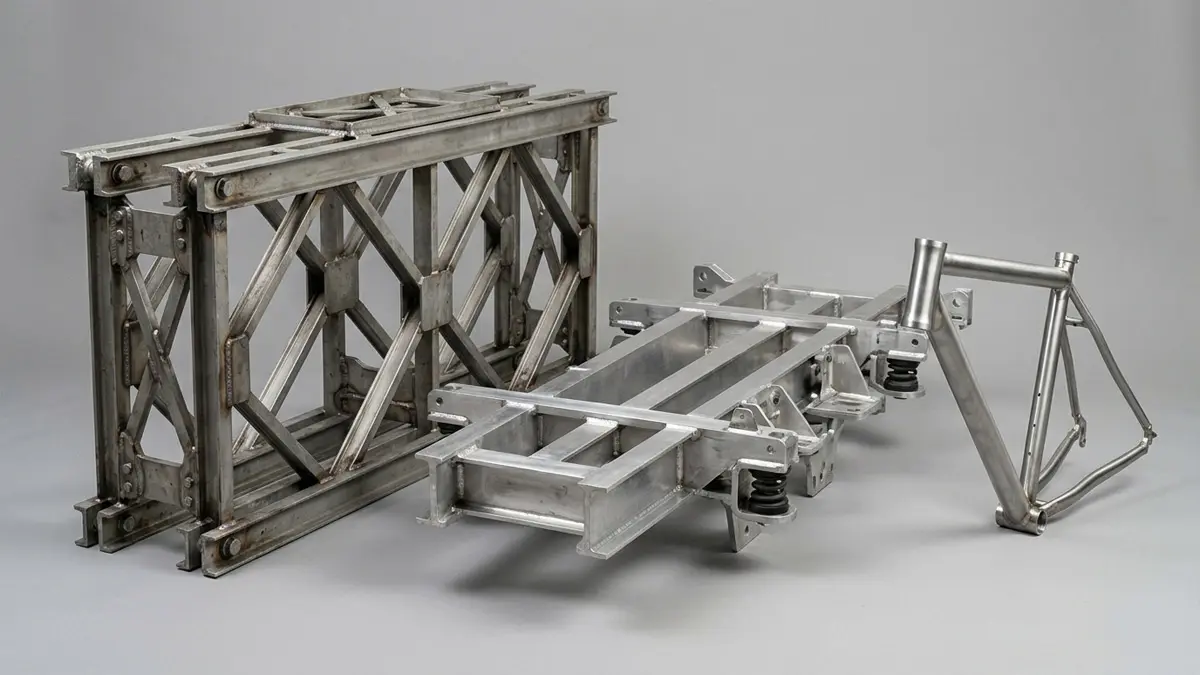
Aluminium 7020 alloy used for military bridge, railway wagon underframe, and bicycle frame – high strength and weldability

Aluminium 7020 is a high-strength, heat-treatable alloy belonging to the Al-Zn-Mg (7000) series. Unlike many other 7000-series alloys that contain copper, 7020 is copper-free, which gives it exceptional weldability and stress corrosion cracking resistance. This makes it a preferred material for structural applications in military, transportation, and general engineering where welding is required. Chemical Composition … Read more

Aluminum 7005 Alloy: Properties, Applications, and Benefits

Aluminium 7005 alloy used for bicycle frame, aerospace bracket, and welded structural beam – high strength and weldability

Aluminum 7005 belonging to the 7000 series of alloys, Aluminium 7005 is an age-hardenable material primarily alloyed with zinc and magnesium. It is renowned for offering a compelling balance of high strength, excellent corrosion resistance, and superior weldability, making it a highly sought-after material for structural and engineering applications where welding is a key requirement. … Read more

Why Aluminium Reigns Supreme in Packaging

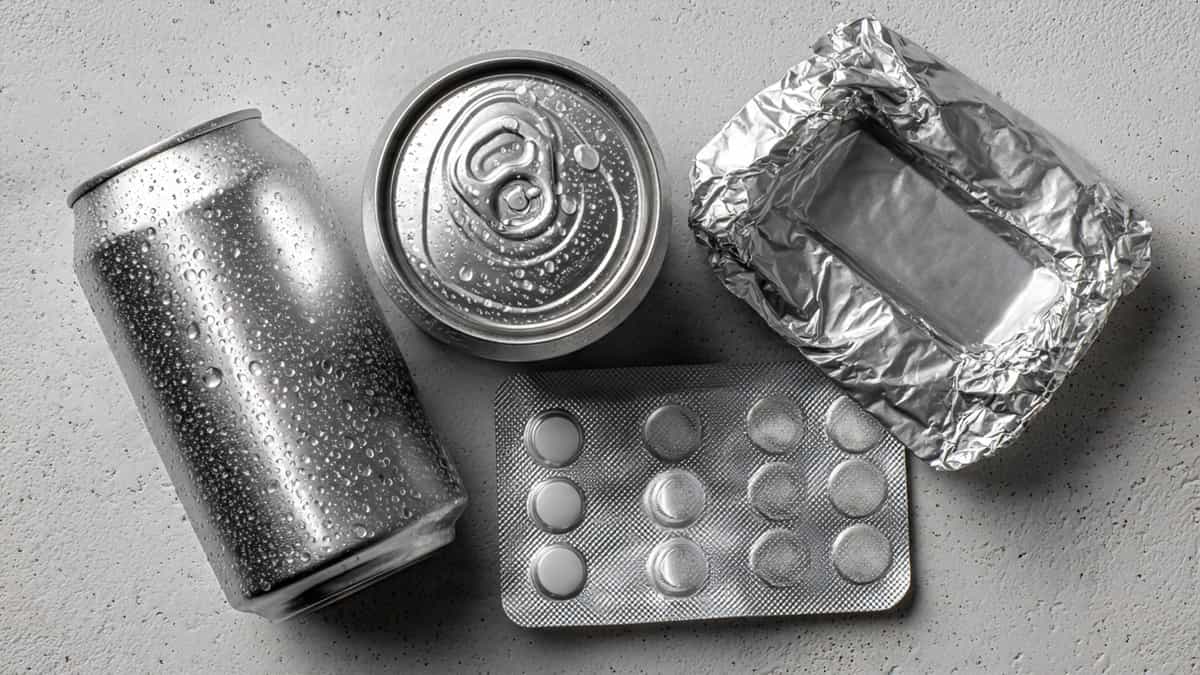
Collage of aluminium packaging including soda can, foil roll, blister pack, and takeout container.

In the global battle for sustainable, efficient, and safe packaging, one material consistently outperforms glass, plastic, and even paper: aluminium. Whether it’s the humble soda can, the thin foil protecting your chocolate, or the sterile seal on life-saving medicine, aluminium’s unique combination of physical properties makes it the undisputed king of containment. But why exactly … Read more

Which Products Are Made of Aluminium? Ever Noticed These Around You?

Collage of various aluminium items including cans, foil, smartphone, airplane part, and window frame.

Aluminium is often called the “Miracle Metal” for good reason. It is lightweight yet strong, corrosion-resistant, and infinitely recyclable. From the moment you wake up and check your smartphone to the airplane that flies you across the globe, aluminium is silently shaping modern life. This article provides a detailed, categorized list of items made from … Read more

33 Aluminium Compounds: Formulas, Properties & Industrial Uses

33 Aluminium Compounds: Formulas, Properties & Industrial Uses

While pure aluminium is widely recognized for its structural uses in aerospace and construction, its true chemical versatility is found in its extensive range of compounds. From high-tech semiconductors to essential industrial catalysts, aluminium-based substances are foundational to modern engineering and chemistry. This master guide provides a technical overview of the 33 essential aluminium compounds, … Read more

Trimethylaluminum (TMA): Technical Guide to a Pyrophoric Semiconductor Precursor

Stainless steel pressurized bubbler cylinder for trimethylaluminum storage, with pyrophoric warning placard in a fume hood.

Trimethylaluminum, globally shortened to TMA, is a violently reactive organometallic compound. It is a clear, colorless liquid that is pyrophoric – it spontaneously ignites on contact with air. Despite its extreme danger, it is the premier aluminium precursor for semiconductor manufacturing, used in Atomic Layer Deposition (ALD) and as a Ziegler‑Natta co‑catalyst. 1. Basic Identification … Read more

Sodium Aluminium Fluoride (Na₃AlF₆): Technical Guide to Cryolite

Clear cryolite crystal half‑submerged in water, with the submerged portion invisible due to matching refractive index.

Sodium aluminium fluoride, universally known by its mineral name cryolite, is a strategically important compound. Its high‑temperature properties govern the economics of aluminium metal production. It appears as glassy, white, or colorless chunks, and its role in the Hall‑Héroult smelting process makes it one of the most manufactured inorganic compounds on Earth. 1. Basic Identification … Read more

Aluminium Titanate (Al₂TiO₅): Technical Guide to Zero‑Expansion Ceramics

White aluminum titanate ceramic honeycomb block with a blowtorch flame on one side and ice cubes on the opposite edge, showing thermal shock resistance.

Aluminium titanate is a high‑performance engineered ceramic with an exceptionally low coefficient of thermal expansion. It is a stoichiometric blend of alumina and titania, appearing as a white to pale yellow, porous, lightweight ceramic. It excels in environments prone to thermal shock, making it the gold standard for diesel particulate filters and molten metal handling. … Read more

Aluminium Telluride (Al₂Te₃): The Complete Guide

Sealed glass ampoule of dark grey aluminum telluride powder with toxicity hazard placard in a laboratory fume hood.

Aluminium telluride is a binary compound of aluminium and tellurium. It is a highly moisture‑sensitive, rare chalcogenide that decomposes in water to release hydrogen telluride (H₂Te) – an extremely toxic, foul‑smelling gas similar to hydrogen sulfide but even more hazardous. Due to its instability and toxicity, it has no consumer applications and is used only … Read more

Aluminium Sulfide (Al₂S₃): The Complete Guide

Grey‑yellow aluminum sulfide solid chunks next to a sealed hazard‑labeled bottle in a laboratory fume hood.

Aluminium sulfide is a highly moisture‑sensitive inorganic compound. It appears as a dull grey to yellowish solid and is infamous for its foul odor resulting from reaction with ambient moisture. It serves as a specialized laboratory reagent to generate hydrogen sulfide gas on demand. 1. Basic Identification 2. Physical Properties Property Aluminum Sulfide Melting Point … Read more

Potassium Alum (KAl(SO₄)₂·12H₂O): The Complete Guide

Clear octahedral potassium alum crystal, white alum powder, jar of pickles, and crystal deodorant stick on a wooden table.

Potassium alum, globally recognized simply as “alum,” is an ancient, highly useful double sulfate salt. Documented since antiquity for clarifying water and tanning leather, it remains a household staple. It forms large, clear octahedral crystals and is known for its sharp astringency. Today, it is used in natural crystal deodorants, pickling crisping agents, and styptic … Read more

Aluminium Sulfate (Al₂(SO₄)₃): The Complete Guide

White aluminum sulfate granules being poured into turbid water, forming fluffy white flocs that clarify the water.

Aluminium sulfate is an important industrial chemical, commonly referred to as “alum” (though strictly, alums are double sulfates). It appears as a white crystalline solid that is highly soluble in water. It is the backbone of municipal water treatment, serving as the definitive flocculent that delivers clear drinking water. 1. Basic Identification 2. Physical Properties … Read more

Aluminium Selenide (Al₂Se₃): The Complete Guide

Sealed glass ampoule of dark brown aluminum selenide powder with a toxicity hazard placard in a laboratory setting.

Aluminium selenide is a binary compound of aluminium and selenium. It is a highly reactive, moisture‑sensitive material that decomposes violently in water to release hydrogen selenide (H₂Se) – an extremely toxic, foul‑smelling gas. Due to its instability and toxicity, it is not a consumer product but is used in specialized laboratory and semiconductor applications as … Read more

Aluminium Nitride (AlN): The Complete Guide

White aluminum nitride powder next to a dark gray sintered ceramic substrate plate for electronics.

Aluminium nitride is a highly advanced technical ceramic distinct from typical aluminium halide salts. It appears as a white or pale yellow powder in its raw form and is engineered for its remarkable ability to conduct heat extremely well while acting as an effective electrical insulator. This rare combination makes it a cornerstone in optoelectronics, … Read more

Aluminium Stearate (Al(C₁₈H₃₅O₂)₃): The Complete Guide

White fluffy aluminum stearate powder on a spatula, with a beaker of thickened oil gel and a water bead on a treated surface.

Aluminium stearate is a metallic soap – a salt formed from aluminum and stearic acid (a common fatty acid). It appears as a white, fine, fluffy powder. Unlike reactive aluminum salts (chloride, nitrate), aluminum stearate is mild, water‑repellent, and used primarily as a thickening agent, lubricant, and waterproofing additive in industrial and cosmetic formulations. 1. … Read more

Aluminium Nitrate (Al(NO₃)₃): The Complete Guide

Clear, moist aluminum nitrate nonahydrate crystals on a laboratory balance, with oxidizer hazard placards in background.

Aluminium nitrate is a highly soluble, deliquescent crystalline solid used as an oxidizing agent and a precursor for high‑purity alumina. It exists primarily as the nonahydrate (Al(NO₃)₃·9H₂O). Due to its strong oxidizing properties, it must be stored away from all organic and flammable materials. 1. Basic Identification 2. Physical Properties Property Aluminium Nitrate (Nonahydrate) Melting … Read more

Aluminum Phosphide (AlP): The Complete Guide

Pest control professional in full PPE inspecting grain inside a silo, representing safe handling of aluminum phosphide fumigant.

Aluminum phosphide is a highly toxic inorganic solid used globally as a fumigant and pesticide. It appears as dark grey or yellowish‑grey crystals. Its lethality comes not from the solid itself, but from its reaction with moisture to produce phosphine gas (PH₃). Handling, storage, and application are strictly regulated worldwide. 1. Basic Identification 2. Physical … Read more

Aluminium Silicate (Al₂SiO₅): The Complete Guide

Blue kyanite crystal (natural aluminum silicate) next to a white ceramic spark plug insulator (engineered form).

Aluminum silicate represents a family of naturally occurring minerals – andalusite, kyanite, and sillimanite – all sharing the same chemical formula but differing in crystal structure due to formation under different pressures and temperatures. Industrially, it is valued for its extreme refractoriness (heat resistance) and is used in spark plugs, kiln linings, and catalyst supports. … Read more

Aluminum Phosphate (AlPO₄): The Complete Guide

White aluminum phosphate powder in a ceramic spoon next to vaccine vials and an antacid tablet on a blue medical surface.

Aluminum phosphate is a highly stable, insoluble inorganic compound with significant applications in medical pharmacology and industrial chemistry. It appears as a white, dense powder with a structure similar to quartz. Its stability and biological inertness make it valuable in antacid therapies, vaccine adjuvants, and high‑strength binders. 1. Basic Identification 2. Physical Properties Property Aluminum … Read more