The Question Nobody Asks – Did Steel Come First?
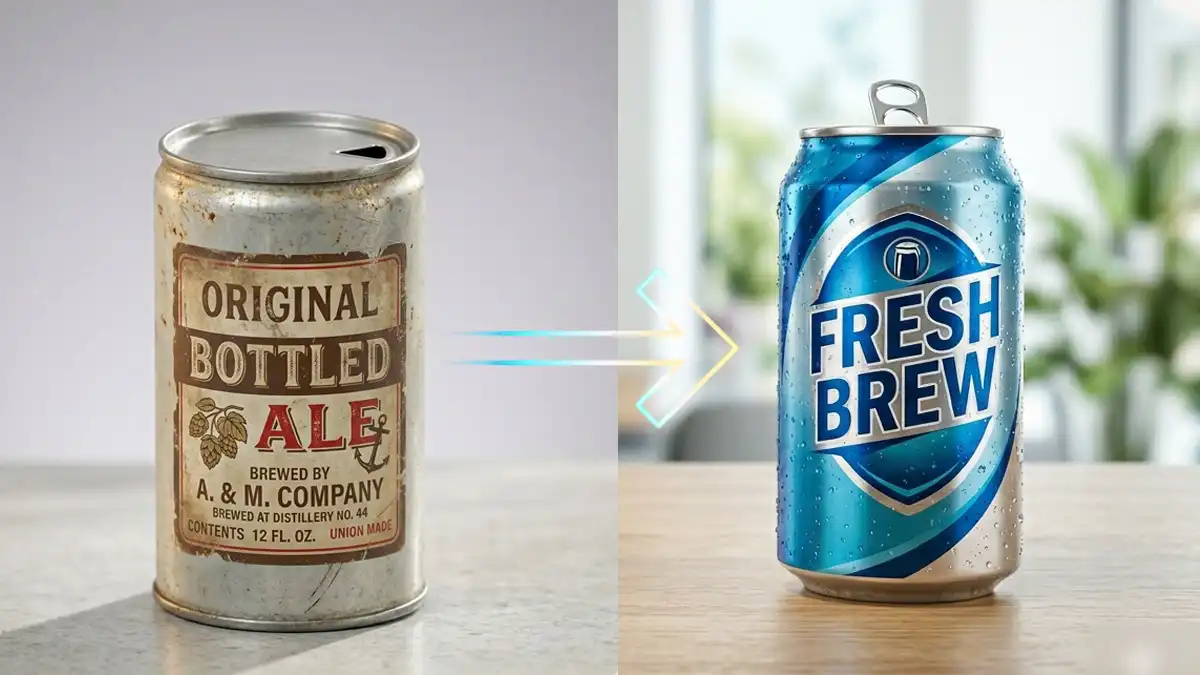
Before aluminum cans became the global standard for beer and soda, beverage packaging had a serious problem—and the first solution wasn’t aluminum at all. Yes, steel cans came first. But they also failed in ways that directly forced the rise of aluminium.
Most people assume the shiny silver can has always been around. In reality, the history of aluminum cans starts with a much heavier, rust-prone, hard-to-open predecessor: the steel beer can. So if you’ve ever wondered, “Did steel cans exist before aluminum?” the answer is a definitive yes. And understanding why steel failed is the key to understanding how aluminium won.
Let’s go back to 1935, when the first canned beer changed everything—and why it nearly changed nothing at all.
Before Aluminum: Did Steel Cans Really Work?
Before aluminum took over, the beverage industry relied on glass bottles and steel cans. Glass was reusable but heavy and breakable. Steel was strong but came with three fatal flaws:
- Rust: Steel corrodes when in contact with carbonated, acidic drinks.
- Weight: A steel can is roughly three times heavier than an aluminium can of the same volume.
- Inconvenience: Opening a steel can required a “churchkey” puncturing tool. Lose it, and you don’t drink.
Steel cans worked fine for food (soups, vegetables) where rust wasn’t an immediate issue. But for beer and soda? They were a temporary, flawed solution. The industry knew a better material was needed—but it would take two decades to arrive.
1935: The First Canned Beer (Steel Era Begins)
The origin of beverage cans as a commercial product began on January 24, 1935. The Gottfried Krueger Brewing Company, working with the American Can Company, sold the first canned beer in Richmond, Virginia. Those first cans were steel, lined with a special enamel to prevent metallic taste. Consumers needed a churchkey to punch two holes—one for pouring, one for venting.
It was a hit. Portability and freshness won over drinkers. Soon Pabst, Schlitz, and others followed. But steel’s problems didn’t go away. They only got worse as demand grew.
The Hidden Problems That Killed Steel Cans
Steel cans had three hidden problems that eventually made them obsolete:
- Corrosion – Even with linings, acidic beverages ate through steel over time. Storage and shipping caused leakers.
- Weight inefficiency – A semi-truck loaded with steel cans carried far fewer drinks than one loaded with aluminium. Fuel costs were higher.
- The churchkey problem – If you were camping, at a beach, or anywhere without an opener, you were stuck.
By the 1950s, brewers and soft drink companies were desperate for an alternative. That alternative came from an unexpected place: the aerospace industry’s love for aluminium.
1950s–1960s: Why Aluminium Replaced Steel So Fast
Aluminum had been used for aircraft and military applications for years. But in 1958, Coors Brewing Company took a risk and mass-produced the first all-aluminum beer can. The advantages were immediate:
- No rust – Aluminium is naturally corrosion-resistant.
- Lightweight – One-third the weight of steel.
- Faster chilling – Aluminum conducts heat 15x better than steel.
- Stronger thin walls – Modern drawn-and-ironed aluminum cans are incredibly strong despite being as thin as a human hair.
Steel couldn’t compete. By the late 1960s, major brewers and soda brands were switching to aluminium. The evolution of aluminum cans had truly begun.
Note: Just because it doesn’t rust doesn’t mean the liquid is touching the can body. Curious about what’s inside? Read our deep dive on Coatings Inside Aluminium Cans: Are They Safe? The Invisible “Bag” You Drink From.
The Invention of the Pull Tab and Its Impact
As aluminum gained ground, the opening problem was solved. In 1962, Ermal Fraze invented the pull tab (pop-top). A riveted ring allowed you to pull and tear a scored section from the lid. No churchkey. No tools.
The pull tab turned canned drinks into a cultural phenomenon. Sales exploded. By the late 1960s, aluminium pull-tab cans were everywhere: ballgames, picnics, fishing trips.
But success created a new problem.
The Littering Crisis and the Stay-On Tab Solution
The detached pull tabs became a massive litter problem. Beaches, parks, and streets were filled with sharp, non-biodegradable tabs. Worse, people stepped on them, and children sometimes ingested them.
The industry responded brilliantly. In 1975, the stay-on tab (ecology tab) was introduced. The tab remains attached to the can after opening. Litter dropped immediately, and the design remains standard today.
How Aluminium Took Over the Beverage Industry
By the 1980s, aluminium had completely replaced steel for beverage cans. Why?
- Logistics – More cans per truck, lower fuel costs.
- Speed to cold – Cans chill faster in ice.
- Branding – Aluminium’s smooth surface allows high-quality printing.
- Recycling – Aluminum’s infinite recyclability changed the economics.
Curious about the engineering behind that strength? Discover how thin aluminium cans are made strong.
Recycling Revolution: Why Aluminium Became the Most Recycled Material
The single most important fact in the history of aluminium cans is this: aluminium is infinitely recyclable with no loss of quality. Recycling one can saves enough energy to power a TV for three hours.
In the 1970s and 80s, cash-for-cans programs and curbside recycling turned aluminium into the world’s most recycled consumer product. A used can can be melted, rolled, and back on a shelf in as little as 60 days.
Want the full journey? Read our detailed guide on the aluminium can recycling process.
Modern Aluminum Cans: Lightweight, Strong, and Sustainable
Today’s 12-ounce aluminium can weighs just 14.9 grams—less than half of what it weighed in the 1970s. The walls are thinner than a human hair, yet the can withstands 90+ pounds of internal pressure.
BPA-free linings, resealable lids, and slim cans for energy drinks show that the can is still evolving. And compared to plastic? Aluminium wins on recycling rates (68% vs. 9% for plastic in the US).
Ever wonder why these cans make that iconic sound? We explain the why soda cans make pssst sound engineering.
Timeline: Key Milestones in Aluminium Can History
| Year | Milestone |
| 1935 | First canned beer (steel, churchkey) |
| 1958 | Coors launches first all-aluminum beer can |
| 1962 | Ermal Fraze invents the pull tab |
| 1967 | Pepsi deploys aluminium soda cans nationally |
| 1972 | Two-piece drawn and ironed (D&I) can introduced |
| 1975 | Stay-on tab (ecology tab) introduced |
| 1980s | Aluminium completely dominates beverage cans |
| 2020s | BPA-free linings & slim cans become standard |
The Future of Aluminium Cans in a Plastic-Free World
As single-use plastics face bans and consumer backlash, aluminium cans are poised for a revival. Cans already outperform plastic in recycling. The industry is investing in carbon-neutral smelting, thinner walls, and resealable lids.
Water, wine, and spirits are increasingly moving from glass and plastic into aluminium. Why? Lower transport emissions, faster chilling, and zero breakage.
For a direct comparison, see our analysis on aluminium cans vs plastic bottles.
Final Wrap: From Failed Steel to Global Aluminium Standard
The real history of aluminum cans isn’t a straight line from nothing to success. It’s a story of steel’s failure creating the opportunity for aluminium’s rise. Steel came first. Steel failed. Aluminum won.
From the churchkey to the stay-on tab, from heavy rust-prone cylinders to featherlight infinite-recycling champions—the aluminium can is a masterpiece of industrial evolution. And its best chapter is still being written.
Related Articles

Featured


You May Also Like

Why Modern Aluminium Hinged Doors Are Replacing Wood, Steel …
Which Products Are Made of Aluminium? Ever Noticed These Aro…

Aluminum Water Bottles vs. Stainless Steel: Which Hydration …

The Backbone of Modern Architecture: Why Aluminum is Essenti…

Global Temperature Rise is Driving the Demand for Energy-Sav…