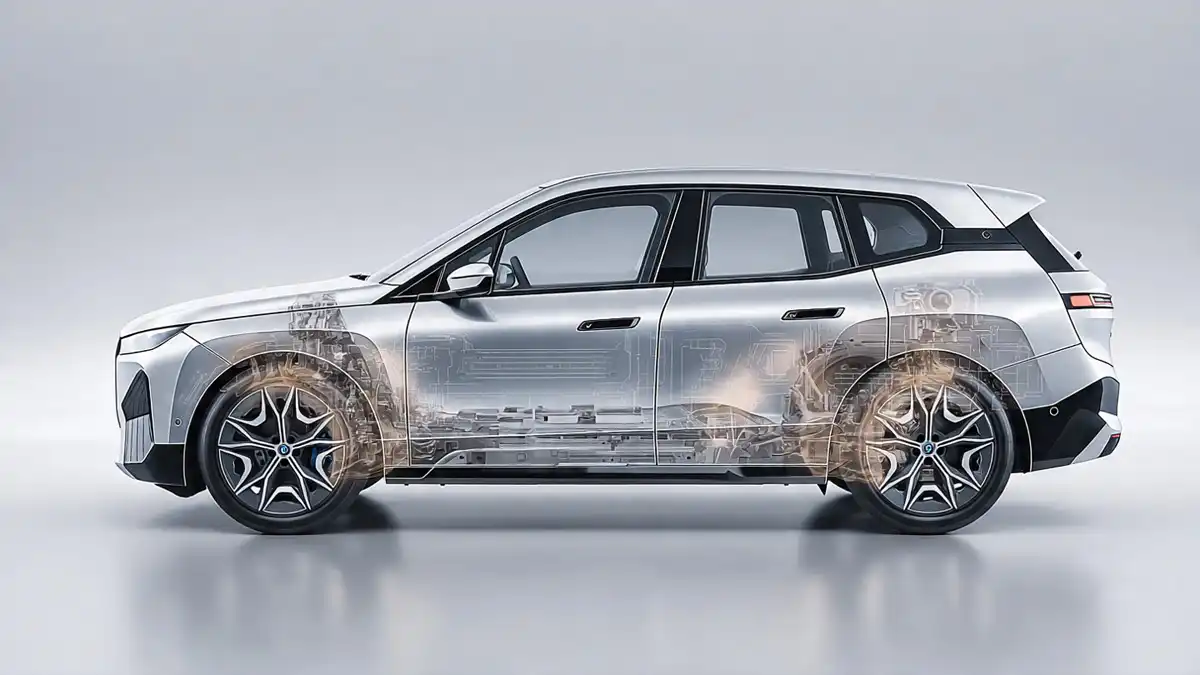
The future of autonomous driving is not limited to software and artificial intelligence. Hardware is equally critical. When you look at premium automotive brands like BMW, one thing becomes clear: performance and efficiency must go hand in hand. That is where aluminium becomes a game‑changer.
For years, BMW has used aluminium to reduce weight without compromising structural integrity. In the era of self‑driving cars, this lightweight metal is more important than ever.
Why Lightweight Materials Matter in Autonomous Driving
Traditional automotive steel is heavy. Replacing steel with aluminium reduces the overall weight of a vehicle by roughly 30–40% for the same structural component. The benefits are immediate:
- Improved energy efficiency – A lighter car requires less power to accelerate and maintain speed.
- Extended battery range – For electric vehicles (EVs), every kilogram saved adds miles to the driving range.
- Better handling and braking – Lower mass improves agility and reduces stopping distances.
These advantages become even more critical when you add the extra weight of autonomous driving systems.
The Weight Challenge of Self-Driving Hardware
A fully autonomous vehicle must carry a significant amount of additional hardware:
- Multiple high‑resolution cameras
- Long‑range and short‑range LiDAR sensors
- Radar arrays
- Powerful onboard computers and cooling systems
- Redundant actuators and safety modules
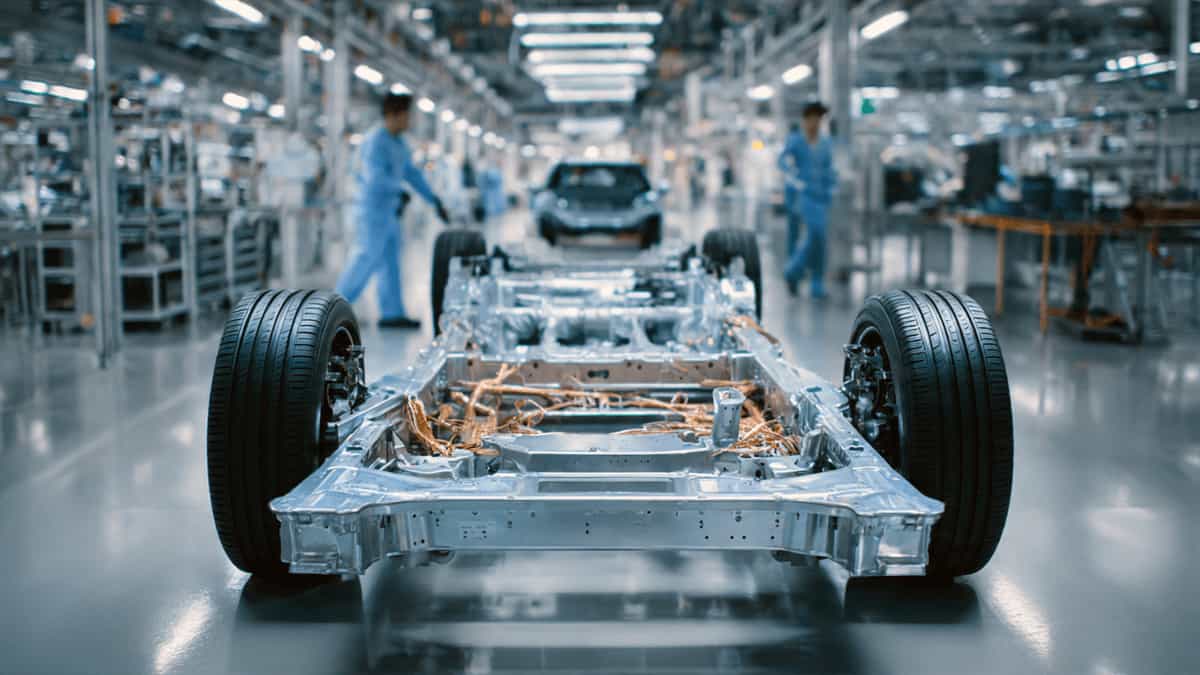
All these components add mass. If the vehicle’s body and chassis are already heavy, total efficiency drops sharply. Aluminium solves this problem by providing a lightweight yet rigid structure that offsets the weight of autonomous technology. This balance is essential for maintaining competitive range and performance.
For a deeper look at how aluminium frames benefit electric vehicles, read our guide on aluminum frames for electric vehicle EV chassis.
BMW’s Lightweight Engineering Philosophy
BMW has long followed a simple philosophy: “performance without compromise.” The brand’s “EfficientDynamics” strategy includes extensive use of aluminium in:
- Chassis components (subframes, suspension arms)
- Body panels (hoods, roofs, doors)
- Structural castings (shock towers, firewall sections)
In autonomous and electric models like the BMW iX and i4, aluminium is used even more aggressively. Why? Because a lightweight body enables:
- Better vehicle dynamics – Lower unsprung mass improves ride and handling.
- Superior energy management – Less weight means less battery power spent on moving the car.
- Increased component life – Reduced stress on suspension and drivetrain parts.
Learn about the broader industry shift in our article on aluminium’s crucial impact on transforming vehicles into next‑gen intelligent mobility.
How Advanced Aluminum Alloys Deliver Strength and Safety
Some people mistakenly believe that aluminum is weak. The reality is the opposite. Modern, advanced aluminium alloys—such as 6000‑series and 7000‑series—offer:
- High tensile strength comparable to mild steel
- Excellent crash energy absorption (aluminium crumples predictably)
- Superior corrosion resistance without heavy coatings
Independent crash tests (IIHS, Euro NCAP) have consistently shown that aluminium‑intensive vehicles perform as well as or better than steel‑based ones. BMW’s use of high‑strength aluminium extrusions in the frontal crash structure and B‑pillars ensures that autonomous cars remain safe, even with all the extra sensors and computers onboard.
For more on the material properties that make aluminium ideal for automotive use, see our guide on switching to aluminum engine blocks.
Aluminium’s Role in Electric and Autonomous BMW Models
As BMW transitions its fleet toward electrification and autonomy, aluminium becomes even more central. The BMW iX, for example, uses an aluminium spaceframe combined with carbon‑fiber reinforced plastic (CFRP) in key areas. This hybrid construction keeps the vehicle’s weight remarkably low for a large luxury EV.
Similarly, the upcoming Neue Klasse platform (launching 2025–2026) is expected to use even more aluminium extrusions and castings. These components are designed to:
- Integrate battery packs as structural elements
- Reduce part count (fewer joints = lower weight)
- Support autonomous driving hardware without requiring a heavier chassis
Discover how extrusion technology is driving this revolution in aluminium extrusion and the EV revolution.
Sustainability: The Recyclable Backbone of Future Mobility
Autonomous driving and sustainability must go together. Aluminium is infinitely recyclable without loss of quality. BMW already uses a high percentage of recycled aluminium (post‑industrial and post‑consumer scrap) in its production. Recycling aluminium consumes only 5% of the energy needed to produce primary aluminium.
For autonomous fleets—which may log hundreds of thousands of miles—this circular economy approach reduces the lifetime carbon footprint dramatically. As regulations tighten and consumers demand greener vehicles, aluminium’s recyclability gives BMW a clear competitive advantage.
Aluminium as the Silent Enabler
Autonomous driving is not just an AI game. It is a combination of smart software and smart materials. Aluminium quietly works as the backbone of future vehicles—especially for brands like BMW that refuse to compromise on performance, safety, or efficiency.
If tomorrow’s cars are to be smarter, lighter, and more sustainable, aluminium is not optional. It is essential.