AM Editors Team

Are Storm Doors Necessary in Every Climate?

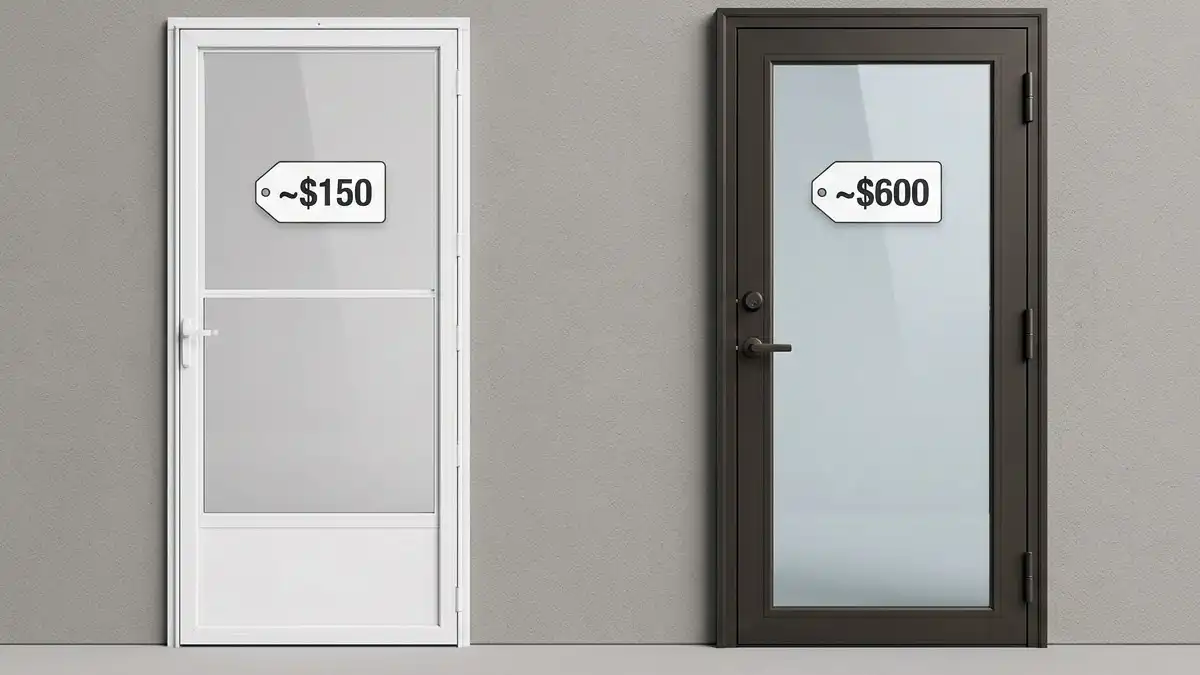
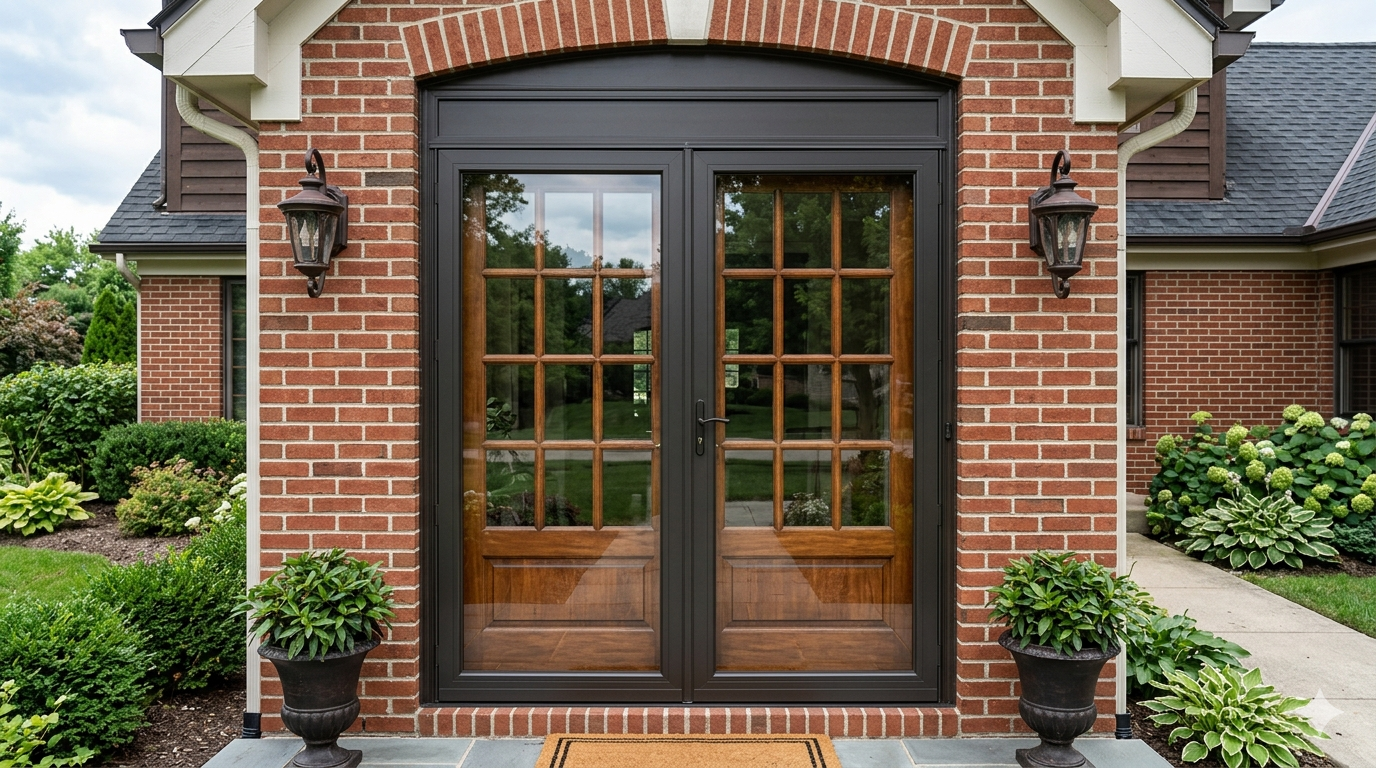
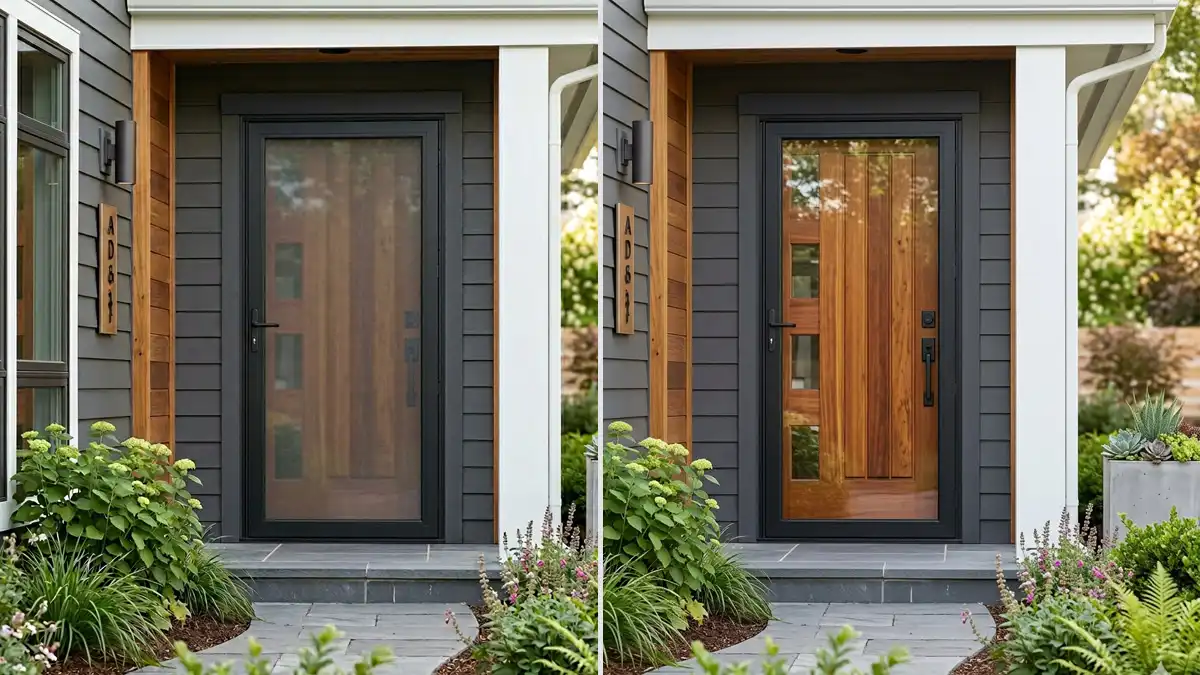
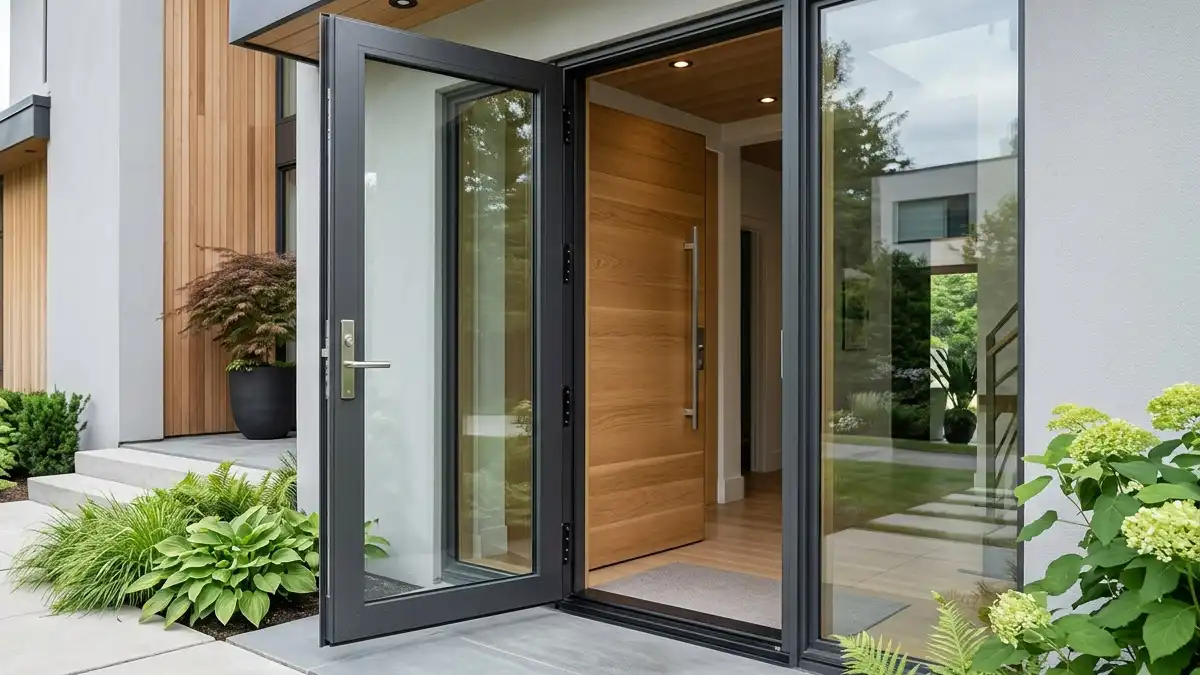
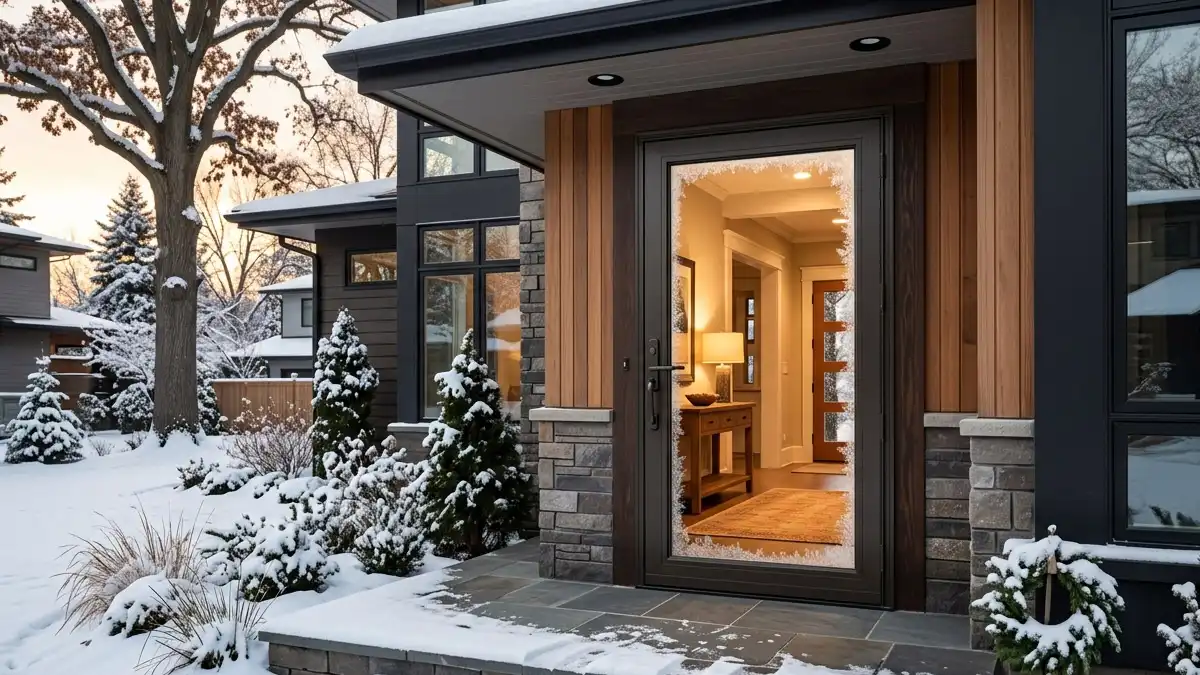
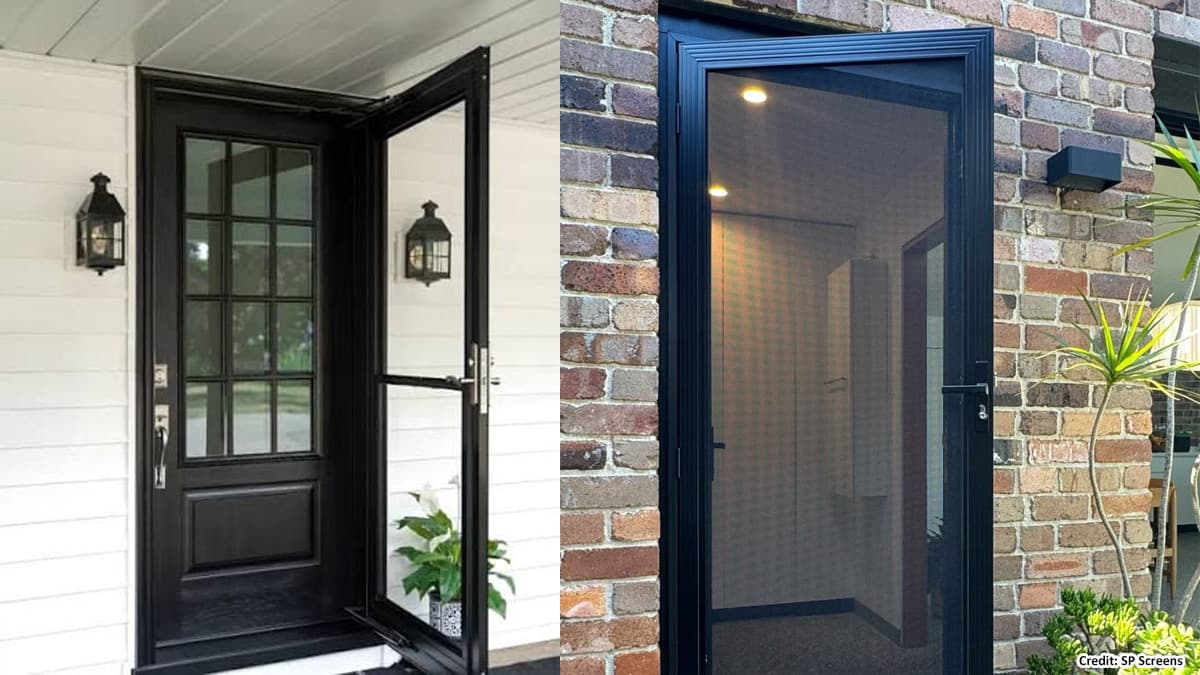
Comparison of full-view glass storm door for cold climates and ventilating aluminum storm door for hot-humid Florida

Walk through any suburban neighborhood, and you’ll see storm doors on some houses but not others. That’s not random. It’s climate response. In Minnesota, a storm door is practically standard equipment. In Phoenix, many homeowners skip them entirely. Both choices make sense given their weather patterns. So are storm doors truly necessary across the US? … Read more

What Do Storm Doors Do for a Home?

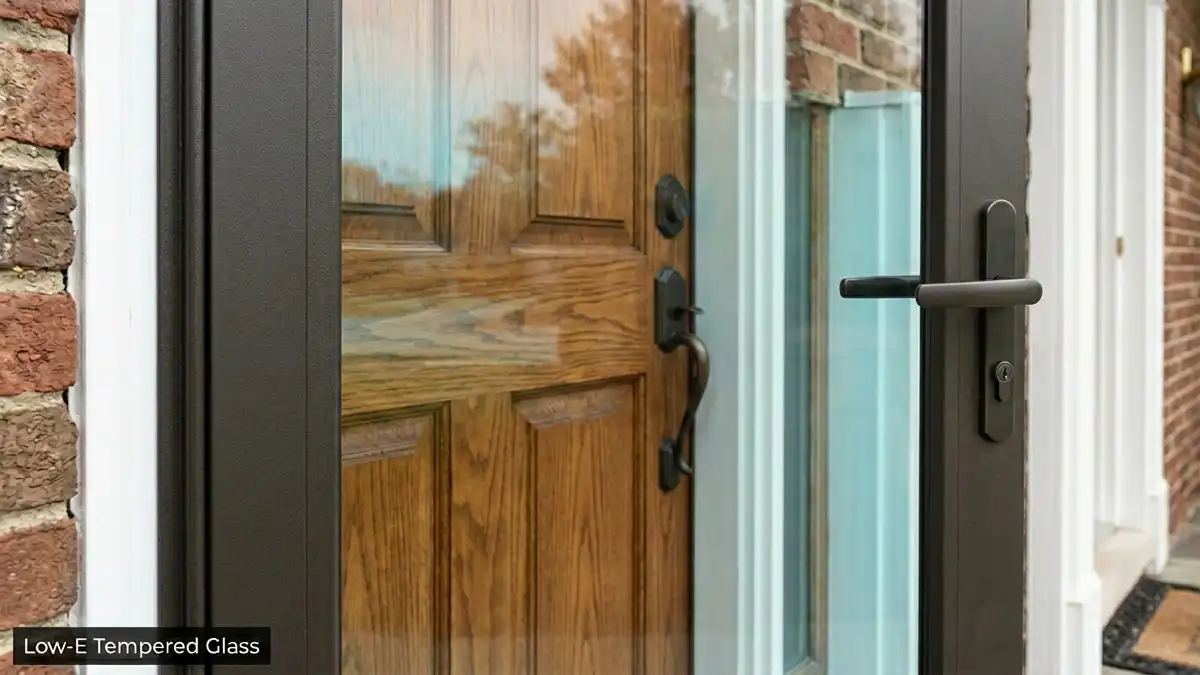
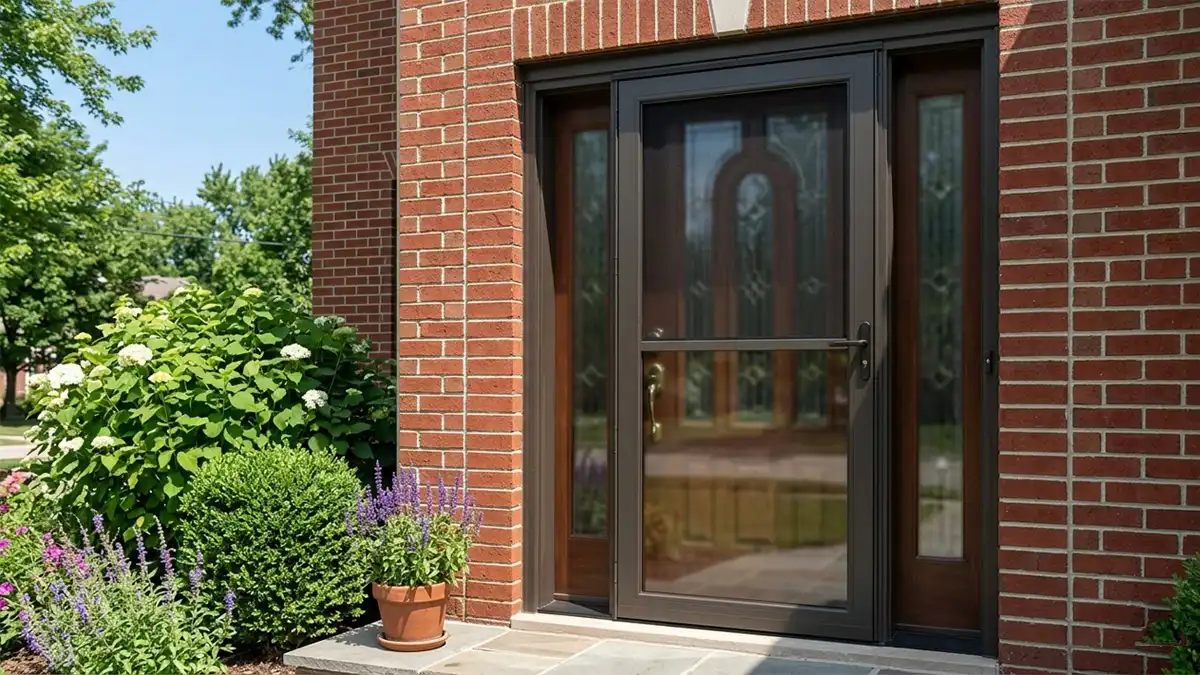
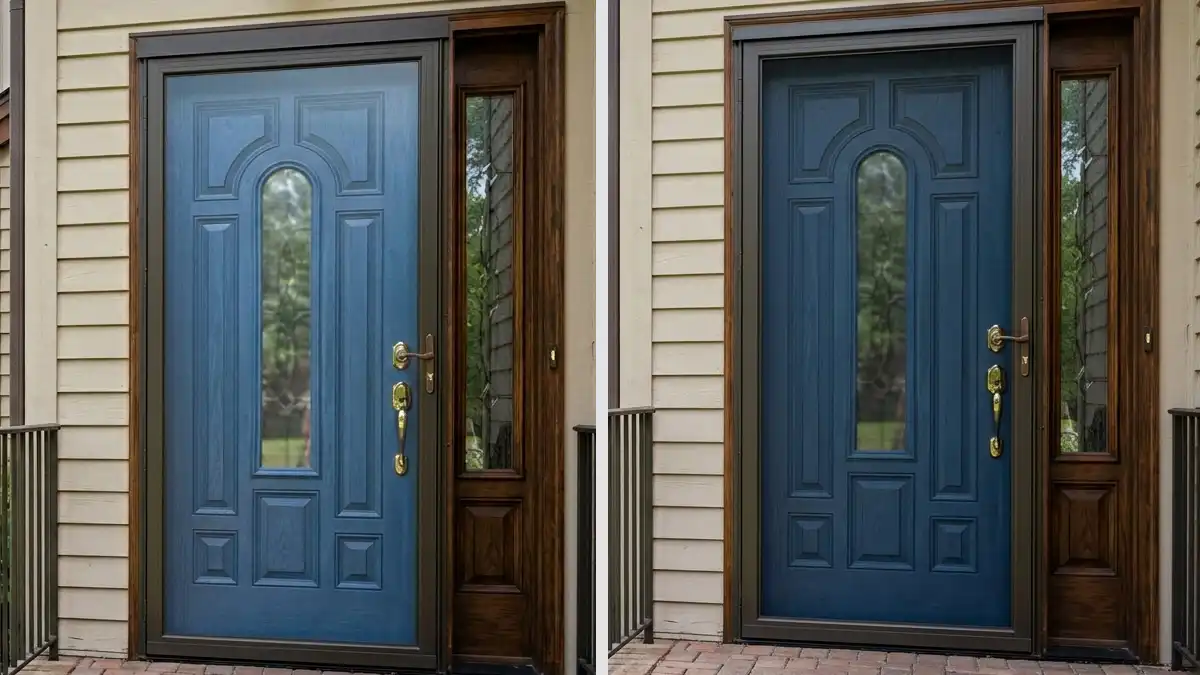
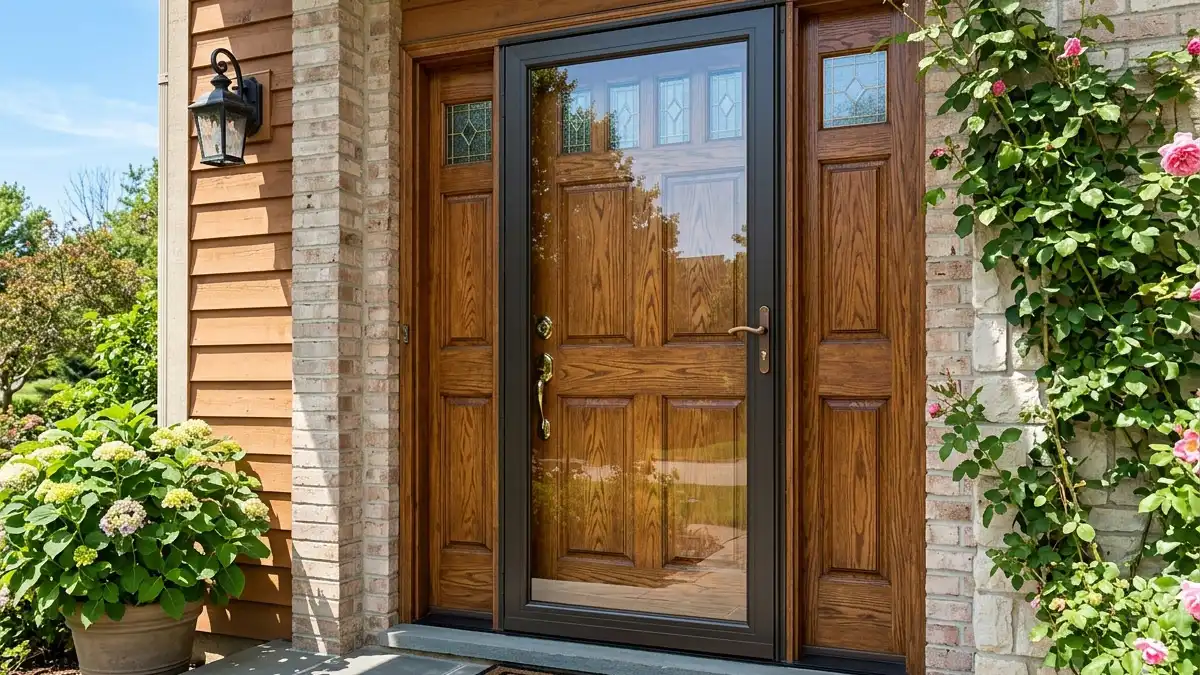
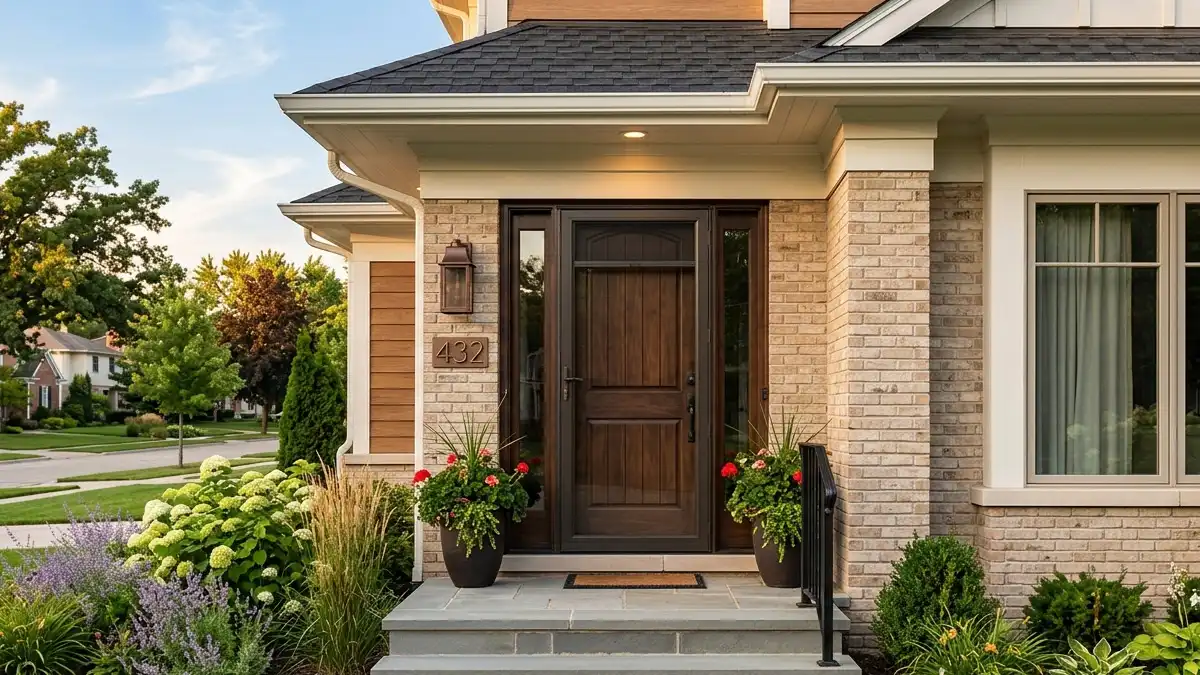
Aluminum storm door with glass panel protecting a wooden main door behind it

A storm door is not a second thought. It’s a dynamic protective barrier engineered to take punishment so your actual front door doesn’t have to. Rain, snow, UV radiation, wind pressure, and even attempted forced entry—the storm door intercepts all of it. But beyond brute defense, modern extruded aluminum storm doors actively improve your home’s … Read more

Forged Aluminum vs Hard-Anodized Aluminum Fry Pans: What’s the Real Difference?

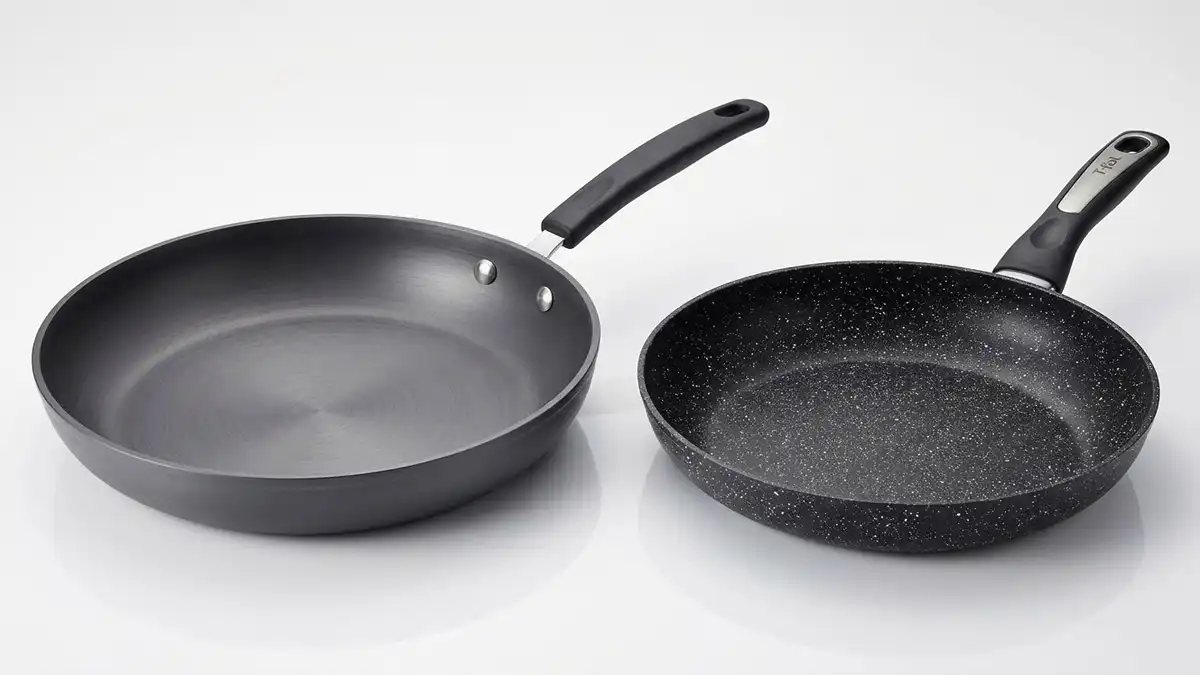
A side-by-side comparison of a smooth dark grey hard-anodized aluminum fry pan and a textured speckled forged aluminum fry pan on a light grey studio background.

If you shop for cookware long enough, you will eventually run into two terms that sound similar but are actually describing different things: forged aluminum and hard-anodized aluminium. Many cookware brands market forged aluminium fry pans as thicker, stronger, and more durable than standard aluminium pans. At the same time, hard-anodized cookware is often promoted … Read more

What Are Storm Doors? Types, Benefits & Common Uses

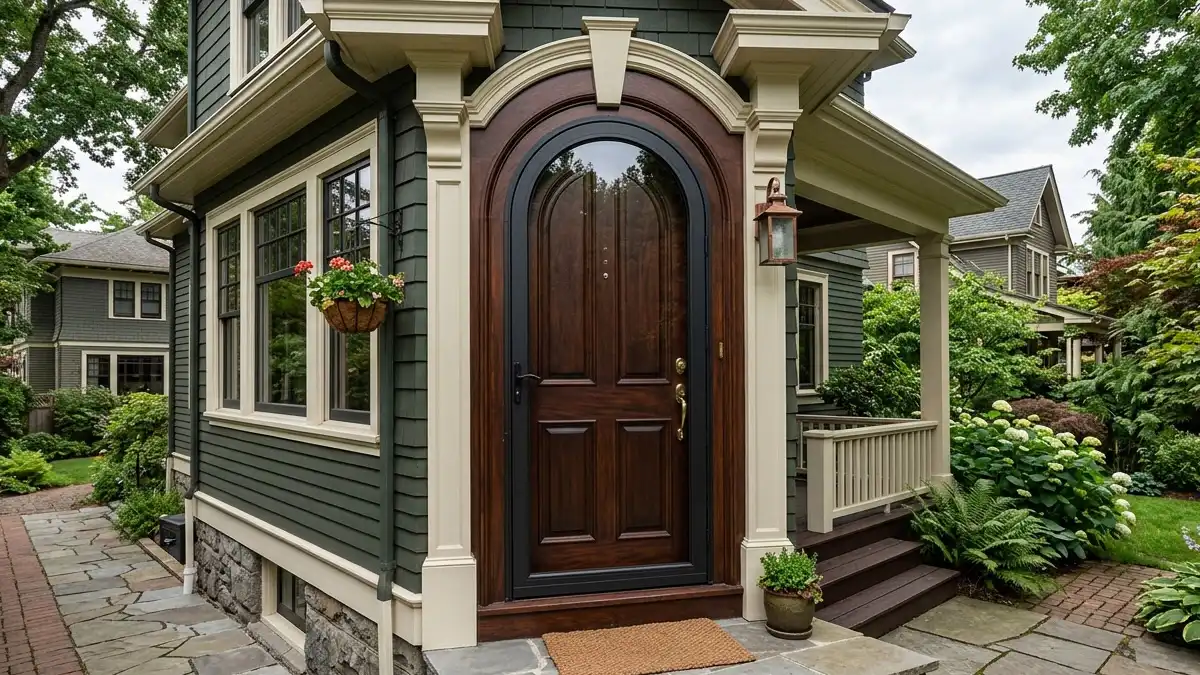
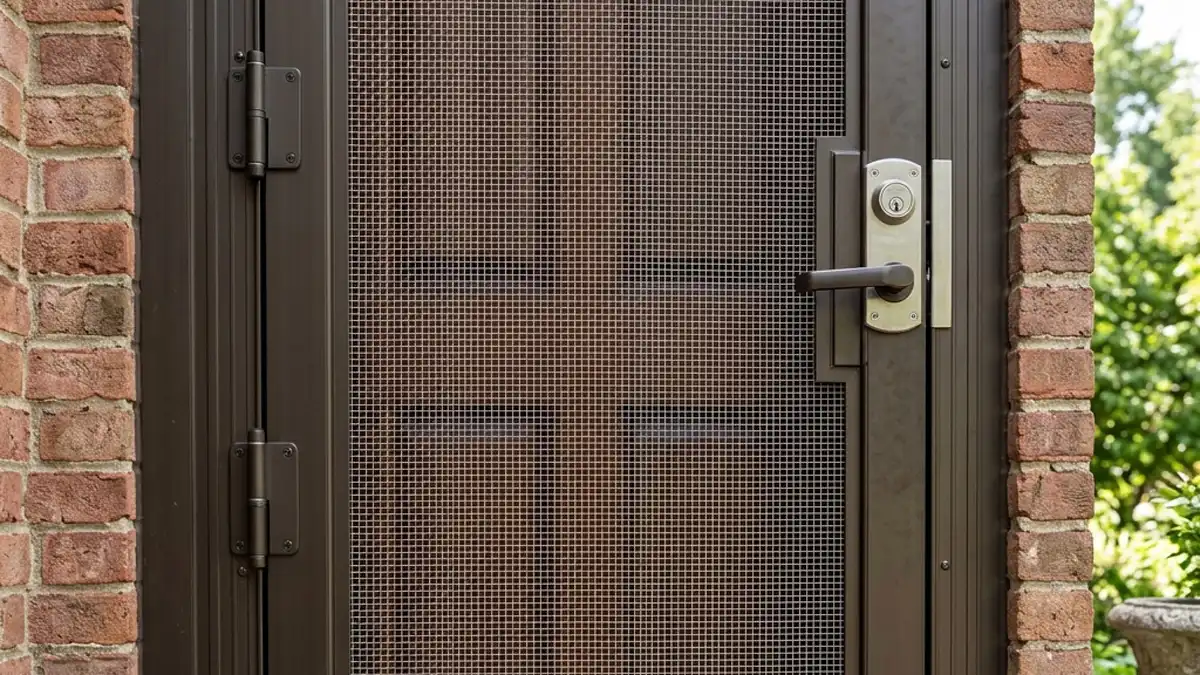
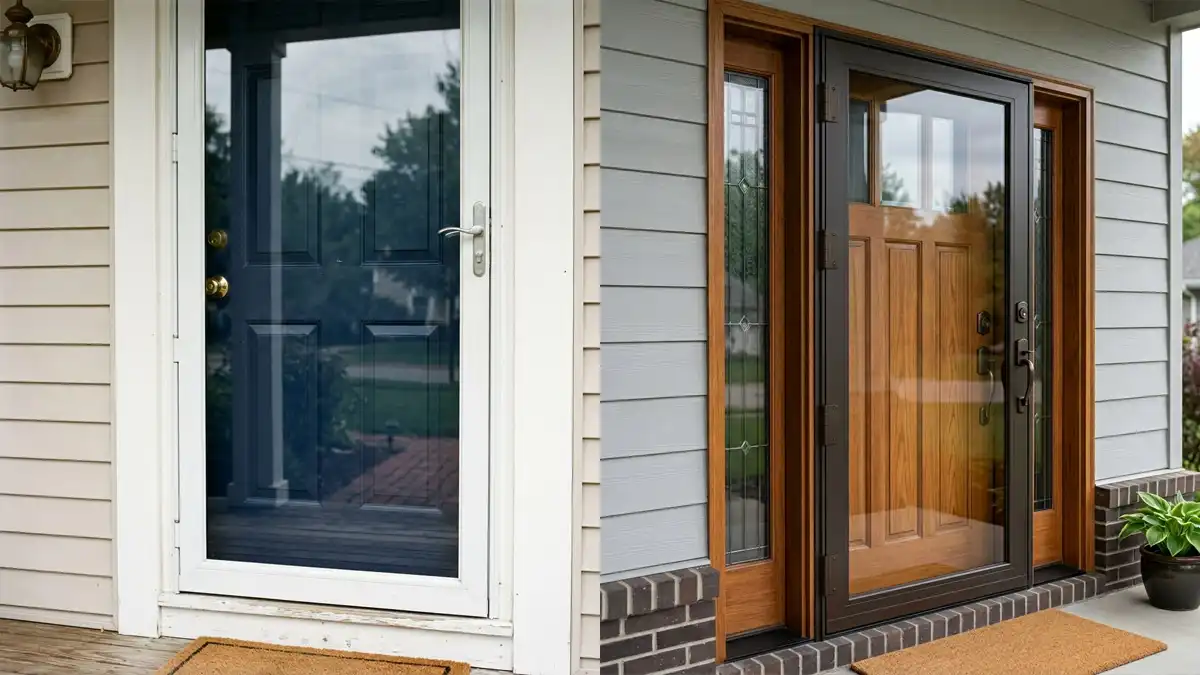
Modern aluminum storm door installed over wood front entry door with retractable screen

A storm door isn’t just a second entrance. It’s a layered defense system for your home’s most vulnerable opening. Installed over your existing entry door, this exterior-grade door protects against weather extremes while adding ventilation, security, and energy savings. But not all storm doors perform equally. The frame material determines durability, maintenance needs, and lifespan. … Read more

Who Invented the Pop Can Lock (Ring Pull Tab)? How It Changed Soda Forever

A close-up shot of a hand opening a chilled green soda can, lifting the silver ring pull tab as a dramatic burst of carbonation mist sprays out against a green background.

A hidden history of the most overlooked invention in beverage packaging. That Tiny Metal Tab You Never Think About Every soda can you open has a hidden piece of engineering most people never think about — the tiny metal tab. It looks simple, almost disposable… but it is actually the result of two major inventions, … Read more

Aluminum Fencing Business: The Complete Guide

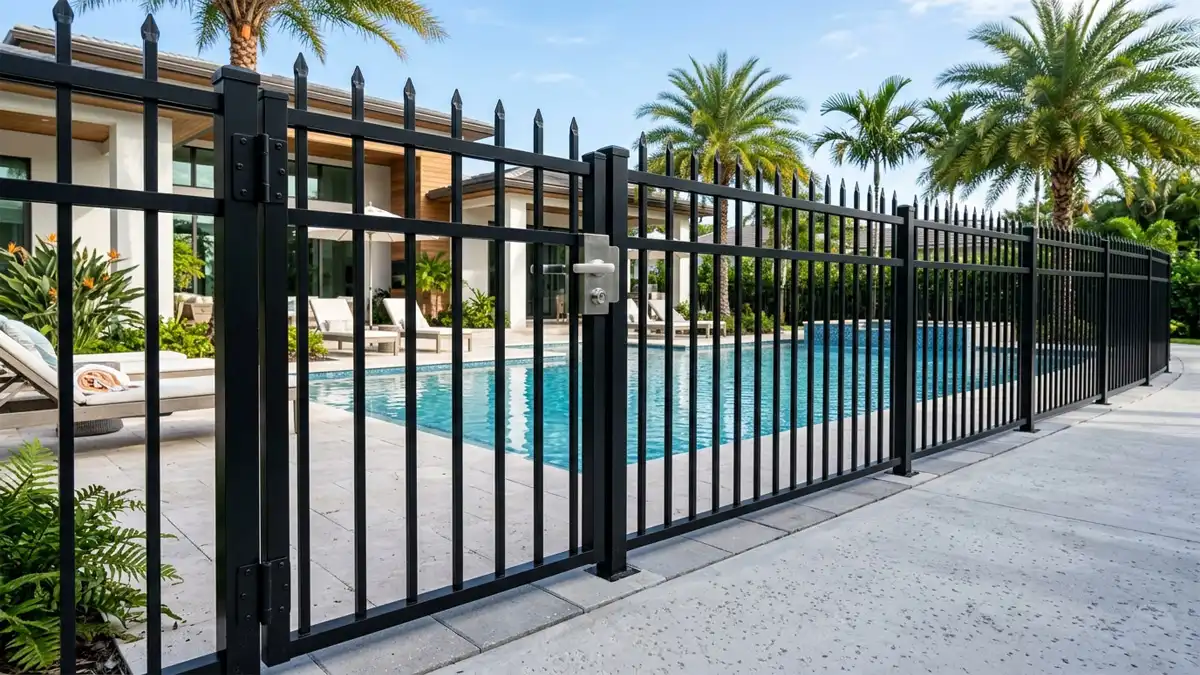
Black powder coated aluminum pool fence with self-closing gate and stainless steel hardware in residential backyard

1. What Is an Aluminum Fencing Business? An aluminium fencing business involves manufacturing, fabricating, distributing, or installing fences where the primary structural material is aluminium extrusions – typically pickets, rails, posts, and gates. Unlike traditional steel or wrought iron, aluminium fencing offers: This business serves homeowners, HOAs, pool contractors, security consultants, and government agencies.Ads “Aluminium … Read more

Aluminium Outdoor Umbrella Business: The Complete Guide

Aluminium outdoor cantilever umbrella with bronze anodized frame and terracotta fabric canopy beside luxury resort pool

1. What Is an Aluminium Outdoor Umbrella Business? An aluminium outdoor umbrella business involves designing, manufacturing, or distributing shade solutions where the structural frame—hub, ribs, pole, and crank mechanism—is primarily fabricated from aluminium extrusions and tubes. Unlike traditional wooden or steel umbrellas, aluminium variants offer corrosion resistance, lightweight portability, and structural rigidity. This business serves … Read more

If You Have an Awning Window, You’re Probably Underestimating It

Woman sitting beside an open aluminium awning window enjoying rain and fresh airflow in a modern apartment.

Most people think an awning window is just for ventilation.Open it. Get some air. Close it. Done. But honestly? Some of the best moments at home happen right there. A quiet morning coffee while cool air drifts in — not blasting your face.Listening to rain without getting soaked.Late afternoon sunlight hitting the room just enough … Read more

Aluminium Telescopic Ladders: Benefits, Safety & Climate Guide

Aluminium telescopic ladder extended partially, with climate and storage icons

⚡ Electrical Hazard – Aluminium conducts electricity. Never use near live wires. For electrical work, use a fiberglass ladder. What Is an Aluminium Telescopic Ladder? A telescopic ladder (or extendable ladder) collapses into itself for compact storage. When fully retracted, it’s about one‑third of its extended length. Made from lightweight aluminium, it’s easy to carry … Read more

Aluminium Ladder Storage Tips for Humid and Coastal Areas

Aluminium telescopic ladder stored vertically indoors with icons for rinsing, drying, and UV protection

If you live near the ocean, in a tropical monsoon region, or anywhere with high humidity, storing your aluminium telescopic ladder requires special care. While aluminium does not rust like steel, humidity and salt air are aggressive enemies that can cause pitting, lock failure, and structural weakening. This guide provides practical, climate‑specific storage tips for … Read more

EN131 and OSHA Ladder Safety Standards Explained

Close up of EN131‑6 and ANSI A14.2 certification label on a telescopic ladder

When you buy a telescopic ladder, you will see labels like EN131, OSHA, or ANSI. These are not just marketing stickers – they are safety certifications that tell you the ladder has passed rigorous testing. Understanding what these standards mean can save your life. This guide explains EN131, OSHA, ANSI, and other global ladder standards, … Read more

How Long Do Aluminium Telescopic Ladders Last?

Infographic showing aluminium telescopic ladder lifespan: 15-20 years indoors, 1-3 years outdoors

If you are investing in a telescopic ladder, you want to know how many years of service you can expect. The answer depends on how you use it, where you store it, and how well you maintain it. A high‑quality aluminium telescopic ladder can last 15–20 years for residential use, 5–10 years for professional use, … Read more

Why Cheap Telescopic Ladders Feel Unsafe

Comparison of a cheap wobbling telescopic ladder with broken lock vs a sturdy certified ladder

You have seen them online – telescopic ladders priced at $50–$80, claiming to support 300 pounds while extending to 15 feet. They look identical to reputable brands costing three times as much. But when you climb one, something feels wrong. The ladder wobbles. The locks don’t click confidently. The rungs flex under your weight. That … Read more

Can Aluminium Telescopic Ladders Be Left Outside?

A clean, modern aluminium telescopic ladder leaning against a house wall during a light rain, illustrating the risks of outdoor storage.

One of the most common questions from telescopic ladder owners is: Can I leave my aluminium ladder outside? The short answer is no – you should not leave an aluminum telescopic ladder outdoors for extended periods. While aluminium is naturally corrosion‑resistant, prolonged exposure to rain, sun, humidity, and temperature swings will damage the ladder, shorten … Read more

How Heat Affects Aluminium Extendable Ladders

Aluminium ladder in direct sun with thermometer showing hot surface temperature

Heat is one of the most underestimated threats to aluminum telescopic ladders. While aluminium is a metal known for its strength and durability, extreme temperatures – especially high heat – can affect its performance, safety, and lifespan. Whether you live in the scorching deserts of Australia, the hot plains of India, or the summer heatwaves … Read more

Do Aluminium Telescopic Ladders Rust?

Aluminium Ladder Extrusion - Corrosion White Oxidation

If you own or are considering buying an aluminum telescopic ladder, you have probably wondered: Will it rust over time? The short answer is no – aluminium does not “rust” in the way steel does. However, aluminium can corrode under certain conditions. Understanding the difference between rust and aluminium oxidation is essential for keeping your … Read more

Aluminium vs Fiberglass Telescopic Ladder: Which One Should You Choose?

A side-by-side comparison banner showing a yellow fiberglass telescopic ladder and a silver aluminum telescopic ladder in various stages of extension on a minimalist studio background.

Choosing between an aluminium and a fiberglass telescopic ladder is one of the most important safety decisions you will make. The right material depends on your work environment, climate, and the type of tasks you perform. This guide compares both materials across every key factor, so you can make an informed, safe choice. ⚡ CRITICAL … Read more

Why Aluminium Is Used in Telescopic Ladders

Aluminium telescopic ladder extended partially, with climate and storage icons

⚡ ELECTRICAL HAZARD WARNING – READ FIRSTAluminium is a conductor of electricity. Never use an aluminium telescopic ladder near live electrical wires, power lines, or electrical panels. Failure to follow this warning can result in severe injury. Lightweight Strength Benefits The primary reason aluminium dominates telescopic ladder manufacturing is its exceptional strength‑to‑weight ratio. For a … Read more

Do Curtain Walls Save Energy? (Thermal Break Explained)

Luxury high-rise building with thermal break curtain wall on a snowy night — one warm lit floor with fireplace and people, snow piling on windowsill, no condensation.

Walk into any glass-walled skyscraper on a hot summer day. If the building is well designed, you will feel comfortable — not sweaty, not freezing. If it is poorly designed, you will feel a distinct chill or heat radiating from the glass. The difference often comes down to one critical feature: the thermal break. But … Read more

Why Aluminium Is Used in Curtain Wall Systems

Hand holding a complex aluminium extrusion profile for a curtain wall system, showing multi-cavity design and thermal break slot, with high-rise facade installation in background.

Walk through any major city and look up. The shimmering glass and metal envelopes of skyscrapers are almost always built around aluminium. It’s not a coincidence. Steel, wood, fiberglass, and even concrete have been tried, but aluminium has emerged as the global standard for curtain wall framing. Why? Because no other material delivers the perfect … Read more

Do You Know? How Curtain Wall Systems Handle Wind Load & Water Drainage

Inside a high-rise office during a heavy storm, looking at a glass curtain wall with rain pouring outside while workers sit comfortably inside.

Curtain walls are the unsung heroes of modern skyscrapers. They are lightweight, visually stunning, and engineered to withstand immense forces from nature. But two critical performance challenges define a successful curtain wall: wind load resistance and water drainage management. A failure in either can lead to catastrophic glass blowouts or annoying, destructive leaks. So, how … Read more

Stick Curtain Wall vs Unitized Curtain Wall – Which Is Better?

Stick curtain wall components assembled on-site next to a factory-fabricated unitized curtain wall module for a high-rise building facade.

When designing a modern building’s envelope, the choice between a Stick-Built and a Unitized Curtain Wall is a foundational decision that has significant repercussions on a project’s timeline, budget, quality, and long-term performance. This isn’t just a simple “this or that. ” It’s a high-stakes calculation that requires balancing numerous technical and logistical factors. This … Read more

Facade: What It Really Means in Modern Buildings

Modern building facade with aluminium panels and glass curtain wall, showing layered exterior envelope.

Why This Word Is Everywhere in Architecture Walk into any architectural discussion, read a construction magazine, or listen to a building designer. You will hear the word facade constantly. Architects, builders, and developers use it because it captures something essential about a building – its outer face, its personality, and its performance all at once. … Read more