Aluminium - Aluminium Magazine

Aluminium 7068 (Aluminum 7068): The Ultimate Strength Aluminum Alloy
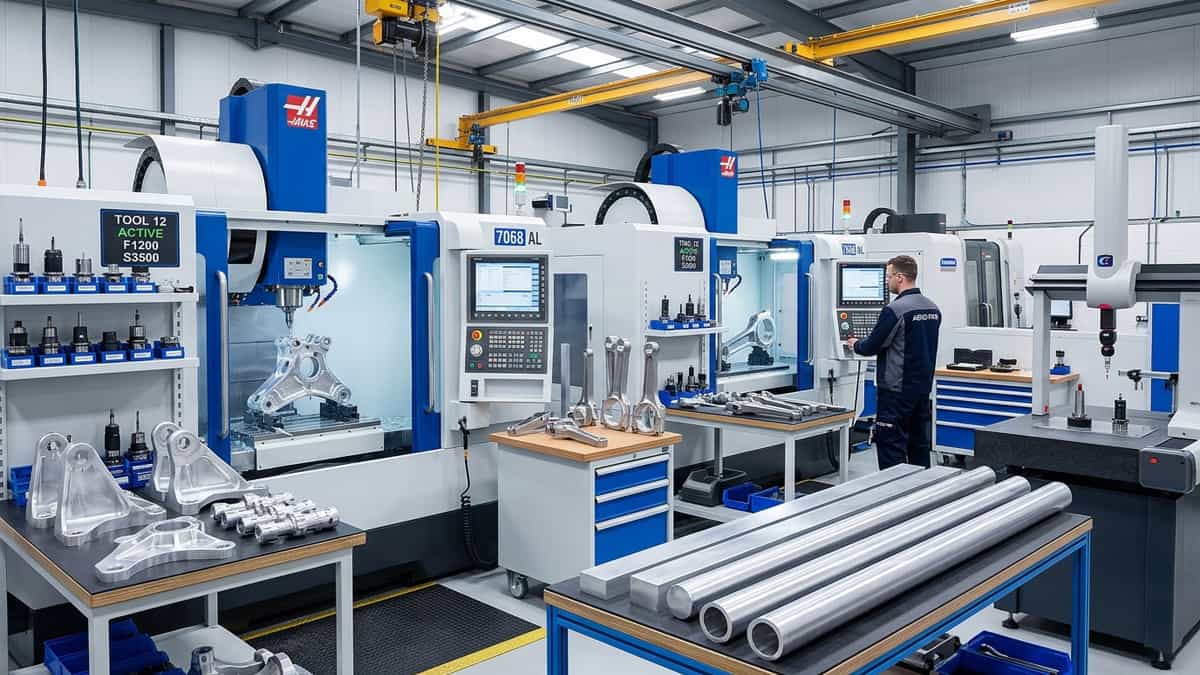
Aluminium 7068 alloy landing gear components and connecting rods on a precision CNC machining line

Aluminium 7068 – also known as Aluminum 7068 – is a heat-treatable aluminium-zinc-magnesium-copper alloy that holds the crown as the strongest commercially available aluminum alloy. Developed by Kaiser Aluminum as a higher-strength replacement for 7075 in ordnance applications, 7068 aluminum offers ultimate tensile strength exceeding 700 MPa (over 100 ksi) – putting it in the … Read more
Aluminium 7475: The Second-Generation Aerospace Alloy for Superior Fracture Toughness

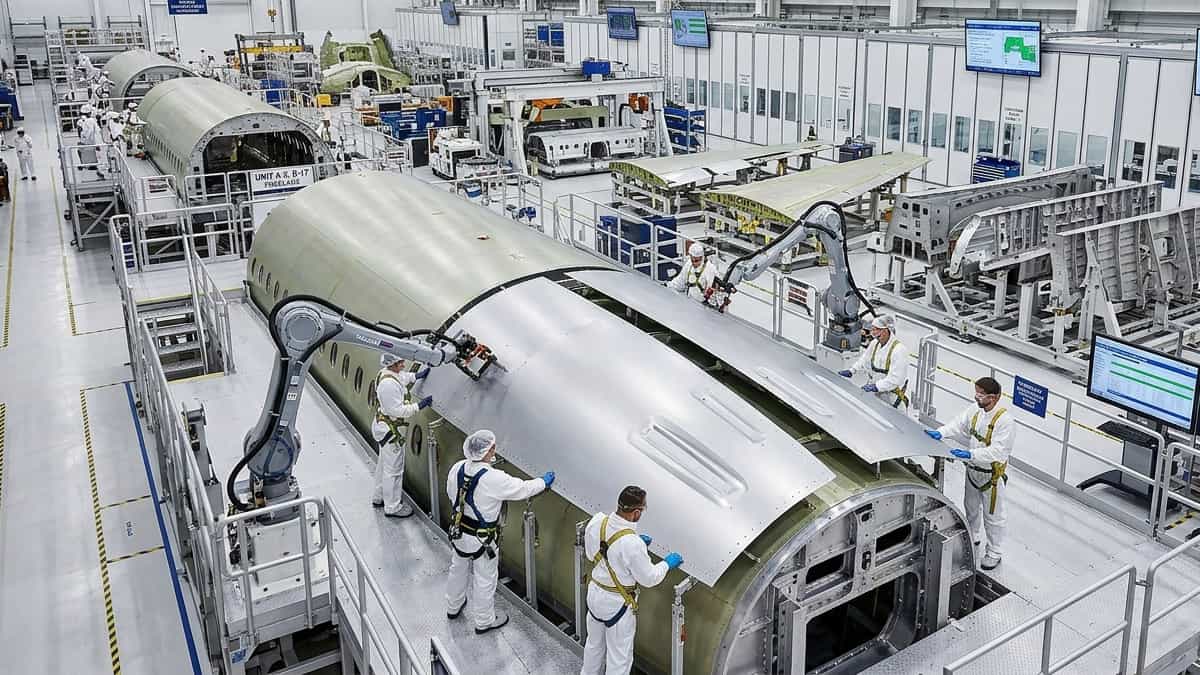
Aluminium 7475 alloy fuselage panels and wing skins being assembled on an aircraft production line

Aluminium 7475 – also known as Aluminum 7475 – is a heat-treatable aluminium-zinc-magnesium-copper alloy that represents the second generation of the 7000 series. Developed by Alcoa and registered in 1969 as a controlled‑toughness alloy, 7475 aluminum offers a fracture toughness approximately 40% greater than the industry‑standard 7075 while maintaining comparable high strength. It is the … Read more

Aluminium 5754 (Aluminum 5754): The Versatile Workhorse of the 5000 Series

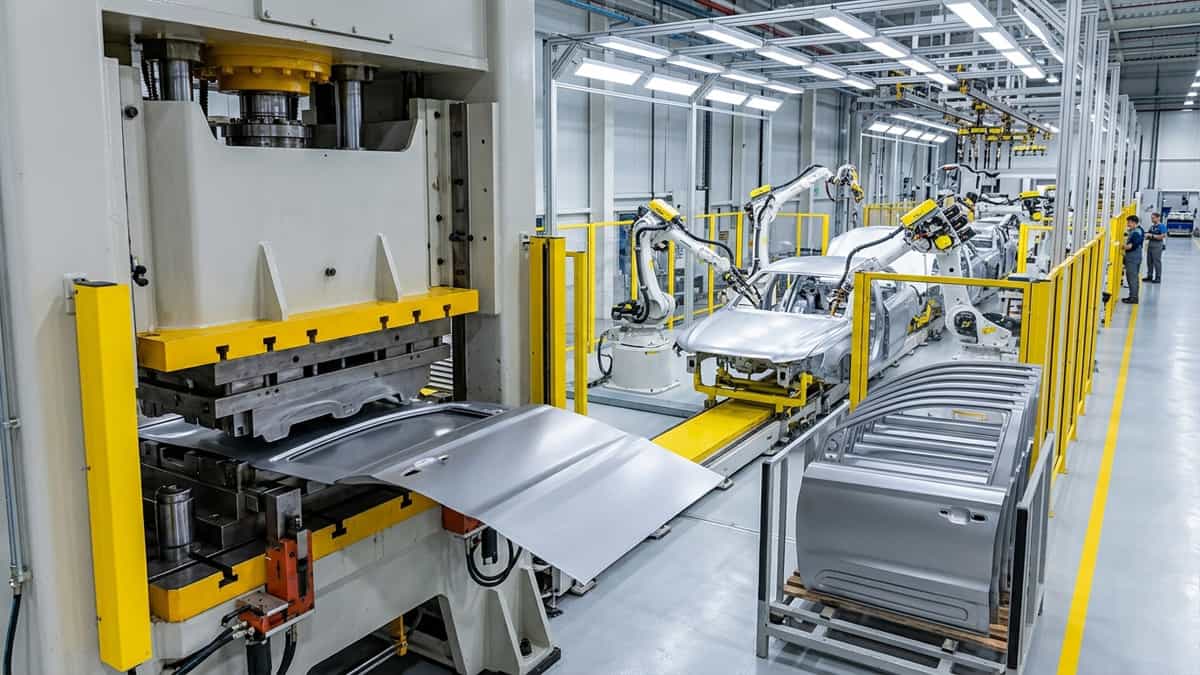
Aluminium 5754 alloy automotive body panels being stamped and assembled in a modern car manufacturing plant

Aluminium 5754 – also known as Aluminum 5754 – is a non-heat treatable aluminium-magnesium alloy that strikes the perfect balance between strength, formability, and corrosion resistance. With a magnesium content of 2.6–3.6%, 5754 aluminum offers medium-to-high strength, excellent weldability, and outstanding performance in marine and automotive applications. It is the go-to alloy for vehicle body … Read more

Aluminium 5454 (Aluminum 5454): The Elevated Marine Alloy for Elevated Temperatures

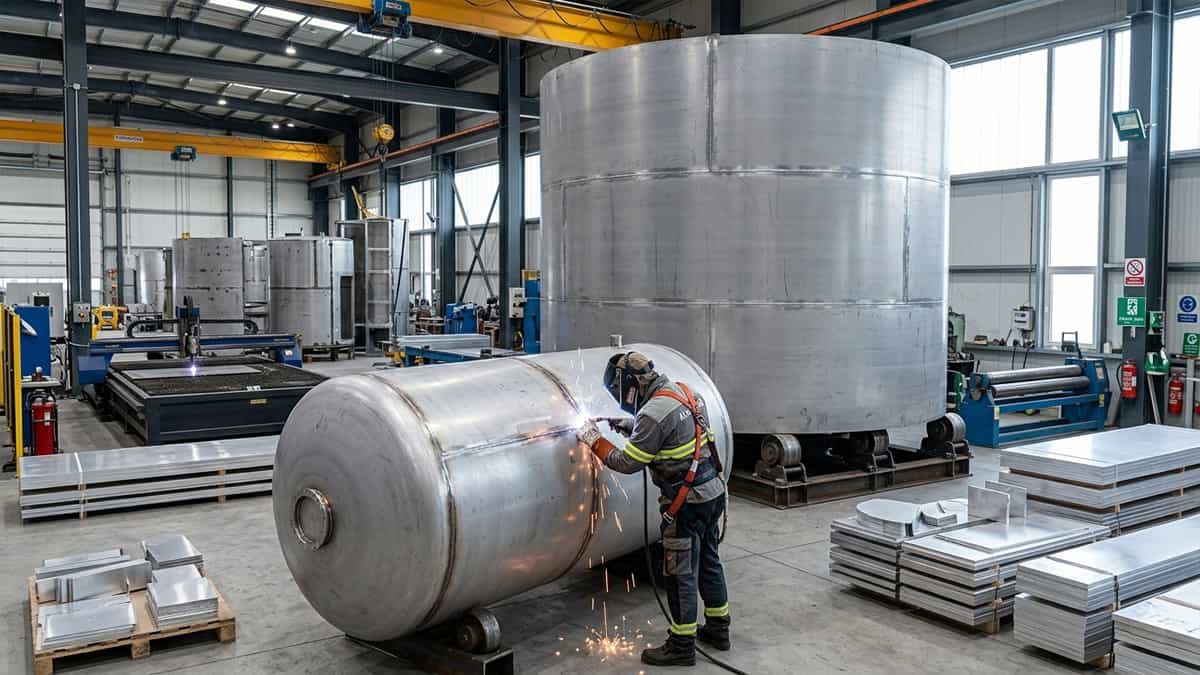
Aluminium 5454 alloy pressure vessel and chemical storage tank under construction in industrial fabrication facility

Aluminium 5454 – also known as Aluminum 5454 – is a non-heat treatable aluminium-magnesium alloy that serves as the elevated-temperature specialist of the 5000 series. With outstanding resistance to seawater corrosion, medium-to-high strength that persists at elevated temperatures (65–170°C), and good weldability, 5454 aluminum is the preferred choice for pressure vessels, chemical storage tanks, marine … Read more

Aluminium 5052 (Aluminum 5052): The Marine-Grade Alloy for Superior Corrosion Resistance & Strength

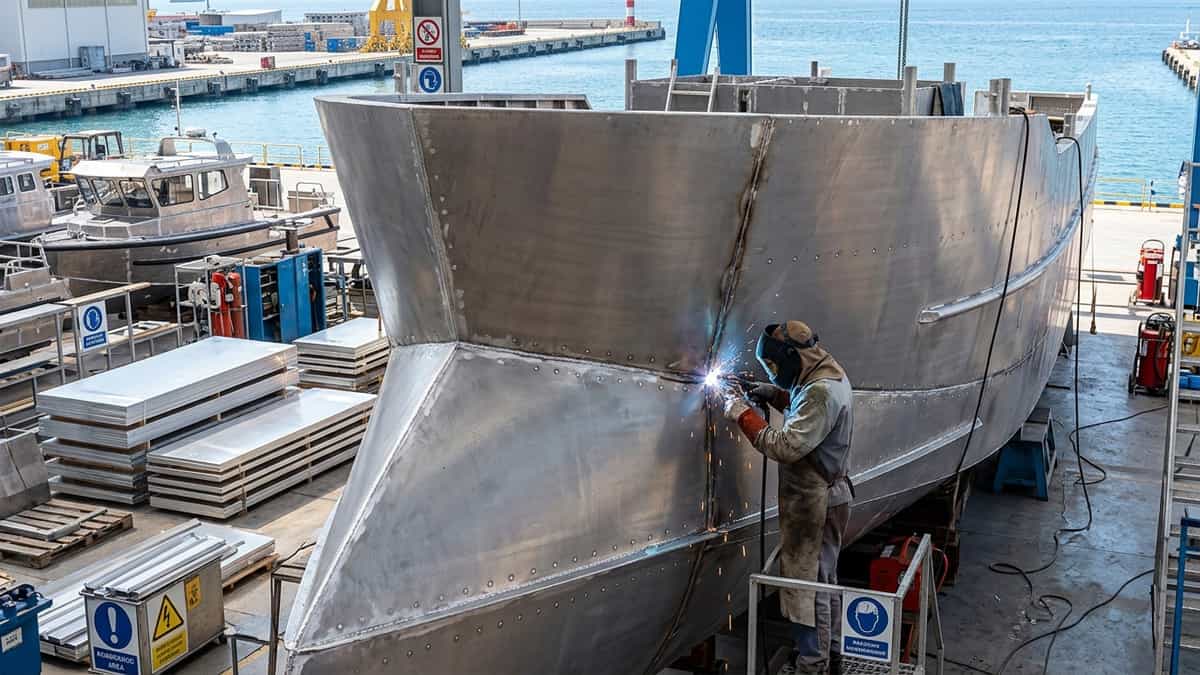
Aluminium 5052 alloy boat hull under construction in shipyard, showcasing marine-grade corrosion resistance

Aluminium 5052 – also known as Aluminum 5052 – is a non-heat treatable aluminium-magnesium alloy that stands as the industry benchmark for marine environments. With outstanding corrosion resistance (especially to saltwater), high fatigue strength, and excellent formability, 5052 aluminum is the go-to alloy for boat hulls, fuel tanks, sheet metal work, and applications where durability … Read more

Aluminium 5005 (Aluminum 5005): The Architect’s Alloy for Superior Finish and Corrosion Resistance

Aluminium 5005 alloy curtain wall installation on modern building facade with anodized finish

Aluminium 5005 – also known as Aluminum 5005 – is a non-heat treatable aluminium-magnesium alloy that has earned its reputation as the architect’s alloy. With excellent corrosion resistance, superior anodizing capabilities, and moderate strength, 5005 aluminium is the preferred choice for architectural applications, signage, and decorative finishes where aesthetics matter as much as durability. What … Read more

Aluminium 4032 / Aluminum 4032

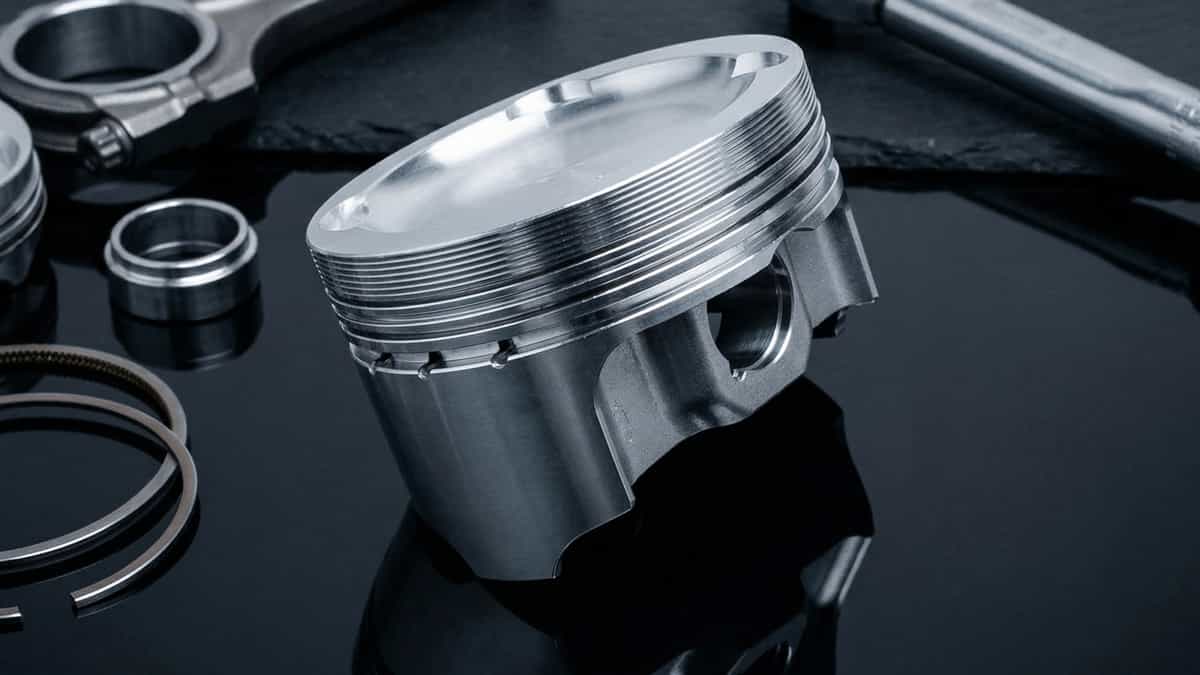
Aluminium 4032 forged piston with high silicon alloy composition used in automotive engine applications

The High-Temperature Specialist: Forged for Power and Precision In the diverse family of aluminium alloys, most are designed for general-purpose fabrication, corrosion resistance, or structural strength. Aluminum 4032 occupies a far more specialized niche. As a wrought alloy within the 4000 series (aluminium-silicon system), 4032 is specifically engineered for one of the most demanding applications … Read more

Aluminium 6060 / Aluminum 6060

Aluminium 6060 curtain wall system on modern high rise building with glass facade and structural framing

The Versatile Extrusion Alloy: Balancing Form, Finish, and Economy In the family of 6000 series aluminium alloys, each member serves a distinct purpose. Aluminum 6060 is the economical workhorse—a leaner, more extrudable cousin of 6063 that prioritizes surface quality, complex shaping, and cost-effectiveness over outright strength. While 6063 dominates architectural applications where moderate strength is … Read more

Aluminium 6063 (Aluminum)

Aluminium 6063 sliding glass door in modern home patio with large glazed panels and sleek frame

The Architectural Alloy: Shaping the Modern Skyline In the vast family of aluminum alloys, some are celebrated for strength, others for corrosion resistance, and still others for weldability. Aluminium 6063 earns its distinction through a different virtue: extrudability. As the most widely used alloy for architectural extrusions, 6063 has literally shaped the modern world—forming the … Read more

Aluminium 4032 (Aluminum 4032)

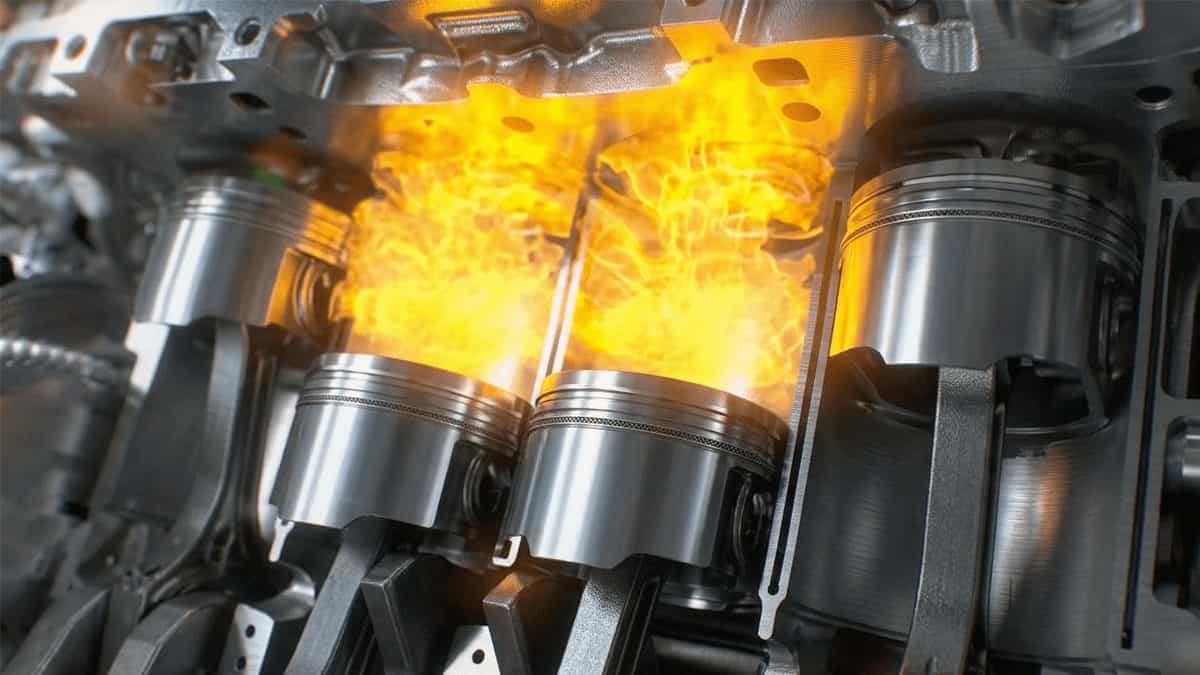
4032 aluminium piston operating inside internal combustion engine under high heat and pressure

In the diverse family of aluminum alloys, most are designed for general-purpose fabrication, corrosion resistance, or structural strength. Aluminium 4032 occupies a far more specialized niche. As a wrought alloy within the 4000 series (aluminum-silicon system), 4032 is specifically engineered for one of the most demanding applications in mechanical engineering: high-performance pistons and components that … Read more

Aluminum Sheet vs Aluminium Plate: Key Differences

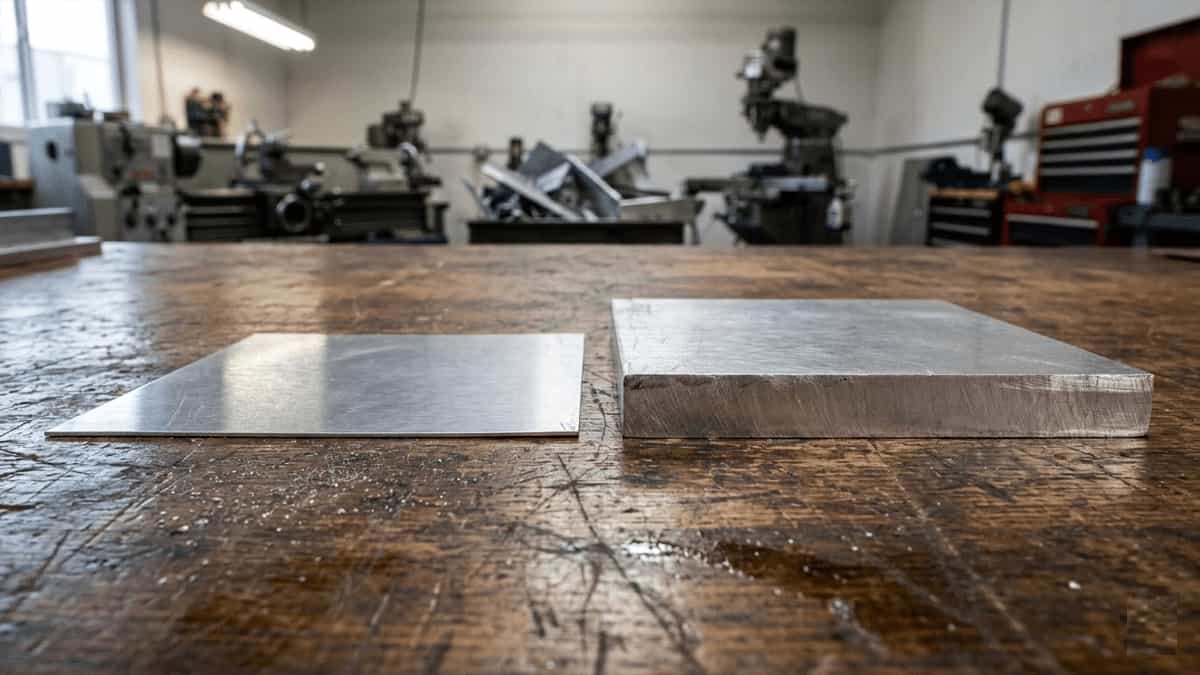
difference between aluminum sheet and aluminum plate thickness comparison

In the world of metal fabrication and industrial supply, the terms “sheet” and “plate” are often used interchangeably by beginners. However, asking for a “sheet of aluminum” when you actually need an “Aluminium Plate” can lead to significant project delays, structural failures, or unnecessary costs. While both are flat-rolled products, the distinction between a sheet … Read more

Types of Aluminium Sheets Used in Construction Projects

building facade using aluminum composite panels and aluminum sheets in modern construction

In modern construction, aluminum has become an indispensable material, and its sheet form is one of the most versatile building products available. From the roofs over our heads to the sleek, modern facades of city skyscrapers, aluminum (aluminium) sheets provide a unique combination of durability, lightweight performance, and aesthetic flexibility. The construction industry relies on … Read more

4×8 Aluminum & Aluminium Sheet: Standard Size, Thickness Options & Uses

worker measuring large 4x8 aluminum sheet in metal fabrication workshop

In the world of metal fabrication and manufacturing, few dimensions are as ubiquitous as the 4×8 sheet. Whether you’re walking through a metal supply warehouse, a sign shop, or an automotive fabrication facility, you’ll inevitably encounter stacks of these standard-sized sheets. A 4×8 aluminum sheet (4×8 aluminium sheet) is a material that measures 4 feet … Read more

Aluminium Sheet Thickness: Standard Gauges, mm & Industrial Uses

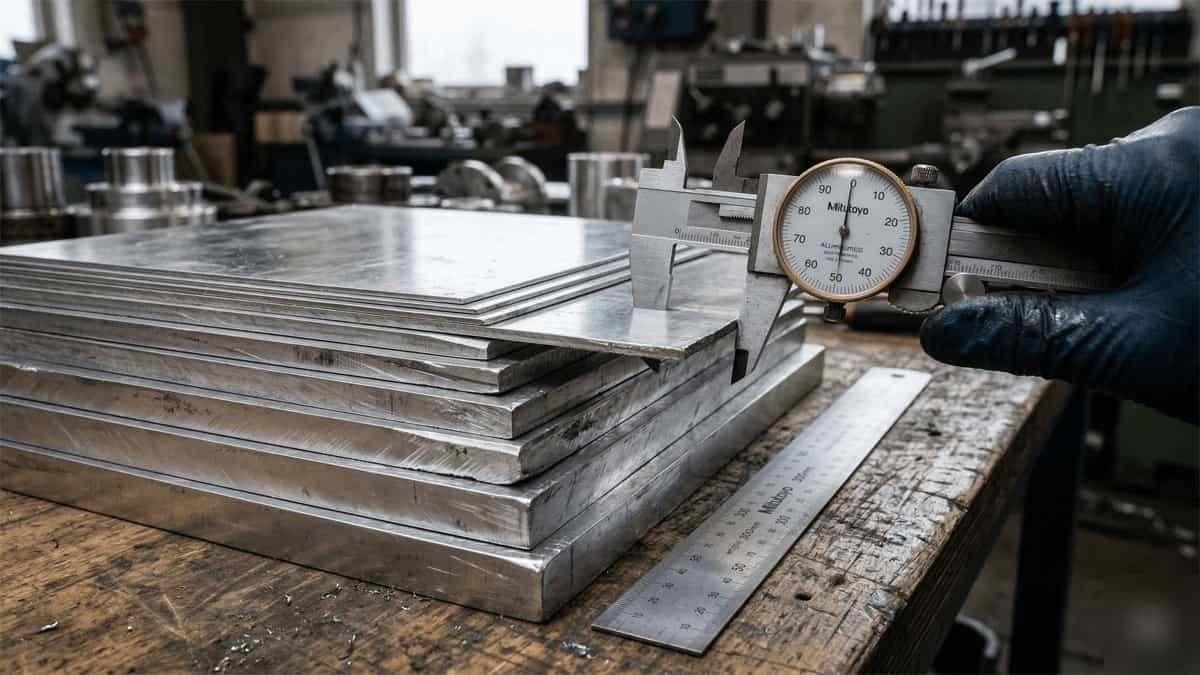
measuring aluminum sheet thickness with precision gauge in metal workshop

Aluminum (Aluminium) sheets are the unsung heroes of modern manufacturing and construction, found in everything from the body panels of your car to the roofing over your head. But when it comes to selecting the right sheet for a project, one question dominates all others: What thickness do I need? Understanding aluminum sheet thickness isn’t … Read more

Aluminium 7075

Aluminum aluminium 7075 aircraft body structure used in aviation industry

The High-Performance Marvel: Strength That Rivals Steel In the hierarchy of aluminum alloys, one stands above all others in terms of raw strength. Aluminium 7075 is the pinnacle of metallurgy—an alloy whose mechanical properties approach those of many steels while retaining the lightweight character that makes aluminium indispensable in modern engineering. With zinc as its … Read more

Why Aluminium Cans Have a Curved Bottom

colorful aluminium beverage can with floral label design standing on dark studio background

Most beverage cans have a slightly curved or dome-shaped bottom. At first glance, it might look like a simple design choice, but this small detail plays a crucial role in keeping the can strong and stable. Carbonated drinks like soda and beer contain pressurized carbon dioxide gas. Once the can is sealed, this gas pushes … Read more

Why Aluminium Cans Chill Drinks Faster Than Plastic Bottles

aluminum soda cans and plastic bottles cooling inside refrigerator shelf

Reach into a cooler full of ice, grab a soda, and you’ll feel immediate cold radiating through the metal. Meanwhile, the plastic bottle next to it barely feels cool to the touch. This isn’t just a sensory trick; it is a fundamental property of the materials used in beverage packaging. The answer is straightforward: Aluminium … Read more

Why Aluminium Cans Are Only 0.1 mm Thick — Yet Strong Enough to Hold 90 PSI

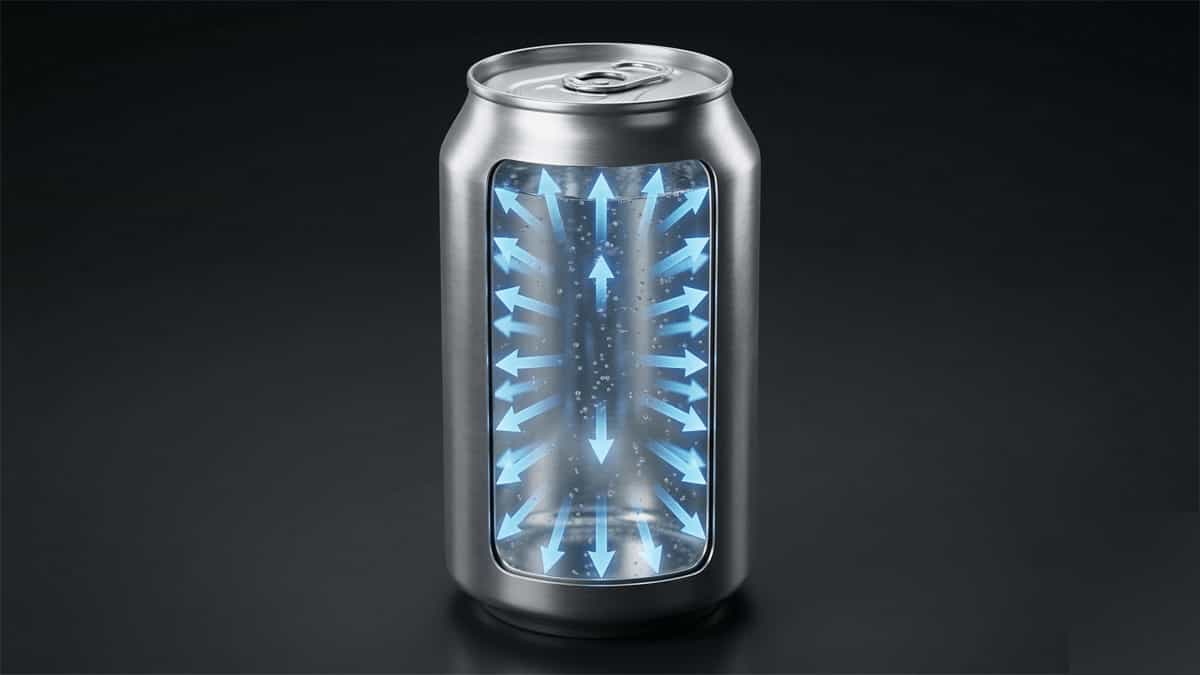
cutaway aluminum beverage can showing internal pressure pushing outward

Walk into any supermarket, and you’ll see rows of beverage cans stacked high, shipped across countries, and dropped onto conveyor belts. They survive all of this while holding liquids under pressure, yet they feel almost impossibly light. Here is the engineering paradox: a standard aluminium (aluminum) can has a wall thickness of just 0.1 mm—about … Read more

Aluminum Welding Rod vs Aluminum Brazing Rod

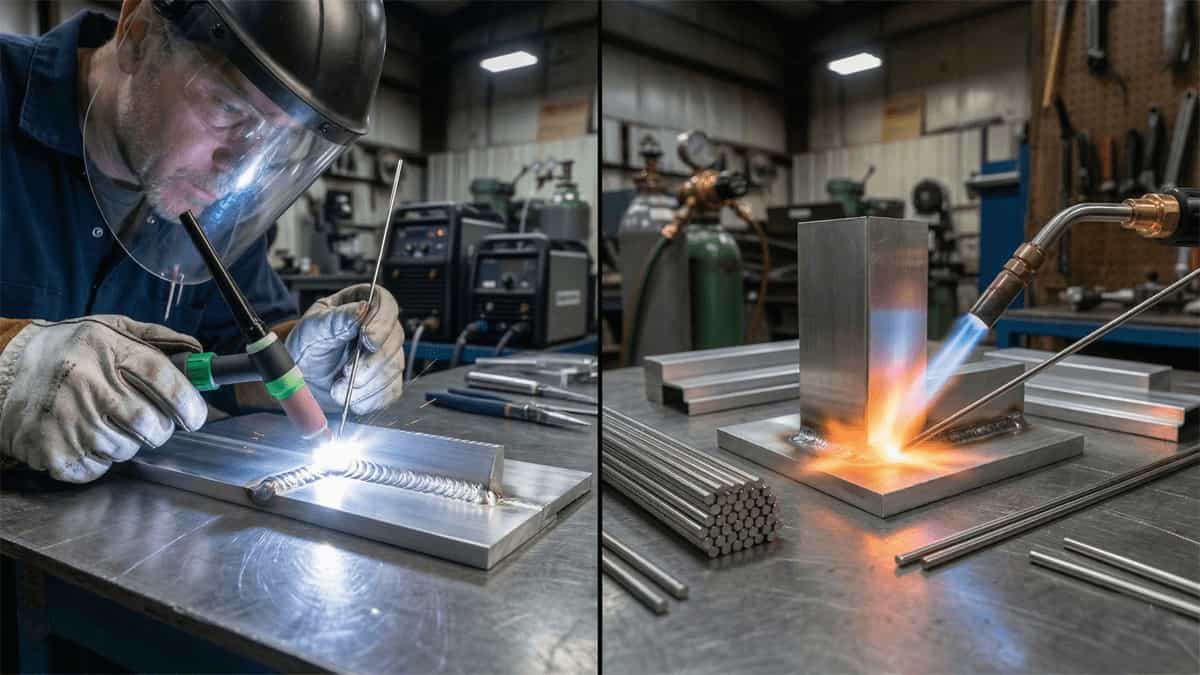
Side-by-side comparison showing a professional TIG welding aluminum with a bright arc (left) and a gas torch brazing an aluminum joint with a blue flame (right).

Whether you spell it Aluminum (American) or Aluminium (British), one thing remains constant: joining this metal is a specialized skill. If you’ve ever searched for repair or fabrication solutions, you’ve likely encountered two distinct options: Welding Rods and Brazing Rods. At first glance, they look nearly identical. However, the process, temperature, equipment, and structural integrity … Read more

Categories Rod

Aluminium 4032

Aluminium 4032 forged piston used in high performance automotive racing engines

The High-Temperature Specialist: Forged for Power and Precision In the diverse family of aluminum alloys, most are designed for general-purpose fabrication, corrosion resistance, or structural strength. Aluminium 4032 occupies a far more specialized niche. As a wrought alloy within the 4000 series (aluminum-silicon system), 4032 is specifically engineered for one of the most demanding applications … Read more

Aluminium 4047

TIG welding aluminium extrusion using 4047 filler alloy for crack resistant joints

The High-Silicon Specialist: Ultimate Crack Resistance for Demanding Joints In the family of aluminum filler metals, Aluminium 4047 stands as the specialist’s choice for the most challenging welding and brazing applications. As the highest-silicon alloy in the 4000 series (typically 12% Si), 4047 offers the ultimate in crack resistance, fluidity, and low-temperature melting characteristics. While … Read more

Why Anodizing Fails in Coastal Areas

modern coastal house with large anodized aluminum window frames and glass facade

The allure of a seaside property is undeniable, but for architects and builders, the coastline presents a unique set of challenges. The very elements that draw people to the shore—salt-laden air, high humidity, and relentless sun—create a crucible that can destroy inferior building materials. Aluminium, a staple of modern construction, is often protected by anodizing. … Read more

Hard Anodizing vs Architectural Anodizing: What’s the Real Difference?

architectural anodized aluminum building facade vs hard anodized aluminum frying pan comparison

Aluminium anodizing is widely used across industries—from modern building facades to industrial machinery and cookware. But many people don’t realize that anodizing is not a single uniform process. To understand the foundation of this material, you can explore what is aluminium and how is it made. In practice, there are two major categories used globally: … Read more

Aluminium 4043 (Aluminum 4043)

Aluminium Bicycle made by Aluminum 4043

The Welder’s Choice: Silicon-Enhanced Filler for Crack-Free Joints In the world of aluminum fabrication, base materials like 6061 or 3003 often capture the spotlight. But hidden in the joints that hold structures together lies an unsung hero: Aluminium 4043. As the most widely used aluminum filler alloy alongside 5356, 4043 accounts for a significant portion … Read more