
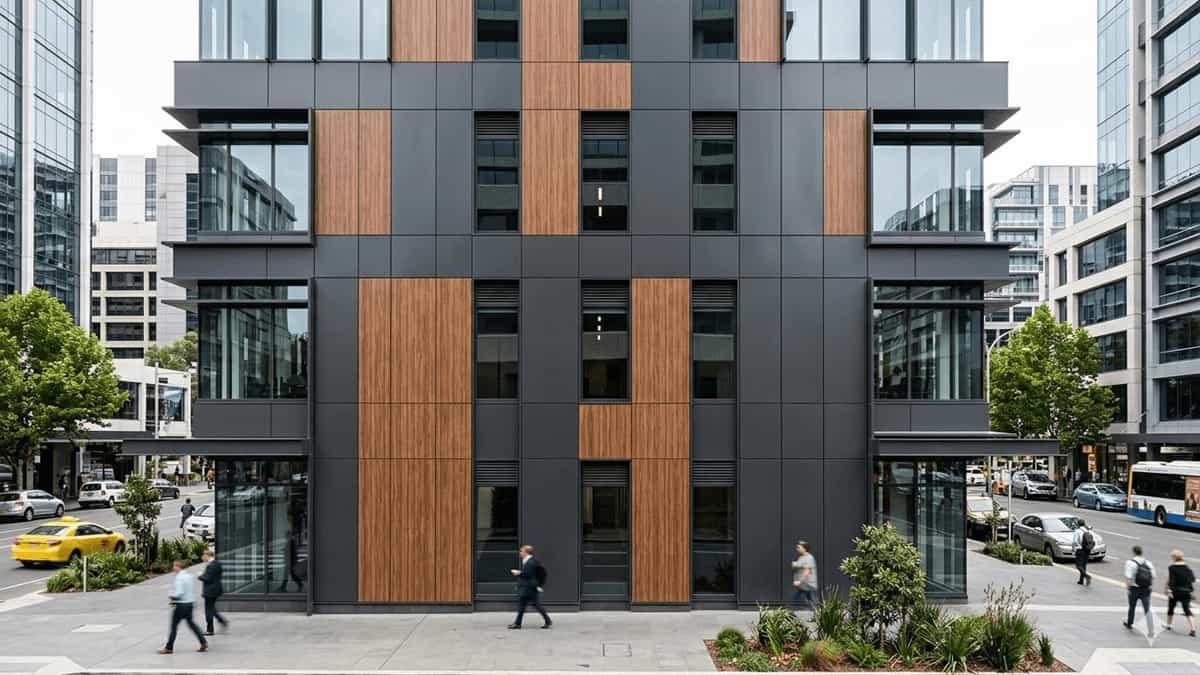
In modern construction, aluminum has become an indispensable material, and its sheet form is one of the most versatile building products available. From the roofs over our heads to the sleek, modern facades of city skyscrapers, aluminum (aluminium) sheets provide a unique combination of durability, lightweight performance, and aesthetic flexibility.
The construction industry relies on various types of aluminium sheets, each engineered for specific applications. Whether the goal is to create a weatherproof barrier or achieve a particular architectural look, there is a specific type of sheet designed for the job.
Plain Aluminum Sheets
The most fundamental type is the plain aluminum sheet—a flat, unprocessed panel that serves as the foundation for countless construction applications.
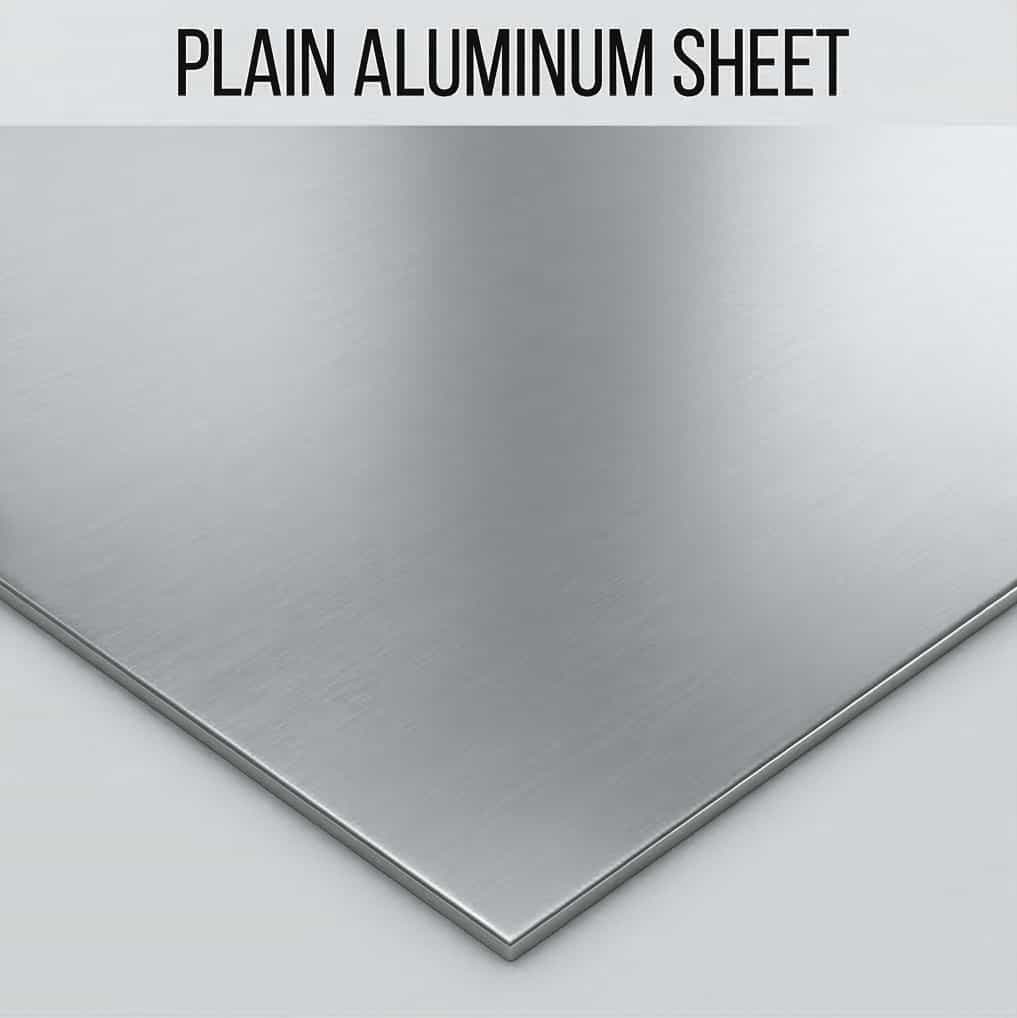
- Roofing: Plain sheets are formed into standing seam roofs. Its lightweight nature reduces the structural load on buildings.
- Wall Cladding: Used as a weather-resistant exterior skin. For a deeper understanding of its benefits in overhead applications, explore why aluminium is used for roofing sheets.
- Flashings and Gutters: Its ability to be easily cut and bent makes it perfect for custom flashings.
Perforated Aluminum Sheets
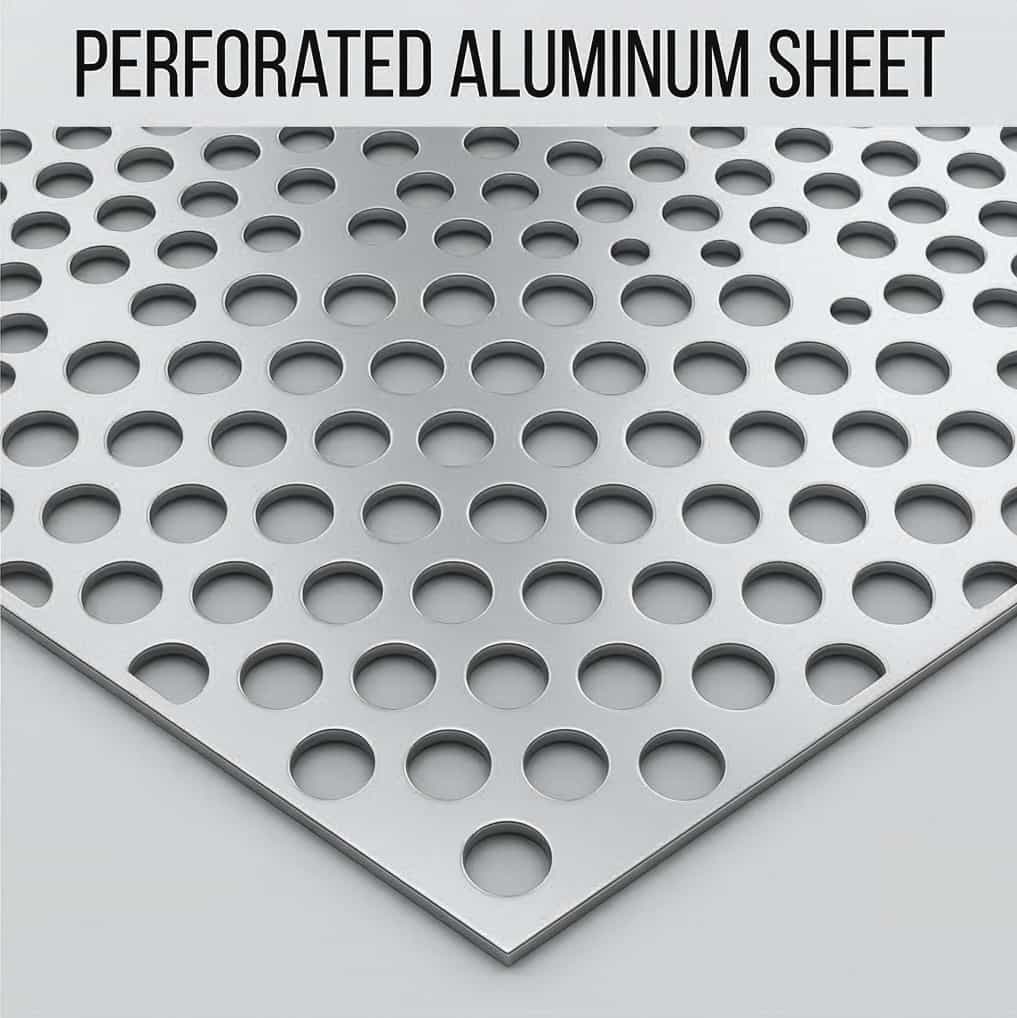
Perforated aluminum sheets feature a pattern of holes or slots, transforming the panel into a multifunctional building material.
- Ventilation Screens: Used in mechanical room enclosures to allow airflow while keeping pests out.
- Architectural Facades: A favorite for creating exterior screens and sunshades. The design possibilities are vast, as seen in our guide on perforated aluminum sheet design and usage.
Embossed Aluminum Sheets
Embossed sheets feature a raised pattern on the surface.
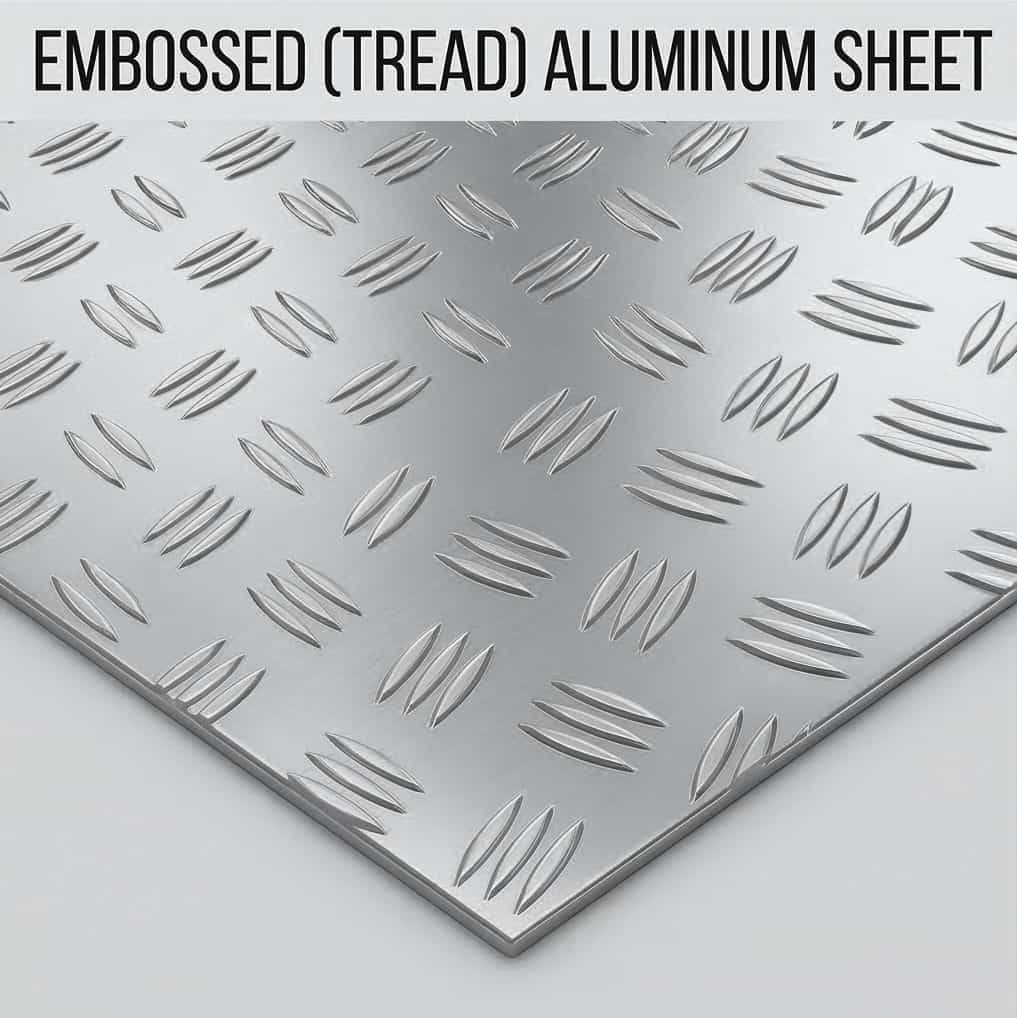
- Anti-Slip Surfaces: Patterns like diamond or tread plate are designed for traction on ramps and stairs.
- Decorative Panels: The textured surface hides minor dents, making it popular for high-traffic areas like elevators.
Construction Sheet Types
| Sheet Type | Key Feature | Best For |
| Plain | Smooth, flat surface | Roofing, gutters, flashings |
| Perforated | Patterned holes | Ventilation, sunshades, acoustics |
| Embossed | Raised texture (Tread) | Flooring, stair treads, anti-slip |
| Corrugated | Ridges and valleys | Industrial roofing, sheds, siding |
| Composite (ACP) | Sandwich core | Modern building facades, signage |
| Anodized | Protective oxide layer | High-end architecture, coastal areas |
💡 Pro-Tip: The “Coastal” Rule
When building within 5 miles (8 km) of the ocean, always specify Anodized Aluminium or a marine-grade alloy like 5052. Salt spray is highly corrosive to standard mill-finish sheets; an anodized finish ensures your structure won’t suffer from white rust or pitting.
Corrugated Aluminum Sheets
Corrugated sheets feature parallel ridges that increase the panel’s strength-to-weight ratio.
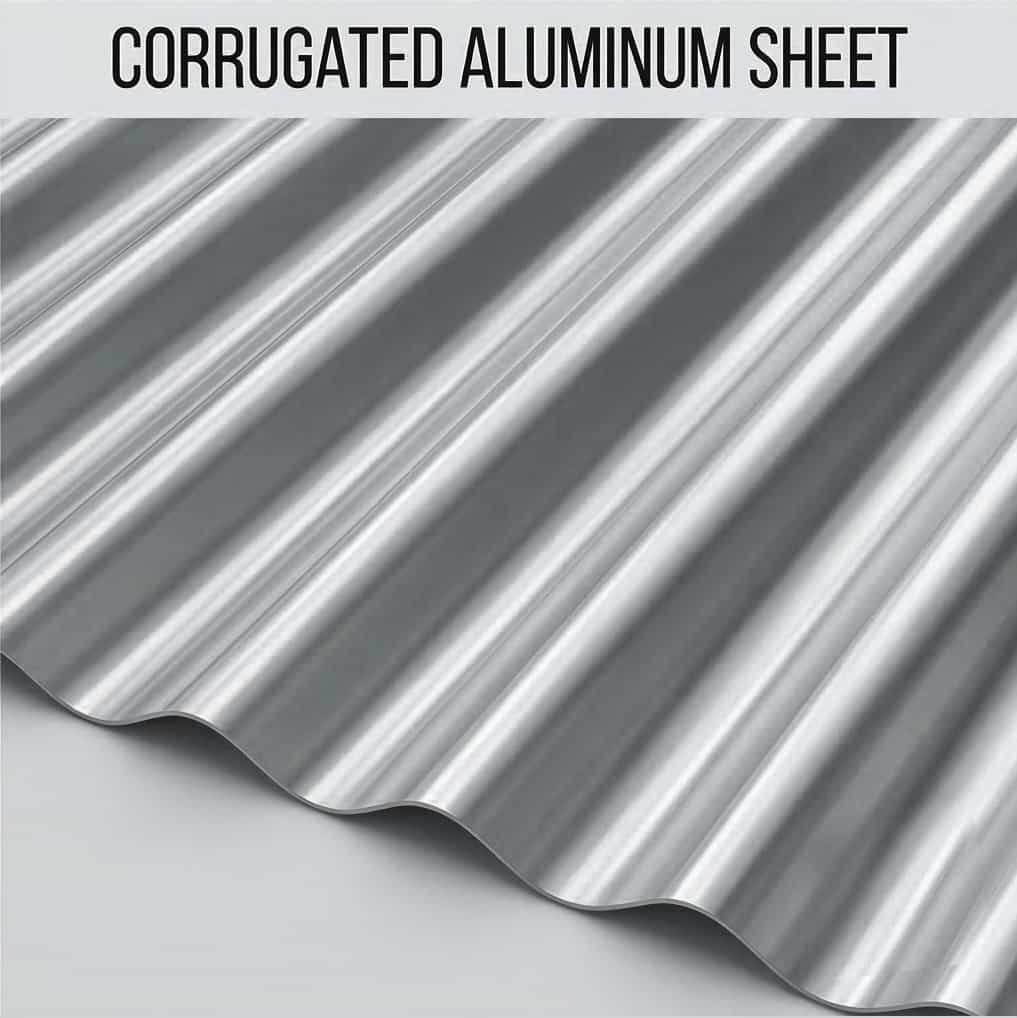
- Industrial Roofing: The classic choice for warehouses and agricultural buildings. For enhanced thermal performance, you might look at corrugated aluminum insulated roof panels.
Aluminum Composite Panels (ACP)
ACP consists of two thin aluminum skins bonded to a non-aluminum core.
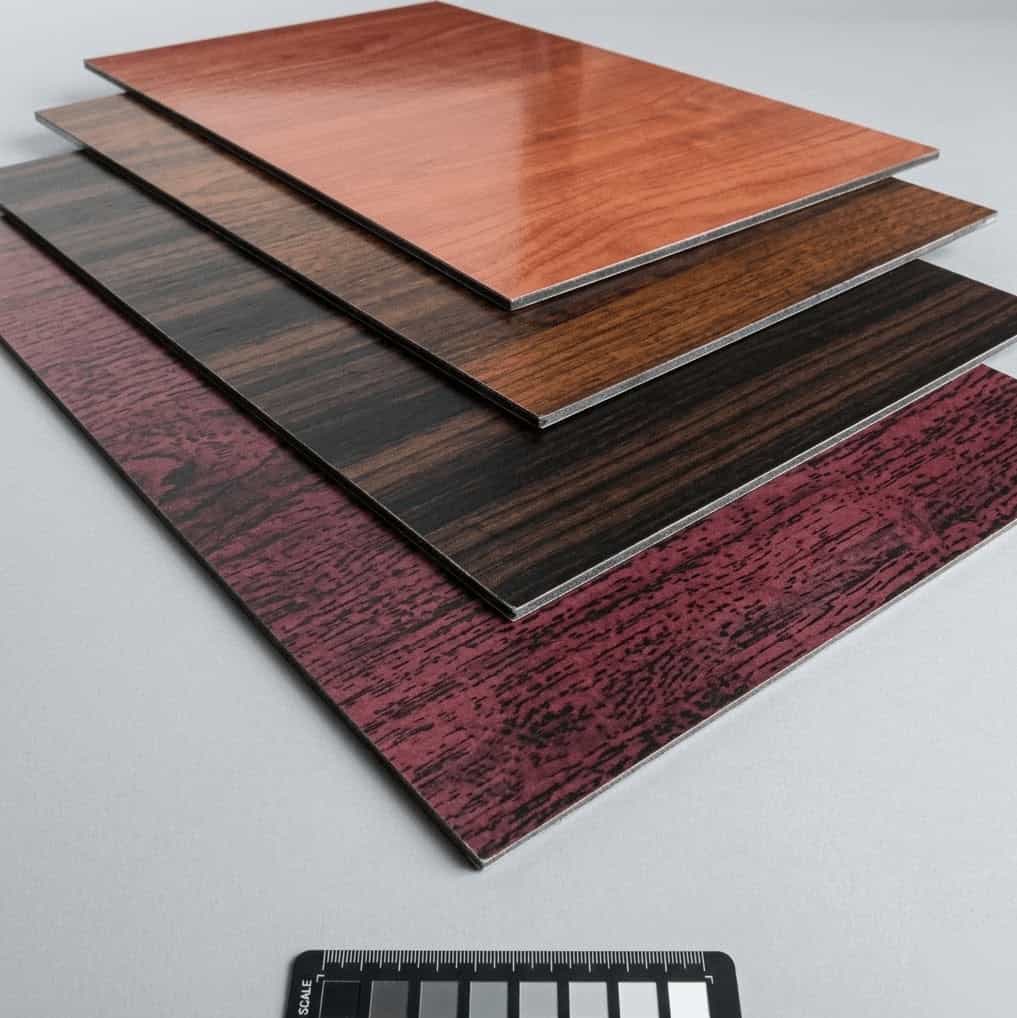
- Building Facades: The go-to material for perfectly flat, colorful modern exteriors. This is a key example of aluminium cladding applications.
Anodized Aluminum Sheets
Anodizing creates an extremely hard, corrosion-resistant finish that is part of the metal itself.
- Architectural Finishes: Used for high-end projects where aesthetics and longevity are critical. You can read more about the benefits and advantages of anodized aluminum sheets.
The family of aluminum sheets offers a solution for nearly every construction challenge. By understanding the unique properties of each type, you can select the perfect material to bring your project to life. For specialized profiles, exploring the advantages of aluminium crimp roofing sheet can provide further insight.
Frequently Asked Questions (FAQ)
1. Which aluminum sheet is best for residential roofing?
Plain or corrugated sheets are standard, but for the best balance of strength and weatherproofing, Aluminium Crimp or Standing Seam profiles are preferred for modern homes.
2. Is Aluminum Composite Panel (ACP) fire-resistant?
Standard ACP often has a polyethylene core, but for construction projects, you must specify FR-grade (Fire Retardant) or A2 non-combustible cores to meet safety building codes.
3. Why use perforated aluminium for facades instead of solid sheets?
Perforated sheets reduce the weight of the facade and allow for natural ventilation and light filtration, which can significantly reduce a building’s cooling costs.
Related Articles

Featured
You May Also Like

Buying Aluminium Casement Windows? Single, Double or Triple …
Best Storm Doors With Screens for Smooth Summer Ventilation

Aluminum vs. Vinyl vs uPVC Windows
Your Home, Your Tech, Your Car… All Powered by One Metal

Global Temperature Rise is Driving the Demand for Energy-Sav…
