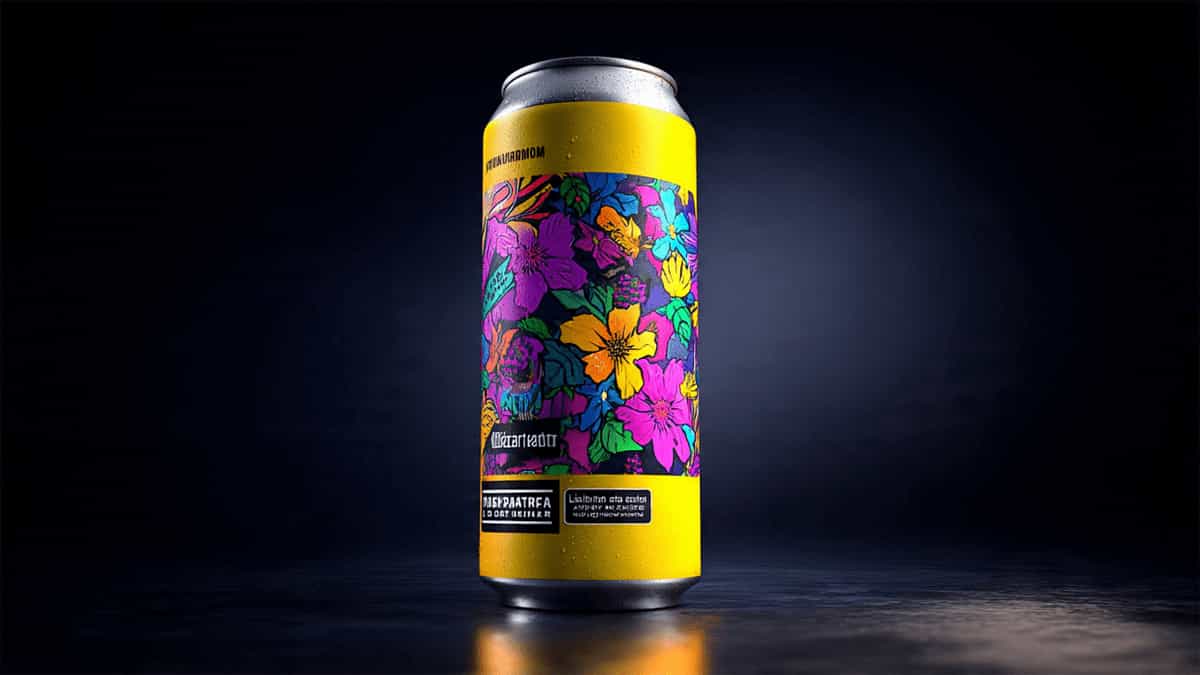
Most beverage cans have a slightly curved or dome-shaped bottom. At first glance, it might look like a simple design choice, but this small detail plays a crucial role in keeping the can strong and stable.
Carbonated drinks like soda and beer contain pressurized carbon dioxide gas. Once the can is sealed, this gas pushes outward on every surface inside the container. That pressure needs to be handled without making the can heavy or thick.
Instead of using more aluminium, engineers rely on shape.
A flat bottom would struggle to distribute pressure evenly and could bulge outward when the internal pressure increases. The curved bottom, often called a dome, spreads the stress across the surface and strengthens the base of the can.
This simple structural trick allows manufacturers to keep aluminum cans extremely thin while still handling significant pressure. Learn more about how thin aluminum cans are made strong.
The design also helps the can absorb impacts during transportation. If cans are stacked, dropped, or compressed slightly during shipping, the dome shape adds extra structural stability.
In other words, the curved base helps the can stay lightweight while remaining surprisingly strong.
QUICK FACTS
- Pressure Resistance : Aluminium cans hold internal pressures of around 90 PSI
- Structural Integrity : The dome shape prevents the base from bulging outward.
- Impact Absorption : It also helps the can absorb impact during transport.
- Material Efficiency : The design allows manufacturers to keep aluminum walls extremely thin while maintaining durability.
A Small Detail with a Big Purpose
The curved bottom of an aluminium can may seem like a minor design feature, but it’s actually a clever piece of engineering. By using geometry instead of extra material, manufacturers can produce cans that are lightweight, strong, and efficient—perfect for transporting millions of beverages safely every day.
Curious about the engineering behind that satisfying “pssst” sound when you open a can? Read more about the science behind it.
And if you want to explore how beverage cans evolved into the design we know today, check out the history of aluminum cans and the pull tab.
Related Articles

Featured


You May Also Like

Why Do My Windows Feel So Cold? Here’s What’s Really Going O…

Why Aluminum Awning Windows Are Perfect for Living Rooms, Ki…
Aluminium 5454 (Aluminum 5454): The Elevated Marine Alloy fo…
Beat the Heat and Save Energy with Aluminium Retractable Awn…

Indian Weather & Alu-Wood, Aluminium Thermal-Break Syst…