In the world of metal fabrication and manufacturing, few dimensions are as ubiquitous as the 4×8 sheet. Whether you’re walking through a metal supply warehouse, a sign shop, or an automotive fabrication facility, you’ll inevitably encounter stacks of these standard-sized sheets.
A 4×8 aluminum sheet (4×8 aluminium sheet) is a material that measures 4 feet by 8 feet. This size has become the industry standard for a reason: it offers an optimal balance of manageability for workers and maximum material yield for manufacturers. Understanding what this size offers, the thickness options available, and its diverse applications can help you make the right choice for your next project.
What Does 4×8 Aluminum Sheet Mean?
The term “4×8” refers to the nominal width and length of the sheet. To ensure accuracy across international borders, it is helpful to know the conversions:
- In feet: 4 feet wide by 8 feet long.
- In millimeters: 1219 mm wide by 2438 mm long.
- In inches: 48 inches wide by 96 inches long.
This standardized dimension is a cornerstone of the industry because it allows for compatibility with a vast range of manufacturing equipment, from press brakes and shears to CNC routers. It also simplifies logistics, as these sheets are designed to fit efficiently onto standard truck beds and shipping containers.
Standard Thickness Available for 4×8 Sheets
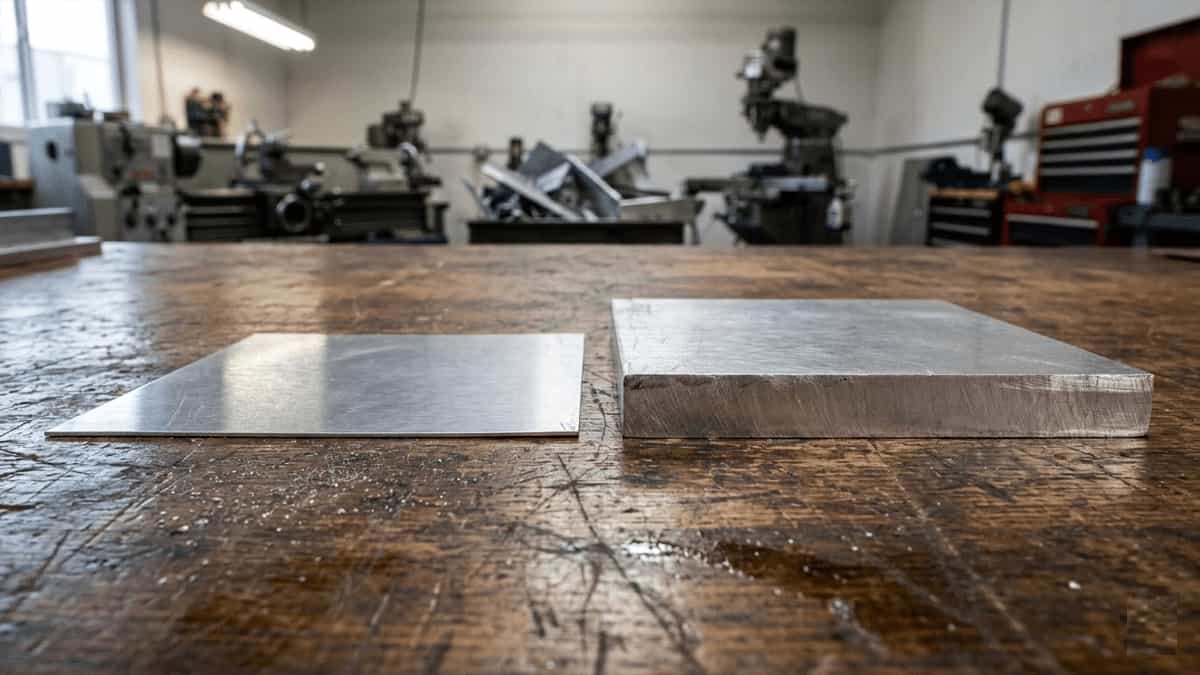
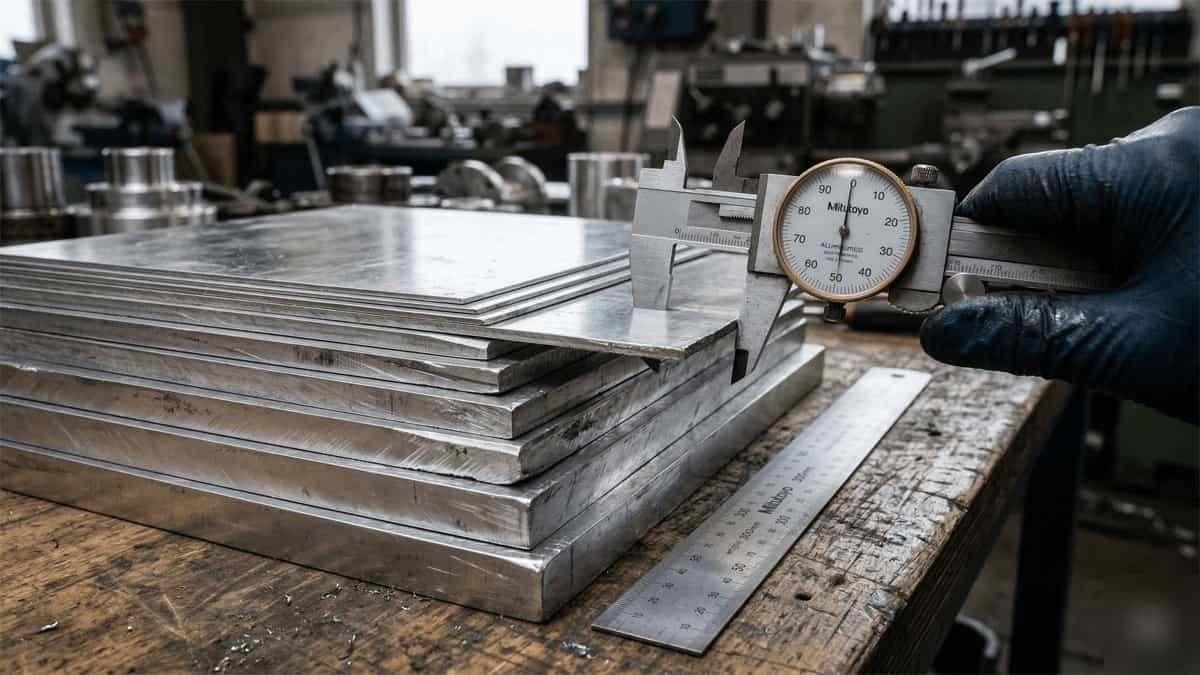
While the length and width are fixed, the thickness—often referred to as the gauge—can vary dramatically based on the intended application. 4×8 aluminum sheets are typically available in three general thickness categories:
- Thin Gauge Sheets (0.4 mm to 1.6 mm / 0.016″ to 0.063″): These lightweight sheets are highly flexible and easy to cut. They are commonly used for gutter fabrication, decorative trim, and lightweight panels.
- Medium Gauge Sheets (2.0 mm to 3.2 mm / 0.080″ to 0.125″): This is the “sweet spot” for many industrial applications. These sheets offer a robust balance of strength and formability, making them ideal for signage and automotive body panels.
- Heavy Gauge Sheets (4.8 mm to 6.35 mm+ / 0.190″ to 0.25″+): Often referred to as “plate” once they exceed 1/4 inch (6.35 mm), these thick sheets provide maximum structural rigidity. For more insights into how different thicknesses perform, you can explore the general advantages of aluminium sheets in various settings.
Here is a practical weight comparison table for a standard 4×8 aluminum sheet. Including weight is a huge value-add for your readers because it helps them calculate shipping costs and structural load requirements.
Note: These calculations are based on the standard density of aluminum (approximately 2.7 g/cm³ or 0.098 lb/in³). Actual weight may vary slightly depending on the specific alloy (e.g., 6061 is slightly denser than 3003).
4×8 Aluminum & Aluminium Sheet Weight Comparison
| Thickness (Inches) | Thickness (mm) | Approx. Weight (lbs) | Approx. Weight (kg) | Common Usage |
| 0.025″ | 0.64 mm | 11.5 lbs | 5.2 kg | Decorative trim, craft work |
| 0.032″ | 0.81 mm | 14.7 lbs | 6.7 kg | Signage, light fabrication |
| 0.040″ | 1.02 mm | 18.4 lbs | 8.4 kg | Gutters, roofing flashings |
| 0.050″ | 1.27 mm | 23.0 lbs | 10.4 kg | Trailer siding, HVAC ducts |
| 0.063″ | 1.60 mm | 29.0 lbs | 13.2 kg | Auto body panels, toolboxes |
| 0.080″ | 2.03 mm | 36.8 lbs | 16.7 kg | Industrial signage, wall guards |
| 0.100″ | 2.54 mm | 46.1 lbs | 20.9 kg | Heavy-duty truck panels |
| 0.125″ (1/8″) | 3.18 mm | 57.6 lbs | 26.1 kg | Flooring, structural brackets |
| 0.190″ | 4.83 mm | 87.5 lbs | 39.7 kg | Heavy machinery enclosures |
| 0.250″ (1/4″) | 6.35 mm | 115.2 lbs | 52.3 kg | Support plates, industrial stairs |
💡 Pro-Tip: The “Alloy Weight” Factor
While the table above provides a reliable average, remember that different alloys have slightly different densities. For instance, Alloy 6061 is roughly 1% denser than Alloy 5052. While this seems small, when you are transporting a full pallet of 4×8 aluminium sheets, that difference can add up to 50+ lbs (22+ kg) of total weight. Always confirm the exact weight with your supplier if you are nearing your vehicle’s payload limit!
How to Calculate Custom Weights
If you need to calculate the weight for a non-standard size, you can use these simple formulas:
- Imperial: Weight=Area(sq.ft.)×Thickness(inches)×14.4
- Metric: Weight=Area(sq.meters)×Thickness(mm)×2.71
Common Industries Using 4×8 Aluminum Sheets
The versatility of the 4×8 format makes it the go-to choice across a wide spectrum of industries:
- Construction: Used for exterior cladding, roofing, and flashing. The size is easy to handle on job sites.
- Signage: The 4×8 dimension is the standard for sign blanks, perfect for large advertising billboards.
- Vehicle Body Fabrication: Essential for creating truck bodies, trailer floors, and RV panels. Its size allows for large, seamless surfaces.
- Industrial Panels: Used for control panels, machine enclosures, and clean room walls.
- Furniture and Cabinets: Modern designers favor 4×8 sheets for crafting sleek tabletops and decorative room dividers.
Advantages of 4×8 Aluminum Sheets
The popularity of this format is no accident:
- Easy Fabrication: The size is large enough for big projects but small enough to be maneuvered by a small team.
- Transport Efficiency: 4×8 sheets are designed to maximize space on standard flatbed trucks, reducing logistical complexity.
- Standard Machine Compatibility: Almost all fabrication equipment is designed to accommodate a 4×8 work envelope.
Aluminum Alloys Used in 4×8 Sheets
The performance of a 4×8 aluminium sheet is determined by its alloy:
- Alloy 3003: The general-purpose alloy. It offers good corrosion resistance and is highly formable.
- Alloy 5052: Considered the workhorse for fabrication, 5052 is stronger than 3003 and offers excellent fatigue resistance. You can delve deeper into its specific characteristics in our guide on aluminum 5052 alloy properties.
- Alloy 6061: One of the most versatile heat-treatable alloys, 6061 is very strong and machines well. For projects requiring high strength, understanding the specifics of aluminium 6061-t6 alloy properties is crucial.
How 4×8 Aluminum Sheets Are Processed
Once a sheet arrives at a shop, it can be transformed through various processes:
- Cutting: Sheets are cut to size using shears, plasma cutters, lasers, or CNC routers.
- Bending: Press brakes create boxes, enclosures, and structural angles.
- Welding: For permanent assemblies, sheets are joined using TIG or MIG welding techniques.
- Surface Finishing: This ranges from simple brushing to powder coating. For a durable, scratch-resistant surface, the sheet might undergo anodizing. You can explore the benefits and advantages of anodized aluminum sheets to see if that finish is right for you.
The 4×8 aluminum sheet is a foundational building block for modern industry. Its standardized size simplifies logistics, while the variety of available thicknesses and alloys allows it to meet nearly any demand. For specialized applications that require unique aesthetics, exploring options like a perforated aluminum sheet in the 4×8 format could provide the ideal solution.
To boost your SEO and capture long-tail search queries, here are three highly targeted FAQs to conclude your 4×8 Aluminum & Aluminium Sheet article.
Frequently Asked Questions (FAQ)
1. How much does a 4×8 aluminum sheet weigh?
The weight depends entirely on the thickness (gauge). For example, a standard 0.063″ (1.6 mm) sheet weighs approximately 29 lbs (13.2 kg), while a thicker 0.125″ (3.18 mm) sheet weighs about 57.6 lbs (26.1 kg). Always check the specific gravity of your chosen alloy for precise logistics planning.
2. Can I cut a 4×8 aluminium sheet at home?
Yes, thinner gauges (under 1.6 mm) can often be cut using high-quality aviation snips or a jigsaw with a metal-cutting blade. For thicker sheets or precision designs, it is recommended to use a CNC router, laser, or waterjet cutter at a professional fabrication shop to ensure clean edges and dimensional accuracy.
3. Is a 4×8 aluminum sheet the same as “diamond plate”?
Not necessarily. While 4×8 is the standard size for both, “diamond plate” (also known as tread plate) refers to a specific textured pattern raised on one side for traction. Standard sheets are smooth. If you are looking for industrial flooring or toolboxes, ensure you specify whether you need a smooth finish or a tread pattern in your 4×8 dimensions.