Aluminum cans are everywhere. Whether you’re sipping a cold soda on a hot day or cracking open a can of soup for dinner, you’ve probably used an aluminum can more times than you can count. But have you ever thought about how these everyday items are made, their environmental impact, or how they compare to other types of packaging?
In this article, we’re going to dive into everything you need to know about aluminum cans—from their history to their manufacturing process and their role in a sustainable future.
Article Index
The History of Aluminum Cans
Early Beginnings of Canned Beverages
Before aluminum cans, beverages were stored in bottles made of glass or steel. The first cans used for food were actually tin-plated steel, which offered some protection from corrosion. However, they were bulky and not ideal for mass production, especially for beverages.
The Transition to Aluminum
Aluminum entered the canning industry in the 1950s, revolutionizing the packaging world. Lighter, easier to produce, and much more recyclable, aluminum quickly became the go-to material for soft drinks, beer, and other canned goods
The Manufacturing Process of Aluminum Cans
Raw Materials Used
The primary ingredient in aluminum cans is bauxite, a naturally occurring ore that contains aluminum oxide. This raw material is extracted from the earth and then refined to produce aluminum metal.
The Steps of Aluminum Can Production
1. Extraction of Aluminum
Once bauxite is mined, it undergoes a refining process to extract aluminum. This involves separating the aluminum oxide from impurities and reducing it to pure aluminum through electrolysis.
2. Shaping the Cans
The next step is forming the cans. Sheets of aluminum are rolled out, cut, and then molded into their cylindrical shape using presses and dies. This process is known as impact extrusion, where the metal is shaped by a high-velocity impact.
3. Adding the Final Touches
The cans are coated with a protective liner to prevent the beverage from reacting with the metal. Afterward, they’re labelled, filled, and sealed.
4. How Are Aluminum Cans Sealed?
After the aluminum can is filled, it goes through a process called “double seaming” to seal it. This involves mechanically rolling the top edge of the can and the lid together using a seamer machine. The can’s rim is folded and pressed with precision to form an airtight and watertight seal that ensures the contents remain fresh and uncontaminated.

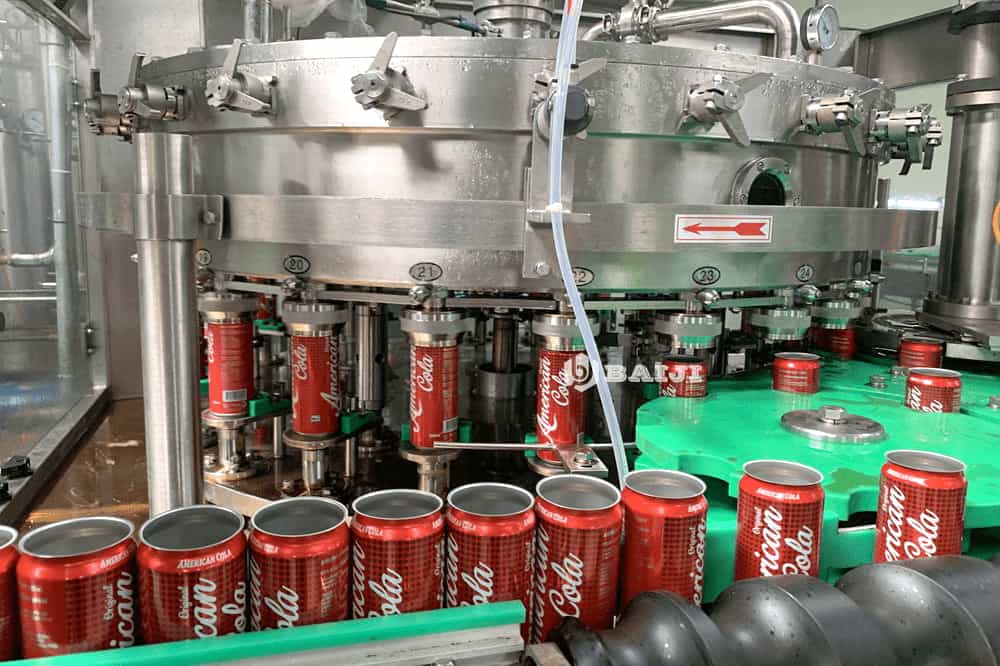
Importantly, no lead is used in this process. Modern aluminum cans are designed to be food-safe, with protective liners that prevent any reaction between the contents and the metal, ensuring the safety of both beverages and food products stored in these cans.
Environmental Impact of Aluminum Cans
Aluminum Recycling
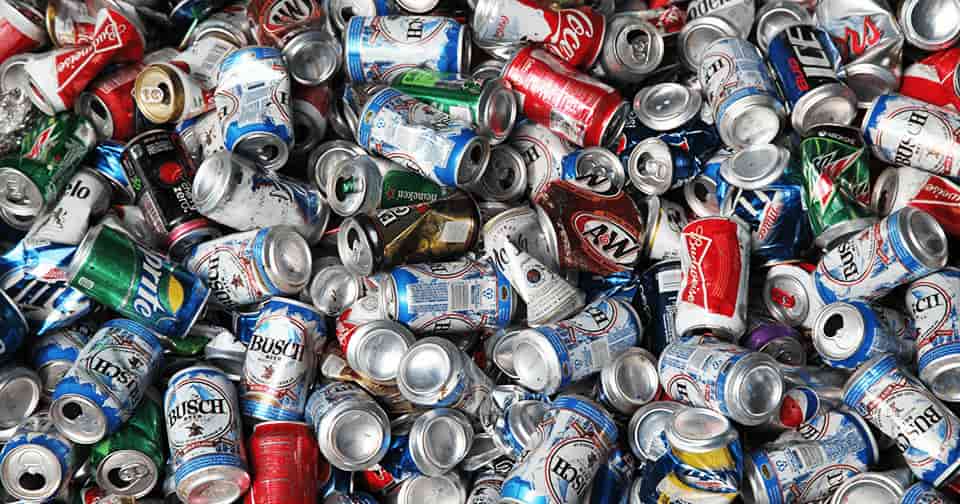
One of the standout benefits of aluminum cans is that they are 100% recyclable. Unlike plastic, which degrades over time, aluminum can be recycled indefinitely without losing its quality. Recycling aluminum saves up to 95% of the energy required to produce new aluminum from raw materials.
Energy Consumption in Aluminum Can Production
While producing new aluminum is energy-intensive, recycling aluminum uses a fraction of the energy. This makes aluminum cans a more sustainable option compared to plastics, especially when the recycling process is optimized.
Benefits of Aluminum Cans
Lightweight and Durable
Aluminum cans are lightweight, making them cheaper and more efficient to transport. They are also durable and resistant to physical damage during transport and handling.
Resistance to Corrosion
One of the reasons aluminum is favored for beverages is its resistance to corrosion. Modern cans are lined with a food-safe protective layer, ensuring beverages stay fresh without contamination.
100% Recyclable
Unlike other packaging materials, aluminum can be recycled over and over again without losing any of its properties. This makes it one of the most sustainable packaging options available.
Common Uses of Aluminum Cans
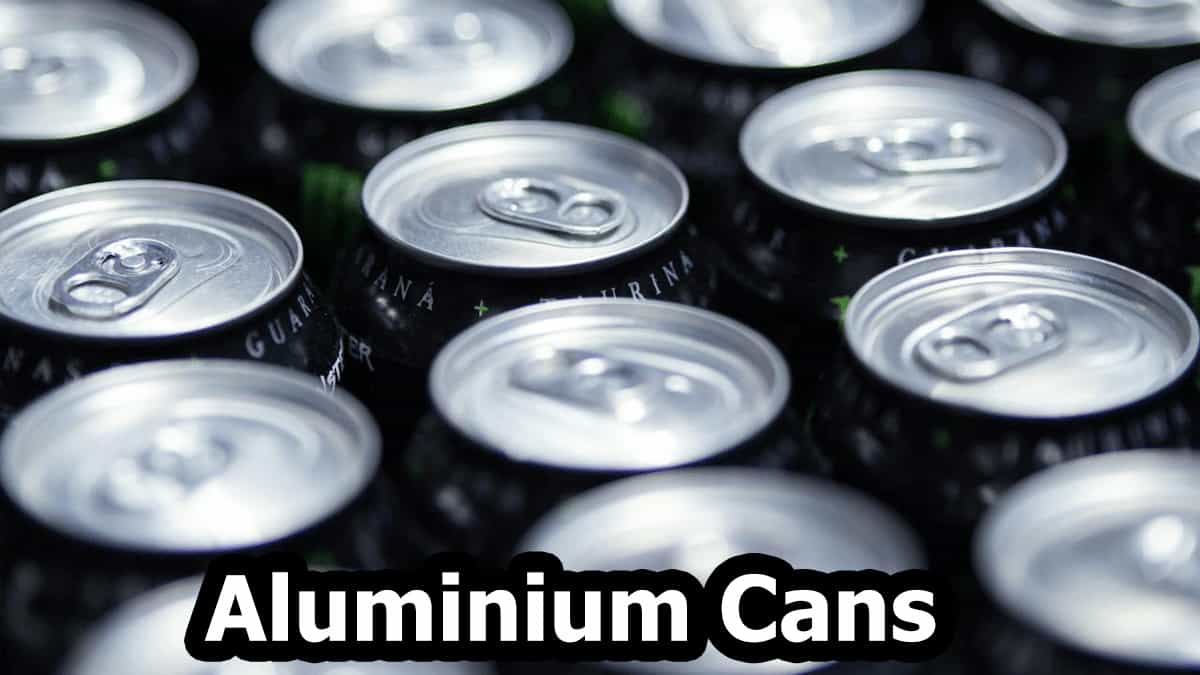
Beverage Industry
The most common use of aluminum cans is in the beverage industry, particularly for soft drinks, beer, and energy drinks.
Food Packaging
Aluminum cans are also used in food packaging, especially for items like canned vegetables, soups, and pet food.
Other Industrial Uses
Beyond food and drinks, aluminum cans are utilized in various industrial applications due to their versatility and recyclability.
The Lifespan of an Aluminum Can
From Production to Recycling
An aluminum can’s lifecycle is fascinating. Once produced, filled, consumed, and recycled, it can re-enter the production process in just 60 days.
The Circular Economy of Aluminum
Aluminum cans are a key player in the circular economy. The material can be recycled indefinitely, making it an essential part of reducing resource consumption and minimizing waste.
Aluminum Cans vs. Plastic Bottles
Environmental Impact Comparison
When comparing aluminum cans to plastic bottles, aluminum comes out on top. Although both are recyclable, aluminum is infinitely recyclable, while plastic degrades with each cycle.
Cost and Manufacturing Differences
While aluminum is more expensive to produce initially, the cost is offset by its recyclability and lower transportation costs due to its lightweight nature.
Innovations in Aluminum Can Design
Lightweighting Technology
Manufacturers are constantly developing new technologies to make aluminum cans even lighter without sacrificing durability. This helps further reduce transportation costs and carbon footprints.
Improved Coating for Freshness
New innovations in can coating ensure that beverages remain fresh for longer periods, enhancing the shelf life and taste of the product.
Don't Miss
Why Aluminium Cans Have a Curved Bottom
Myths About Aluminum Cans
Aluminum and Health Risks
Some believe that using aluminum cans can pose health risks, but modern cans are lined with a food-safe protective layer, making them safe for food and beverage storage.
Misconceptions About Recycling
There’s a misconception that recycling aluminum isn’t worth it, but in reality, aluminum is one of the most valuable materials to recycle because it can be reused without degradation.
Global Consumption of Aluminum Cans

Top Countries Using Aluminum Cans
The U.S., Japan, and parts of Europe are among the largest consumers of aluminum cans. These countries have robust recycling systems that support the material’s reuse.
Trends in Global Demand
The demand for aluminum cans is steadily increasing, driven by the growing emphasis on sustainability and the environmental drawbacks of plastic packaging.
Future of Aluminum Cans
Sustainability and Innovation
With the push toward more sustainable solutions, the future of aluminum cans looks bright. Innovations in recycling and manufacturing will only make aluminum cans more eco-friendly.
New Technologies in Aluminum Can Production
Emerging technologies like nanotechnology and new production methods could lead to even more efficient aluminum can production in the near future.
How to Properly Recycle Aluminum Cans
Steps to Recycle Aluminum Cans
To properly recycle aluminum cans, make sure to empty and rinse them before placing them in your recycling bin. This helps improve the quality of the recycled material.
Importance of Cleaning the Cans
Cleaning the cans is important because it prevents contamination, ensuring that the recycling process remains efficient and cost-effective.
Fun Facts About Aluminum Cans
Record-breaking Recycling Statistics
Did you know that more than 100 billion aluminum cans are recycled each year globally? That’s enough to stretch to the moon and back nearly 50 times!
Unique Uses for Recycled Aluminum
Recycled aluminum isn’t just used for new cans—it can also be transformed into cars, airplanes, and even buildings.
Aluminum cans are a marvel of modern packaging. They’re lightweight, durable, and infinitely recyclable, making them a sustainable choice for a wide variety of applications. From their early beginnings to the cutting-edge innovations of today, aluminum cans continue to play an essential role in our daily lives—and in the future of sustainable packaging.
FAQs
Are aluminum cans better than glass?
Yes, aluminum cans are more lightweight and durable than glass. They’re also 100% recyclable, while glass can be more energy-intensive to recycle.
Can you recycle aluminum cans indefinitely?
Yes, aluminum can be recycled indefinitely without losing its quality, making it one of the most sustainable materials.
What percentage of aluminum cans are recycled?
Globally, around 75% of aluminum cans are recycled, with some countries achieving even higher rates.
How are aluminum cans made?
Aluminum cans are made from sheets of aluminum that are cut, shaped, and coated to protect the contents from the metal. The process involves multiple stages of molding and pressing.
How much energy does recycling aluminum cans save?
Recycling aluminum saves up to 95% of the energy required to produce new aluminum from raw materials.
Related Articles

Featured



You May Also Like
Why Aluminium is the Material of Choice for the Future of Bu…

How to Start and Scale an Aluminium Doors & Windows Busi…

Why, When and Where, We use Aluminium Wire instead of Copper…

Malaviya Solar Energy gets Solar panel recycling Exclusive L…

Thinking of Installing Aluminium Sliding Windows? Check Thes…