
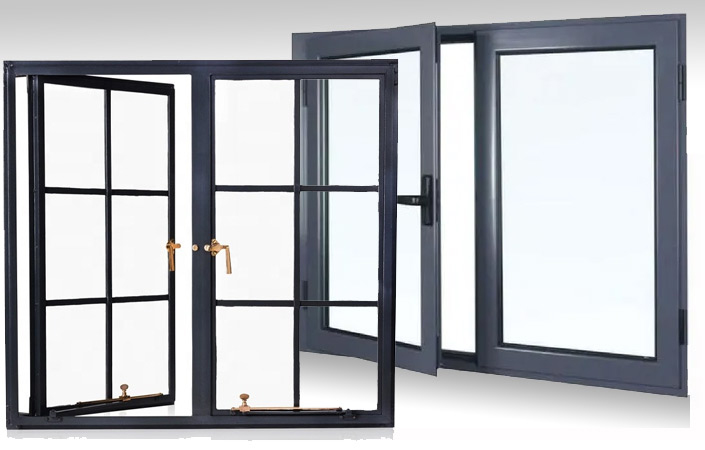
When considering the best material for your window frames, two popular options are aluminium and steel. Both materials offer distinct advantages in terms of strength, aesthetics, and durability, but choosing the right one depends on your specific needs.
In this article, we’ll provide a comprehensive comparison between aluminium and steel windows, helping you make an informed decision for your home or commercial project.
Strength Comparison: Aluminium vs. Steel
Steel Windows: Unmatched Tensile Strength
Steel is renowned for its incredible tensile strength, which makes it a preferred choice for heavy-duty construction projects. Steel windows can support larger panes of glass without compromising structural integrity, offering expansive views with fewer obstructions. This makes steel-framed windows ideal for industrial-style architecture and buildings that require robust security features.
STEEL STRENGTH PROFILE
- ✓ High strength-to-weight ratio for large glass panes
- ✓ Minimal flex under extreme pressure
- ✓ Superior rigidity for high-rise security
CONS
- ✕ Heavier material requiring robust installation
- ✕ More susceptible to structural flex issues if not properly engineered
Aluminium Windows: Lightweight yet Durable
Aluminium windows, while not as strong as steel, still offer impressive durability with the added benefit of being lightweight. This material can easily support moderate-sized window panes without bending or warping, making it suitable for most residential applications. Aluminium’s corrosion resistance also makes it an excellent option for areas exposed to harsh weather conditions.
ALUMINIUM STRENGTH PROFILE
- ✓ Lightweight design enables easier, faster installation
- ✓ Sufficient strength for standard residential and light commercial projects
- ✓ Inherently corrosion-resistant for longevity
CONS
- ✕ Lower density compared to steel
- ✕ Less suitable for massive architectural glass spans
Aesthetics: Modern vs. Industrial Style
Steel Windows: Industrial Elegance
Steel windows are often associated with industrial-style design, offering a sleek and minimalist look. Their slim profiles and strength allow for larger glass panels, creating an open, airy feel with unobstructed views. Steel frames are typically available in a variety of finishes, including matte black and brushed steel, that enhance their contemporary appeal.
STEEL AESTHETIC HIGHLIGHTS
- ✓ Narrow frame profiles provide maximum transparency and visibility.
- ✓ Perfect fit for loft-style, factory conversions, and industrial chic architecture.
- ✓ Customizable with specialized dark or metallic coatings.
Aluminium Windows: Versatile and Customizable
Aluminium windows are highly versatile and can adapt to various architectural styles, from modern homes to traditional buildings. The material can be powder-coated in a wide array of colors, allowing homeowners and architects to match the window frames with the exterior or interior design of the building.
ALUMINIUM AESTHETIC HIGHLIGHTS
- ✓ Broadest range of powder-coated color options on the market.
- ✓ Seamlessly adapts to both ultra-modern and traditional home designs.
- ✓ Highly flexible for custom architectural shapes and finishes.
Durability, Maintenance, and Energy Efficiency
When choosing between these two, consider your local environment. Steel offers great longevity but requires consistent maintenance—such as repainting and rust-proofing—to combat oxidation, especially in coastal zones. Aluminium, by contrast, is naturally weather-resistant and requires minimal upkeep[cite: 1].
DURABILITY
- ✓ Aluminium provides superior thermal insulation when equipped with thermal breaks.
- ✓ Excellent for coastal environments due to natural corrosion resistance.
- ✓ Requires only occasional cleaning to look like new.
EFFICIENCY CHECK
- ✕ Steel requires ongoing maintenance to prevent rust and corrosion.
- ✕ Steel usually requires added thermal breaks to match aluminium’s efficiency.
- ✕ Aluminium finish resists fading without needing a repaint
Cost Comparison
Steel windows tend to be more expensive than aluminium due to the material’s strength, longevity, and labor-intensive manufacturing process. For budget-conscious projects, aluminium windows offer the best value, providing long-lasting performance at a lower price point while remaining easy to maintain[cite: 1].
COST & VALUE SUMMARY
- Steel: A premium investment for high-end, custom, or large-scale commercial projects.
- Aluminium: The cost-effective standard for residential homes and mid-range commercial builds.
- Long-term Value: Aluminium typically offers better long-term ROI due to lack of required maintenance costs.
Making the Right Choice
When deciding between aluminium and steel windows, consider your project’s specific needs in terms of strength, aesthetics, durability, and budget. Steel windows excel in strength and industrial aesthetics, making them ideal for commercial projects or designs that require larger, unobstructed views.
On the other hand, aluminium windows offer a more affordable, low-maintenance option with excellent thermal performance, making them perfect for residential applications.
Related Articles

Featured



You May Also Like

Aluminium Powders & Flakes: GST Rates & HSN Codes

Use of Aluminium in Personal Care and Cosmetics

Raw Aluminum – Aluminum Not Alloyed Ingots
Casement or French Casement Windows? The Difference Most Hom…

Why Powder-Coated Aluminium Windows Are Taking Over Modern H…
