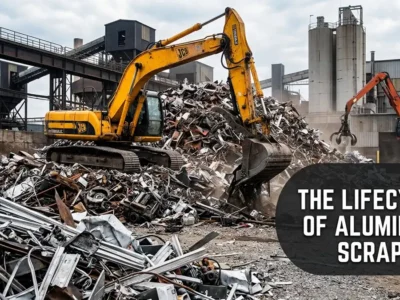
Aluminium waste and scrap are by-products of the production, consumption, and end-of-life stages of products made from aluminium. This lightweight, durable metal is used across various industries, and its recycling is important due to its economic and environmental benefits.
Article Index
The Importance of Aluminium Recycling
Environmental Benefits
Recycling aluminium greatly reduces the environmental footprint compared to producing new aluminium from bauxite ore. The process saves up to 95% of the energy required to create new aluminium, thereby reducing greenhouse gas emissions and conserving natural resources.
Economic Impact
Recycling aluminium also has a significant economic advantage. It creates jobs in the recycling and manufacturing industries while reducing the costs associated with landfill waste. Countries with strong recycling infrastructures can also benefit from aluminium as a valuable export commodity.
Sources of Aluminium Waste and Scrap
Industrial Waste
A major portion of aluminium scrap originates from industrial processes such as machining, forming, and cutting in the construction and manufacturing sectors.
Consumer Products
Aluminium is widely used in consumer goods like cans, kitchen foil, and electronics. These items, when disposed of, contribute to post-consumer aluminium waste, which is a major source for recyclers.
Automotive Waste
The automotive industry is another major contributor, with aluminium parts from end-of-life vehicles being a significant source of recyclable material.
The Aluminium Recycling Process
Collection and Sorting
The first step in aluminium recycling is the collection of scrap. This can come from industrial sources or consumer products. Sorting is essential to separate aluminium from other materials to ensure efficiency in the recycling process.
Melting and Refining
Once sorted, aluminium is melted down in large furnaces. This process purifies the metal and prepares it for reuse.
Casting
After melting, the aluminium is cast into ingots or other shapes that can be used to manufacture new products. This recycled aluminium is just as strong and versatile as new aluminium.
Types of Aluminium Scrap
Clean vs. Contaminated Scrap
Aluminium scrap can be classified as clean or contaminated. Clean scrap is easier and cheaper to recycle because it does not require extensive cleaning processes. Contaminated scrap, such as painted or coated aluminium, needs additional processing before recycling.
Primary vs. Secondary Scrap
Primary scrap is leftover material from the manufacturing process, while secondary scrap comes from used products. Both types are valuable in the recycling stream but may require different treatments.
Aluminium Waste Management Practices
Government Regulations
Many countries have strict regulations around the disposal and recycling of aluminium waste to minimize environmental damage. These regulations promote the efficient recovery of aluminium scrap and reduce landfill use.
Best Practices in Industry
Industries are encouraged to adopt best practices such as reducing contamination in scrap and improving sorting techniques to optimize the recycling process.
Economic Value of Aluminium Scrap
Market Trends
The global demand for aluminium is continuously rising, and the value of aluminium scrap is following suit. As industries push for greener solutions, the profitability of recycling aluminium is becoming increasingly attractive.
Profitability of Recycling Aluminium
The costs saved in energy and raw material procurement make recycling aluminium not only environmentally beneficial but also economically advantageous. Many businesses profit from selling scrap or buying recycled aluminium at lower prices.
Environmental Challenges in Aluminium Recycling
Energy Consumption
While recycling aluminium uses significantly less energy than producing it from raw materials, the process still consumes energy. Innovations in energy-efficient recycling technologies are essential for minimizing environmental impacts.
Emissions During Recycling
Although recycling aluminium produces fewer emissions than primary production, the melting process can still emit pollutants. Addressing these emissions is critical for ensuring that aluminium recycling remains a sustainable practice.
Aluminium Scrap in Different Industries
Construction
Aluminium is widely used in construction, and a significant portion of waste comes from the demolition of buildings or excess material from construction sites.
Transportation
The transportation sector, particularly the automotive and aerospace industries, is a major consumer of aluminium. Recycling aluminium from vehicles helps reduce the environmental impact of the transportation industry.
Packaging
Aluminium packaging, such as beverage cans, is one of the most recycled forms of aluminium. The lightweight and durable properties of aluminium make it ideal for packaging materials.
Innovations in Aluminium Recycling
Advancements in Technology
New technologies are emerging to make aluminium recycling more efficient. For example, automated sorting systems use advanced sensors to identify and sort aluminium from other waste streams.
Future Prospects
The future of aluminium recycling looks promising, with continuous advancements in processing technologies, reduced energy consumption, and greater public awareness driving growth in the sector.
Global Aluminium Scrap Market
Major Aluminium Recycling Countries
Countries like the USA, China, and Germany lead the way in aluminium recycling, contributing significantly to the global supply of recycled aluminium.
Supply and Demand
As demand for aluminium continues to grow, the supply of recycled aluminium plays a crucial role in balancing market needs. The price of scrap aluminium is directly influenced by these supply-demand dynamics.
Circular Economy and Aluminium
Sustainability of Aluminium
Aluminium is a highly sustainable material, as it can be recycled infinitely without losing its quality. This characteristic makes it ideal for promoting a circular economy, where materials are reused rather than discarded.
Waste Reduction Strategies
Innovative strategies such as redesigning products to be easier to recycle, and reducing waste during production, are essential for minimizing aluminium waste and maximizing the benefits of recycling.
Challenges Facing Aluminium Waste Management
Contamination Issues
Contaminated aluminium scrap requires additional processing, which increases the cost and complexity of recycling. Finding ways to reduce contamination is key to improving the efficiency of recycling.
Transportation Costs
The cost of transporting aluminium scrap to recycling facilities can be high, especially for bulky or low-value scrap. Optimizing transportation logistics can help reduce these costs.
Benefits of Aluminium Over Other Metals
Lightweight Nature
Aluminium’s lightweight nature makes it highly desirable for industries such as transportation and packaging, where weight reduction leads to fuel savings and cost efficiency.
Resistance to Corrosion
Unlike steel, aluminium does not rust, making it a preferred material for long-lasting products in industries such as construction and automotive.
Future of Aluminium Waste and Scrap Recycling
Global Policies for Aluminium Recycling
Governments around the world are enacting policies to promote aluminium recycling, recognizing its environmental and economic importance.
Innovations in Processing
New recycling techniques, such as low-temperature melting and improved sorting technologies, promise to make aluminium recycling even more efficient in the coming years.
FAQs About Aluminium Waste and Scrap
What is the difference between primary and secondary aluminium scrap?
Primary scrap comes from manufacturing processes, while secondary scrap originates from used aluminium products. Both are recyclable but require different handling methods.
How is aluminium waste sorted?
Aluminium waste is sorted through a combination of manual and automated processes, including magnetic separation and sensor-based sorting technologies.
Why is aluminium scrap valuable?
Aluminium scrap is valuable because it can be recycled repeatedly without losing its properties, saving both energy and raw materials in the process.
What is the environmental impact of recycling aluminium?
Recycling aluminium reduces energy consumption by up to 95%, significantly lowering greenhouse gas emissions compared to producing new aluminium.
What are the challenges in recycling contaminated aluminium?
Contaminated aluminium requires additional cleaning and processing, which increases recycling costs and can affect the quality of the final product.
Which industries produce the most aluminium scrap?
The construction, automotive, and packaging industries are the largest producers of aluminium scrap due to their extensive use of aluminium in products and infrastructure.