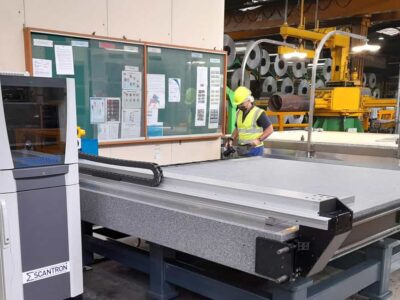
Aluminum is classified as a nonrenewable resource because its initial source material, bauxite ore, is a finite deposit that takes millions of years to form and cannot be quickly replenished to meet human consumption rates. Even its exceptional recyclability does not change this fundamental classification.
Key Reasons for Classification
- Aluminum is extracted from finite bauxite ore deposits.
- These deposits are formed over vast geological time scales (millions of years).
- The resource cannot be replenished at a rate that matches current industrial use.
Comprehensive Analysis: Extraction, Formation, and Sustainability
Definition and Extraction from Finite Deposits
Nonrenewable resources are defined as natural substances that are finite and cannot be replenished at a rate sufficient to meet human consumption within a reasonable timeframe. According to the U.S. Energy Information Administration (Nonrenewable Resources), these resources, which include minerals and metal ores like aluminum, are typically extracted from the Earth. Aluminum fits this classification because it is derived from bauxite ore, which is mined and processed, and its formation occurs over geological time scales, often millions of years, as noted in various environmental science resources (Non-Renewable Resource Overview).
Aluminum is the second most abundant metallic element in the Earth’s crust, yet its concentration in economically viable deposits is limited. The U.S. Geological Survey (Aluminum Statistics and Information) details that the extraction process involves mining bauxite, followed by refining it into alumina, and then smelting it into aluminum metal. This process is energy-intensive and relies entirely on the availability of these finite deposits, which, once depleted, cannot be quickly replenished (Is Aluminum a Nonrenewable Resource?).
The Role of Geological Formation Time
The key factor solidifying aluminum’s nonrenewable status is the time required for its formation. Bauxite ore is the product of a slow geological process involving the weathering of aluminum-rich rocks over millions of years. Educational resources like Brainly (Why is Aluminum Considered Nonrenewable?) state that new aluminum deposits form too slowly to replace consumed reserves within human lifespans. This contrasts sharply with renewable resources like timber, which can regenerate within decades. The inability to rapidly replace the deposits is a critical element in its classification (Renewable and Nonrenewable Resources).
Recycling: A Sustainability Hybrid
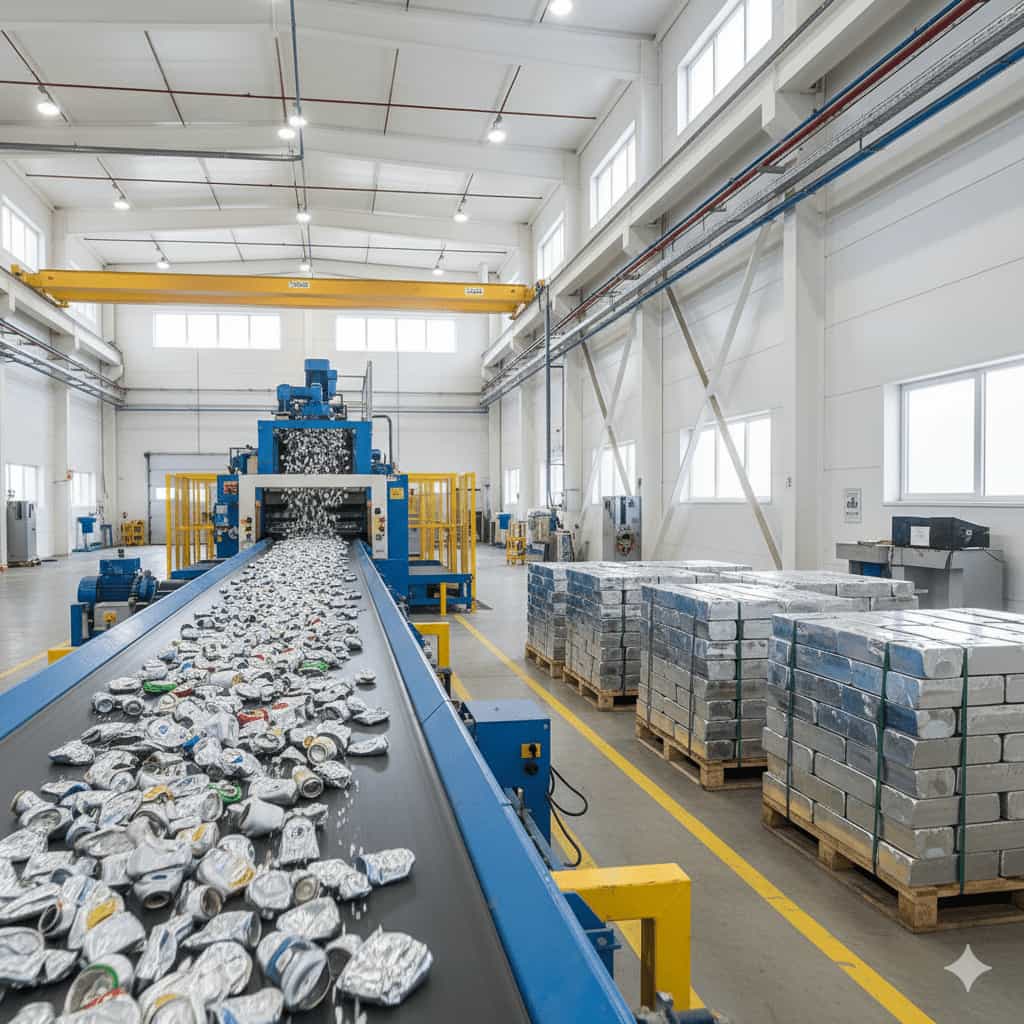
Despite being nonrenewable in its raw form, aluminum is highly recyclable and often referred to as a sustainability hybrid. The metal can be recycled indefinitely without losing its structural properties, with recycled cans frequently used to create new ones, significantly reducing the environmental impact of primary mining. The Aluminum Association (Aluminum Sustainability) emphasizes this key benefit.
However, this high recyclability does not change its classification as nonrenewable because the initial material still comes from finite bauxite. Furthermore, the recycling process itself, though requiring less energy than primary production, still often depends on nonrenewable energy sources, further highlighting the resource’s nonrenewable origins (The Effect of Aluminum Cans on the Environment).
Alternative Extraction and Economic Implications
While extracting aluminum from alternative sources, such as seawater, has been explored, research articles (Extracting Minerals from Seawater) indicate that the energy required for extraction is prohibitively high, making it uneconomical compared to mining bauxite. This reinforces that aluminum’s primary source remains the finite ore deposits.
The finite nature of bauxite also has significant economic and environmental implications. Depletion could lead to increased material costs and a greater reliance on recycling. Environmentally, the mining of bauxite can cause land disturbance and water pollution, as noted by the Environmental Protection Agency (Secondary Aluminum Production). Aluminum’s classification aligns with other nonrenewable metals like gold and silver due to their shared reliance on finite mineral deposits and geological formation processes (Is Aluminum a Nonrenewable Resource?).
In conclusion, aluminum is classified as a nonrenewable resource primarily because it is extracted from finite bauxite ore deposits that cannot be quickly replaced. Its formation over millions of years, the impracticality of alternative extraction methods, and its reliance on primary mining despite high recyclability all contribute to this classification, demanding sustainable management strategies.
Key Citations
- Aluminum Statistics and Information U.S. Geological Survey
- Is Aluminum a Nonrenewable Resource? If so, why? Quora
- Which best explains why aluminum is a nonrenewable resource? Brainly
- Renewable and Nonrenewable Resources Penn State Extension
- Nonrenewable Energy U.S. Energy Information Administration
- Non-Renewable Resource Overview Corporate Finance Institute
- Aluminum Sustainability The Aluminum Association
- The Effect of Aluminum Cans on the Environment Sciencing
- Extracting Minerals from Seawater MDPI
- Secondary Aluminum Production National Emission Standards US EPA