Let’s be real — the internet is flooded with textbook definitions. But if you actually want to understand aluminium alloys, not just skim surface-level info, this is where it starts. Whether you’re a builder, manufacturer, or just alloy-curious, here’s the breakdown without fluff.
What Is an Aluminium Alloy?
An aluminium alloy is simply aluminium mixed with other elements like copper, magnesium, silicon, zinc, or manganese. On its own, pure aluminium is soft and not always suited for construction or high-performance applications. Alloying it makes it tougher, stronger, and more versatile.
There are two main types:
- Cast aluminium alloys – Formed by pouring into moulds. Used in engine parts, brackets, and complex shapes.
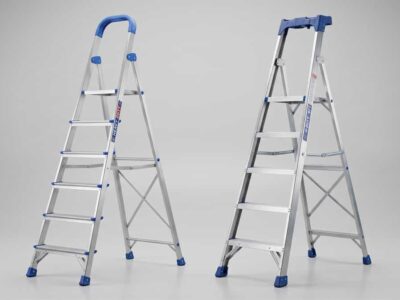
- Wrought aluminium alloys – Shaped by rolling, extrusion, or forging. Common in structural profiles, windows, doors, and ladders.
Aluminium Alloy Series and Their Use Cases
| Series | Key Alloying Element | Common Applications |
|---|---|---|
| 1xxx | Pure aluminium (99%+) | Electrical wiring, reflectors, cookware |
| 3xxx | Manganese | Roofing sheets, signage, cookware |
| 5xxx | Magnesium | Marine applications, trailers, architectural cladding |
| 6xxx | Magnesium + Silicon | Window frames, doors, automotive trims |
| 7xxx | Zinc | Aerospace parts, performance bikes, climbing gear |
For deeper comparisons:
Why Not Just Use Pure Aluminium?
Because pure aluminium isn’t built for pressure. It’s soft, dents easily, and lacks strength under load. Alloying adds:
- Increased tensile strength
- Improved corrosion resistance
- Better weldability and formability
- Suitability for heat treatment and machining
Different jobs demand different properties, and alloys help meet those demands efficiently.
Real-World Applications
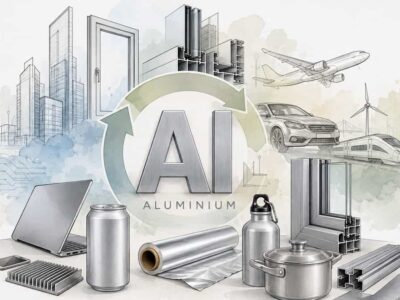
Construction: 6061 and 6082 alloys are commonly used in windows, curtain walls, structural glazing, and commercial facades.
Automotive & Transport: Alloys in the 5xxx series handle stress and saltwater better, making them ideal for vehicle bodies, railcars, and marine boats.
Aerospace & Aviation: 7xxx series, like 7075, is used for wings, fuselage parts, and landing gear due to high strength-to-weight ratios.
More practical reading:
Manufacturing and Sustainability Notes
Aluminium alloys are fully recyclable and form the backbone of the circular economy in metals. They retain their strength even after recycling, making them a preferred choice in sustainable architecture and green engineering.
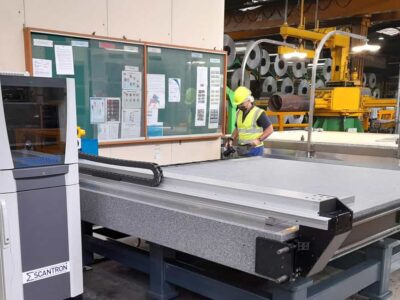
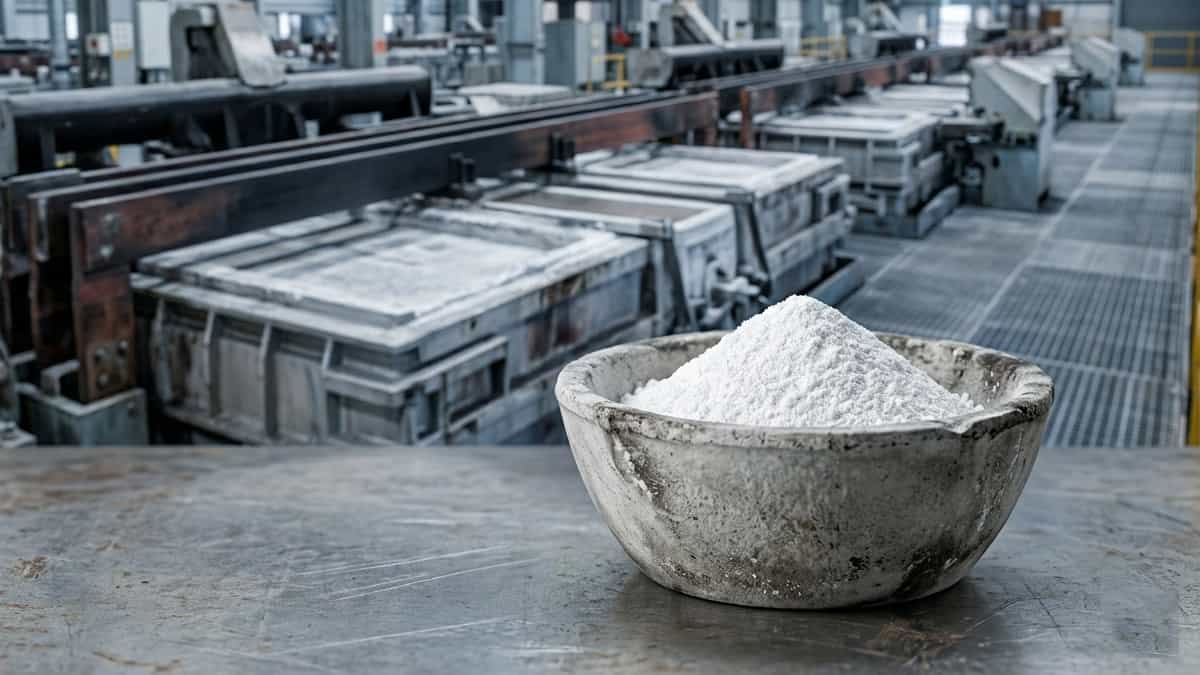
The fabrication process—whether extrusion, forging, or casting—depends on the alloy. Some respond better to heat treatment, others to cold working.
Learn more:
If you’re designing, building, or sourcing aluminium products, alloy selection is not just a technical detail — it’s a make-or-break factor. From cost to corrosion resistance to structural performance, choosing the right alloy ensures long-term success in real-world conditions.
Always know what you’re buying. And always know why it matters.