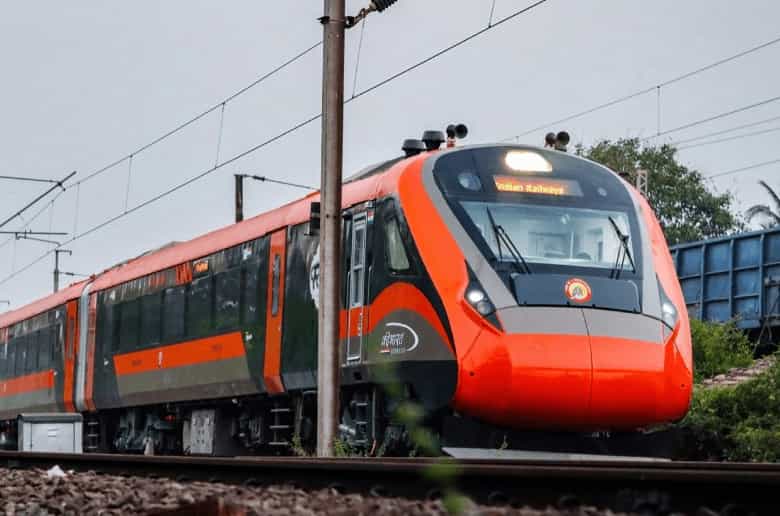
The evolution of the railway industry is more than just a tale of engineering advancements; it’s a journey toward a sustainable and efficient future. As the world shifts its focus toward greener technologies, the materials we choose for infrastructure are becoming more critical than ever. Aluminium-bodied trainsets are at the forefront of this revolution, offering a blend of lightness, strength, and sustainability that is redefining the future of rail transport.
Why Aluminium?
The Unique Properties of Aluminium
Aluminium is a material like no other. Its lightweight nature, combined with its exceptional strength and resistance to corrosion, makes it an ideal candidate for railway bodies. When we compare aluminium to traditional materials like stainless steel, the advantages become even clearer. Stainless steel, while durable, is heavy and less energy-efficient, making it less suitable for the high-speed, eco-conscious trains of the future.
Comparison Between Aluminium and Traditional Materials
Stainless steel has been the go-to material for train bodies for decades, but times are changing. Aluminium offers a significant reduction in weight—up to 50% less than stainless steel—leading to enhanced energy efficiency and speed. The environmental benefits are also noteworthy, with aluminium offering superior recyclability and a lower carbon footprint throughout its lifecycle.
Types of Aluminium Used in Railway Bodies
Aluminium 6063: The Architectural Marvel
Aluminium 6063 is renowned for its formability and smooth surface finish. This alloy is commonly used in architectural applications, but its qualities make it an excellent choice for railway bodies as well. The ability to extrude this alloy into complex shapes with aerodynamic designs is a key factor in its adoption in the railway industry.
Aluminium 6061: The Workhorse Alloy
When it comes to structural strength and weldability, Aluminium 6061 stands out. This alloy is used extensively in areas where high strength is required, making it perfect for the load-bearing components of train bodies. Its resistance to corrosion ensures that the trains can withstand harsh environmental conditions, extending their operational lifespan.
Aluminium 7075: High-Strength for High-Speed
For high-speed rail applications, where strength is paramount, Aluminium 7075 is the alloy of choice. Originally developed for the aerospace industry, this alloy brings unmatched strength to railway bodies, ensuring that they can endure the stresses of high-speed travel without compromising safety.
Weight Reduction: A Game-Changer for Railways
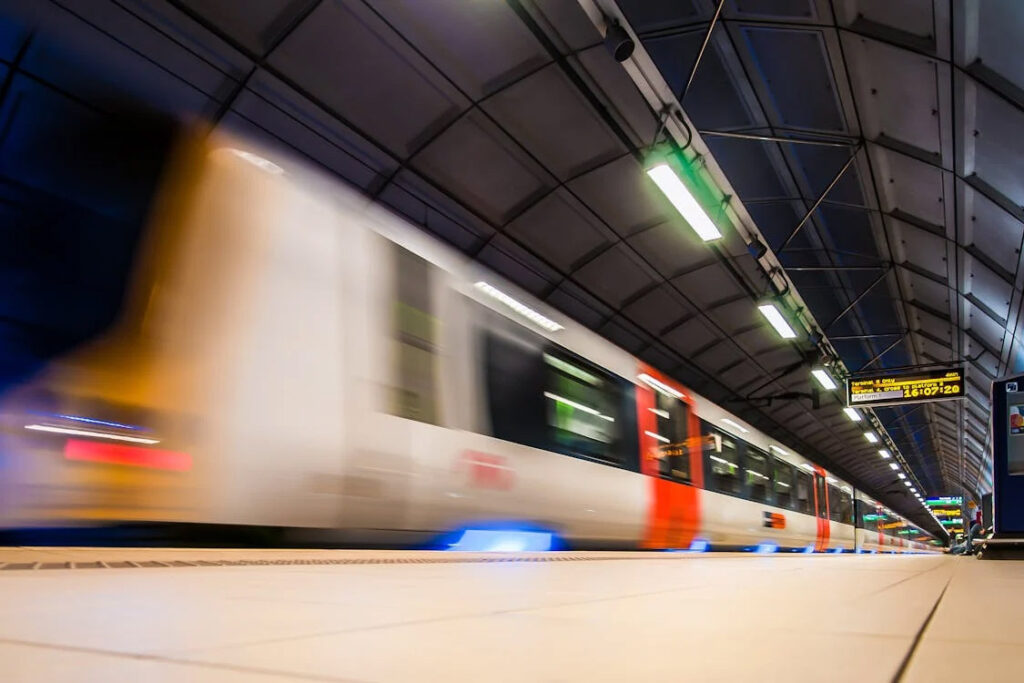
Impact of Lighter Train Bodies on Energy Consumption
Weight reduction is more than just a technical achievement; it’s a game-changer for the entire railway industry. Lighter train bodies mean that trains require less energy to move, translating into lower operational costs and reduced environmental impact. It’s like giving the trains a new pair of wings—allowing them to soar through the tracks with greater speed and efficiency.
How Weight Reduction Enhances Speed and Efficiency
Speed and efficiency are the lifeblood of modern railways. With aluminium-bodied trains, these factors are taken to the next level. The reduced weight allows for quicker acceleration, higher top speeds, and smoother rides—all while consuming less energy. It’s a perfect synergy of performance and sustainability.
Energy Efficiency and Environmental Impact
Reducing Carbon Footprint Through Aluminium Use
In an era where every industry is being held accountable for its carbon footprint, aluminium-bodied trains offer a breath of fresh air. The energy savings from reduced weight lead to lower greenhouse gas emissions, making aluminium a key player in the fight against climate change.
Long-Term Environmental Benefits of Aluminium-Bodied Trains
The environmental benefits of aluminium go beyond energy savings. Aluminium is highly recyclable, meaning that at the end of a train’s life, the materials can be repurposed with minimal environmental impact. This closed-loop system ensures that the railway industry can continue to innovate without depleting natural resources.
Durability and Longevity of Aluminium Train Bodies
Resistance to Corrosion and Wear
Durability is a critical factor in the railway industry, and aluminium excels in this area. Its natural resistance to corrosion means that aluminium-bodied trains can withstand the elements better than their steel counterparts. This durability translates into fewer repairs, lower maintenance costs, and longer service life for the trains.
Longevity Compared to Traditional Materials
When we talk about longevity, aluminium outshines traditional materials like steel. The combination of strength, corrosion resistance, and lightweight properties ensures that aluminium-bodied trains remain in service longer, providing value for decades.
Safety Considerations with Aluminium
Aluminium’s Strength-to-Weight Ratio
Safety is non-negotiable in the railway industry, and aluminium doesn’t disappoint. Despite being lighter, aluminium alloys like 6061 and 7075 are incredibly strong, offering an excellent strength-to-weight ratio. This means that in the unfortunate event of a collision, aluminium-bodied trains can absorb and dissipate energy effectively, protecting passengers and reducing the severity of accidents.
Crashworthiness and Safety in Aluminium-Bodied Trains
The crashworthiness of aluminium-bodied trains is a testament to the material’s resilience. Engineers have designed these trains to not only withstand impact but to protect the occupants in the process. This focus on safety ensures that passengers can travel with peace of mind, knowing that they are in one of the safest vehicles on the tracks.
Cost-Effectiveness of Aluminium Trainsets
Initial Investment vs. Long-Term Savings
While the initial cost of aluminium trainsets may be higher than traditional options, the long-term savings are substantial. The reduced energy consumption, lower maintenance costs, and extended service life mean that the total cost of ownership is lower, making aluminium an economically sound choice.
Maintenance and Lifecycle Costs
Aluminium’s resistance to wear and corrosion means that maintenance costs are lower over the train’s lifecycle. Fewer repairs and less downtime translate into more efficient operations and higher profitability for railway companies.
Real-World Examples of Aluminium-Bodied Trainsets
Case Studies of Successful Aluminium Train Implementations
Around the world, aluminium-bodied trainsets are proving their worth. The Japanese Shinkansen, known for its speed and efficiency, extensively uses aluminium in its design. Similarly, European high-speed trains like the TGV and ICE have adopted aluminium-bodied designs, showcasing the material’s versatility and performance in real-world applications.
Performance Comparisons with Steel-Bodied Counterparts
When compared to steel-bodied trains, aluminium-bodied trains consistently demonstrate superior performance. Whether it’s in speed, energy efficiency, or durability, aluminium trains are leading the way, setting new standards for the industry.
The Future of Aluminium in Railway Design
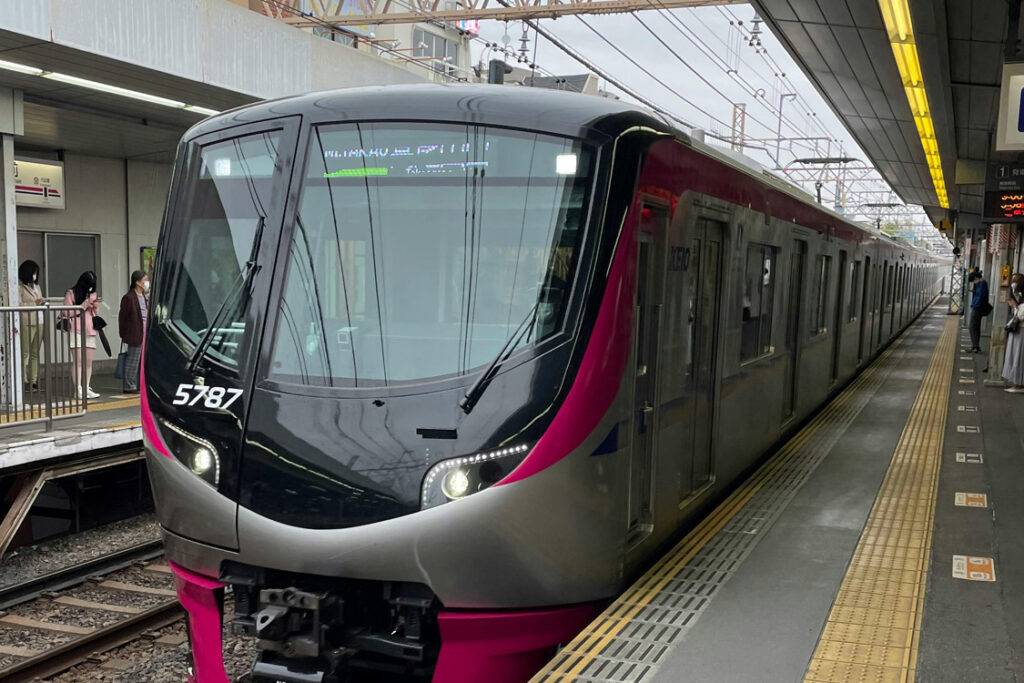
Innovations in Aluminium Alloys for the Railway Industry
The future of aluminium in railway design is bright, with ongoing innovations in alloys and manufacturing techniques. These advancements are making aluminium even more attractive for future train designs, pushing the boundaries of what’s possible in rail travel.
Potential for Further Advancements and Widespread Adoption
As the industry continues to prioritize sustainability and efficiency, the use of aluminium in railway bodies is set to expand. The potential for further advancements in this area is enormous, with aluminium poised to play an even greater role in the trains of tomorrow.
Challenges and Considerations
Technical Challenges in Manufacturing and Design
Despite its many advantages, manufacturing aluminium train bodies presents some challenges. The specialized techniques required for forming and welding aluminium can be a barrier to adoption. However, with continued research and development, these challenges are being overcome, paving the way for broader use of aluminium in the railway industry.
Addressing Concerns About Recyclability and Resource Availability
While aluminium is highly recyclable, ensuring a steady supply of recycled material without depleting natural resources remains a concern. However, the industry’s focus on sustainability is driving innovations in recycling technologies, ensuring that aluminium remains a viable and environmentally friendly option for the future.
Public Perception and Adoption
How Passengers Perceive Aluminium-Bodied Trains
Passenger perception is important for the success of any new technology. Fortunately, aluminium-bodied trains have been well-received by the public, who appreciate the modern designs, smoother rides, and environmental benefits. This positive reception is helping to drive wider adoption of aluminium in the railway industry.
The Role of Government and Industry in Promoting Aluminium Use
Governments and industry leaders play a pivotal role in promoting the use of aluminium in railways. Through policies, incentives, and public awareness campaigns, they can encourage the adoption of aluminium, helping to accelerate the transition to more sustainable and efficient rail transport.
Aluminium-bodied trainsets are more than just a technological innovation—they are a glimpse into the future of rail travel. With their lighter weight, enhanced energy efficiency, superior durability, and commitment to sustainability, they offer a compelling alternative to traditional materials like stainless steel. As the railway industry continues to evolve, aluminium is set to play an increasingly central role, shaping the future of transportation in ways we can only begin to imagine.
Related Articles

Featured


You May Also Like
Why Cheap Telescopic Ladders Feel Unsafe

Replacing Your House Windows? 14 Popular Types Every Homeown…

Aluminium Windows Problem: Condensation on Glass Panes
Best Security Storm Doors for Maximum Front Door Protection

Understanding Air Permeability Class for Energy-Efficient Al…