
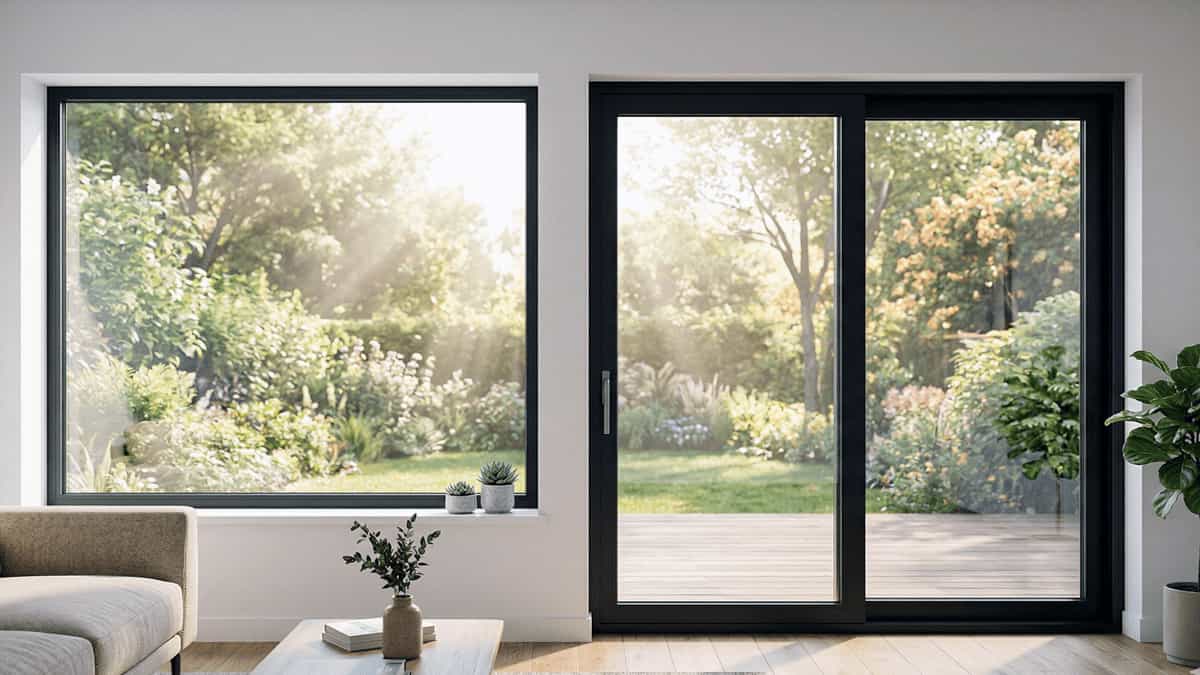
💡 What is Energy Efficiency? Energy efficiency means using less energy to get the same result. In doors and windows, it involves optimizing the materials and design to:
- Reduce energy waste (less heating/cooling needed).
- Lower utility bills (cost savings).
- Minimize environmental impact (lower carbon footprint).
The global push for sustainability makes this more important than ever. Learn more about the impact of the aluminium industry on global economies and how aluminium is driving sustainable development.
🔑 11 Key Energy-Efficiency Terms
When buying new doors or windows, these terms help you evaluate their performance and insulation.
1. U-Factor (U-Value)
- Definition: Measures how well a product prevents heat from escaping (insulation).
- Significance: The lower the number, the better the insulation. A low U-factor keeps heat inside during winter.
- Target Range: 0.25 to 0.30 for high efficiency.
2. Solar Heat Gain Coefficient (SHGC)
- Definition: The fraction of solar heat (sunlight) that passes through and becomes heat inside your home.
- Significance: The lower the number, the less solar heat enters. Crucial for reducing air conditioning costs in hot climates.
- Target Range:
- Hot Climates: 0.25 or lower. Discover the best windows for hot climates.
- Cold Climates: Up to 0.40 (to allow beneficial winter sun).
Unsure which is more important? Read our comparison: SHGC vs. U-Factor: Which is More Important?
3. Low-E (Low Emissivity) Glass
- Definition: Glass with a thin, metallic-oxide coating that reflects infrared heat and UV rays.
- Significance: Greatly improves insulation by retaining warmth in winter and keeping heat out in summer.
- Note: Different coatings exist for various climates. Get a full breakdown in our guide: What is Low-E Glass?
4. R-Value
- Definition: Measures a material’s resistance to heat flow (used often for window frames).
- Significance: The higher the number, the better the insulation.
- Target Range: 3 or above is typically energy efficient for window/door materials.

5. Air Leakage (AL)
- Definition: Measures how much air (drafts) passes through gaps in the window or door assembly.
- Significance: Lower leakage means better energy savings and a more stable indoor temperature. Find out why your windows might be cold and drafty.
- Target Range: Less than 0.30 cubic feet per minute per square foot (cfm/ft²).
6. Condensation Resistance (CR)
- Definition: Measures how well the product resists condensation (sweating) on its surface.
- Significance: A higher CR rating (scale of 1-100) helps prevent mold, mildew, and water damage.
- Target Range: 50 or above is recommended. Learn more about condensation on aluminium windows.
7. Visible Transmittance (VT)
- Definition: The amount of natural visible light that passes through the product (scale of 0 to 1).
- Significance: Higher VT means more natural light, reducing the need for artificial lighting.
- Target Range: 0.40 to 0.70 for a balance of light and efficiency.
8. Multiple Glazing (Double/Triple Pane)
- Definition: Windows/doors with two or three layers of glass, separated by a space of air or gas.
- Significance: Improves insulation and reduces heat transfer. Triple-pane offers superior performance for extreme climates. Compare the options in Single vs. Double Glazed Windows: Pros & Cons.
9. Gas Fills
- Definition: Inert gases, like argon or krypton, used to fill the space between the glass panes in multi-pane units.
- Significance: These dense gases improve the insulating properties of the window, reducing heat loss.
10. Frame Material Efficiency
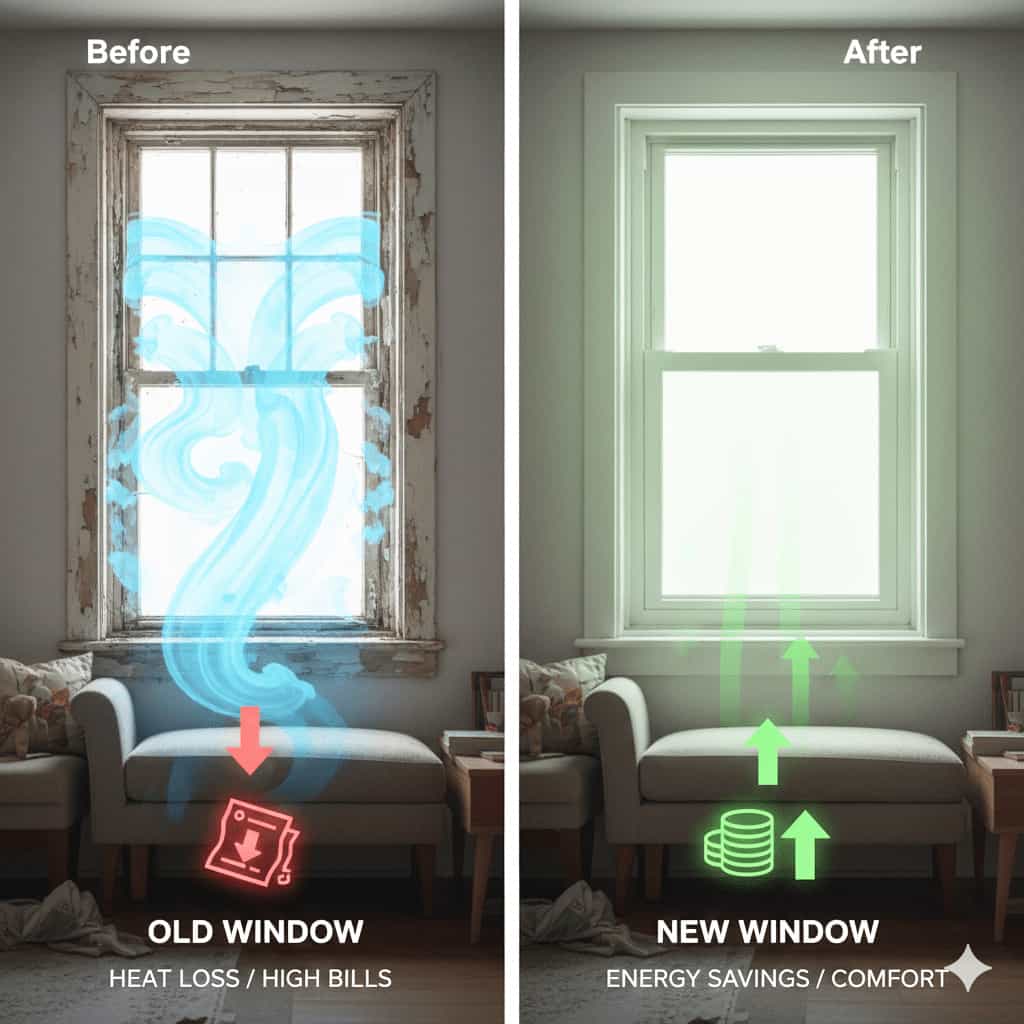
- Definition: The insulation quality of the material used for the frame (e.g., aluminum thermal-break, alu-wood).
- Significance: Materials like Aluminium-CladWood(Expensive) offer better natural insulation than standard aluminum. Aluminum frames need a thermal break to be energy efficient.
- Other Options: uPVC (vinyl), wood, or fiberglass. Understand the key differences in our guide: Aluminium vs. uPVC vs. Vinyl Windows.
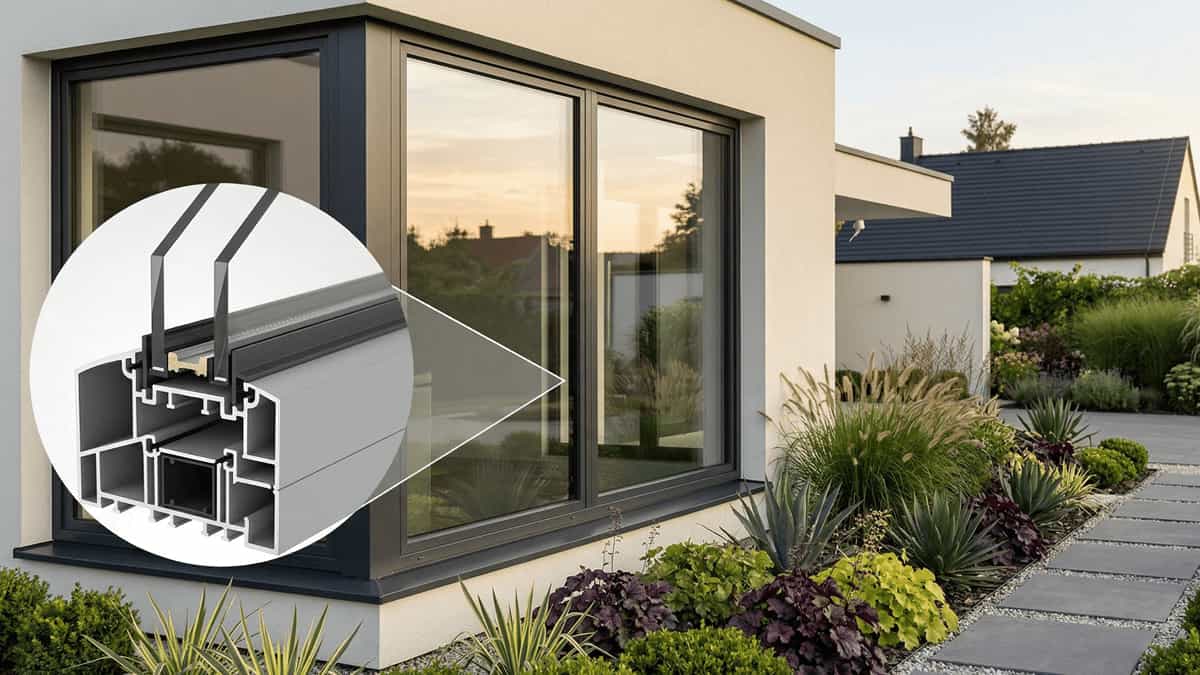
What is a Thermal Break? This is important for aluminium efficiency. A thermal break is a non-conductive material that separates the inside and outside parts of the frame. Find out if you need thermal break windows and explore the benefits of energy-saving thermal break aluminium windows.
11. ENERGY STAR Certification
- Definition: A government-backed label for products tested and proven to meet strict energy-efficiency standards.
- Significance: Makes it easy to choose products that are guaranteed to save energy and reduce bills. Look for the label!
🌟 Why Energy Efficiency Matters
| Benefit | Description |
|---|---|
| 💰 Cost Savings | Significantly reduces heating and cooling bills by maintaining a stable indoor temperature. |
| 🛋️ Comfort | Eliminates drafts and cold/hot spots, leading to a more pleasant living environment. |
| 🌍 Environment | Lowers your reliance on fossil fuels, reducing your overall carbon footprint. |
| 📈 Property Value | Energy-efficient features are attractive upgrades that can increase a home’s market value. |
As global temperatures rise, the choice of energy-efficient building materials becomes critical. See how this trend is shaping demand worldwide in our article on global temperature rise and energy-saving doors and windows.
You Might Find Interesting
Related Articles


Featured
You May Also Like

Which Mosquito Net is Best for Aluminium Sliding Frame?
33 Aluminium Compounds: Formulas, Properties & Industria…
Do Aluminium Telescopic Ladders Rust?

Canada’s Top Climate Zones for Optimal Aluminium Windo…

Ideal Climate for Powder Coated Aluminium Frame
