In today’s dynamic global landscape, the aluminum industry stands as a pillar of industrial progress and economic advancement. As industry leaders, we recognize the critical role that aluminium plays in driving innovation, sustainable growth, and a competitive edge in the international arena. In this article, we delve deep into the general benefits of the aluminum industry, focusing on its contribution to GDP growth, its integral role in supply chain efficiency and international trade, and its substantial investments in infrastructure and technology.
Elevating National Economies through Aluminum
The aluminium sector is more than just a source of a versatile metal—it is a catalyst for economic prosperity. Our extensive research and industry insights reveal that the aluminium industry has become a key contributor to the GDP of many nations. By integrating advanced production techniques, sustainable practices, and strategic market positioning, countries with a robust aluminium sector experience:
- Enhanced manufacturing capabilities: The lightweight yet durable nature of aluminium makes it ideal for automotive, aerospace, and construction sectors, reducing fuel consumption and lowering operational costs.
- Increased export revenues: The global demand for aluminium and aluminium-based products fuels trade surpluses, thus boosting national economies.
- Job creation: From mining to fabrication, the aluminium industry supports a wide range of skilled labor, fostering employment and contributing to overall economic stability.
By fostering a synergistic relationship between raw material extraction and high-value manufacturing, we see a direct positive impact on national GDP and industrial competitiveness.
Driving Economic Growth: Aluminum’s GDP Contributions

Growth in GDP contributions is one of the most compelling advantages provided by a strong aluminium industry. Investment in state-of-the-art smelting facilities, research and development, and production automation leads to an increase in the overall economic output. The following points highlight how this industry drives GDP growth:
- Technological Advancements: Continuous improvements in smelting and recycling technologies not only reduce production costs but also enhance the efficiency of resource use. These technological breakthroughs contribute to higher productivity and economic output.
- Value-Added Manufacturing: By transforming raw aluminium into high-value products, the industry creates opportunities for value addition. This transformation supports higher profit margins and promotes sustainable economic practices.
- Economic Diversification: Nations with significant aluminium production capabilities are better positioned to diversify their economies. This diversification helps mitigate risks associated with over-dependence on a single sector and promotes long-term economic resilience.
The aluminium industry’s multiplier effect means that investments in this sector stimulate growth in related industries such as automotive, aerospace, and consumer goods, creating a robust ecosystem that reinforces GDP expansion.
Supply Chain Efficiency and International Trade Advantages
The aluminium industry is a cornerstone of modern supply chains and international trade. Our analysis shows that the industry significantly contributes to the smooth operation and resilience of global supply networks. Key aspects include:
Streamlined Supply Chain Operations
Modern supply chains thrive on efficiency and reliability. Aluminum, known for its lightweight properties and versatility, is essential for developing products that meet stringent performance and sustainability standards. Here are some critical benefits:
- Reduced Transportation Costs: The lightweight nature of aluminium reduces shipping expenses and energy consumption. This attribute is important for industries where transportation logistics play a significant role in overall cost management.
- Enhanced Durability and Recyclability: Aluminum’s ability to withstand harsh environments, coupled with its high recyclability, minimizes waste and promotes a circular economy. This sustainability factor enhances supply chain resilience and reduces environmental impact.
- Integration with Advanced Technologies: The aluminium industry has embraced automation, IoT, and data analytics to optimize inventory management and forecast demand accurately. Such innovations lead to reduced lead times and improved delivery performance.
International Trade Advantages
Aluminum’s global significance is underscored by its extensive use in international markets. The industry supports robust trade relations between countries, offering multiple benefits:
- Competitive Export Market: Countries that invest in aluminium production can leverage their competitive advantage in the international market. High-quality aluminium products foster strong trade partnerships and open avenues for market expansion.
- Economic Diplomacy: Trade in aluminium and its derivatives often serves as a bridge for broader economic cooperation. Strategic alliances built on reliable aluminium exports contribute to geopolitical stability and mutual economic benefits.
- Standardization and Quality Assurance: Global standards in aluminium production and processing ensure that products meet international safety and performance benchmarks. This standardization facilitates smoother cross-border transactions and builds trust among trading partners.
Investments in Infrastructure and Technology: A Future-Ready Industry
The continuous evolution of the aluminium industry is fueled by significant investments in infrastructure and technology. These investments are pivotal in ensuring that the sector remains competitive and sustainable for decades to come.
Infrastructure Investments
Modernization of production facilities and transportation networks is central to maintaining the industry’s edge. We have observed several key trends in infrastructure development:
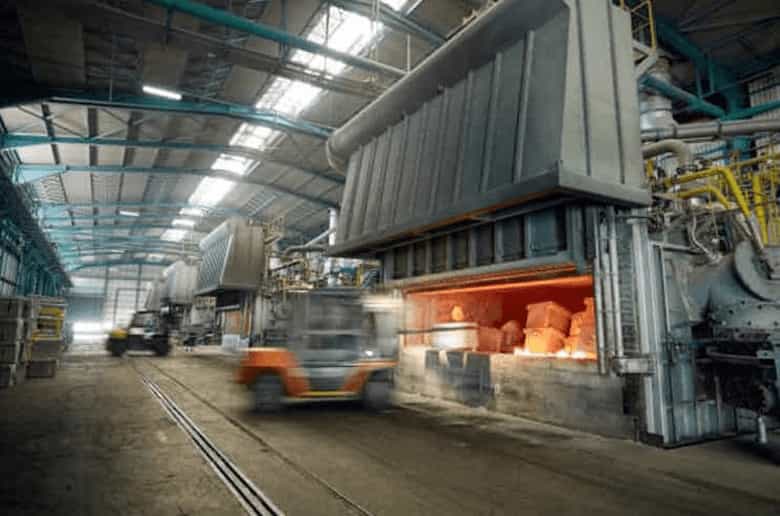
- Expansion of Smelting Capacities: To meet the growing global demand, investments in new smelting plants and upgrades of existing facilities are on the rise. These expansions not only increase production volumes but also reduce per-unit costs through economies of scale.
- Sustainable Production Facilities: Many countries are investing in eco-friendly production processes that reduce emissions and conserve energy. This commitment to sustainability helps secure long-term market access and aligns with global environmental goals.
- Logistical Enhancements: Upgraded transportation networks, including rail, road, and maritime infrastructure, ensure that raw materials and finished products move efficiently from production sites to global markets. Such investments are important for minimizing bottlenecks and reducing overall supply chain costs.
Technological Advancements
In parallel with infrastructure investments, technological innovation is reshaping the aluminium industry:
- Automation and Digitalization: The integration of advanced robotics, artificial intelligence, and machine learning in production processes has revolutionized efficiency and quality control. These technologies minimize human error and optimize production workflows.
- Recycling Innovations: As environmental concerns take center stage, breakthroughs in aluminium recycling technology have become a focal point. Enhanced recycling processes not only conserve resources but also generate significant cost savings and reduce environmental impact.
- Smart Manufacturing: The adoption of IoT devices and data analytics enables real-time monitoring and predictive maintenance. These innovations ensure uninterrupted production and improved safety standards, making the industry more resilient to market fluctuations.
By investing in cutting-edge technology, the aluminium industry is positioning itself at the forefront of the Fourth Industrial Revolution. These investments drive productivity gains, lower operational costs, and create opportunities for further industrial growth.
The Global Economic Impact of the Aluminum Industry
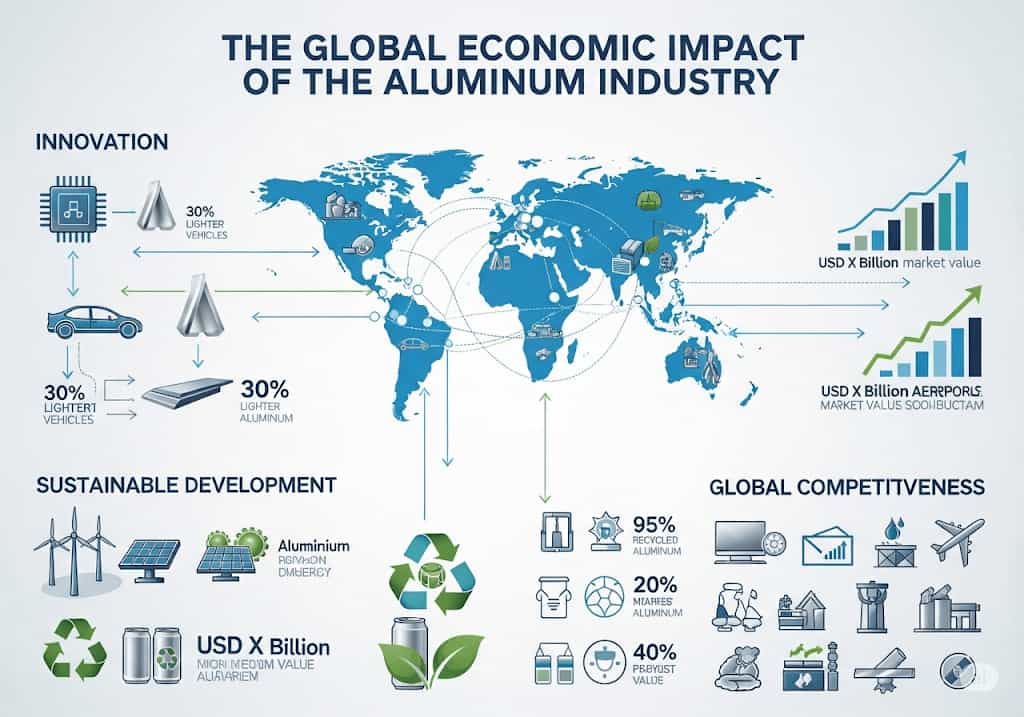
Our comprehensive analysis underscores that the aluminium industry plays a pivotal role in shaping global economic trends. Beyond contributing to GDP growth and enhancing supply chain efficiency, the industry’s impact is visible in several other critical areas:
- Innovation Catalyst: Aluminum’s unique properties have inspired innovations across various sectors. From lightweight automotive components that enhance fuel efficiency to advanced building materials that improve energy conservation, aluminium is at the heart of modern technological progress.
- Sustainable Development: The high recyclability of aluminium and its role in sustainable manufacturing practices contribute to environmental conservation. This commitment to sustainability not only meets regulatory requirements but also positions the industry as a leader in eco-friendly practices.
- Global Competitiveness: Nations that harness the full potential of their aluminium industries enjoy enhanced global competitiveness. With strategic investments in technology and infrastructure, these countries are better equipped to navigate economic challenges and capitalize on emerging market opportunities.
As a collective force, the aluminium industry drives economic development, fosters innovation, and promotes environmental sustainability on a global scale. Our commitment to advancing this critical sector is unwavering, and we continually strive to harness its full potential for the benefit of economies worldwide.
Looking Ahead: Future Prospects and Strategic Growth
The future of the aluminium industry is laden with opportunities. As global demand continues to rise, we foresee a landscape characterized by:
- Increased Automation: The ongoing integration of smart technologies will further streamline production processes and boost efficiency.
- Expanding Recycling Capabilities: With environmental concerns driving policy changes, advancements in recycling technology will play an increasingly central role.
- Diversified Applications: Continuous research and development will open new avenues for aluminum usage in emerging industries such as renewable energy and advanced electronics.
- Strengthened Global Partnerships: Enhanced international cooperation and trade agreements will fortify the industry’s position on the world stage, ensuring a steady supply of raw materials and expanded market access.
In our view, strategic investments in technology, infrastructure, and research are paramount for sustaining the growth momentum of the aluminium industry. By aligning industry practices with global economic trends, we are confident in the long-term viability and profitability of this sector.
In conclusion, the aluminium industry is a linchpin of modern economic development, offering substantial benefits that extend across GDP contributions, supply chain efficiency, international trade, and technological innovation. Our deep dive into this critical sector highlights its transformative impact on global economies, underlining the importance of continuous investments in infrastructure and technology. As we move forward, the aluminium industry will remain at the forefront of industrial evolution, driving economic growth and fostering sustainable practices worldwide.
- Learn more about the usage of aluminum in aircraft bodies: https://aluminiummagazine.com/mag/faqs/why-is-aluminum-used-for-aircraft-bodies.html
- Discover the forms of unwrought raw aluminum: https://aluminiummagazine.com/mag/aluminium/raw/unwrought-raw-aluminum-aluminium-not-alloyed-ingots.html
- Find Information about aluminum flat bars: https://aluminiummagazine.com/mag/aluminium/bar/aluminum-flat-bar-types-sizes.html