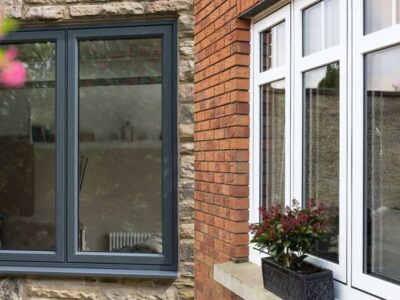
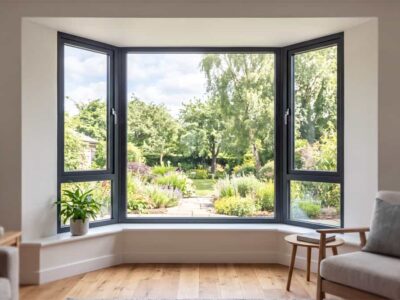
Aluminium windows are prized for their sleek design, durability, and low maintenance. But without a thermal-break, they can become energy vampires—draining your comfort and budget. Thermal-break technology solves aluminium’s biggest weakness: its tendency to conduct heat and cold.
This practical guide cuts through the noise, helping you decide if thermal-break aluminium windows are right for your home, climate, and budget.
Why Aluminium Needs a “Break”: The Science Made Simple
Aluminium is a natural heat conductor—great for cookware, terrible for energy bills. Without intervention, standard aluminium frames act like thermal highways, letting outdoor temperatures seep indoors. Thermal-break technology solves this by inserting a non-conductive barrier (typically polyamide or reinforced nylon) between the inner and outer aluminium profiles. This “breaks” the heat flow, slashing energy loss by up to 75%.
Think of it like a thermos: the barrier keeps heat out in summer and in during winter. Added perks include:
- Condensation control: Prevents moisture buildup by balancing frame temperatures.
- Noise reduction: The polyamide strip dampens sound vibrations (up to 40 dB).
- Structural integrity: Aluminium’s strength remains intact, supporting slim profiles and large glass areas.
Climate-Based Recommendations:
Where You Need Them (and Where You Don’t)
Your local climate is the biggest factor in deciding whether thermal-break windows are worth the investment.
✅ Essential in These Climates:
- Cold/Winter-Dominant (e.g., Canada, Northern Europe, Mountain Regions):
- Why: Prevents heat loss, reduces heating costs by 20–30%, and stops interior condensation that leads to mold.
- Pair with: Triple glazing and Low-E coatings for maximum insulation.
- Hot/Arid (e.g., Southwest USA, Middle East, Australia):
- Why: Blocks external heat from entering, keeping AC costs down. Standard aluminium frames can overheat, radiating heat indoors.
- Pair with: Tinted or reflective glass to minimize solar gain.
- Coastal/Humid (e.g., Florida, Southeast Asia):
- Why: Resists salt corrosion and reduces humidity-driven condensation. Thermal breaks also minimize warping from temperature swings.
- Noisy Urban Areas:
- Why: The polyamide barrier dampens traffic, construction, and street noise.
⚠️ Optional in These Climates:
- Mild/Mediterranean (e.g., Southern California, Coastal Mediterranean):
- Why: Moderate temperatures make energy gains less dramatic. Standard aluminium may suffice if heating/cooling costs are already low.
- Exception: If noise reduction or condensation control is a priority, thermal breaks still add value.
- Low-Energy Homes:
- Why: If your home is rarely heated or cooled (e.g., vacation cabins), the upfront cost may not pay off.
Price Breakdown:
Thermal-break aluminium windows cost 20–50% more than standard aluminium but offer long-term savings via energy bills. Here’s the practical math:
| Window Type | Price Range (per m²) | Best For |
|---|---|---|
| Standard Aluminium | $150 – $300 | Mild climates, budget projects |
| Entry-Level Thermal Break | $200 – $400 | Moderate climates, residential use |
| Premium Thermal Break | $400 – $800 | Extreme climates, luxury/commercial |
| Thermal Break Doors | $500 – $2,000+ | Patio, entryways (size-dependent) |
Long-Term Savings:
- Expect 10–25% lower energy bills annually due to reduced HVAC strain.
- Payback period: 5–10 years in harsh climates; longer in mild zones.
Practical Alternatives:
When Thermal Break Is Overkill
For budget-focused projects in mild climates, consider:
- Hybrid frames: Aluminium-clad wood offers insulation but requires more upkeep.
- UPVC windows: Cheaper and naturally insulating but less durable in UV-heavy areas.
- Upgraded glazing: Double-glazed windows with Low-E coatings improve performance even without thermal breaks.
The Verdict: 3 Questions to Ask Yourself
- What’s my climate? (If freezing winters or scorching summers: Yes).
- What’s my budget? (If upfront cost isn’t prohibitive: Yes—they last 25–30 years).
- What are my pain points? (If condensation, noise, or high energy bills bug you: Yes).
💡 Pro Tip: Look for polyamide barrier thickness (18–34mm). Thicker = better insulation. Brands like METRA, ROPO, and Schüco excel here.
-Ads-
Thermal-break aluminium windows are a smart investment for most modern homes—especially in extreme climates. They merge aluminium’s strength and aesthetics with energy efficiency that rivals wood or UPVC. While pricier upfront, they cut long-term costs and boost comfort. For mild regions? Prioritize quality glazing first, then add thermal breaks if budget allows.
Have a project in mind? Consult local suppliers for climate-specific U-value recommendations (aim for ≤1.2 W/m²K in cold zones).