
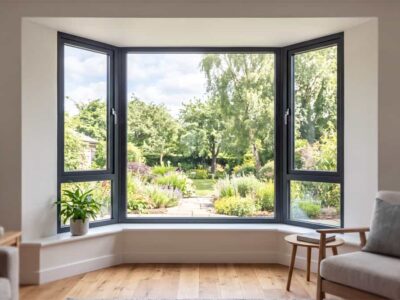
Bay windows are a timeless architectural feature that adds elegance, space, and natural light to any home. These windows project outward from the main walls, creating a cozy nook or a panoramic view of the outdoors.
Key Takeaways
- Bay windows create extra interior space and panoramic views.
- Understanding the differences between box, bow, and oriel styles helps you choose the right fit.
- Modern designs prioritize energy efficiency using thermally broken aluminium frames.
- Material choice, particularly aluminium, significantly impacts durability and maintenance requirements.
In this article, we’ll explore what defines a bay window, its various types, the differences between traditional and modern designs, and the best materials to use for durability and aesthetics.
What is a Bay Window?
A bay window typically consists of three or more windows arranged at angles to form a protruding structure. This design not only enhances interior space but also improves ventilation and sunlight exposure. For a detailed explanation of bay windows, visit this guide.
Types of Bay Windows
Common Bay Window Styles
- ✓ Box Bay Windows: Featuring a flat front and angled sides, these are ideal for smaller spaces.
- ✓ Bow Bay Windows: Curved with four or more panels, offering a panoramic effect. Learn more about aluminium bow windows here.
- ✓ Oriel Windows: Common in upper floors, supported by brackets or corbels.
Curious how bay windows compare to garden windows? Explore the differences in this garden vs. bay window breakdown.
Traditional vs. Modern Bay Windows
MODERN VS. TRADITIONAL DESIGNS
- ✓ Sleek, contemporary aesthetics.
- ✓ High energy efficiency.
- ✓ Low-maintenance aluminium materials.
- ✓ Incorporates thermal break technology.
CONS
- ✕ Traditional wood requires regular maintenance and painting.
- ✕ Wood is more prone to weathering compared to modern materials.
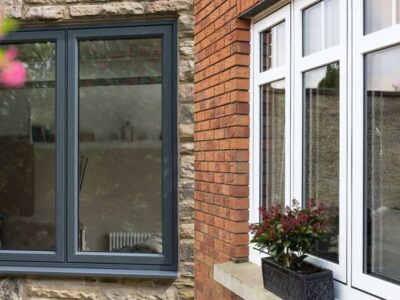
For inspiration, check out these modern aluminium window design ideas or compare traditional and contemporary window styles here.
Materials for Bay Windows
Top Window Materials
- Aluminium: Lightweight, durable, and corrosion-resistant. Discover why aluminium outperforms wood and vinyl.
- Aluminium-Clad Wood: Combines wood warmth with aluminium durability. Learn about its advantages and drawbacks.
- Vinyl: Affordable and low-maintenance but less sturdy than aluminium.
For energy efficiency, consider thermally broken aluminium frames, which reduce heat transfer. Dive deeper into thermal break materials here.
Why Choose Aluminium Bay Windows?
Aluminium bay windows are a top choice for modern homes due to their strength, minimal upkeep, and adaptability to any climate. They also support larger glass panes, maximizing views and natural light. For a comprehensive buying guide, see this checklist for aluminium windows.
By integrating timeless design with innovative materials, bay windows can transform your living space into a bright, inviting retreat. Choose wisely, and enjoy the benefits for decades!
Related Articles

Featured



You May Also Like

Aluminium Acetate (Al(C₂H₃O₂)₃): The Complete Guide

Aluminium Tariff War 2025–26: The Silent Shift Changing Pric…
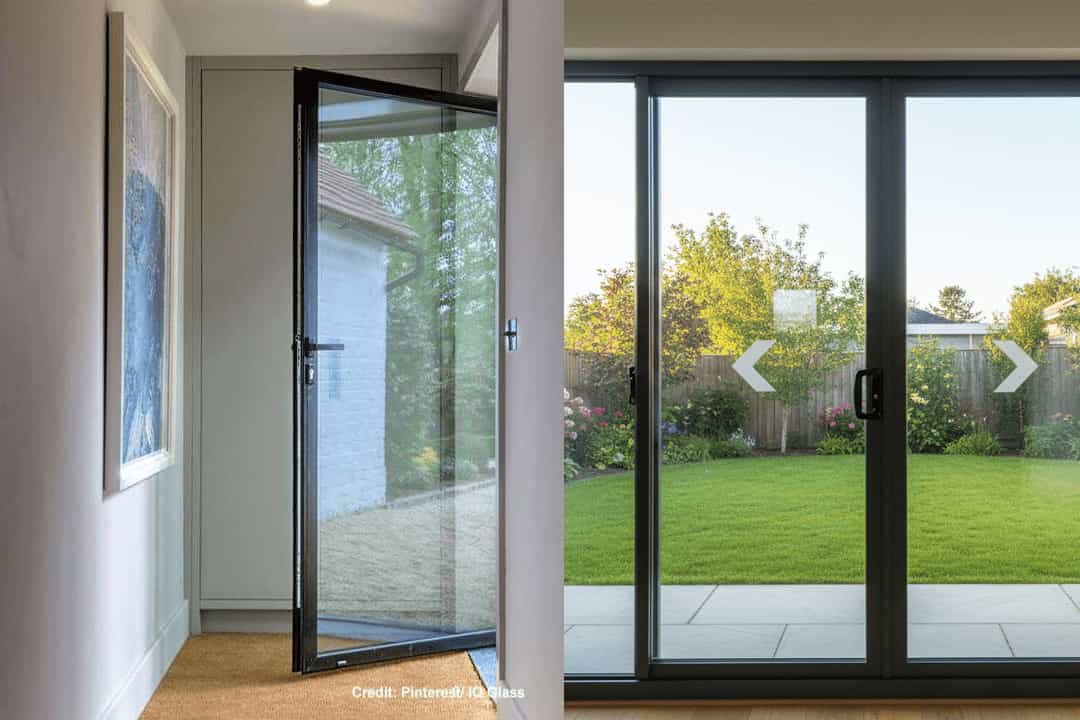
Sliding Door vs. Casement Door: Which is the Right Choice fo…

Powering Everyday Life: The Uses of Aluminium Wire

Is Your Aluminum Foil Safe? We Debunk the Top 3 Kitchen Myth…