Confused About Thermal Break Windows & Double Glazing
Aluminium – synonymous with strength, sleek aesthetics, and long-term durability – is the material of choice for architects and modern homeowners. But while aluminum brings structural and design perks, its high thermal conductivity creates a serious challenge for energy efficiency.
This is where the combination of thermal break window frames and double glazing steps in. Together, they turn aluminium into a high-performance window solution. Let’s break down why these two technologies are not optional rivals but must-have partners.
The Core Challenge: Aluminum’s Thermal Conductivity
- High Energy Bills: Heat/cold flows easily through raw aluminum frames.
- Discomfort: Cold drafts in winter, unwanted heat gain in summer.
- Condensation Risk: Warm air hitting cold frames can cause water buildup and mould.
Double Glazing: The First Line of Defence
Double glazing addresses heat transfer through the glass. It consists of two panes of glass with an insulating gas (argon or krypton) sealed between them.
- Thermal Efficiency: Inert gas slows down heat transfer significantly.
- Low-E Coating: Reflects radiant heat back to its source, improving energy efficiency.
- Aluminium Frame Compatibility: Slim yet strong frames easily support double-glazed units.
⚠️ Limitation: Double glazing alone doesn’t stop heat transfer through the aluminium frame itself.
Thermal Break Technology: Solving the Frame Problem
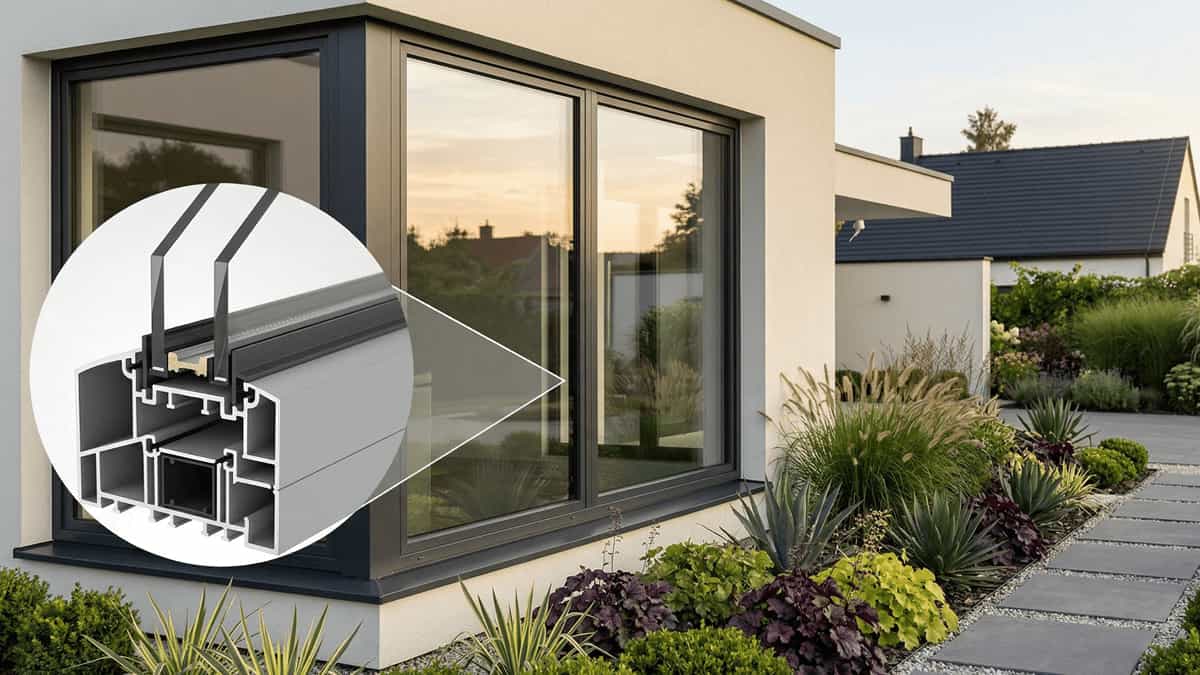
A thermal break is a non-conductive barrier (usually polyamide) inserted within the aluminium frame. It splits the interior and exterior sections to stop heat from flowing freely.
- Analogy: Like a drawbridge breaking a highway — it stops direct thermal conduction.
- Benefit: Interior surfaces stay near room temperature, reducing condensation and heat loss.
- Structural Integrity: Modern thermal breaks are strong and reliable.
It’s Not Thermal Break or Double Glazing – It’s Both
Framing it as a choice is misleading. Here’s why:
| Configuration | Result |
|---|---|
| 🚫 Non-Thermal Break + Double Glazing | Improved glass insulation but aluminium frame still leaks heat. |
| 🚫 Thermal Break + Single Glazing | Frame is insulated, but glass still lets heat escape. Poor performance. |
| ✅ Thermal Break + Double Glazing | Best setup. Solves both glass and frame heat transfer. Energy-efficient, comfortable, and compliant with codes. |
Benefits of Thermal Break + Double Glazing Duo
- Better U-Values: Meets or exceeds standards like Passivhaus, NCC 2025, and WERS.
- Lower Energy Bills: Heating and cooling loads reduced year-round.
- More Comfort: No cold drafts or hot zones near windows.
- Condensation Control: Frame stays warmer = less interior water buildup.
- Eco-Friendly: Less energy use, fully recyclable frames.
- Design Flexibility: Slim frames, large glass areas, custom finishes.
What to Look For When Buying
- Climate Suitability: Cold and hot climates benefit most from this combo.
- Glazing Specs: Argon-filled, Low-E coated, and warm-edge spacers are ideal.
- Certified Systems: Use AFRC-rated, WERS-labeled windows for peace of mind.
- Installation Quality: Poor install = thermal bridging at reveals, sills.
Quick Recap Table
| Component | Function | Without It? |
|---|---|---|
| Double Glazing | Reduces heat transfer through glass | High glass surface heat loss/gain |
| Thermal Break | Stops heat conduction through aluminium frame | Frame becomes a thermal bridge (energy leak) |
| Combo (Both) | Complete thermal solution | ✅ Meets modern building codes |
FAQs – Thermal Break & Double Glazing
❓ What is a thermal break in aluminium windows?
A thermal break is a non-conductive barrier (usually polyamide) inside the aluminium frame that prevents heat from flowing through the metal.
❓ Is double glazing enough without a thermal break?
No. Double glazing reduces glass heat transfer, but aluminium frames still conduct heat unless a thermal break is used.
❓ Do thermal break aluminium windows reduce condensation?
Yes. They keep the interior frame warmer, minimizing the risk of condensation and mould growth.
❓ Is this combination suitable for hot climates?
Yes! It blocks heat gain in summer just as effectively as it retains warmth in winter. Especially useful in Zones 1–2 of Australia.
❓ Is it worth the extra cost?
Absolutely. Higher upfront investment is offset by energy savings, better comfort, and compliance with newer building standards.
Final Verdict: Go with the Duo
Don’t choose between thermal break and double glazing — use both. Together, they solve aluminium’s weaknesses and unlock its full potential: strength, durability, design flexibility, and now, energy efficiency too.
If you want aluminium windows that don’t just look great but perform brilliantly for decades, always insist on:
- ✔️ Thermally Broken Aluminium Frames
- ✔️ High-Performance Double Glazing (Low-E, gas-filled)
- ✔️ WERS & NCC-Compliant Specs
Aluminium’s future is not just bright – it’s thermally broken and double glazed. 🔥
You Might Find Interesting
Related Articles


Featured



You May Also Like

Aluminium Can vs Plastic Bottle vs Glass Bottle: The Real Wi…

The Beauty and Strength of Aluminium-Clad Wood Windows
Matte Finish Vs. Glossy Finish

Optimize Your Basement: The Aluminum Hopper Window Advantage

Aluminium vs. Desert Heat: A Comprehensive Guide to Window S…