Aluminum powder and flakes are essential components in various industrial applications. Their unique properties, including high reactivity, lightweight nature, and conductivity, make them indispensable in sectors ranging from pyrotechnics to paints and coatings.
The global market for aluminum powders, pastes, and flakes is also expanding. According to a Technavio market estimate published by PR Newswire, the market was forecast to grow by approximately US$943.77 million from 2023 to 2028, at a CAGR of about 5.08%. Demand spans industrial manufacturing, automotive, aerospace and defense, construction, coatings, and other specialized applications.
Key Takeaways
- Aluminum powder and flakes are vital materials for metallurgy, manufacturing, and chemical industries.
- Atomized powder is ideal for 3D printing and aerospace, while flakes are preferred for reflective paints and cosmetics.
- Safety is paramount: both materials require strict dust control and storage protocols to prevent fire and explosion risks.
- The industry is shifting toward sustainable production and increased use in additive manufacturing and energy storage.
Understanding Aluminum Powder
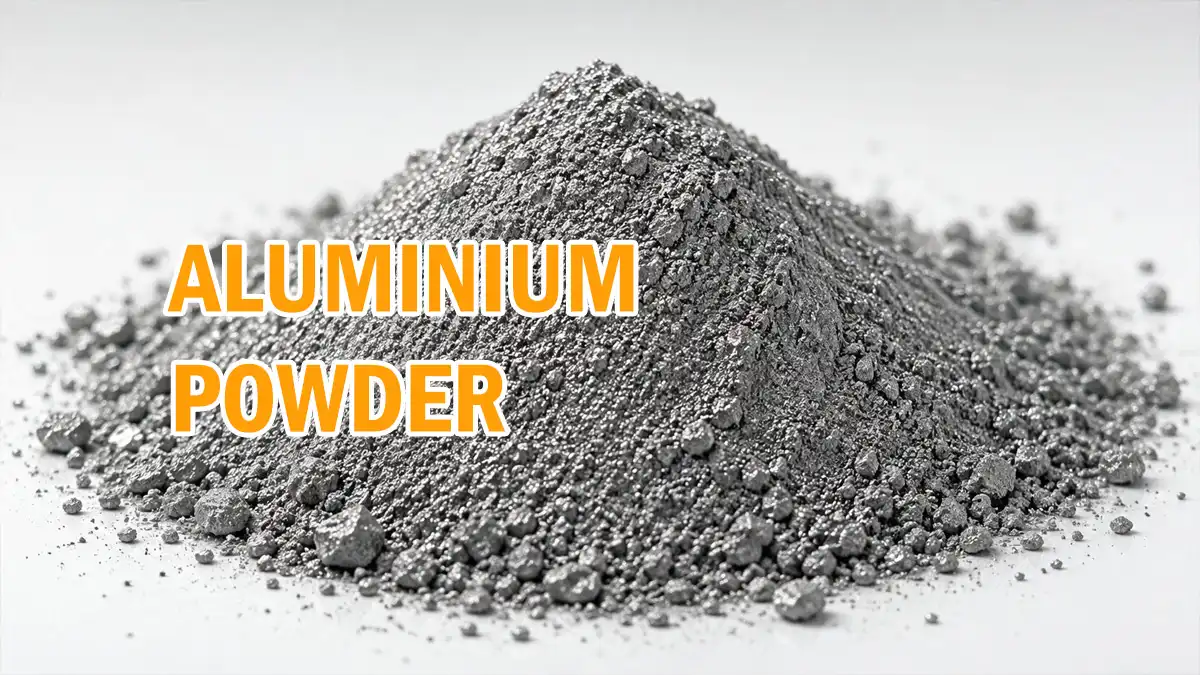
Aluminum powders are finely ground particles of pure aluminum metal. The production process is critical to determining the powder’s properties, including particle size, shape, and purity.
TYPES OF ALUMINUM POWDER
- ✓ Atomized Powder: Spherical particles ideal for 3D printing, automotive parts, and solid rocket fuels.
CONS
- ✕ Flake Powder: Flat, irregular shapes with high surface area, perfect for metallic paints and cosmetic sheen.
Applications of Aluminum Flakes
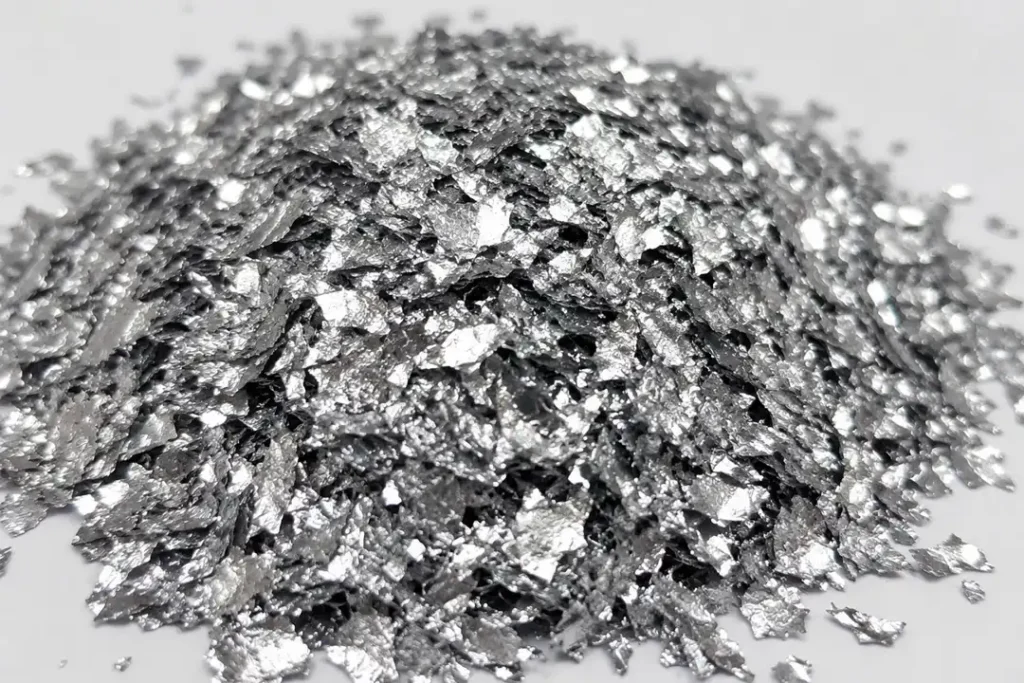
Aluminum flakes differ from powders in their flat, irregular structure, which makes them superior for reflective and aesthetic applications.
Key Uses for Flakes
- ✓ Coatings and Paints: Provides a lustrous, polished appearance in automotive finishes.
- ✓ Cosmetics: Used in eyeshadow, lipstick, and nail polish for a shimmering effect.
- ✓ Printing Inks: Enhances packaging with high reflectivity for eye-catching designs.
What Is Aluminum Paste?
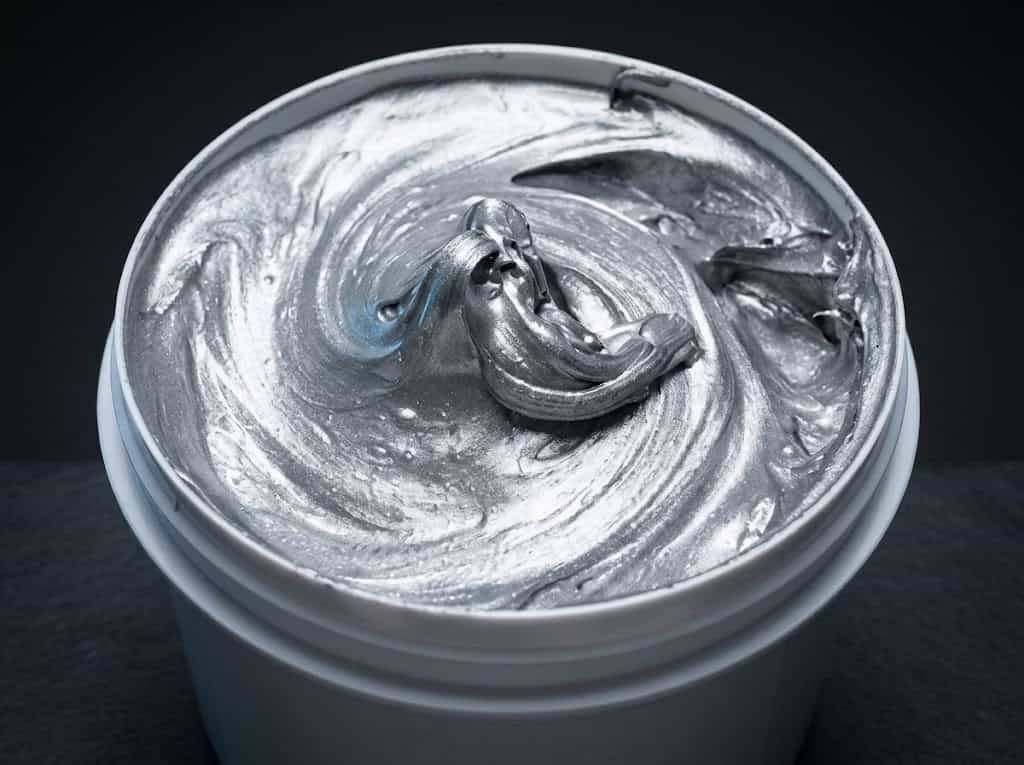
Aluminum paste is a concentrated form of fine aluminum particles, commonly flakes, dispersed in a liquid carrier or solvent. Unlike dry aluminum powder, the particles are supplied as a paste, making the material suitable for applications where controlled dispersion and metallic appearance are important.
Aluminum paste is widely used in paints and coatings, printing inks, automotive finishes, industrial coatings, solar-cell applications, and other specialty manufacturing processes. Different grades are produced depending on particle size, appearance, leafing characteristics, and the requirements of the final application.
This makes aluminum paste distinct from both dry powder and loose flakes: powder is commonly selected for applications requiring fine particulate aluminum, flakes provide high surface area and reflectivity, while paste provides aluminum particles in a ready-to-disperse form for coatings and other formulations.
Safety & Handling
Safety Protocols
Why is aluminum powder considered an explosion hazard?
Due to their high reactivity, these powders can ignite and cause dust explosions when dispersed in the air. Proper ventilation and dust control are mandatory.
How should these materials be stored?
Always store them in airtight containers in a cool, dry environment, away from moisture, sparks, or heat sources.
What protective gear is necessary?
Workers should wear specialized protective clothing, chemical-resistant gloves, and safety goggles at all times.
Production & Sustainability
Aluminum flakes are produced through ball milling, where aluminum foil or sheets are flattened into thin particles. Aluminum is 100% recyclable, and utilizing recycled powder helps significantly reduce the energy footprint of your manufacturing process.