

Here are seven differences between Aluminum, Vinyl and uPVC (unplasticized polyvinyl chloride) windows from a homeowner’s perspective:
| Aspects | Aluminuim Windows | Vinyl Windows | uPVC Windows |
|---|---|---|---|
| Cost | More expensive upfront | Often the least expensive | Generally more affordable |
| Durability | Highly durable and weather-resistant | Durable, but may not withstand extreme weather | Durable, resistant to rot and pests |
| Maintenance | Minimal maintenance, periodic painting/coating, if required | Low-maintenance, occasional cleaning required | Virtually maintenance-free, easy to clean |
| Insulation | Sunlight directly on the frame can contribute to minor heat loss | Excellent thermal insulation | Provides better insulation than Single glazed aluminum window |
| Appearance | Modern, sleek appearance, various color & wood finishes | Traditional look, available in many colors | Range of colors, may lack aesthetic appeal, bulky |
| Strength | Strong, can support larger glass panes | Generally strong, may not be as sturdy | Strong but may not be as robust as aluminum |
| Noise Reduction | Not noise reduction if window is single glazed | Provides good sound insulation | Offers good noise reduction capabilities |
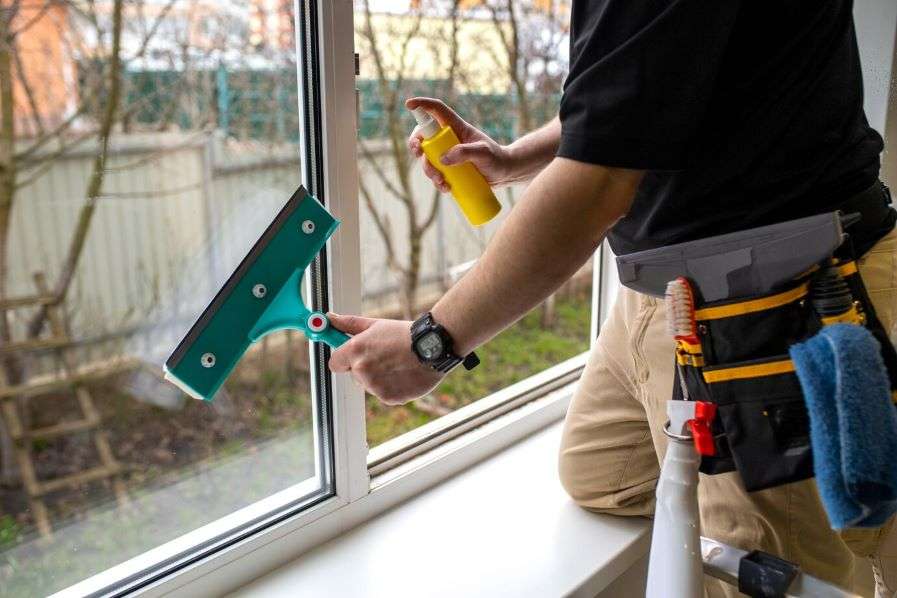
Understand in Detail
Cost:
- Aluminium windows tend to be more expensive upfront compared to uPVC and vinyl windows.
- uPVC windows are generally more affordable than both aluminum and vinyl.
- Vinyl windows are often the least expensive option among the three.
Durability:
- Aluminum windows are highly durable and resistant to weathering, making them suitable for harsh climates and coastal areas.
- uPVC windows are also durable and resistant to rot, corrosion, and pests, making them low-maintenance.
- Vinyl windows, while durable, may not be as resilient to extreme weather conditions as aluminum or uPVC.
Maintenance:
- Aluminum windows mostly require minimal maintenance; however, in coastal areas with salty air climates, they may need periodic painting or coating to prevent corrosion, especially if the frames are not well powder coated or anodized.
- uPVC windows are virtually maintenance-free and only require occasional cleaning with soap and water.
- Vinyl windows are also low-maintenance and only need occasional cleaning, but they can fade over time due to exposure to sunlight.
Insulation:
- Single glazed Aluminum windows are poor insulators and can contribute to heat loss, making them less energy-efficient compared to Thermal-Break Aluminium Windows, uPVC and vinyl.
- uPVC windows provide better insulation, helping to reduce energy costs by keeping the home warmer in winter and cooler in summer.
- Vinyl windows offer excellent thermal insulation, potentially leading to significant energy savings over time.
Appearance:
- Aluminum windows have a modern, sleek appearance and are available in a variety of color and wood finishes.
- uPVC windows come in a range of colors and finishes, but may not offer the same aesthetic appeal as aluminum.
- Vinyl windows offer a traditional look and are available in numerous colors and styles to match various home designs.
Strength:
- Aluminum windows are known for their strength and can support larger glass panes without the need for additional support.
- uPVC windows are strong but may not be as robust as aluminum, particularly in areas prone to high winds or impacts.
- Vinyl windows are generally strong but may not be as sturdy as aluminum or uPVC, especially in larger sizes.
Noise Reduction:
- Aluminum windows can transmit more noise compared to uPVC and vinyl, potentially resulting in a less quiet indoor environment.
- uPVC windows offer better noise reduction capabilities, helping to create a quieter living space.
- Vinyl windows also provide good sound insulation, reducing external noise for a more peaceful home environment.

Overall, aluminum windows have limitations in terms of single-glazed windows performance and may not effectively retain heat or prevent heat transfer, particularly when exposed to direct sunlight on the frame. This can result in increased energy consumption and discomfort for occupants. However, alternatives like thermal-break and aluminum-clad wood options offer better thermal performance, albeit at a higher cost. If you want Cheaper, uPVC and Vinyl options already had thermal benefits.
-Ads-
-Ads-
-Ads-
-Ads-
Related Articles


Featured
You May Also Like

Types of Aluminium Sheets Used in Construction Projects
Choosing Aluminum Doors & Windows for Different US Clima…
Why AlPrice is the New Standard for Aluminium Trading: The E…

Single Glazed vs. Double Glazed Windows – Pros, Cons & …
Storm Door Advantages and Disadvantages: Is It Worth Install…
