
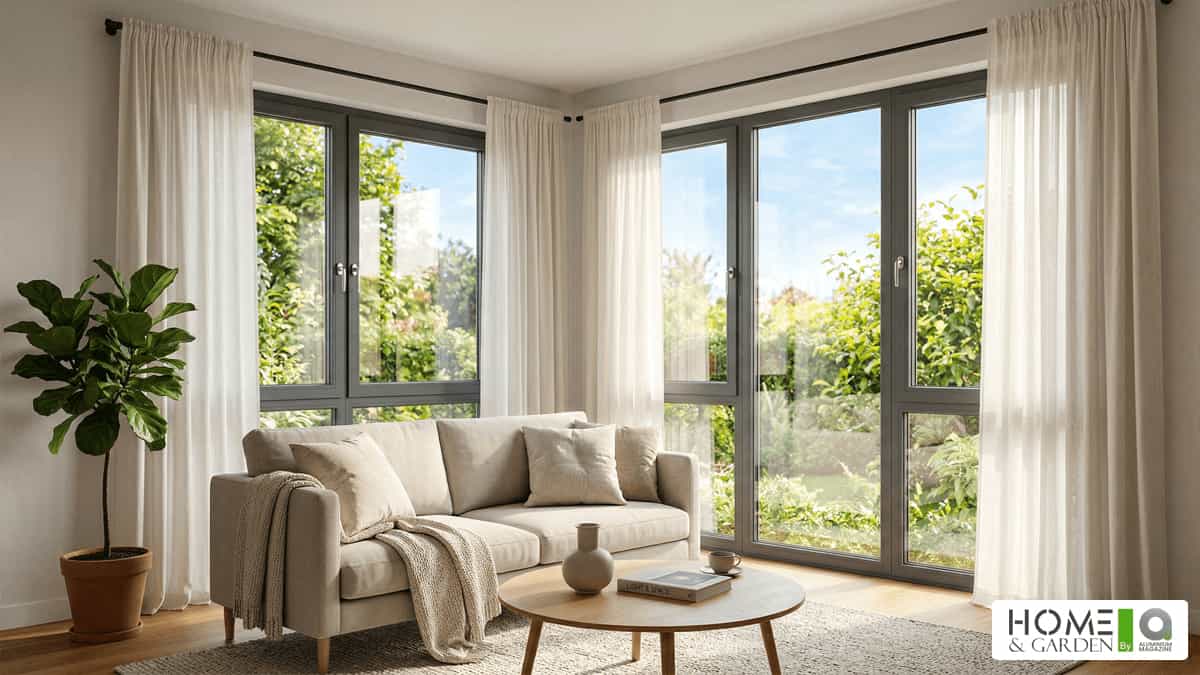
In regions with extreme climates—whether scorching summers or freezing winters—windows play a decisive role in a building’s energy performance. Standard aluminum windows are strong and sleek, but their high thermal conductivity can turn them into a weak link, allowing heat to escape in winter and enter in summer.
Thermal break aluminium windows solve this problem. By inserting a non‑metallic insulating barrier between the interior and exterior sections of the frame, they dramatically reduce heat transfer. The result: lower energy bills, improved comfort, and a smaller carbon footprint.
How Thermal Break Technology Cuts Heat Loss
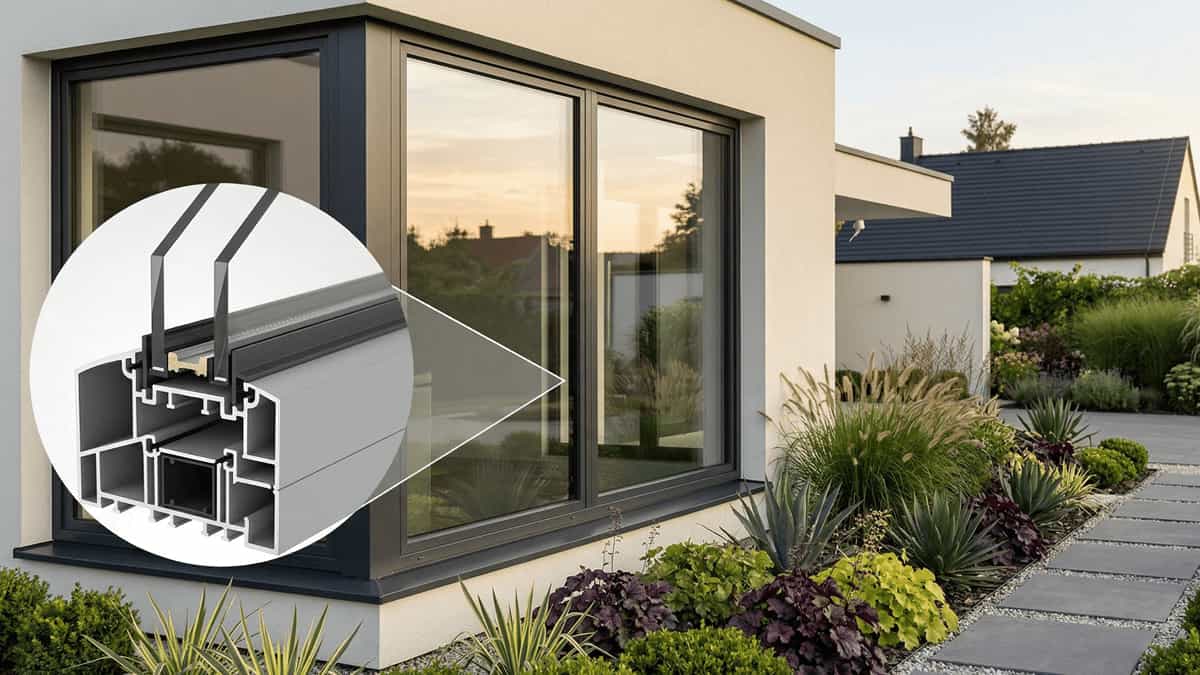
The core of a thermal break window is a polyamide or polyurethane strip that separates the inner and outer aluminium profiles. Aluminum is an excellent conductor, but the thermal break acts as a barrier, forcing heat to travel a much longer, insulated path.
This is quantified by the U‑factor—the measure of heat loss through a window.
- A standard aluminium window typically has a U‑factor of 5.0–7.0 W/m²K.
- A thermal break aluminum window can achieve 1.4–3.0 W/m²K or lower, depending on the configuration.
Lower U‑factor = less heat escapes = less energy wasted.
Energy Savings That Hit Your Wallet (Positively)
Because thermal break windows minimise the need for heating and cooling, they directly reduce energy consumption. In countries with strict energy codes—such as the UK, Canada, Australia, and parts of the USA—these windows are often required to meet building standards.
For homeowners, the investment pays back over time through:
- Lower monthly utility bills
- Reduced HVAC wear and tear
- Higher resale value (energy‑efficient homes command premium prices)
Beyond Energy
Added Benefits of Thermal Break Aluminium
While energy efficiency is the headline, thermal break windows deliver several other advantages:
1. Condensation Control
By keeping the interior surface of the frame closer to room temperature, thermal breaks reduce the risk of condensation. Less condensation means less mould, rot, and damage to surrounding walls.
2. Durability & Low Maintenance
Aluminium is naturally corrosion‑resistant and strong. The thermal break adds structural integrity, ensuring the windows withstand wind, rain, and UV exposure without warping or deteriorating.
3. Improved Sound Insulation
Though designed primarily for heat, the polyamide strip also dampens vibrations, helping to reduce outside noise. Combined with quality weather stripping, thermal break windows contribute to a quieter indoor environment.
Thermal Break vs. Standard Aluminum
Key Factors to Consider
| Factor | Standard Aluminium | Thermal Break Aluminium |
|---|---|---|
| U‑Factor | Higher (more heat loss) | Lower (better insulation) |
| Energy Bills | Higher | Lower over time |
| Upfront Cost | Lower | Higher (but pays back) |
| Condensation Risk | Higher | Lower |
| Best for | Mild climates, budget‑sensitive | Extreme climates, long‑term savings |
If your home is in a region with freezing winters or scorching summers—or if you’re aiming for a net‑zero energy design—thermal break aluminium windows are a smart investment.
Choosing the Right Energy Efficient Thermal-Break Window
When shopping, look for:
- Certified U‑factor and SHGC ratings (lower is better for insulation and solar heat control)
- Quality of the thermal break material (reinforced polyamide is industry standard)
- Glazing options (double or triple glazing with low‑E coatings maximise efficiency)
Thermal break aluminium windows turn a building’s weakest point—its fenestration—into a high‑performance asset. They cut heat loss, slash energy bills, and deliver comfort year‑round. Whether you’re building new or retrofitting, they’re a choice that pays off in both savings and sustainability.
Further Reading from Aluminium Magazine
Related Articles

Featured



You May Also Like

Aluminium Garden Window
Aluminium Telluride (Al₂Te₃): The Complete Guide
Aluminum Sheet vs Aluminium Plate: Key Differences

Thermal Break: An Essential Guide to Energy-Efficient Window…

Modern Shade Goals? Why Aluminum Patio Umbrellas Are the New…
