If you live in a hot, sun-drenched region like Texas, Arizona, Florida or Florida, your windows can either be an energy drain or your best defense against soaring cooling bills. Transforming your home into a cool oasis depends entirely on choosing the right combination of glass coatings, frame insulation, and opening styles to block intense solar heat gain.
Important Technical Terms to Check Before Buying
- Solar Heat Gain Coefficient (SHGC): Measures how much solar radiation enters your home. Lower values (e.g., under 0.25) are vital for hot climates.
- U-Factor: Measures the window’s overall insulating quality. A lower number means better protection against outdoor heat wave penetration.
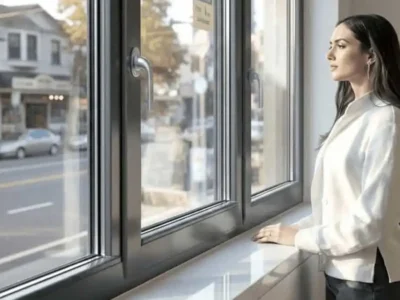
- Thermal Break: An insulating barrier built inside metal frames to completely stop heat from conducting indoors.
Glass Type:
| Window Type | Heat Control | Energy Efficiency | Best For |
|---|---|---|---|
| Low-E Glass | ⭐⭐⭐⭐⭐ | ⭐⭐⭐⭐⭐ | All hot climates |
| Double-Pane | ⭐⭐⭐⭐☆ | ⭐⭐⭐⭐⭐ | Energy savings |
| Solar Control Glass | ⭐⭐⭐⭐☆ | ⭐⭐⭐⭐☆ | Strong sunlight |
| Thermal Break Aluminum | ⭐⭐⭐⭐☆ | ⭐⭐⭐⭐☆ | Modern homes |
| Vinyl/Fiberglass | ⭐⭐⭐⭐⭐ | ⭐⭐⭐⭐⭐ | Residential homes |
| Casement Windows | ⭐⭐⭐⭐☆ | ⭐⭐⭐⭐☆ | Natural ventilation |
| Awning Windows | ⭐⭐⭐☆☆ | ⭐⭐⭐☆☆ | Bathrooms & kitchens |
| Impact Windows | ⭐⭐⭐⭐☆ | ⭐⭐⭐⭐☆ | Hurricane-prone regions |
Step 1: Choose Your Glass Technology
Glass Options Optimized for Intense Sun
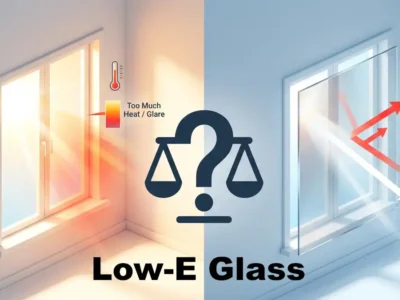
- ✓ Low-E Glass (Best Overall): Microscopic coatings reflect invisible infrared heat waves away while letting premium natural daylight fill the room.
- ✓ Double or Triple Panes: Uses sealed argon gas fills between layers to create an insulated buffer zone against extreme outside temperatures.
- ✓ Solar Control Tinted Glass: Visually reduces harsh blinding glares and targets south/west-facing rooms that endure punishing afternoon sun.
Step 2: Select Your Window Frame Material
STRENGTHS
- ✓ Thermally Broken Aluminum: Slim modern profiles with built-in insulation breaks that stop metal heat conduction.
- ✓ Vinyl Frames: Exceptionally high thermal insulation performance at a highly accessible, budget-friendly price point.
- ✓ Fiberglass Frames: Outstanding weather resistance and structural lifespan with minimal expanding or contracting.
WEAKNESSES
- ✕ Standard Aluminum: Acts like a literal radiator, conducting searing outside heat directly into your living spaces.
- ✕ Wood Frames: Offers beautiful classic aesthetics but swells, cracks, and degrades rapidly under high humidity and heat.
- ✕ Uninsulated Vinyl: Can warp over time if exposed to constant, extreme desert temperatures without internal reinforcement.
Step 3: Pick the Style for Optimal Airflow
Window Styles Engineered for Ventilation
- Casement Windows: Crank outward from the side to scoop up passing outdoor breezes. Creates the tightest possible airtight seal when completely locked shut.
- Awning Windows: Hinged right at the top to shed rain. Perfect for keeping kitchens and bathrooms ventilated even during unexpected summer downpours.
- Impact-Resistant Styles: Heavy-duty laminated safety glass essential for coastal regions facing high hurricane winds and airborne storm debris.
The Final Decision: What’s Best for Your Region?
Regional Buying Cheat Sheet
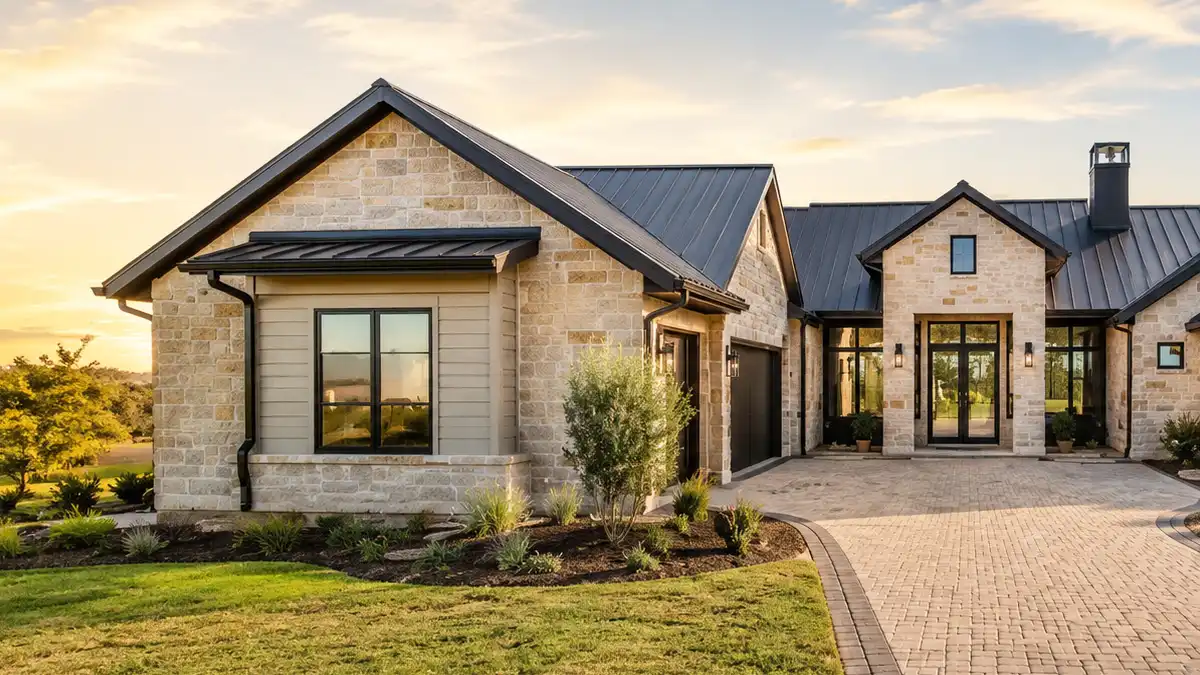
- Texas & Arizona (Searing Dry Heat): Prioritize Low-E glass, a radically low SHGC rating, and insulated vinyl or thermally broken aluminum frames.
- Florida & Gulf Coast (High Humidity & Storms): Specify impact-resistant laminated glass paired with moisture-proof vinyl frames to fight rot and hurricanes.
- The Ultimate All-Rounder Pick: Double-pane Low-E insulated glass + low SHGC rating + crank-out Casement windows + thermally broken frames.
Hot Climate Window FAQs
Why is standard aluminum a bad choice for hot climates?
Raw aluminum is an excellent conductor of heat. Without a modern ‘thermal break’ (an insulating plastic barrier split inside the frame), a standard metal frame will absorb solar heat outside and radiate it straight into your air-conditioned home.
Will low-E glass make my home look dark?
No. Modern multi-layered low-E coatings are specifically engineered to block the invisible spectrums of solar energy (ultraviolet and infrared heat) while letting visible light pass through cleanly.
Is double-pane glass really worth it if it never snows here?
Absolutely. Insulated double-paned windows work exactly like a thermos. The sealed space keeps your expensive, crisp air-conditioned air inside while blocking ambient environmental heat from creeping through the glass.
Related Articles

Featured
You May Also Like

Why Modern Cars Are Switching to Aluminum Engine Blocks
What Is Aluminium? 36 Types, Smelting Process & How Alum…

Start an Aluminium Windows & Doors Dealer or Distributor…
Why Powder-Coated Aluminium Windows Are Taking Over Modern H…
Buying Guide for Aluminium Thermal-Break Doors and Windows