Aluminium - Aluminium Magazine

Think Twice Before Buying Aluminium Coils From Suppliers

Two business professionals wearing safety helmets shaking hands in front of aluminium mill finish coils in a warehouse, symbolizing supplier partnership and trust.

Aluminium Coils — also known as Aluminium Mill Finish Coils — are the raw backbone of countless applications. Before you buy, it’s important to know what makes a quality coil and how to choose the right supplier. This guide shows you exactly what to check so you don’t waste money on the wrong material. What … Read more

Aluminium Foil: GST Rates & HSN Codes

Aluminium Foils: GST Rates & HSN Codes

GST Rates and HSN Code: Aluminium Foil HSN CODE PRODUCT TYPE GST 7607 Aluminium foil (whether or not printed or backed with paper, paperboard, plastics, or similar backing materials) of a thickness (excluding any backing) not exceeding 0.2 mm – Not backed 18% 760711 Rolled but not further worked 18% 76071110 Aluminium foil – Rolled … Read more

Aluminium Plates, Sheets, and Strips: GST Rates & HSN Codes

Aluminium Plates, Sheets, and Strips: GST Rates & HSN Codes

GST Rates and HSN Code: Aluminium Plates, Sheets, and Strips. HSN CODE PRODUCT TYPE GST 7606 Aluminium Plates, Sheets, and Strip, of a Thickness Exceeding 0.2 mm 18% 760611 Of Aluminium, Not Alloyed 18% 76061110 Aluminium Plates, Sheets, and Strip, of a Thickness Exceeding 0.2 mm – Rectangular (Including Square): Of Aluminium, Not Alloyed: Electrolytic … Read more

Aluminium Wire: GST Rates & HSN Codes

Aluminium Wire: GST Rates & HSN Codes

GST Rates and HSN Code: Aluminium Wire. HSN CODE PRODUCT TYPE GST 7605 Aluminium Wire 18% 76051100 Aluminium Wire – Of Aluminium, Not Alloyed: Cross-Sectional Dimension 18% 760519 Aluminium Other 18% 76051910 Aluminium Wire – Of Aluminium, Not Alloyed: Other: Cross-Sectional Dimension Exceeds 6 mm but Does Not Exceed 7 mm 18% 76051991 Aluminium Wire … Read more

Aluminium Bars & Rods: GST Rates & HSN Codes

Aluminium Bars & Rods: GST Rates & HSN Codes

GST Rates and HSN Code: Aluminium Bars, Rods, and Profiles. HSN CODE PRODUCT TYPE GST 7604 Aluminium Bars, Rods, and Profiles 18% 760410 Of Aluminium, Not Alloyed 18% 76041010 Aluminium Bars, Rods, and Profiles – Of Aluminium, Not Alloyed: Wire Rods 18% 76041020 Aluminium Bars, Rods, and Profiles – Of Aluminium, Not Alloyed: Bars and … Read more

Copper vs Aluminum Wiring in Homes (2025): Which is Safer and Better?

A side-by-side comparison of modern aluminum and copper electrical wiring, with sections clearly labeled.

When it comes to electrical wiring in houses, two metals dominate the discussion: copper and aluminum. Both are good conductors, but their role in residential wiring has been very different. If you’re wondering why electricians usually recommend copper wires for homes, here’s the full story — past, present, and what it means for 2025. History: … Read more

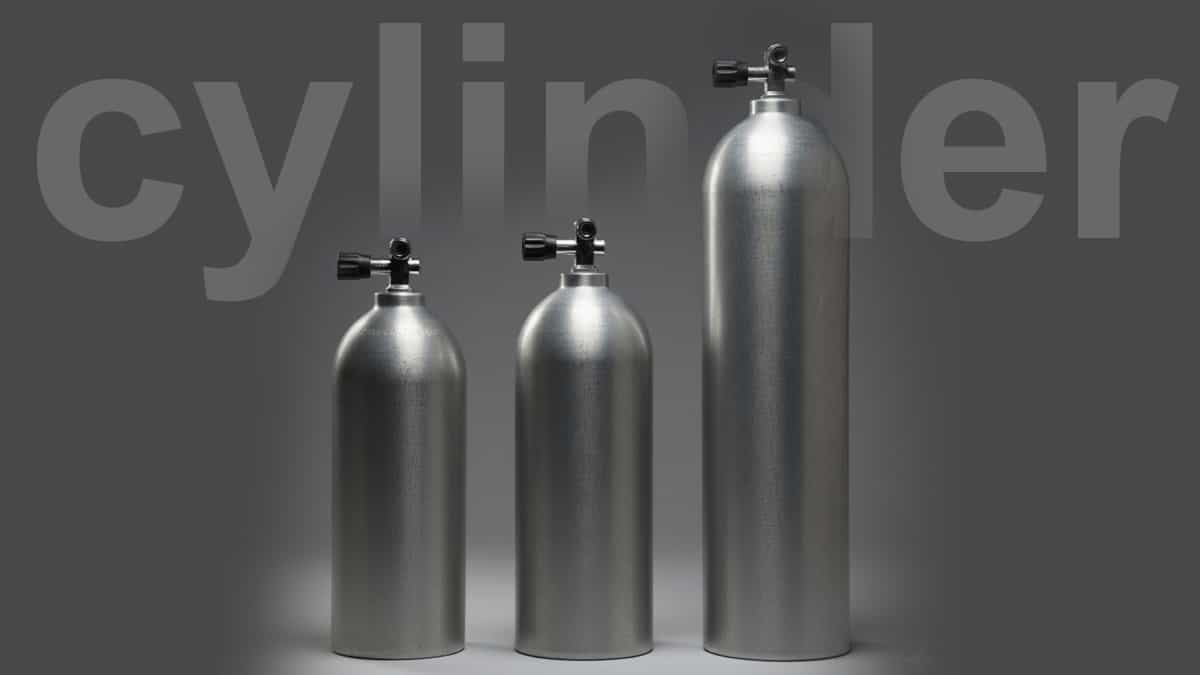
Aluminium Cylinders: Why Engineering is Moving Away from Iron

A diver carrying a corrosion-resistant aluminum scuba cylinder, illustrating the lightweight and durable properties of aluminum gas tanks.

From automotive engines to life-saving medical devices, cylinders are the workhorses of modern engineering. While cast iron was once the undisputed king, a massive industry shift toward aluminum is fundamentally changing how we design for performance and sustainability. What Makes Aluminium the Superior Choice? At its core, aluminum offers a unique set of physical properties … Read more

Aluminum 3003

Aluminum 3003

The Versatile General-Purpose Alloy for Forming and Fabrication In the vast family of aluminum alloys, some are designed for extreme strength, others for high conductivity. Aluminum 3003 finds its strength in versatility. As the most popular and widely used aluminum alloy in the world, 3003 serves as the dependable general-purpose workhorse, prized for its excellent … Read more

Aluminium Powders & Flakes: GST Rates & HSN Codes

Aluminium Powders and Flakes: GST Rates & HSN Codes

Find the GST rate and HSN code for aluminium powders and flakes, including lamellar and non-lamellar types. Widely used in thermit welding, coatings, and industrial applications for high-performance aluminium-based products. #Codes & Rates HSN CODE PRODUCT TYPE GST 7603 Aluminium Powders and Flakes 18% 760310 Powders of Non-Lamellar Structure 18% 76031010 Aluminium Powders and Flakes … Read more

Aluminium Ignots & Billets: GST Rates & HSN Codes

Aluminium Ignots & Billets: GST Rates & HSN Codes

Aluminium Ingots & Billets (HSN 7601) under GST carry an 18% tax rate. These unwrought forms, including alloy and non-alloy ingots, billets, wire bars, and rods, form the base of aluminium manufacturing. Essential for industries, they ensure high-quality raw aluminium supply. #Codes & Rates HSN CODE PRODUCT TYPE GST 7601 Unwrought Aluminium 18% 760110 Aluminium, … Read more

Aluminum 2024: The High-Strength Workhorse for Aerospace and Defense Applications

An airplane taking off, a red and white mountain bike, and the wheel of a black sports car, illustrating applications of Aluminium 2024 alloy.

Aluminum 2024 is one of the most widely used high-strength aluminum alloys, particularly in aerospace, military, and structural applications. As part of the 2000 series (Al-Cu alloys), it offers an exceptional strength-to-weight ratio, excellent fatigue resistance, and good machinability—making it a top choice for critical components where performance is non-negotiable. However, its poor corrosion resistance … Read more

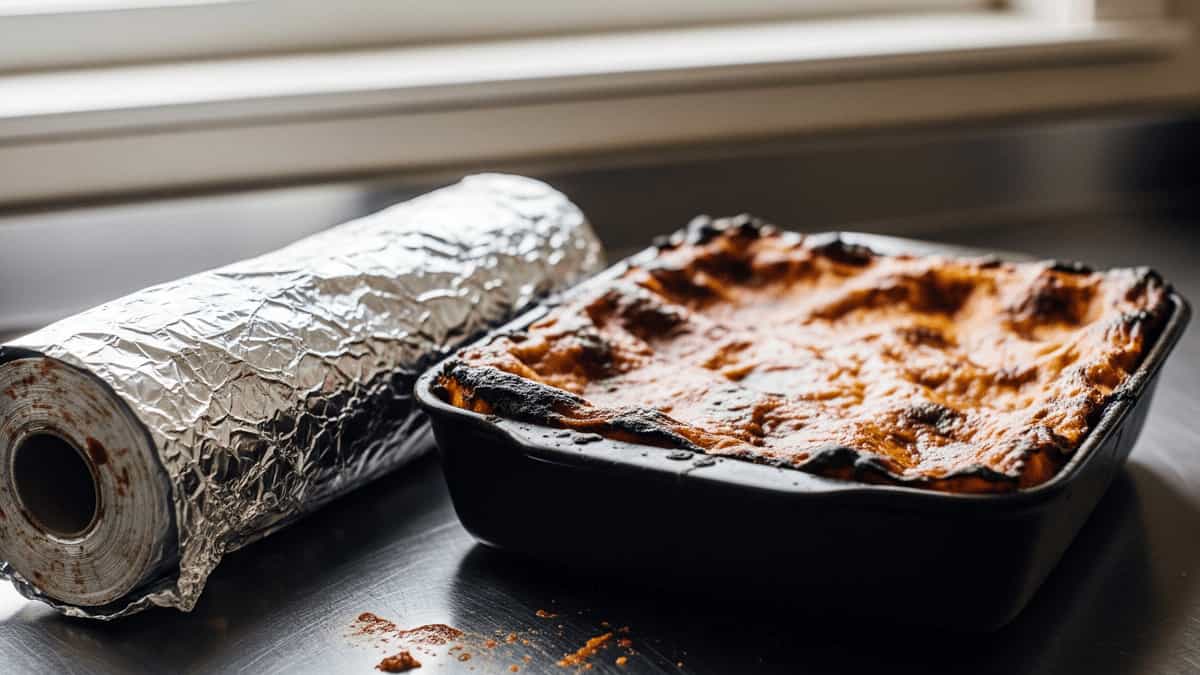
Stop Doing This! 5 Common Aluminum Foil Mistakes That Could Ruin Your Food (or Your Microwave)

A baking dish of slightly burnt lasagna with charred edges sits next to a roll of crumpled aluminum foil on a stainless steel kitchen counter.

Aluminium foil is a kitchen staple, a versatile hero we reach for almost daily. But what if some of your go-to habits with this shiny wrap are actually sabotaging your food, damaging your appliances, or even creating safety hazards? It’s true! Seemingly harmless actions can have significant negative consequences. Here are five common aluminum foil … Read more

How to Properly Recycle Aluminum Foil (and Why It Matters)

A close-up shot of clean, crumpled aluminum foil balls neatly stacked next to a green recycling bin, with a soft, blurred background of kitchen counter or natural light.

Aluminum foil is a kitchen staple, used for everything from baking to food storage. However, its crinkled, often food-soiled appearance frequently leads to a common misconception: that it’s not recyclable. The truth is, aluminum foil is highly recyclable, and understanding how to properly dispose of it can make a significant positive impact on our planet. … Read more

Foil vs. Parchment vs. Plastic Wrap: The Ultimate Guide to Choosing Your Kitchen Companion

A close-up of crumpled aluminum foil, folded parchment paper sheets, and a roll of plastic wrap arranged on a clean, light-colored kitchen countertop, highlighting their textures.

Navigating the world of kitchen wraps can feel like a culinary labyrinth. With aluminum foil, parchment paper, and plastic wrap each vying for attention, it’s easy to get confused about which material is best suited for your specific cooking, baking, or storage needs. Choosing the wrong one can lead to less-than-ideal results, wasted food, or … Read more

Is Your Aluminum Foil Safe? We Debunk the Top 3 Kitchen Myths

Unrolled sheet of aluminum foil on a dark counter with a subtle question mark imprint, representing common kitchen myths.

Aluminum foil is a staple in kitchens worldwide, prized for its versatility in cooking, baking, and food storage.1 Yet, despite its widespread use, many misconceptions, and safety concerns surround this everyday item. This article aims to clear the air, providing evidence-based answers to common myths and helping you use aluminum foil confidently and safely. Myth … Read more

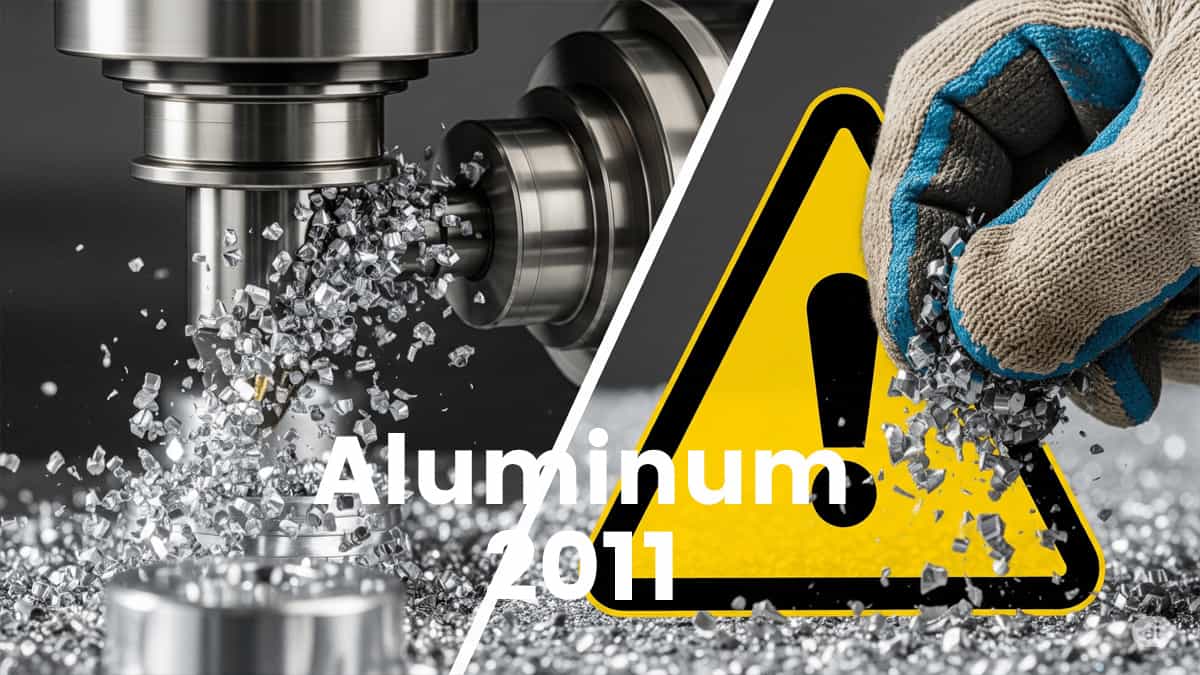
Aluminum 2011

Aluminum 2011

The Free-Machining Powerhouse (Handle with Care) In the vast landscape of aluminium alloys, where properties like strength, corrosion resistance, or conductivity often dominate, Aluminium 2011 (Aluminum 2011) carves out a unique and essential niche. Known primarily as the free-machining champion of the aluminium world, this alloy delivers exceptional machinability, enabling high-speed production of complex, precision … Read more

Aluminum 1100

Aluminum 1100

The Quintessential Commercially Pure Workhorse While high-strength alloys capture headlines, Aluminum 1100 quietly forms the backbone of countless everyday applications. As the most widely used grade within the commercially pure 1000 series (99.00% minimum aluminum), 1100 exemplifies the core strengths of unalloyed aluminum: exceptional formability, superb corrosion resistance, high thermal and electrical conductivity, and excellent … Read more

Modern Shade Goals? Why Aluminum Patio Umbrellas Are the New Backyard Must-Have

Sleek black aluminum patio umbrella by a swimming pool

Are you in the US, Canada, South Africa, the UK, Australia, New Zealand, or Ireland, and dreaming of the perfect shade solution for your patio or poolside? Whether you’re searching for a “scalloped patio umbrella,” a “4 seat patio set with umbrella,” or just a robust “patio umbrella,” the answer to modern design, superior strength, … Read more

Aluminium 6101

Aluminum 6101

The Conductive Powerhouse for Electrical Applications While aluminium alloys like 6061 and 6063 often steal the spotlight for their versatility, Aluminium 6101 quietly powers our modern world. This specific alloy isn’t designed for intricate extrusions or high-stress structural components; its niche is electrical conductivity, making it an indispensable material in power transmission and distribution systems … Read more

Aluminium 1000

Aluminium 1000 Series

The Foundational Purity Powering Modern Life While high-strength aerospace alloys or specialized conductive grades grab headlines, the Aluminium 1000 series forms the indispensable, versatile bedrock of the aluminium industry. Representing commercially pure aluminium (99.00% minimum purity and above), this family isn’t defined by complex alloying, but by its inherent metallic simplicity. This purity unlocks a … Read more

Aluminum Casting Vs. Forging: Which One Actually Delivers in Real-World Use?

Side-by-side comparison of aluminium casting and forging processes — molten aluminium being poured on the left, and a forging press shaping metal on the right.

Aluminum Forging vs. Aluminum Casting: Choosing the Right Process for Your Project Aluminium’s lightweight strength, corrosion resistance, and recyclability make it a top choice for industries from aerospace to consumer goods. But how you shape it matters just as much as the material itself. Two dominant methods—forging and casting—offer distinct advantages and limitations. Let’s break … Read more

Aluminum 6061 vs. 6063

Aluminium 6061 vs Aluminum 6063 comparison sheet

Still deciding between Aluminum 6061 and 6063? You’re not alone. These widely used alloys each serve distinct purposes — with 6061 offering superior strength and 6063 excelling in surface finish. The right choice depends entirely on your project’s performance and aesthetic requirements. Let’s break it down with full-blown technical clarity. 💡 Quick Difference Table Property … Read more