

Navigating the world of kitchen wraps can feel like a culinary labyrinth. With aluminum foil, parchment paper, and plastic wrap each vying for attention, it’s easy to get confused about which material is best suited for your specific cooking, baking, or storage needs. Choosing the wrong one can lead to less-than-ideal results, wasted food, or even safety hazards.
This guide aims to cut through the confusion, providing clear, concise insights to help you make the smartest choice every time.
Comparison Table: Aluminum Foil vs. Parchment Paper vs. Plastic Wrap
| Material | Best For | Key Properties | Things to Avoid | Eco-Considerations |
| Aluminum Foil | High-heat cooking (grilling, broiling, roasting >400°F), wrapping juicy meats/vegetables (retains moisture), lining roasting pans for easy clean-up, creating individual foil packets, long-term food storage (excellent barrier). | High heat resistance (melts at 1220°F), excellent heat conductor, malleable, strong barrier against light, moisture, gases, odors, bacteria. | Acidic foods (leaching, metallic taste), microwave ovens (fire hazard), lining bottom of oven (damages appliance), direct contact with open flames (can weaken/melt). | 100% recyclable, can be recycled indefinitely without losing quality, recycling saves 95% energy vs. new production. Not biodegradable. |
| Parchment Paper | Non-stick baking (cookies, cakes, brownies), delicate baked goods (prevents over-browning on bottom), sticky jobs (food doesn’t stick), oven temperatures up to 400-425°F. | Non-stick, heat resistant (up to a point), provides even cooking. | High heat above 400-425°F (can catch fire), grilling, broiling, or direct flame. | Biodegradable options available, generally single-use. |
| Plastic Wrap | Short-term food storage, covering bowls, preventing splashes, wrapping clothes for travel. | Thin, flexible, body-conforming, allows some water vapor/oxygen permeation. | Any cooking purpose (melts, shrinks, releases gases above 250°F/120°C), high heat, long-term barrier for perishables (less effective than foil). | Made from non-renewable petrochemicals, manufacturing is energy/toxic-intensive, quality loss with each melt cycle (downcycling), limited true closed-loop recycling. |
Aluminum Foil:
Your Go-To for High Heat and Long-Term Storage
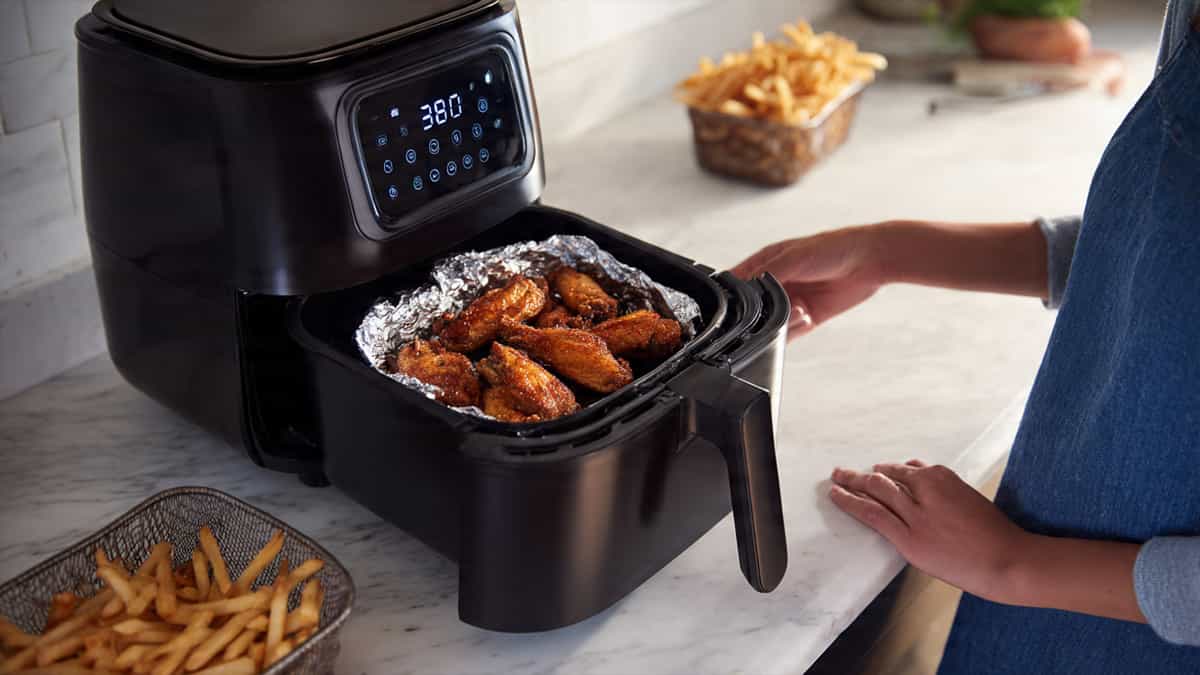
Aluminium foil is an indispensable tool for high-heat cooking applications such as grilling, broiling, and roasting, especially for temperatures exceeding 400°F. Its remarkable ability to withstand extreme temperatures (with a melting point of 1220°F) and its excellent heat conductivity ensure even cooking and efficient heat transfer.
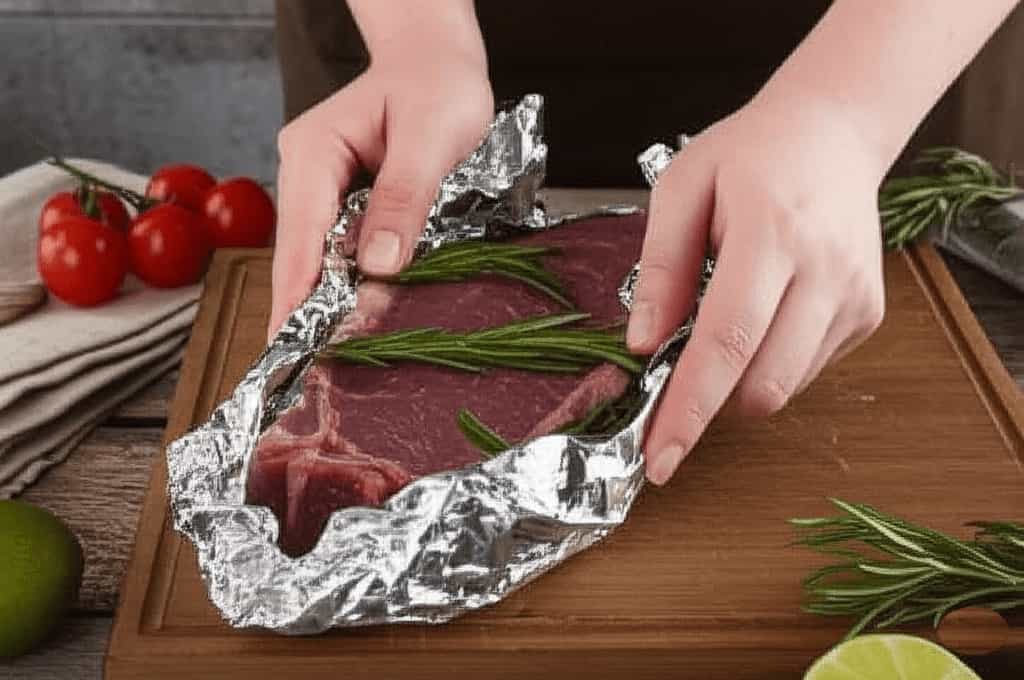
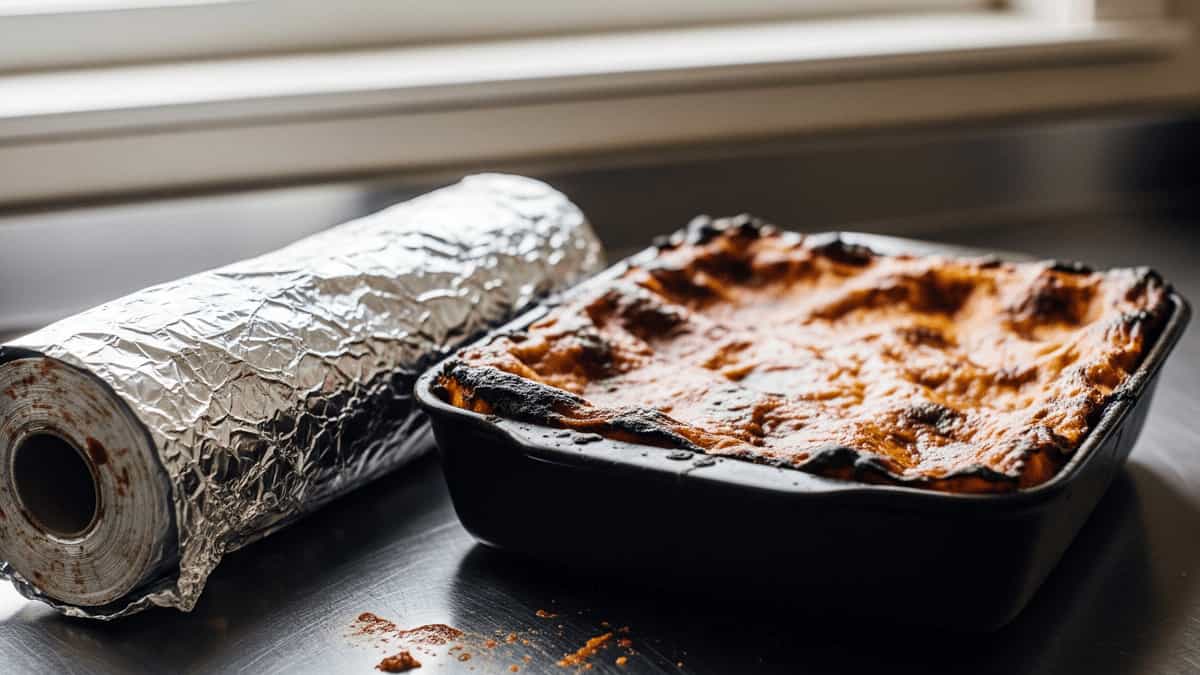
Foil truly excels at wrapping juicy meats and vegetables, effectively retaining moisture and flavor. It’s also a lifesaver for lining roasting pans, transforming a messy clean-up into a simple task. Beyond cooking, aluminium foil serves as an exceptional barrier against light, air, harmful microbes, moisture, gases, and odors, making it the preferred choice for long-term food storage and a powerful weapon against freezer burn.
However, caution is advised when using aluminium foil. It should be strictly avoided with acidic foods like tomatoes, vinegar, or citrus, as this can cause aluminium to leach into the food, potentially imparting an undesirable metallic taste. Crucially, aluminum foil should never be used in microwave ovens due to the significant risk of arcing and fire. Furthermore, most oven manufacturers strongly discourage lining the bottom of an oven with foil, as it can damage heating elements and disrupt the oven’s heat distribution, leading to uneven cooking and potential appliance damage.
Parchment Paper: The Baker’s Best Friend
Parchment paper is a versatile and beloved tool for baking, primarily celebrated for its exceptional non-stick properties and heat resistance up to a certain point (typically 400-425°F). It’s the secret to perfectly baked cookies that don’t stick and achieve even browning on the bottom, as well as cakes and brownies that release effortlessly from their pans.
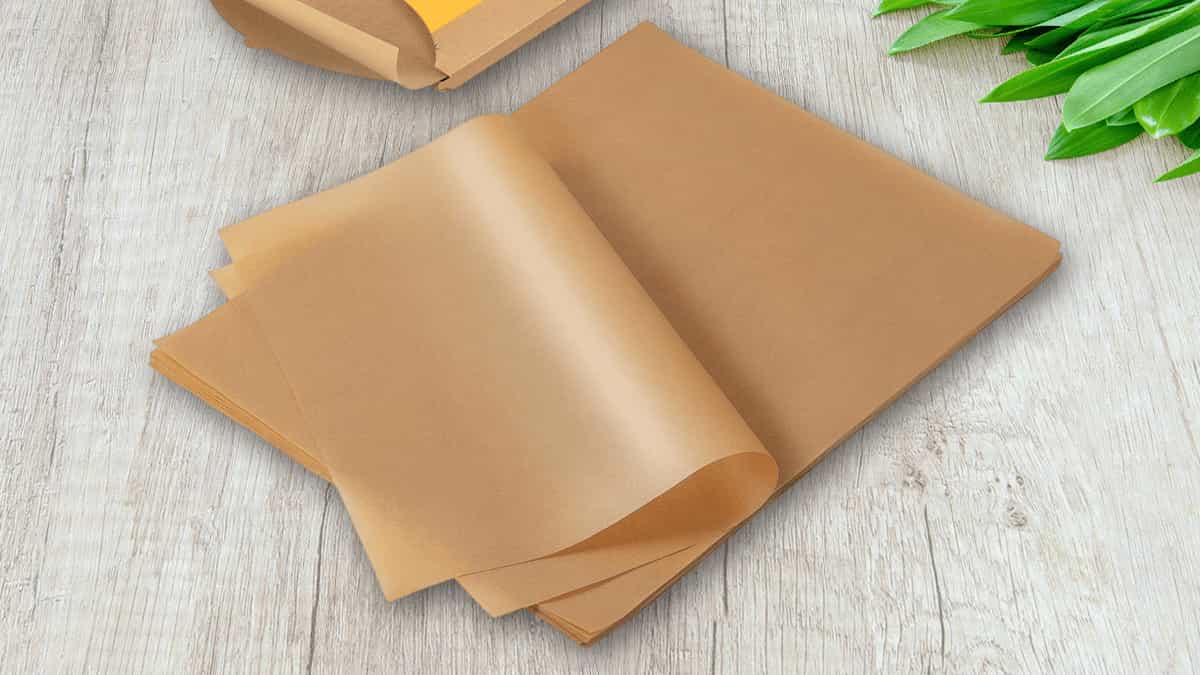
For any sticky culinary endeavor, parchment paper is superior; food tends not to adhere to it, unlike aluminum foil unless a generous amount of fat is involved.1 However, parchment paper is not designed for high-heat cooking applications above its recommended temperature limit and should be avoided for grilling, broiling, or any direct flame exposure, as there is a notable risk it could catch fire.
Plastic Wrap: The Everyday Freshener (for Short-Term Only)
Plastic wrap is primarily utilized for short-term food storage and covering bowls, offering a convenient way to keep food fresh in the refrigerator. Its thin, flexible nature allows it to conform easily to various shapes, providing a good seal.2 It does allow for some permeation of water vapor and oxygen, which is suitable for certain foods over short periods.
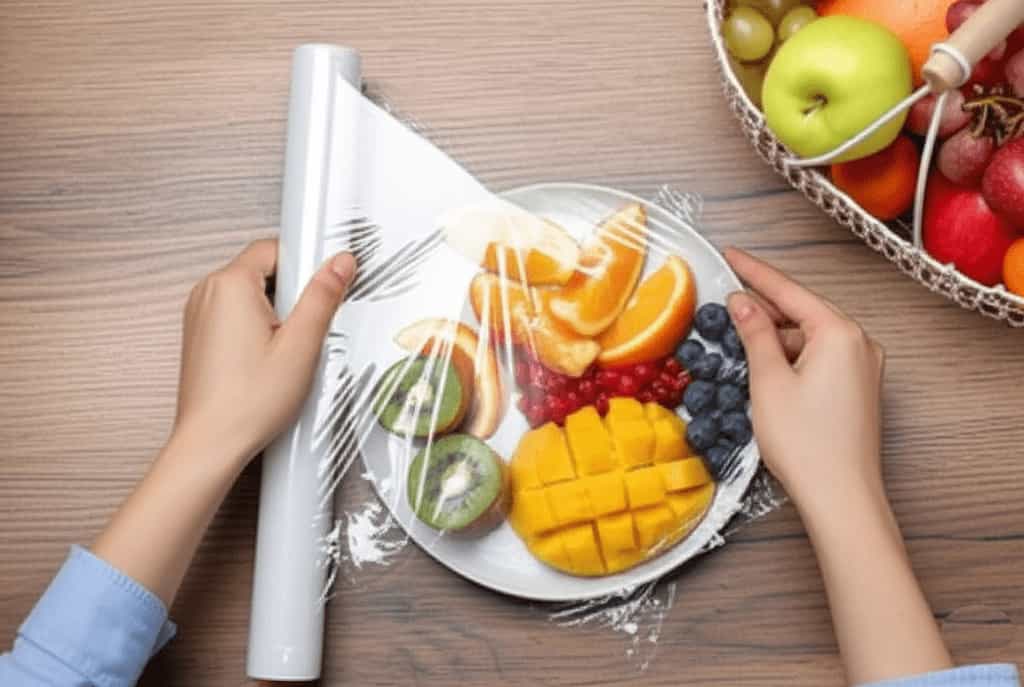
However, plastic films typically begin to melt, shrink, or release hazardous gases at temperatures higher than 250°F/120°C. This makes them entirely unsuitable for any cooking purpose involving heat, whether in the oven, microwave, or on the stove top. Furthermore, its barrier properties are significantly less effective than aluminium foil for the long-term preservation of perishables, making it a poor choice for extended storage or preventing freezer burn.
When it comes to kitchen wraps, a simple mantra can guide your decisions: Sweet treats need parchment sheets; grill or broil, go with foil. Understanding the distinct properties and optimal uses of aluminium foil, parchment paper, and plastic wrap will not only enhance your cooking and baking results but also ensure safety and efficiency in your kitchen.
Related Articles
Featured
You May Also Like

How an Aluminum Tariff Just Made Everything From Chocolates …

Aluminium 6061 Vs. 6063

Aluminium Windows Problem: Condensation on Glass Panes

Queensland’s Secret to Beating the Heat? These Window Awning…
Aluminum Sheet vs Aluminium Plate: Key Differences
