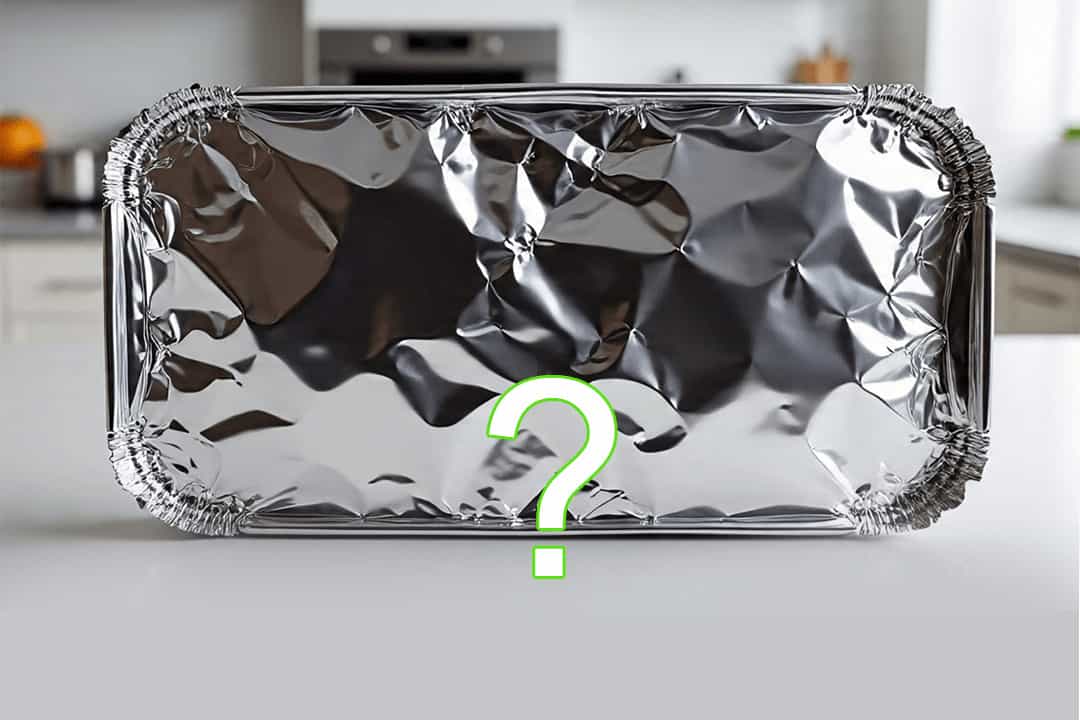
Aluminum foil is a staple in kitchens worldwide, prized for its versatility in cooking, baking, and food storage.1 Yet, despite its widespread use, many misconceptions, and safety concerns surround this everyday item. This article aims to clear the air, providing evidence-based answers to common myths and helping you use aluminum foil confidently and safely.
Myth 1: The Shiny Side vs. Dull Side Matters for Cooking

One of the most enduring myths about aluminum foil is that its shiny and dull sides have different properties, impacting cooking or heat reflection.
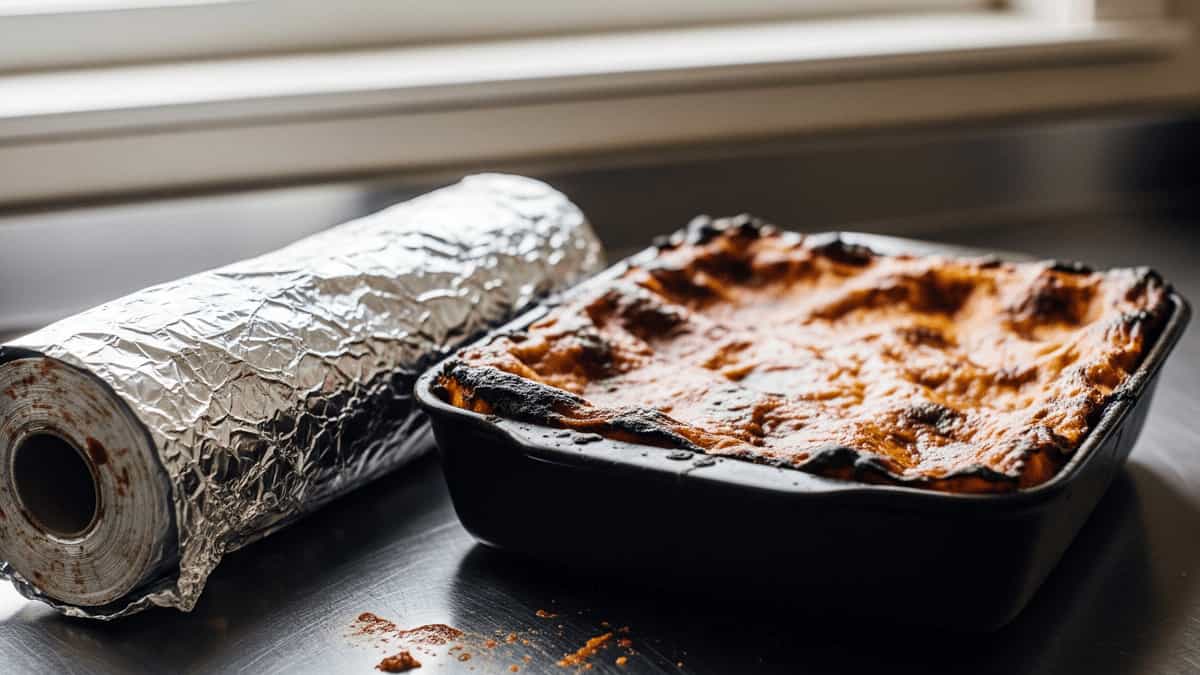
The Truth: The distinction between the shiny and dull sides of aluminum foil is purely a byproduct of its manufacturing process, and it has no significant effect on cooking performance.2 During the final rolling pass, when the foil is thinned to its desired gauge, two sheets are pressed together simultaneously. The sides that come into contact with the highly polished steel rollers become shiny, while the inner sides, which rub against each other, retain a matte or dull finish.3
Any difference in heat reflection or retention between the two sides is negligible and imperceptible without highly specialized instruments.4 So, whether you use the shiny side out or the dull side out, your food will cook just the same.
Myth 2: Cooking with Aluminium Foil is Dangerous and Causes Alzheimer’s
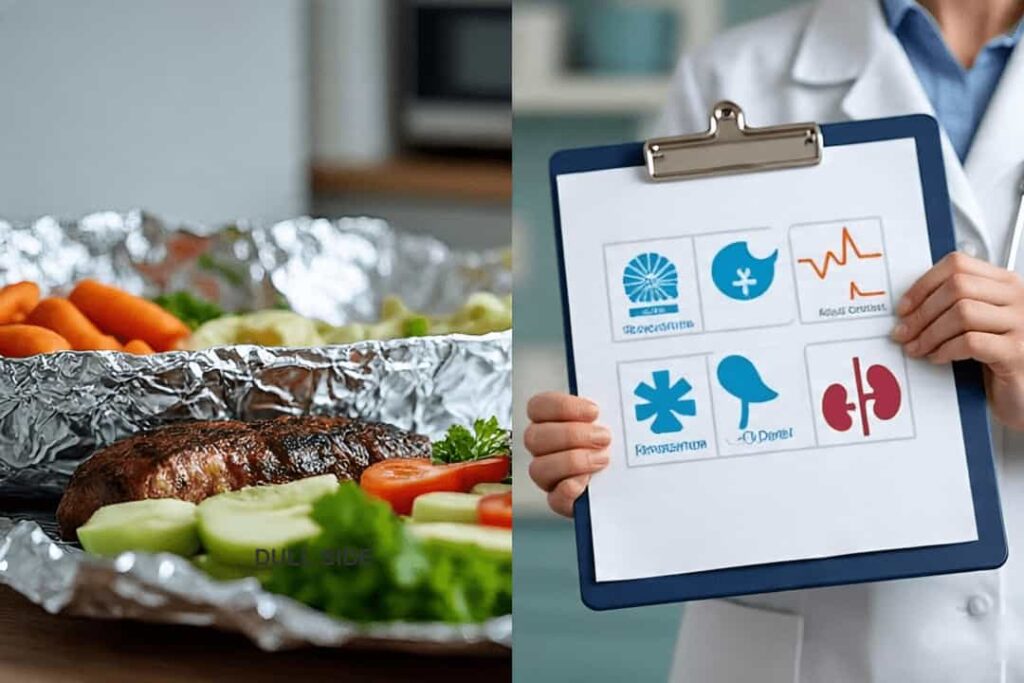
Concerns about aluminum leaching into food and its potential health effects, particularly a link to Alzheimer’s disease, have circulated for years.
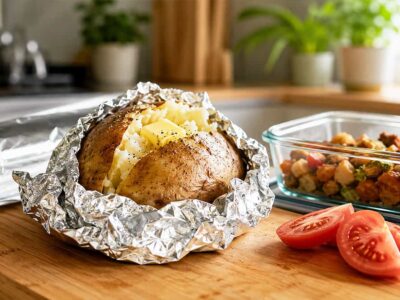
The Truth: It’s true that small amounts of aluminum can transfer into food when cooked or stored in aluminum foil or cookware.5 This leaching is more pronounced with high temperatures, acidic ingredients (like tomatoes, vinegar, or citrus), or when using salt and spices.6
However, the human body is remarkably efficient at processing and eliminating excess aluminum. Our kidneys play a important role in filtering out ingested aluminum, and most of it is excreted without being absorbed. Leading health organizations, including the Centers for Disease Control (CDC) and the Alzheimer’s Association, have extensively researched this topic and have found no definitive scientific evidence linking dietary aluminum from foil or cookware to Alzheimer’s disease or other serious health conditions.
While aluminum foil is generally considered safe for everyday kitchen use, if you have concerns about aluminum intake, you can take a few precautionary steps:
- Limit use with highly acidic foods: When cooking or storing very acidic dishes, consider alternatives like parchment paper, glass containers, or stainless steel.
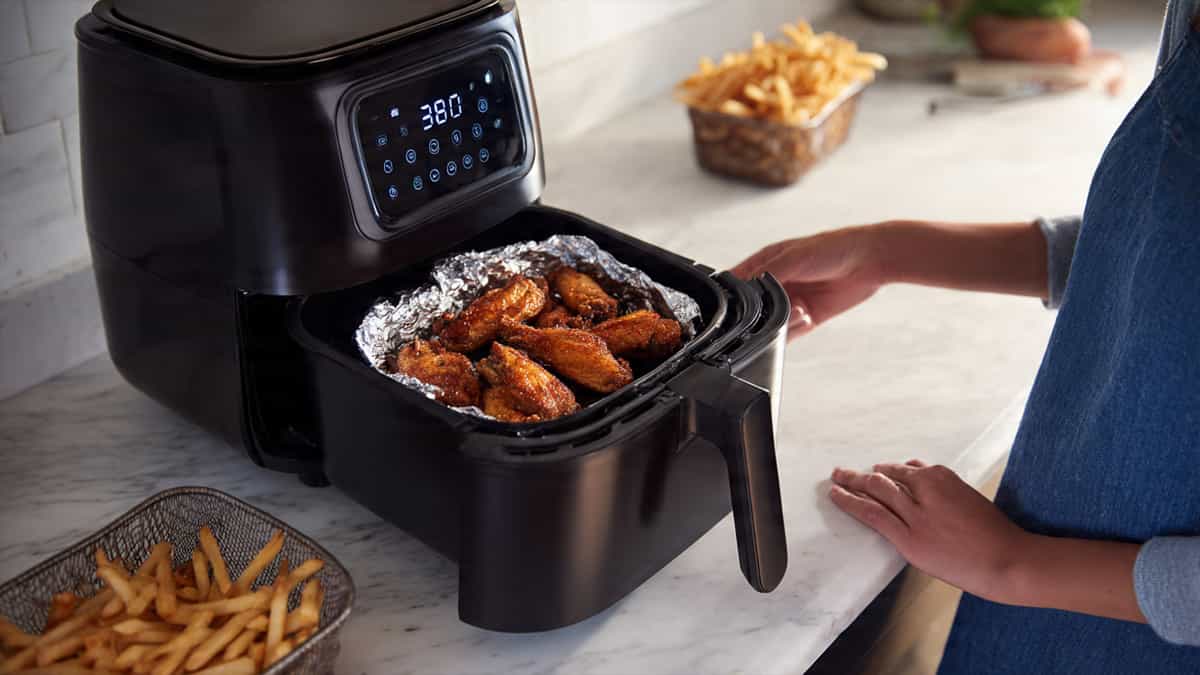
- Avoid extremely high temperatures: For oven cooking above 400°F (204°C), especially with acidic foods, alternatives might be preferable.
Ultimately, for most people, the amount of aluminum contributed by foil and cookware is minimal and poses no significant health risk.7
Myth 3: You Can Never Use Aluminium Foil in a Microwave
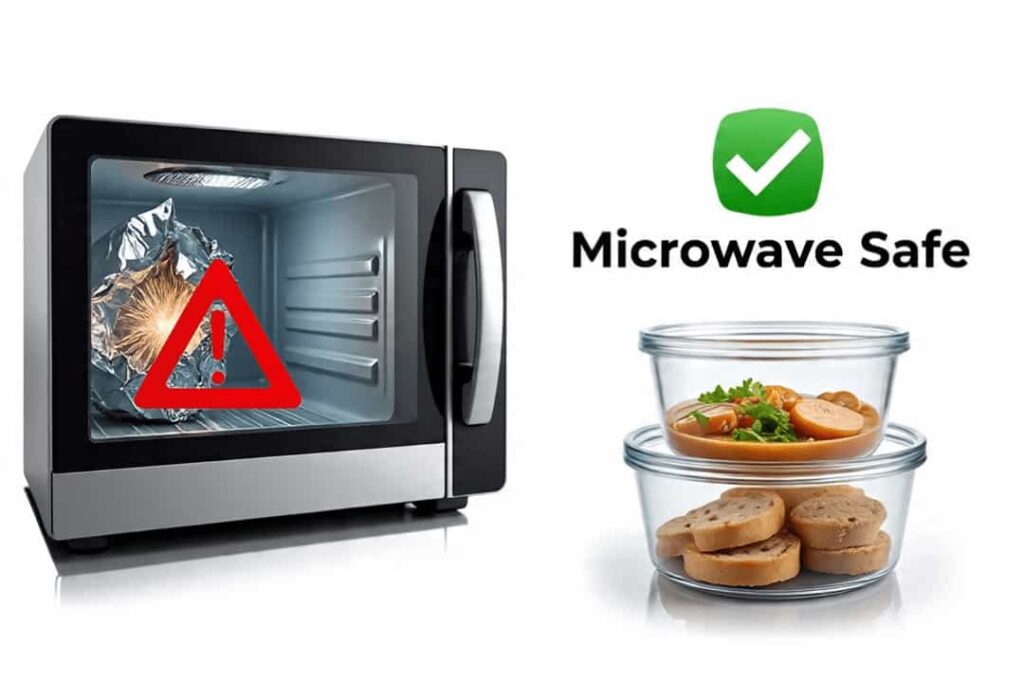
The idea of putting metal in a microwave often triggers alarm bells, and for good reason. However, the rules around aluminum foil are a bit more nuanced than an absolute ban.
The Truth: For standard household aluminum foil, you should generally avoid using it in a microwave oven. The primary risk is electric arcing, which can manifest as sparks or even fire. This occurs because the microwave’s electromagnetic waves induce electric currents in the metal, and if the foil is crumpled or close to the oven walls, these currents can jump, creating dangerous arcs.8 Such arcing can not only damage your microwave’s internal components, including the magnetron tube, but also pose a significant fire hazard.9
However, there are specific exceptions that might contribute to this myth’s complexity:
- Specialized Aluminum Packaging: Some food products come in aluminum packaging specifically designed and deemed safe for microwave use. These are engineered to prevent arcing. Always check the manufacturer’s instructions for such products.
- Very Specific Conditions (Not Recommended for Household Use): You might come across information suggesting that very small, flat pieces of foil, kept at least an inch away from the microwave walls, might be used under highly controlled conditions. However, for typical household use and safety, the inherent risks far outweigh any perceived benefits. It’s simply not worth the gamble with standard foil.
To avoid any risk of damage to your microwave or a fire, it’s safest to stick to microwave-safe dishes made of glass, ceramic, or plastic when heating food.
Despite the persistent myths, aluminum foil remains a highly versatile and generally safe tool in the kitchen when used correctly. Understanding the facts behind these common misconceptions empowers you to make informed decisions, ensuring a safer and more efficient cooking experience. So, go ahead and reach for that roll of foil – just remember to keep it out of the microwave unless it’s specifically designed to go in!
Do you have any other kitchen myths you’d like to see debunked?