From automotive engines to life-saving medical devices, cylinders are the workhorses of modern engineering. While cast iron was once the undisputed king, a massive industry shift toward aluminum is fundamentally changing how we design for performance and sustainability.
What Makes Aluminium the Superior Choice?
At its core, aluminum offers a unique set of physical properties that ferrous metals simply cannot match. Its natural resistance to corrosion stems from passivation—the instant formation of a protective oxide layer when exposed to air.
When engineered into a cylindrical shape, these benefits become critical:
- Strength-to-Weight Ratio: Aluminum provides high structural integrity at roughly one-third the weight of steel.
- Thermal Efficiency: It dissipates heat rapidly, making it the premier choice for high-performance engine components
- Safety Features: Aluminum is non-sparking and non-magnetic, which is essential for environments with flammable gases or medical equipment like MRI machines.
- Sustainability: It is 100% recyclable, requiring only 5% of the energy needed for primary production.
Key Industrial Applications
Aluminum cylinders aren’t just a “one-size-fits-all” solution; they are precision-engineered for specific high-stakes sectors:
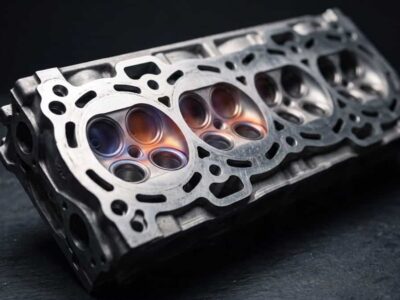
- Automotive & Transportation: Modern cylinder blocks and heads use aluminum to reduce vehicle mass, directly improving fuel economy and handling.
- Aerospace: Used in hydraulic and landing gear systems where weight savings translate into massive fuel efficiency gains.
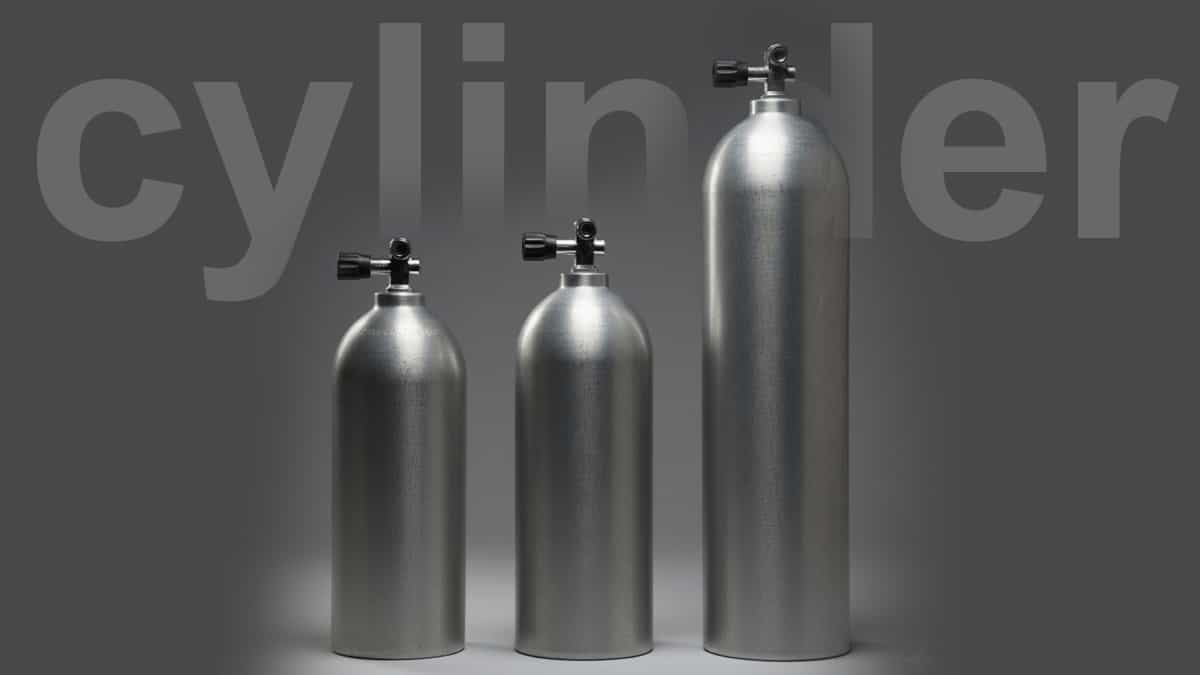
- High-Pressure Gas Storage: Aluminum’s corrosion resistance ensures gas purity in SCUBA tanks, medical oxygen cylinders, and welding supplies.
- Specialized Consumer Goods: From durable water bottles to insulated flasks, aluminum is preferred for its rust-proof and aesthetic qualities.
The Business Case: Aluminium vs. Iron
For manufacturers, the decision to switch from iron to aluminum is often driven by current market trends and pricing.
| Feature | Aluminum | Cast Iron |
| Weight | Ultralight (2.7 g/cm³) | Heavy (7.8 g/cm³) |
| Heat Dissipation | Excellent | Average |
| Corrosion | Highly Resistant | Prone to Rusting |
| Cost | Higher upfront | Lower |
| Lifecycle Value | High (Highly Recyclable) | Lower |
The Verdict: While aluminum has a higher initial material cost, the long-term gains in energy efficiency and performance make it the smarter investment for future-ready industries.
Maintenance & FAQ
How do I check for damage in aluminum cylinder heads?
Because aluminum is prone to thermal expansion, overheating is the most common cause of warpage. Professionals use three primary methods:
- Visual Inspection: Looking for cracks between valves or near exhaust ports.
- Dye Penetrant Test: A fluorescent dye is applied to reveal microscopic cracks under UV light.
- Pressure Testing: Passages are sealed and pressurized to check for air leaks.
What is the best way to clean them?
Avoid harsh acids (like muriatic acid) which can etch the metal. Use a dedicated aluminum-safe chemical soak or a plastic scraper to remove carbon buildup. For a professional finish, always rinse and dry immediately to prevent oxidation.
Which alloys are most common?
While pure aluminum is soft, most cylinders use high-performance aluminum alloys like 6061 or 7075 for structural strength. For engine blocks, A356 is the industry standard for casting13.