Aluminum foil is a kitchen staple, used for everything from baking to food storage. However, its crinkled, often food-soiled appearance frequently leads to a common misconception: that it’s not recyclable. The truth is, aluminum foil is highly recyclable, and understanding how to properly dispose of it can make a significant positive impact on our planet.
Why Recycling Aluminum Matters
Recycling aluminum offers substantial environmental benefits, far beyond simply reducing waste. It’s a remarkably efficient process that conserves vast amounts of energy. In fact, recycling aluminum saves up to 95% of the energy required to produce new aluminum from raw materials. This translates to a considerable reduction in greenhouse gas emissions and a lighter footprint on our planet.
Beyond energy savings, aluminum is an incredibly sustainable material. Approximately 75% of all aluminum ever produced is still in use today because it can be recycled indefinitely without losing its quality or structural integrity. This means the aluminum from your soda can or foil could be endlessly repurposed into new products, over and over again.
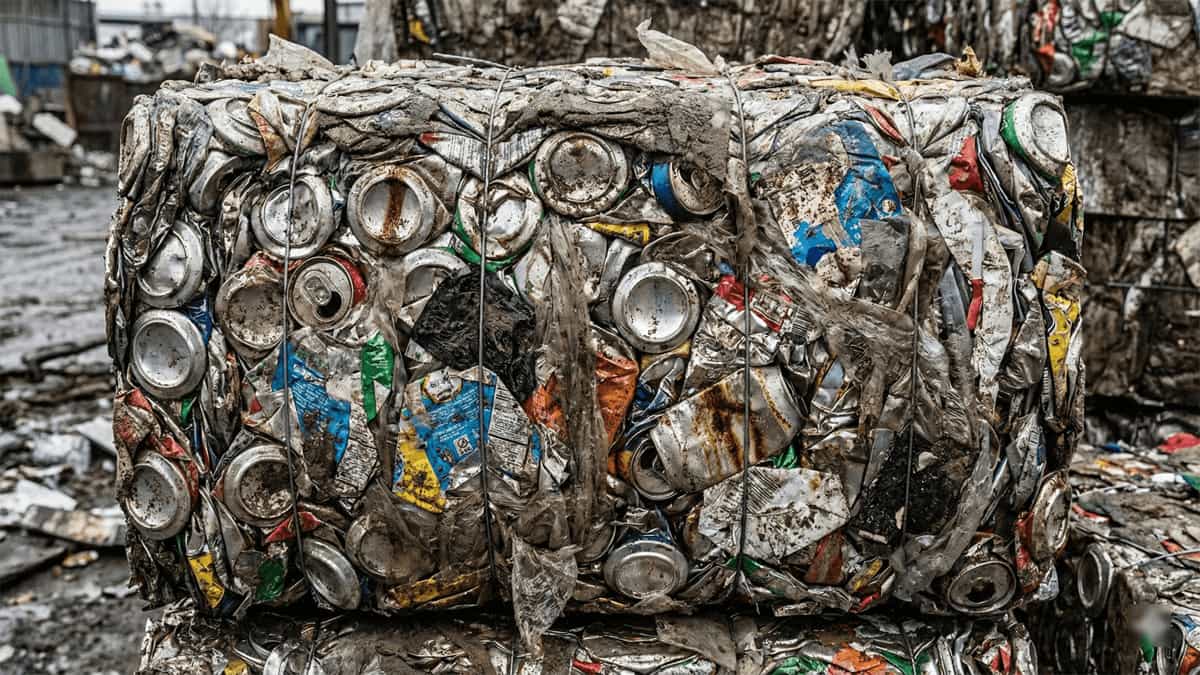
Furthermore, recycling aluminum foil keeps it out of landfills. Unlike organic materials, aluminum does not biodegrade. If left in a landfill, it would remain intact for hundreds of years, contributing to waste accumulation and taking up valuable space. By recycling, we divert this durable material from becoming long-term waste.
How to Recycle Aluminum Foil Properly (Step-by-Step)
While aluminum foil is recyclable, proper preparation is key to ensuring it actually gets recycled and doesn’t contaminate an entire batch. Here’s a step-by-step guide:
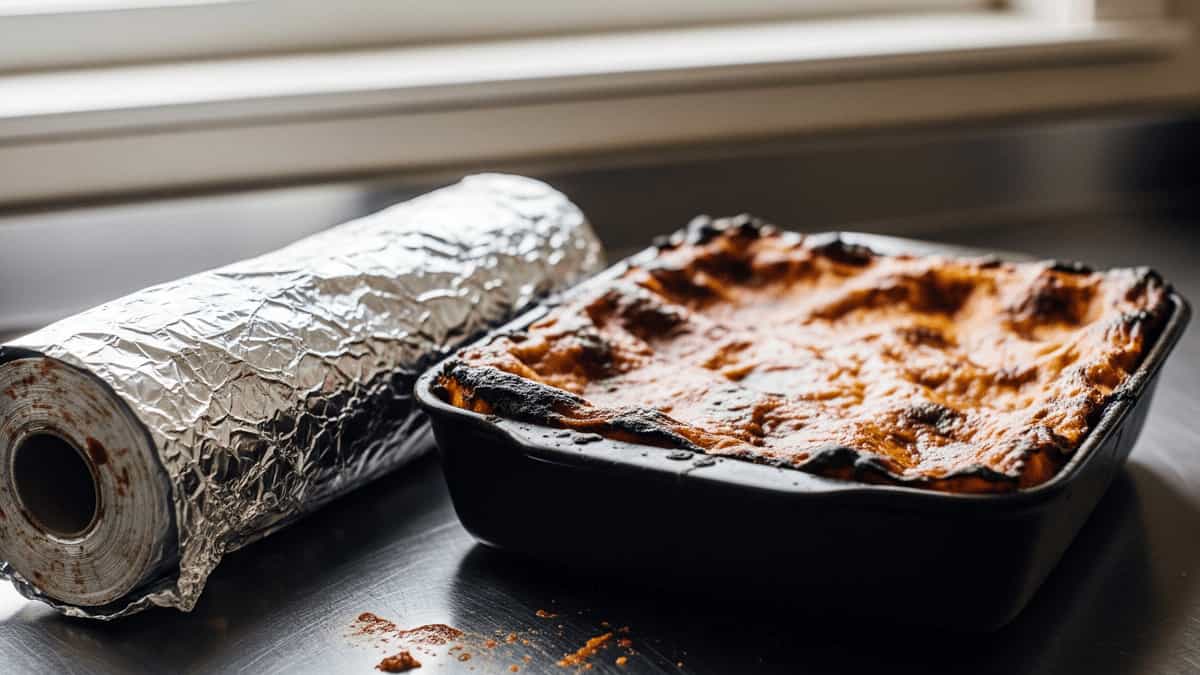
Clean It Up: This is the most important step. The foil must be thoroughly rinsed to remove any food residue, grease, or sticky substances. Contaminated foil can spoil entire batches during the recycling process, making it less likely to be accepted by recycling facilities. Think of it this way: if you wouldn’t eat off it, it’s probably too dirty to recycle. If the foil is heavily saturated with grease or has stubborn, baked-on food particles that won’t rinse off, it might unfortunately not be recyclable.
-Ads-Crumple into a Ball: Once clean, ball up small pieces of foil into a larger, fist-sized ball. Small or thin pieces of aluminum foil often get lost in sorting facilities, falling through cracks in machinery designed for larger items. Forming a larger ball helps prevent this issue, making it easier for the recycling equipment to recognize and process it.
Check Local Guidelines: Recycling practices can vary significantly from one location to another. It’s always a good idea to confirm with your local recycling center or curbside program whether they accept aluminum foil. They may have specific requirements, such as a minimum size for the foil ball, or quantity limitations. A quick check of your local municipal waste website or a call to their hotline can provide this essential information.
-Ads-
Make a Difference, One Foil Ball at a Time
By following these simple steps, you can confidently recycle your aluminum foil and contribute directly to a more sustainable planet. Every piece of foil properly recycled helps conserve energy, reduce waste, and minimize our environmental impact. It’s a small habit that collectively makes a huge difference.
Are you surprised by any of these steps, or do you have other recycling tips you’d like to share?