Strength, Formability, and the Heart of the Aluminum Packaging Industry
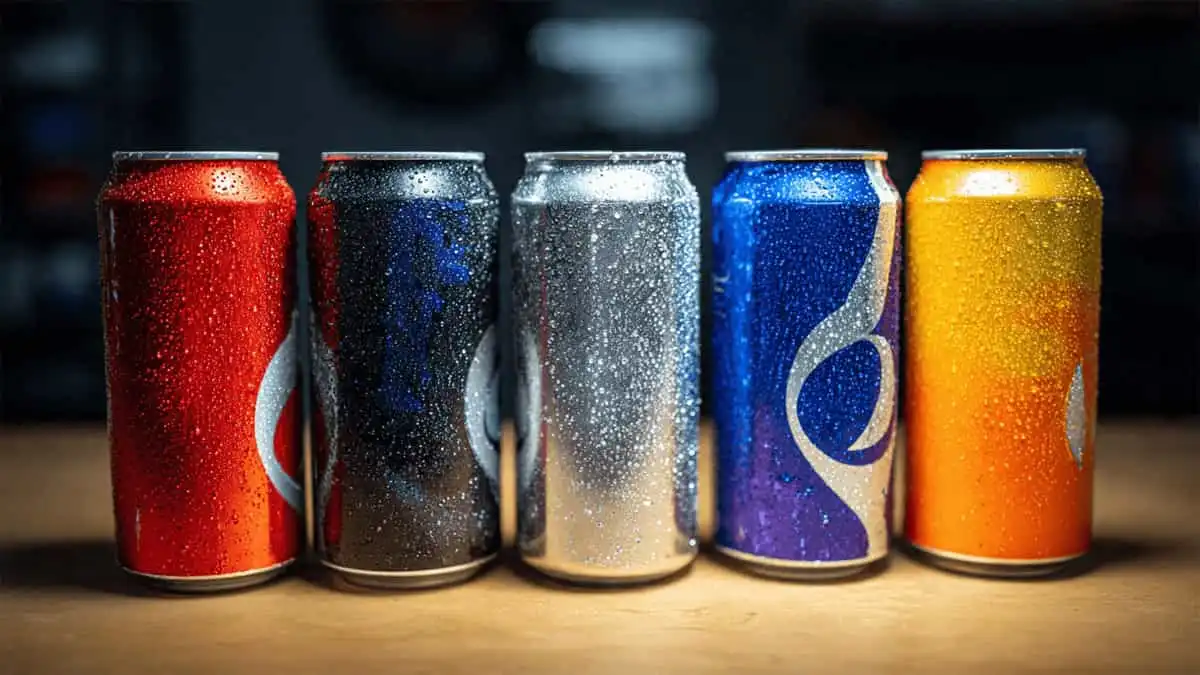
In the diverse world of aluminium alloys—where some are engineered for aerospace and others for marine environments—Aluminium 3004 carves out an essential, if understated, niche. This versatile, non-heat-treatable alloy is the unsung hero of the packaging world, most famously serving as the backbone of the aluminum beverage can.
Its exceptional combination of moderate strength, excellent formability, and reliable corrosion resistance makes it the material of choice for demanding forming operations. Developed as a robust alternative to the 3003 series, 3004 offers a significant performance boost while retaining superb workability, securing its role as a critical industrial workhorse in packaging, construction, and transportation.
Composition and Metallurgy: The Formula for Resilience
Aluminium 3004 is a manganese-magnesium alloy, part of the 3xxx series. While the 3xxx family is known for formability, the addition of Magnesium in 3004 provides a crucial strength advantage.
Primary Composition:
- Aluminium (Al): Balance (approx. 95.8 – 98.2%)
- Manganese (Mn): 1.0 – 1.5% — Enhances strength and work-hardening response.
- Magnesium (Mg): 0.8 – 1.3% — The key differentiator. This addition significantly increases strength through solid solution hardening compared to standard 3003.
- Impurities: Iron (Fe) and Silicon (Si) are present in controlled amounts.
The Hybrid Effect: This manganese-magnesium synergy creates an alloy with approximately 20% higher strength than 3003 in comparable tempers. Crucially, it maintains the high ductility required for deep drawing and ironing processes—the specific mechanical torture a beverage can must endure during manufacturing.
Core Properties: Engineered for Performance
- High Strength-to-Weight Ratio: Ideally suited for structural parts and pressure vessels (like carbonated drink cans).
- Superior Deep Drawability: Especially in the annealed (O) temper, 3004 can undergo severe forming without cracking. This is essential for drawing a flat blank into a deep, thin-walled cylinder.
- Corrosion Resistance: Inheriting the 3xxx series traits, it resists corrosion effectively, making it safe for food contact and durable in outdoor architectural uses.
- Weldability & Brazeability: It can be readily welded (MIG/TIG) and has good brazeability, useful for specific heat exchanger applications.
Common Tempers and Mechanical Properties
The mechanical behavior of Aluminium 3004 changes drastically based on how it is worked.
| Temper | Tensile Strength (MPa) | Yield Strength (MPa) | Elongation (%) | Primary Characteristic |
| O (Annealed) | 180 – 210 | 69 (min) | 10 – 18 | Maximum formability; the starting point for deep drawing. |
| H32 | 210 – 240 | 170 (min) | 4 – 9 | Strain Hardened & Stabilized. Good balance of strength/forming. |
| H34 | 240 – 270 | 200 (min) | 3 – 7 | Higher strength for structural siding or roofing. |
| H19 (Full Hard) | 270 – 285 | 240 (min) | 2 – 5 | Maximum Strength. Heavily cold-worked; standard for rigid can bodies. |
Primary Applications: Where 3004 Shines
1. Packaging – The King of Cans
This is the defining application for the alloy. Aluminium 3004 is the global standard for the body of aluminum beverage cans (while the stiffer 5182 alloy is used for the lid/end).
- Can Body Stock: The alloy allows a small metal disk to be drawn and ironed into a cylinder that is incredibly thin yet capable of holding 90 PSI of internal pressure.
- Learn More: For an in-depth look at this engineering marvel, see our guide: Everything About Aluminum Cans You Need to Know.
2. Building and Construction
- Roofing and Siding: Used for industrial roofing and painted architectural panels where 3003 lacks the necessary rigidity.
- Gutters & Downspouts: The alloy’s formability allows for complex roll-formed sections.
3. Transportation & General Manufacturing
- Commercial Vehicles: Sheeting for trailers and truck bodies.
- Cookware: Pots and pans (often coated) benefit from 3004’s uniform heat distribution and resistance to warping.
- Lamp Bases: Due to its combination of strength and electrical properties.
Comparative View: Why Choose 3004?
When selecting materials, engineers often weigh 3004 against its siblings.
| Property / Alloy | 3004 | 3003 | 5052 | 6061 (T6) |
| Major Alloys | Mn, Mg | Mn | Mg | Mg, Si |
| Strength | Medium-High | Medium | Medium-High | Very High |
| Formability | Excellent | Excellent | Very Good | Good |
| Corrosion | Good | Very Good | Excellent (Marine) | Good |
| Best Use | Cans, Roofing | HVAC, General Sheet | Marine, Panels | Structural Frames |
Selection Rule of Thumb:
Choose Aluminium 3004 when you need more strength than 3003 can provide, but you cannot sacrifice the deep-drawing formability required to shape the product.
Sustainability: A Closed-Loop Champion
Aluminium 3004 is a sustainability leader. Because it is the primary alloy in beverage cans, it feeds into the most efficient recycling loop in the world.
- Infinite Recyclability: 3004 can be recycled repeatedly without losing its specific metallurgical properties.
- Speed to Shelf: A used can containing 3004 can be recycled, remelted, rolled, and back on a store shelf as a new can in as little as 60 days.
- Energy Efficiency: Recycling this alloy saves 95% of the energy required to produce primary aluminium.
- Read More: Aluminum Can Recycling Process.
Fabrication Notes for Engineers
- Machining: Acceptable. Use sharp tools, high speeds, and appropriate lubricants to prevent gumming.
- Forming: Excellent. For severe shapes, start with O temper.
- Welding: Easily weldable via Arc Welding. Filler alloys 4043 or 5356 are standard.
- Finishing: Responds well to anodizing (though it may have a yellowish tint due to Manganese) and accepts paint/powder coatings excellently.
The Future Outlook
The future of Aluminium 3004 remains tightly linked to the global shift away from single-use plastics. As brands move toward sustainable packaging, demand for 3004 sheet continues to rise. Innovation is now focused on “light-weighting”—making can bodies even thinner while maintaining the strength 3004 provides.
From the soda in your hand to the siding on your house, 3004 proves that the most impactful materials are often those that solve everyday problems with relentless efficiency.
Further Reading:
- Aluminum Cans vs. Plastic Bottles – Understanding the packaging war.
- Aluminum Foil: Facts vs. Myths – Exploring another 3xxx-series staple.
Related Articles


Featured
You May Also Like

Career in Facade, Structural Glazing & Curtain Wall Indu…
Should I Repair or Replace My Old Windows? Here’s the Real A…
Storm Door Installation Cost: What Homeowners Should Expect

Which Mosquito Net is Best for Aluminium Sliding Frame?
Best Aluminum Storm Doors for Front Entrances