
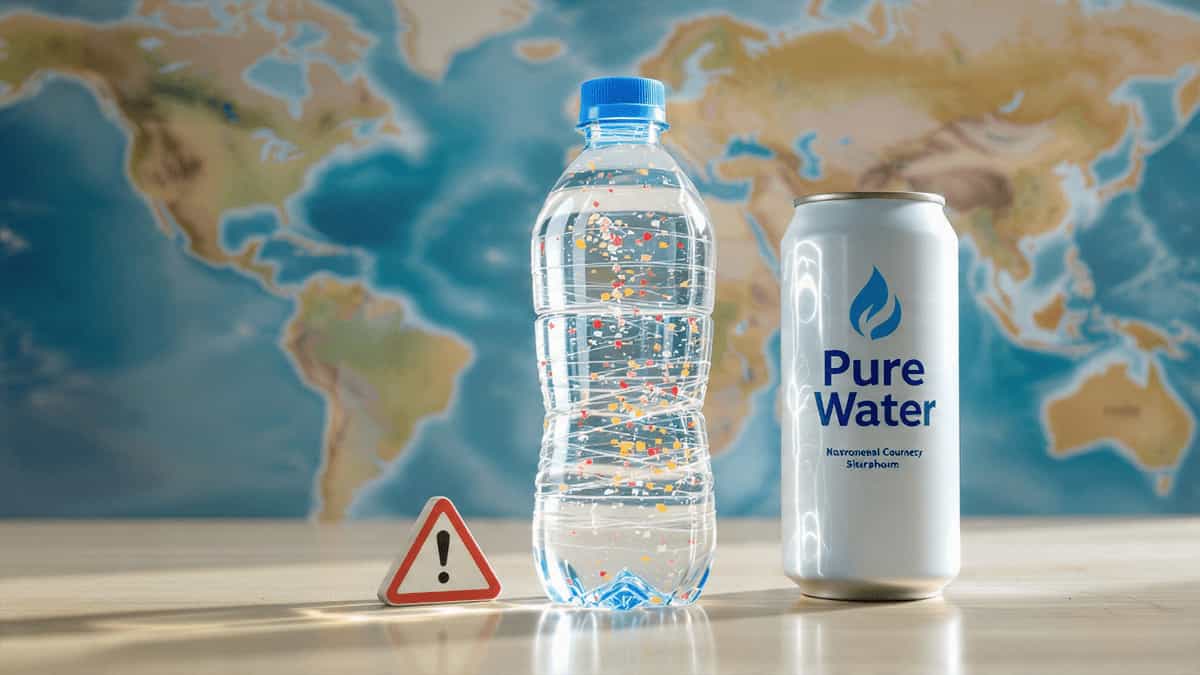
— The clean, fast, recyclable truth most brands won’t admit.
Intro — Wake up
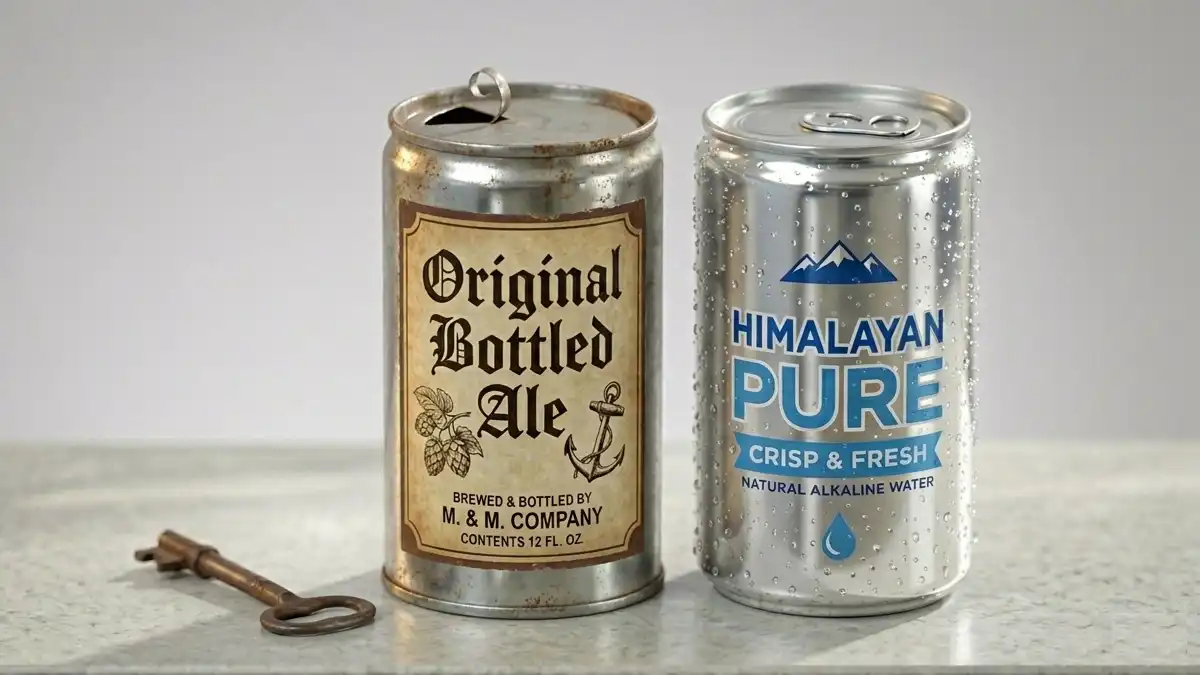
You open a plastic bottle, sip, toss it in the bin. We call that “convenience.” The planet calls it a crisis. But there’s a revolution quietly brewing on store shelves worldwide: aluminum cans. Lightweight, chill-fast, infinitely brandable, and infinitely recyclable—they’re not just for soda anymore. From Liquid Death’s cult following in the US to premium sparkling waters in Europe and innovative startups across Asia, aluminium is becoming the new face of hydration. This article reveals why the global shift from plastic to aluminium isn’t just likely—it’s inevitable.
Key Takeaways: The Aluminum Can Revolution
- Infinite Circularity: A used aluminum can can process through recycling facilities and return to retail shelves in as little as 60 days.
- Energy Reduction: Utilizing recycled aluminum saves up to 95% of the massive energy load required to produce virgin metal materials.
- Total Product Freshness: Modern food-grade liners successfully eliminate metal contact, blocking out degrading light and oxygen far better than clear plastic bottles.
The global recycling crisis: plastic’s broken promise
The truth hurts: global plastic recycling rates hover around 9%. In the EU, it’s slightly better at about 33%, while in the US it’s below 6%. The rest ends up in landfills, incinerators, or worse—our oceans and ecosystems. This isn’t a local failure; it’s a systemic collapse of the single-use plastic model that affects every continent.
Translation: The “recyclable” symbol on a plastic bottle is often a greenwashed fantasy—a global aspiration with a 91% failure rate.
Aluminium: the circular economy’s champion material
While plastic recycling falters, aluminium shines. Recycled aluminium requires 95% less energy to produce than virgin material. This isn’t just an environmental win—it’s an economic one that resonates from Germany’s efficient Pfand system to Brazil’s growing recycling networks.
The real magic? A used aluminium can can be back on the shelf as a new one in as little as 60 days in efficient systems like Scandinavia’s. This rapid circularity makes aluminium the gold standard for sustainable packaging worldwide. Dive deeper into this process in our guide on the Aluminum Can Recycling Process.
Taste and technology: debunking global myths
Myth: “Metal changes the taste of water.”
Fact: From Tokyo to Toronto, modern cans use advanced food-grade liners that prevent metal contact. These BPA-free coatings ensure pure taste while blocking light and oxygen better than transparent plastic—keeping beverages fresher from production to consumption.
Concerned about safety? We explore this in detail in Aluminum Water Bottles: Are They Safe and Durable?
The microplastic awakening: a worldwide health concern
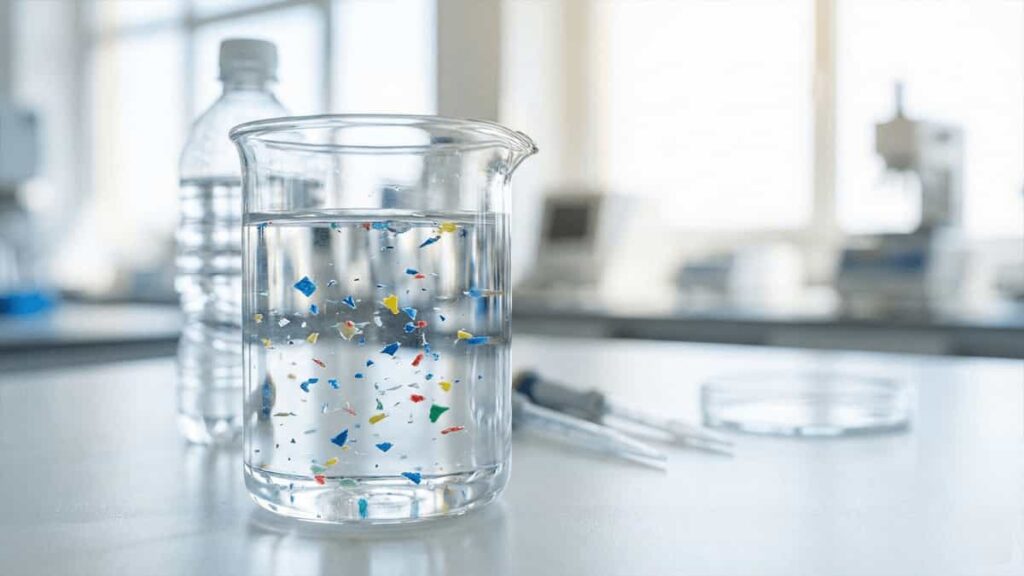
Studies from the University of Newcastle to Orb Media have found microplastics in 90% of bottled water samples globally. While research continues, the psychological tipping point has arrived: consumers from Sydney to Stockholm are choosing metal over plastic, seeking purity in their hydration.
Brand revolution: why aluminium sells
Liquid Death didn’t just sell water—they sold attitude, sustainability, and shareable branding. Their success has sparked a global movement, with similar brands emerging in the UK (CanO Water), Australia (Thankyou Water), and beyond. The lesson? Aluminium isn’t just packaging—it’s a branding canvas that resonates with conscious consumers worldwide.
The global economic equation: why aluminium wins long-term
Initially, aluminium costs more than plastic. But the long-term economics tell a different story:
- Scrap value: Aluminium maintains high value in both formal systems (like Norway’s) and informal ones (across Southeast Asia and Africa)
- Transport efficiency: Lighter than glass, more durable, with better shelf stability
- Carbon pricing: As carbon taxes spread globally (EU, Canada, parts of Asia), aluminium’s recycling advantage becomes a financial imperative
Single-Use Plastic Bottles
- Low Scrap Incentives: Holds negligible value in scrap markets, meaning global recycling numbers languish around a minor 9%.
- Fragile Shelf Life: Transmits ambient light and oxygen directly through the material, risking taste alteration over time.
- Rising Tax Liabilities: Increasingly penalized across international markets by modern regulatory shifts and regional carbon taxes.
Aluminum Packaging Cans
- Strong Economic Residuals: Commands a premium price in formal and informal recycling systems alike, maximizing recovery yields.
- Superior Product Integrity: Blocks out 100% of light and outside oxygen, ensuring beverages chill faster and stay crisp.
- Carbon Efficient Future: Lowers long-term operational costs as recycling loops offer a buffer against expanding international climate tariffs.
Track the market dynamics in our article on Aluminium Scrap Rate Today.
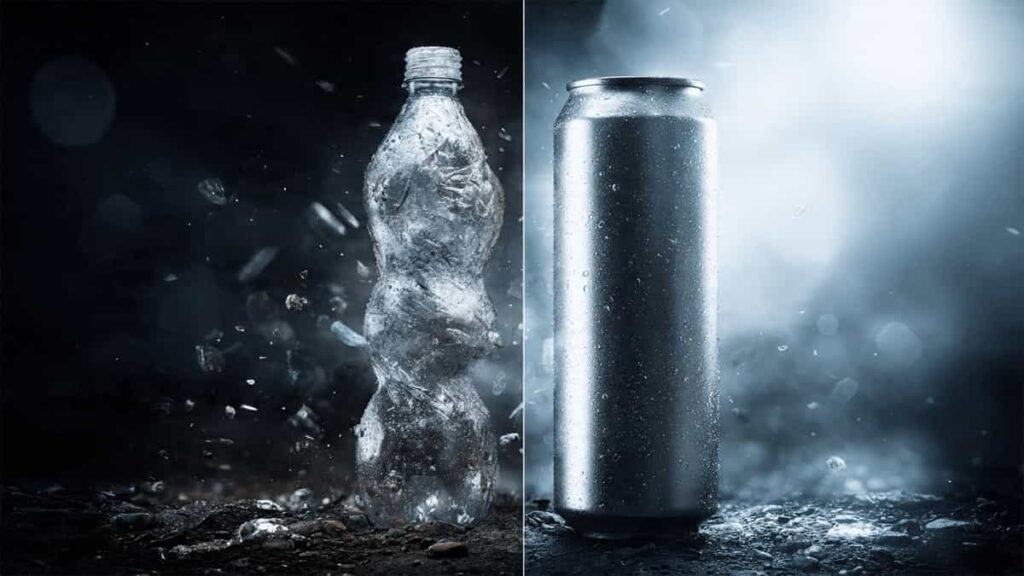
Regional realities: how aluminum adapts globally
Europe: Advanced recycling infrastructure and strong regulations (like the EU’s Single-Use Plastics Directive) make aluminium a natural choice for brands targeting sustainability-minded consumers.
North America: While plastic remains dominant, the success of brands like Liquid Death proves there’s massive market potential, particularly among younger demographics.
Asia-Pacific: Rapidly growing middle classes in countries like China, Japan, and Australia are embracing premium canned beverages, while informal recycling networks across Southeast Asia ensure aluminium gets collected.
Global South: In regions from Latin America to Africa, aluminium’s durability and high scrap value make it practical, even where formal recycling is limited.
Myth vs. Reality: the global truth about aluminum
- Myth: “Aluminium production is worse for the climate than plastic.”
Reality: Virgin aluminium is energy-intensive, but recycled aluminium cuts emissions by 95%—and as renewable energy spreads globally, even primary production is becoming cleaner. - Myth: “Cans can’t work for still water in hot climates.”
Reality: From Dubai to Darwin, advanced liners and can technologies ensure product integrity even in extreme conditions. - Myth: “Aluminium recycling doesn’t work in developing countries.”
Reality: The opposite is true—aluminium’s high scrap value makes it one of the most collected materials in informal recycling systems worldwide.
Learn more in Everything About Aluminum Cans You Need to Know.
The global playbook: what brands should do now
- Start with premium positioning: Launch in airports, luxury hotels, and specialty retailers—globally proven entry points
- Embrace local recycling stories: Highlight how cans work within different national systems, from Germany’s deposit scheme to Brazil’s cooperative networks
- Partner globally, produce locally: Work with regional can manufacturers to reduce transport emissions and support local economies
- Educate across cultures: Tailor messaging about recycling and sustainability to resonate in different markets
- Measure and communicate impact: Use standardized metrics (like recycled content percentage) that consumers understand worldwide
The era of single-use plastic water bottles is ending—not with a ban, but with a better alternative. From Berlin to Bangkok, consumers are choosing aluminium for what it represents: purity, premium experience, and genuine circularity.
The transition won’t look the same in Munich as it does in Mumbai, but the direction is universal. Brands that embrace aluminium today aren’t just following a trend—they’re investing in the only packaging material that makes both environmental and economic sense at a global scale.
The future of hydration is circular, branded, and metallic. And it’s arriving on shelves everywhere, one can at a time.
Frequently Asked Questions About Aluminum Sustainability
Q1: Are aluminum cans genuinely more expensive to manufacture?
Initially yes, production setup and raw material costs can be higher than cheap single-use plastics. However, as global scalability improves, recycling loops optimize, and international plastic penalties grow, long-term costs continue to equalize.
Q2: Do all countries recycle aluminum material with equal efficiency?
National collection infrastructures vary significantly from automated deposit networks in Europe to highly active informal collection loops across Southeast Asia and Africa. Because aluminum retains high inherent scrap values everywhere, it is heavily retrieved and recycled globally compared to plastic waste.
Q3: Can metal packaging successfully compete with new paper options?
Yes. For liquid products requiring absolute airtight barriers and an extended shelf life, paper packaging fall short. Aluminum delivers completely light-tight protection and maintains a much more straightforward path back into the supply chain via melting and re-manufacturing.
Related Articles

Featured
You May Also Like
Aluminium 5086 (Aluminum 5086): The Weldable Marine Alloy fo…

10 Types of Aluminium Home Doors Based on Operation and Func…
What is Aluminium Business Insurance? Benefits & Importa…

Aluminum Screen Doors vs. Storm Doors: What’s Best for Your …

Perforated Aluminium Sheet — More Than Just A Fancy Design
