Aluminum’s Strategic Role in the Global Hydrogen Transition
The shift to a hydrogen-based energy system demands materials that are strong, lightweight, durable, and sustainable. Aluminium, with its exceptional strength-to-weight ratio, inherent corrosion resistance, and infinite recyclability, is emerging as a critical enabler across the hydrogen value chain. From production to end-use, aluminum’s properties make it indispensable for electrolysers, storage tanks, transport modules, and supporting infrastructure. Its adoption will vary by region, influenced by climate, policy, and industrial strategy, positioning aluminium not just as a material but as a strategic asset in the global energy transition.
Material Advantages: Why Aluminium Excels in Hydrogen Systems
Aluminum’s primary advantage lies in its lightweight durability. For mobile hydrogen applications—such as fuel cell vehicles or transport containers—reducing weight directly increases payload and energy efficiency. Its natural oxide layer provides excellent corrosion resistance, crucial for infrastructure exposed to the elements or hydrogen itself.
- Regional Climate Lens: This resistance is tested differently across climates. In hot and coastal zones (e.g., Australia’s Pilbara, India’s coastline), high humidity and salt spray demand robust alloy selection and coating systems. Conversely, in cold temperate climates (e.g., Northern US, UK, EU), aluminium’s good cryogenic toughness makes it suitable for liquid hydrogen storage. Understanding the versatility of aluminium in construction and automotive sectors is key to adapting these systems globally.
Aluminium in Hydrogen Production Infrastructure

At the point of production, aluminum serves key structural and functional roles:
- Applications: It is used for electrolyser frames and enclosures, offering a lightweight, non-corrosive housing for sensitive stacks. Cooling plates and heat-exchange assemblies within electrolysers also leverage aluminium’s high thermal conductivity.
- Regional Deployment Context:
- US & India: Solar-linked hydrogen production is a major driver. In high-temperature regions like Rajasthan or the US Southwest, aluminum systems are preferred for thermal management. This synergy is explored in depth in our guide on why solar aluminium is an unsung hero in renewable energy.
- EU/UK: Mandates for green hydrogen will see aluminium integrated into offshore wind-linked electrolysis platforms facing North Sea corrosion.
Aluminum in Hydrogen Storage Solutions
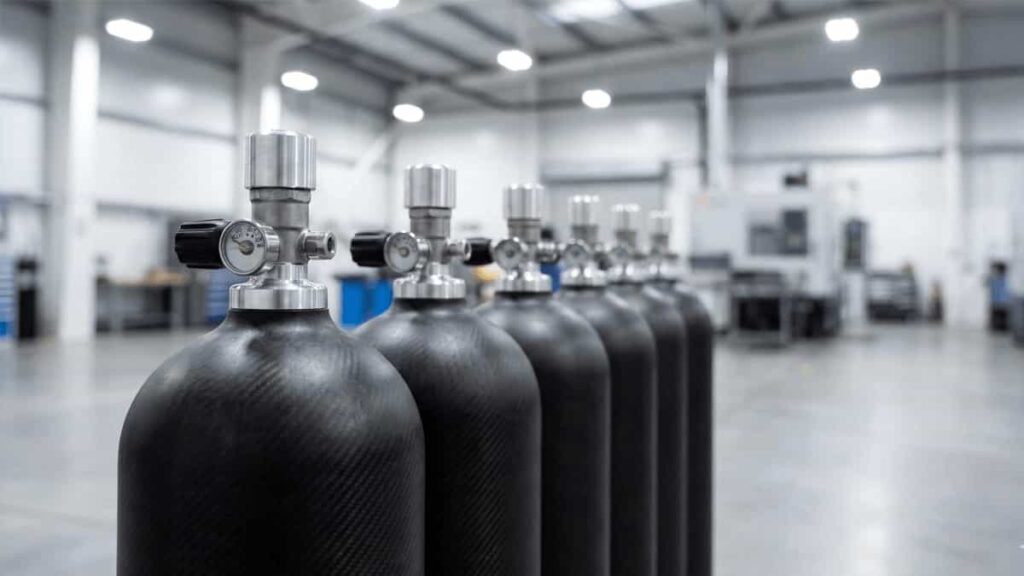
Safe, efficient storage is a bottleneck that aluminum can help overcome.
- Use-Cases: Type III pressure vessels (aluminum liner with composite overwrap) are leading for medium-pressure storage. For liquid hydrogen, aluminum alloys are preferred for inner cryogenic tanks due to their performance at low temperatures. For a deeper look at vessel design, refer to our guide on aluminum cylinders, their uses, and pros/cons.
- Regional Storage Needs: The US focuses on large-scale tanks for trucking corridors, while the EU/UK prioritizes modular, port-integrated units. India’s focus remains on industrial cluster storage where high-heat conditions accelerate thermal cycling fatigue, requiring careful alloy selection.
Aluminium in Hydrogen Transport & Distribution
Moving hydrogen requires lightweighting to maximize economic viability.
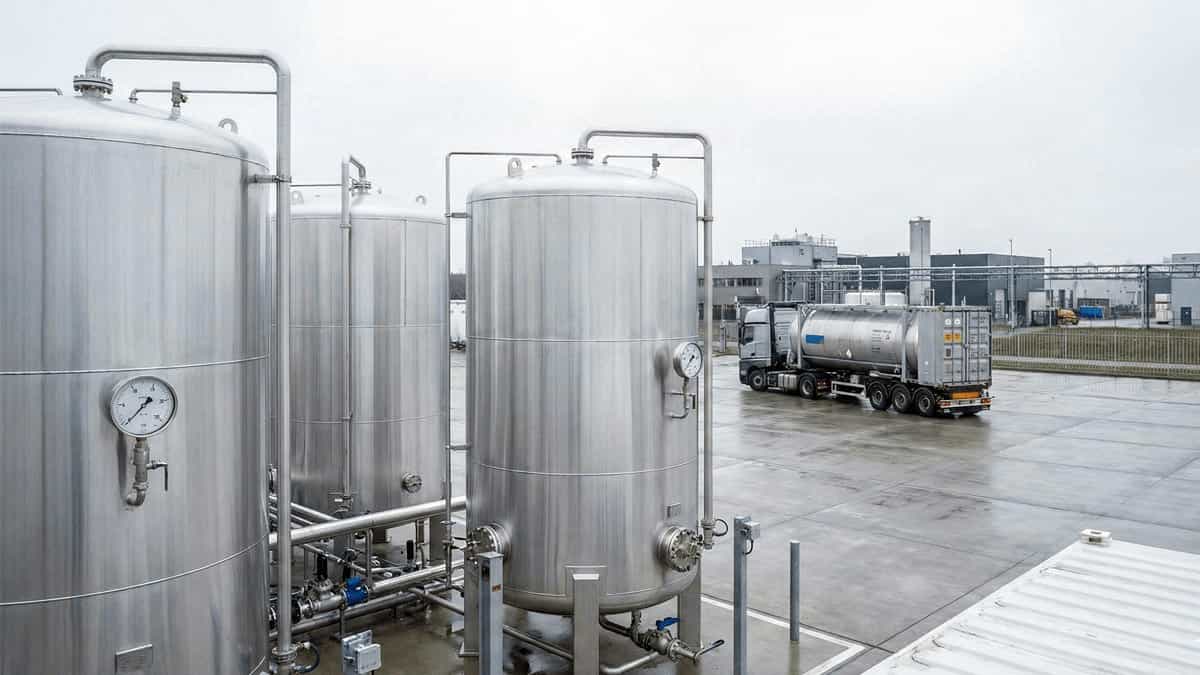
- Mobility & Infrastructure: Aluminum is key for modular containerized tanks for road and rail transport. In hydrogen fuel cell trucks and trains, aluminum chassis and body components offset the weight of the storage system.
- Regional Adoption Drivers: Australia’s mining sector is a likely early adopter for hydrogen-powered haul trucks. This transition mirrors the broader aluminium extrusion revolution in the EV sector, where weight savings equal productivity gains.
Aluminum vs Steel vs Composites — Regional Market Fit
The material choice is a trade-off:
- Aluminium offers the best strength-to-weight and superior recyclability.
- Steel provides higher ultimate strength at lower initial cost but suffers from weight and corrosion limitations.
- Regional Reality Check: Cost-conscious markets like India may adopt steel initially but will pivot to aluminium for lifecycle benefits. Regulation-heavy EU/UK markets will favor aluminum due to strict carbon accounting.
Engineering & Manufacturing Challenges
Key technical hurdles must be addressed:
- Weldability & Joint Integrity: Hydrogen service requires flawless welds. Advanced techniques like friction stir welding (FSW) are promising for aluminum hydrogen vessels.
- Hydrogen Embrittlement: While less susceptible than steel, certain alloys must be carefully chosen. Engineers must consult the H-tempers and strain hardening guide to ensure material integrity under stress. 6
- Region-Specific Standards: Infrastructure must comply with US (ASME), EU/UK (EN/ISO), and Indian (BIS) standards. A comprehensive list of these global aluminium standards (ASTM, EN, DIN) is essential for international compliance. 7
Sustainability & Circular Economy Impact
Aluminium amplifies hydrogen’s green credentials. Its high recyclability allows for circular loops within hydrogen infrastructure. Lifecycle analysis consistently shows aluminum’s carbon savings over steel, especially as the global energy grid decarbonizes.
Global Case Studies & Ongoing Projects
- US: The DOE’s Hydrogen Hubs will feature aluminum-intensive storage, testing performance in diverse climates.
- EU/UK: Projects like the Port of Rotterdam’s backbone are integrating aluminium components into climate-resilient systems.
- India: Refinery-linked green hydrogen projects (Reliance, Adani) utilize aluminum for on-site handling in high-heat conditions.
Aluminium is not a bystander but a foundational material in the building hydrogen economy. Its unique combination of lightness, strength, and circular potential makes it strategically vital. Success will depend on tailoring aluminum solutions to the distinct climatic and regulatory landscapes of each region, ensuring that the hydrogen infrastructure of tomorrow is as durable as the fuel it carries.