

Casement windows look simple, but their placement decides everything — airflow, comfort, even how long your frames last. Whether you’re choosing aluminum casement windows, planning replacement casement windows, or comparing double and French casement styles, knowing the right and wrong locations saves you from expensive regret.
Aluminium casement windows are a top choice for modern homes, prized for their sleek profiles, durability, and superior ventilation. However, their full potential is only unlocked through strategic placement. Whether you’re considering replacement casement windows or designing a new build, understanding where they excel—and where they don’t—is crucial for aesthetics, comfort, and energy efficiency.
This guide delves into the best and worst locations, with a special focus on the unique considerations for double casement windows and french casement windows.
The Champions: Prime Locations for Casement Windows
These locations leverage the inherent strengths of the casement design for maximum benefit.
1. The Kitchen: The Uncontested Winner
The kitchen demands excellent ventilation to manage heat, steam, and cooking odors. A casement window’s design, which opens fully outward, acts like a scoop, effectively capturing cross-breezes and expelling stale air far more efficiently than a sliding window. The crank operation allows for easy adjustment, even over a cluttered countertop or sink, making it both practical and safe.
2. Hard-to-Reach & Awkward Spots
The crank handle is a game-changer for windows placed above bathtubs, behind furniture, or over kitchen counters. Replacement casement windows are often the perfect solution for these tricky spots, eliminating the struggle of reaching and sliding that comes with other window styles.
3. Capturing Scenic Views & Breezes
For rooms with a beautiful outlook, casement windows provide a near-unobstructed glass surface when closed. When opened, they are designed to project outward and catch side breezes, pulling fresh air into living rooms, bedrooms, and home offices. This makes them ideal for walls perpendicular to the prevailing wind.
Related: Maximize your view and ventilation with our inspirational Casement Windows Design Ideas.
Expanding the View: When to Choose Double or French Casement Windows
For larger openings, you have two powerful options that elevate both style and function:
- Double Casement Windows (AKA Picture Casements): This configuration features two separately operated casement sashes on either side of a large, fixed central pane. They are perfect for creating a “picture window” effect with operational vents on the sides. They offer a balanced, symmetrical look that is ideal for traditional and modern homes alike.
- French Casement Windows: Unlike double casements, French casements are a paired unit where both sashes open outward without a central post, meeting in the middle to create a breathtaking, wide-open entrance for light and air. They are the ultimate choice for creating a seamless transition to a balcony or garden and are a stunning alternative to sliding or bi-fold doors in certain applications.
Related: Compare this elegant option in our breakdown of Bi-fold vs. French Casement vs. Sliding Patio Doors.
-Ads-
Use with Caution: Locations That Demand Careful Planning
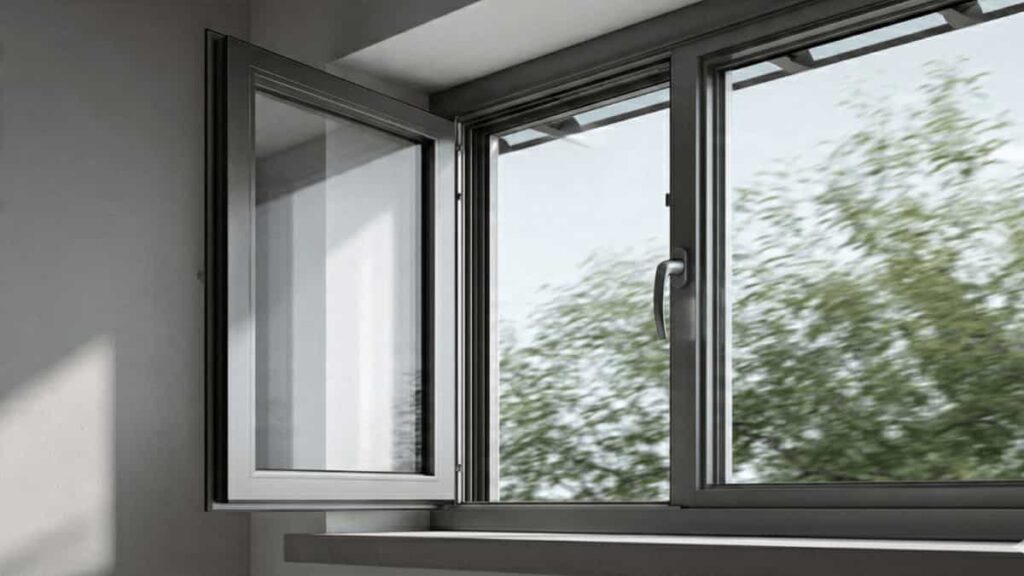
Casement windows can work in these areas, but require foresight to avoid functional pitfalls.
1. High-Traffic Exterior Paths
The outward swing is the primary consideration. Installing any casement window—single, double, or French—next to a sidewalk, deck, or patio risks creating a hazard. Always ensure there is ample clearance for the full swing arc.
2. Tight Architectural Spaces
The window’s swing radius must be meticulously checked against exterior walls, downpipes, or intricate trim. This is especially critical for the wider sweep of french casement windows.
The Challengers: Locations to Generally Avoid
In these scenarios, a different window style is often a wiser choice.
1. Directly Under a Fixed Pergola or Awning
The outward-opening mechanism will almost certainly clash with an overhead structure. For such locations, consider a top-hinged awning window instead, which is designed to provide ventilation while staying under the cover.
2. Extreme Wind Zones
While modern aluminium casements are robust, in exceptionally high-wind coastal or high-rise locations, their large, outward-facing surface area can put stress on hinges and frames. Ensure the specific product is certified for high-wind performance.
Key Considerations for Any Installation
- Energy Efficiency: The compression seal of a closed casement window is one of the tightest available, making all types—especially double casement windows with large fixed panes—highly energy efficient. Pair them with double glazing to prevent Causes of Air Leaks Around Windows and maximize savings.
- Security: For ground-floor installations, the external hinges can be a perceived vulnerability. Mitigate this by choosing models with high-security, multi-point locking systems and tempered glass.
- Professional Installation: This is non-negotiable. A poorly installed window will underperform, regardless of its type or location. For a full overview, consult our comprehensive Window Buying Guide.
Final Recommendation
Aluminium casement windows are a versatile and high-performance solution. They are champions in kitchens, hard-to-reach spots, and rooms where capturing views and breezes is a priority. For larger openings, double and french casement windows offer elegant, functional solutions. Always consider the swing clearance and avoid locations under fixed overhead structures. By choosing the right type and location, you’ll enjoy a perfect blend of style, ventilation, and modern efficiency for years to come.
Related Articles

Featured


You May Also Like

Thinking of Installing Aluminium Sliding Windows? Check Thes…

Beat the Heat: Premium vs. Budget Aluminum Window Options fo…
Thermal Break Windows vs Double Glazing: Why You Need Both f…
10 Powerful Benefits of Aluminium Doors & Windows You Ca…

Awning Windows Design Ideas
