The aluminium windows and doors industry is in the middle of a massive growth wave. From sleek urban apartments in London to high-rise projects in Mumbai, from coastal homes in Cape Town to energy-efficient residences in Texas — aluminium is the go-to choice for modern construction.
Globally, the aluminium windows & doors market was valued at USD 66.96 billion in 2023 and is projected to hit USD 112.9 billion by 2032. This growth is driven by urbanization, sustainability, durability, design flexibility, and energy efficiency.
If you’re looking to start a dealership or distributorship business, this step-by-step guide will help you navigate market research, legal setup, brand partnerships, operations, and sales strategies — while also giving you country-specific insights for India, the UK, South Africa, and the US.
Step 1: Understand the Market and Local Challenges
Before investing a single dollar (or rupee, or pound), you must clearly understand the market you’re entering — your battlefield.
Your Growth Drivers
- Sustainability: 100% recyclable with a minimal environmental footprint.
- Durability: Resistant to rust, corrosion, warping, and termite damage.
- Energy Efficiency: Thermal breaks, plus double or triple glazing for insulation.
- Design Appeal: Slim profiles, large glass panels, and a wide range of finishes.
- Low Maintenance: Far less upkeep compared to wood or steel.
Your Challenges
- Price Volatility: Raw aluminium prices can fluctuate sharply.
- Strong Competition: From uPVC, wood, and steel alternatives.
- Supply Chain Risks: Geopolitical trade restrictions may impact material flow.
- Higher Upfront Costs: Compared to certain competing materials.
Step 2: Decide — Dealer or Distributor?
Dealer Model
- Focus: Direct to homeowners or small commercial clients.
- Setup Cost: Lower (often $20k–$50k).
- Strength: Customer consultation, installation services.
Distributor Model
- Focus: Supply dealers, contractors, and large projects.
- Setup Cost: Higher ($50k–$150k+).
- Strength: Bulk purchasing, wide territory, B2B network.
💡 Tip: Start as a dealer, build cash flow and relationships, then scale into distribution.
Step 3: Analyse & Make Your Business Plan
- Define Your Niche: Residential, commercial, or both? Standard or custom?
- Analyse Competition: Who’s selling what, and how can you stand out?
- Business Plan Essentials:
- Executive Summary
- Company Description & Structure (LLC, Pvt Ltd, etc.)
- Market Analysis
- Sales & Marketing Strategy
- Financial Projections (startup costs, funding, profit margins)
Step 4: Legal & Financial Setup
Business Registration
- India: Udyam/MSME, GST, Shop & Establishment License.
- UK: Register with Companies House, HMRC for VAT if above £85k turnover.
- South Africa: CIPC registration, SARS tax number, AAAMSA compliance.
- US: State registration, EIN, local business permits, contractor licenses.
Financing
- Estimate inventory, showroom, marketing, and staffing costs.
- Funding options: Bank loans, private investors, or personal capital.
Insurance
- Liability, property, workers’ compensation.
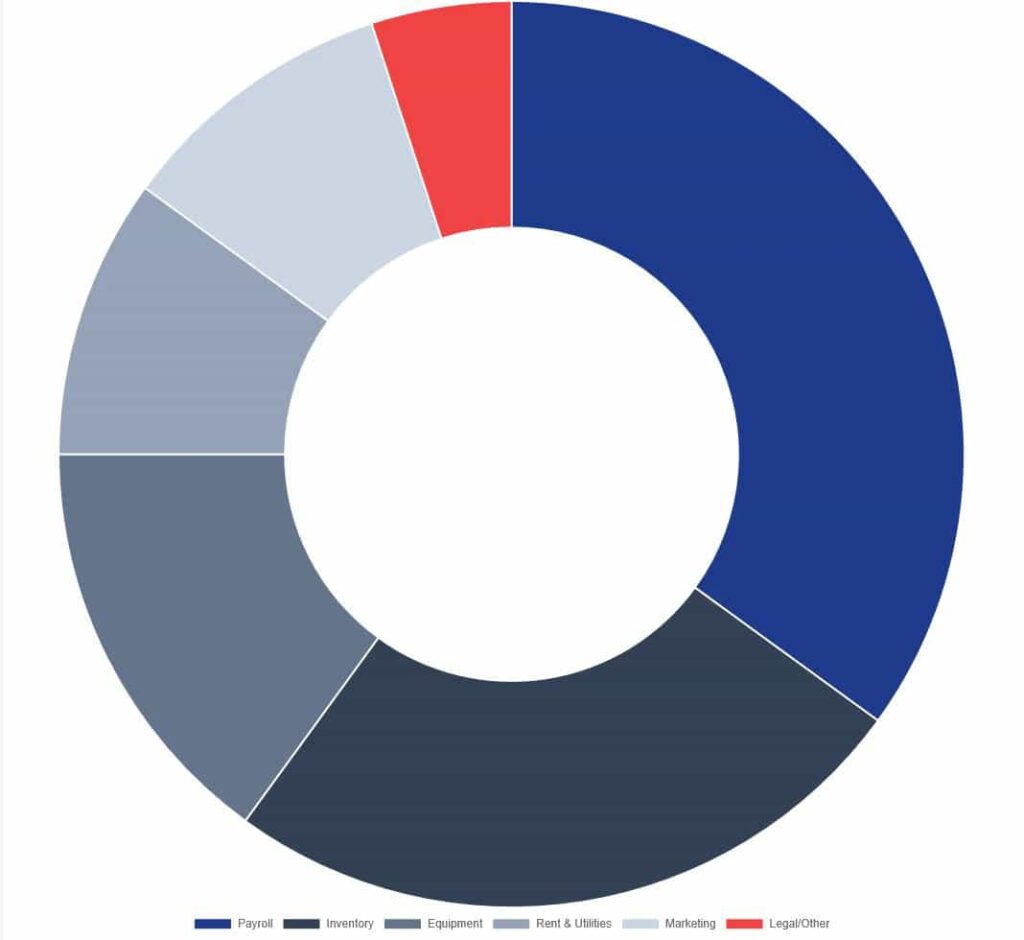
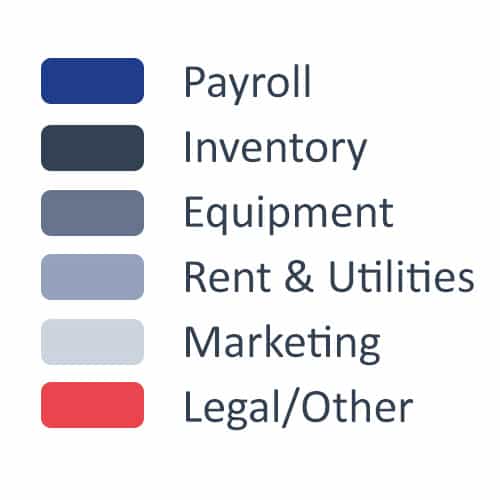
Step 5: Estimated Startup Cost Breakdown
Financial planning is critical. Costs are dominated by payroll and initial inventory.
Step 6: Partner with the Right Brands
A strong brand lineup boosts trust and sales.
Examples:
- India: Alumil, Alteza, Eternia, Shakti Hörmann.
- UK: Smart Systems, Schüco, Reynaers Aluminium, Origin.
- South Africa: Wispeco Aluminium, Amdoor, Origin Aluminium.
- US: Pella, Andersen, Marvin, Milgard, plus European imports like Reynaers.
Steps to Partner:
- Contact manufacturer’s dealer/distributor program.
- Meet showroom/warehouse requirements.
- Sign formal agreements (territory, pricing, training).
Step 7: Set Up Operations
- Location: Showroom for displays + warehouse for storage.
- Inventory Strategy: Stock fast-moving sizes/designs; custom orders for others.
- Staff: Sales reps, admin staff, installers (or subcontract).
- Tools & Software: CRM, ERP, quoting software, project tracking.
Step 8: Marketing & Sales Strategy
- Online Presence: SEO-optimized website, social media, Google My Business.
- B2B Networking: Architects, builders, interior designers.
- Customer Experience: Fast response, transparent pricing, professional installation.
- Showcasing Work: Before/after photos, video tours, testimonials.
Step 9: Country-Specific Insights
India
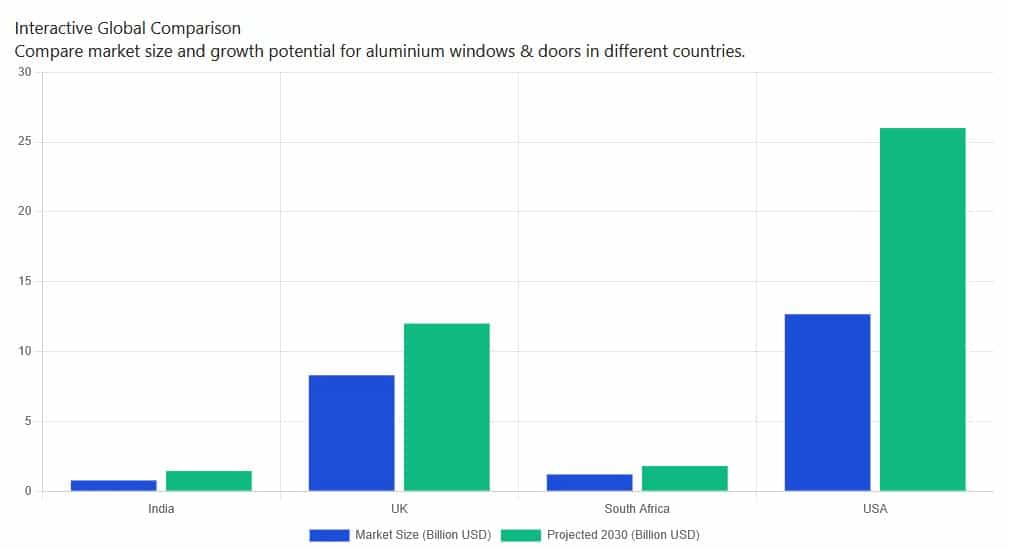
- Market Size: $768M (2022) → $1.44B (2029), 9.13% CAGR.
- Opportunities: Tier-2/3 cities, pre-engineered systems, urban housing.
United Kingdom
- Market Size: $8.3B (2023), strong renovation demand.
- Opportunities: Premium slimline designs, triple glazing, PAS 24 security features.
South Africa
- Market Share: 7.2% of Africa’s aluminium fenestration.
- Opportunities: Coastal-grade anodized finishes, energy-efficient glazing.
United States
- Market Size: $12.67B (2023) → $26B (2035).
- Opportunities: Climate-specific designs, high-end renovations.
Interactive Global Comparison
Compare market size and growth potential for aluminium windows & doors in different countries.
India
Key Consumer Preferences
- Modern urban designs with slim frames.
- Durability in extreme weather conditions.
- Low maintenance for busy households.
- Competitive pricing with long-term value.
Major Challenges
- Price sensitivity among mid-income buyers.
- Strong competition from uPVC windows.
- Fragmented dealer network in tier-2/3 cities.
United Kingdom
Key Consumer Preferences
- High energy efficiency with triple glazing.
- Modern aesthetics matching heritage styles.
- Enhanced security meeting PAS 24 standards.
- Custom color finishes to match architecture.
Major Challenges
- Sluggish housing market in certain regions.
- Competition from composite doors/windows.
- Stringent building regulations increasing costs.
South Africa
Key Consumer Preferences
- Corrosion-resistant finishes for coastal areas.
- Energy efficiency to handle hot climates.
- Security features like burglar bars integration.
- Modern sliding and stacking door systems.
Major Challenges
- Economic slowdowns affecting construction sector.
- Competition from locally fabricated low-cost units.
- Logistical challenges in rural distribution.
United States
Key Consumer Preferences
- Energy Star-rated products for efficiency rebates.
- Contemporary designs with large glass panels.
- Impact-resistant glazing in hurricane-prone areas.
- Customization for luxury homes.
Major Challenges
- Regional building code variations.
- High labour and installation costs.
- Strong brand competition in the premium market.
Step 10: Growth & Long-Term Management
- Stay updated on product trends, building codes, and energy standards.
- Diversify services: installation, maintenance, repairs.
- Monitor finances regularly — track margins, inventory turns, cash flow.
The aluminium windows & doors business is lucrative, scalable, and globally relevant.
Whether you start small as a dealer or aim for large-scale distribution, success depends on strong partnerships, market insight, quality installation, and customer trust.
With demand rising worldwide, now is the perfect time to claim your place in this growing industry.