What is Poly Aluminium Wire?
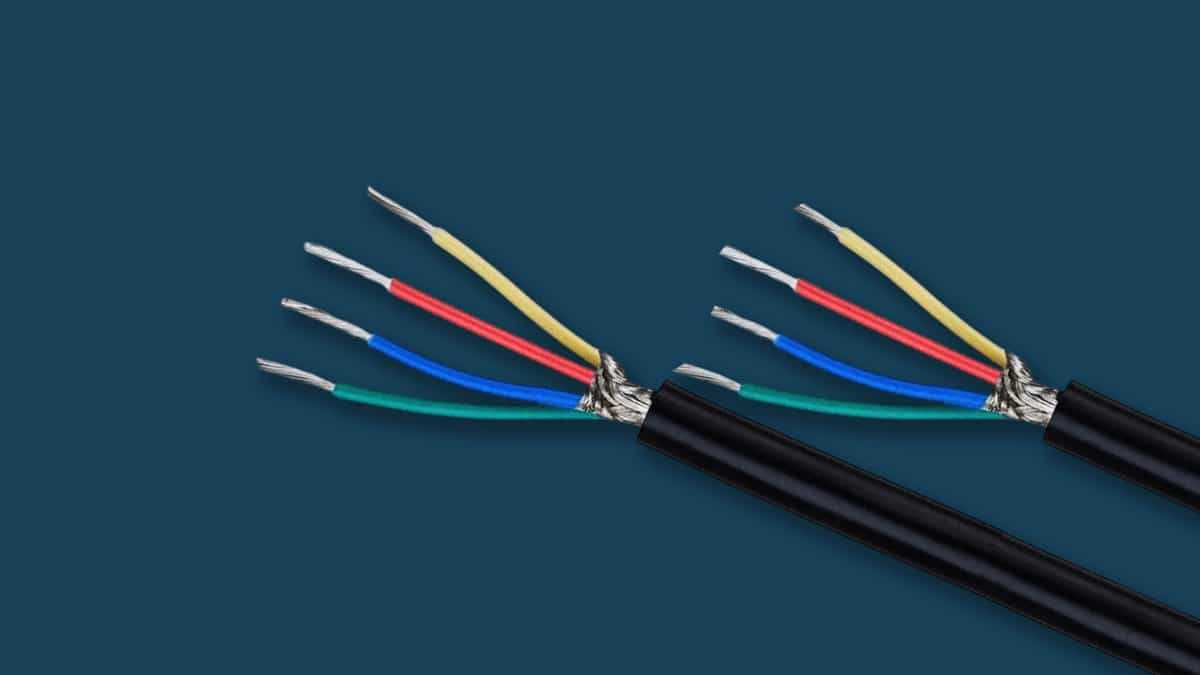
Poly aluminium wire, also referred to as aluminium poly wire, is a specialized type of aluminium wire that is coated with a polymer layer. This protective coating significantly enhances the wire’s properties, increasing its durability and expanding its range of applications. The type and thickness of the polymer coating can be customized to meet the specific demands of its intended use.
Historically, aluminium has played a crucial role in electrical wiring, thanks to its conductivity and cost-effectiveness. Poly-coated versions elevate these properties further by enhancing safety, reliability, and lifespan in demanding applications.
Key Properties of Poly Aluminium Wire
- High Durability: The polymer coating provides excellent resistance to corrosion, wear, and various environmental factors, ensuring a long service life.
- Flexibility: Despite the coating, the wire maintains a high degree of flexibility, making it easy to bend and shape for diverse applications.
- Lightweight: It retains the low-density characteristic of aluminium, which is crucial for applications where weight reduction is a primary concern.
- Electrical Conductivity: The wire maintains good electrical conductivity, essential for use in electrical and electronic systems.
Applications of Poly Aluminium Wire
Electrical and Electronics
Poly aluminium wire is widely used in electrical and electronic applications due to its combination of high conductivity and durability. In fact, the uses of aluminium wire in modern electrical systems span from power cables to microelectronics.
- Cable Manufacturing: Used as a conductor in power, signal, and communication cables.
- Coil Winding: Its flexibility and conductivity make it ideal for winding coils in transformers, inductors, and motors.
- Printed Circuit Boards (PCBs): Can be used to create reliable traces for connectivity on PCBs.
Automotive Industry
In the automotive sector, poly aluminium wire is valued for its resilience in demanding environments.
- Wiring Harnesses: Durability and flexibility make it suitable for complex wiring harnesses in vehicles.
- Battery Cables: Superior corrosion resistance ensures long life even in harsh conditions.
Construction and Infrastructure
This wire is also a valuable material for construction and infrastructure projects. For instance, it is used to reinforce concrete structures, adding strength and stability.
- Structural Reinforcement: Enhances stability in modern construction.
- Electrical Installations: Reliable performance in building electrical systems.
Telecommunications
In telecommunications, poly aluminium wire supports signal transmission and infrastructure.
- Antenna Manufacturing: Conductivity and durability make it a reliable choice.
- Fiber Optic Cables: Provides structural integrity without losing flexibility.
Benefits of Using Poly Aluminium Wire
Corrosion Resistance
The polymer coating significantly enhances resistance to corrosion, making it ideal for environments exposed to moisture, chemicals, or other agents.
Enhanced Mechanical Strength
The coating protects the wire and boosts mechanical strength, improving resistance to bending, twisting, and stretching.
Improved Safety
In electrical applications, the polymer coating acts as an insulator, reducing the risk of short circuits and electrical faults.
Cost-Effectiveness
Poly aluminium wire is highly cost-effective, combining aluminium’s affordability with the added benefits of polymer coating.
Technical Specifications
Material Composition
- Core Material: High-purity aluminium
- Coating Material: Polymer (customizable based on application)
Physical Properties
- Diameter: 0.5mm to 10mm (typical range)
- Density: ~2.7 g/cm³ (aluminium core)
- Melting Point: 660°C (aluminium core)
- Tensile Strength: Depends on diameter and coating thickness
Electrical Properties
- Conductivity: High electrical conductivity (values vary with coating)
- Resistance: Low resistance, ensuring efficient transmission
Poly aluminium wire is a versatile and efficient material used across multiple industries. Its combination of high durability, flexibility, and conductivity makes it a preferred choice for applications from electrical systems to telecommunications. Understanding its specifications, benefits, and even trade compliance details like GST & HSN codes helps professionals adopt it effectively for modern projects.
Frequently Asked Questions (FAQs)
Q1. Is poly aluminium wire better than copper wire?
Poly aluminium wire offers advantages like lightweight, corrosion resistance, and cost-effectiveness compared to copper. However, copper still has higher conductivity, so the choice depends on the specific application.
Q2. What are the GST rates for aluminium wire in India?
The GST rate and HSN code for aluminium wire vary depending on type and classification. Manufacturers and traders should check the latest government updates for compliance.
Q3. Where is poly aluminium wire commonly used?
It is widely used in electrical systems, automotive wiring harnesses, construction projects, and telecommunications, thanks to its durability, flexibility, and conductivity.