Aluminium wire is a remarkably versatile material with a wide range of applications in everyday life. Its unique properties, such as lightweight, high conductivity, and resistance to corrosion, make it an invaluable resource across various industries. Here’s a closer look at some of the most common and impactful uses of aluminium wire.
Electrical Applications
Power Transmission and Distribution

- Overhead Power Lines: Aluminium wire is widely used in overhead power lines due to its excellent conductivity and lighter weight compared to copper. This reduces the overall structural load on towers and poles.
- Residential Wiring: In some regions, aluminium wire is used in residential wiring for branch circuits, especially where large conductors are required.
Electronics
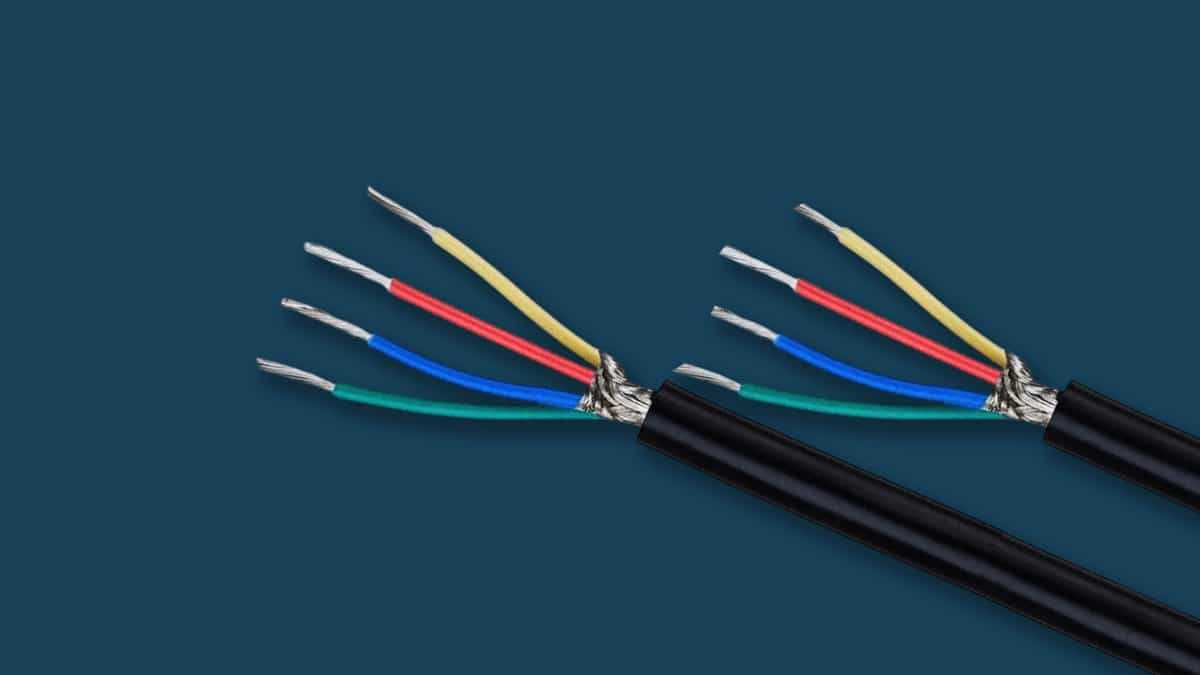
- Cabling: Aluminium wires are used in various types of cabling, including coaxial cables and those for home appliances, because of their conductive properties and flexibility.
- Printed Circuit Boards (PCBs): Aluminium wire is sometimes used in PCBs to create connections between components, leveraging its thermal and electrical conductivity.
Construction and Infrastructure
Building Frameworks
- Structural Components: Aluminium wires and rods are used in the construction of building frameworks and supports due to their strength and resistance to corrosion.
- Scaffolding: The lightweight nature of aluminium makes it ideal for scaffolding, providing strength without excessive weight.
HVAC Systems
- Ductwork and Piping: Aluminium wire is used in HVAC systems for ducting and piping, benefiting from its resistance to rust and lightweight nature, making installation easier and reducing long-term maintenance costs.
Transportation
Automotive Industry
- Wiring Harnesses: Aluminium wire is increasingly used in automotive wiring harnesses, providing a lightweight alternative to copper that helps improve fuel efficiency.
- Battery Connections: In electric vehicles, aluminium wire is often used for battery connections and other high-voltage applications.
Aerospace
- Aircraft Wiring: The aerospace industry utilizes aluminium wire for aircraft wiring due to its excellent strength-to-weight ratio, which is critical for reducing overall aircraft weight and improving fuel efficiency.
Consumer Goods
Appliances
- Small Appliances: Many small appliances, such as toasters and hair dryers, use aluminium wire for internal wiring due to its good conductivity and lower cost.
- White Goods: Larger appliances like refrigerators and washing machines also incorporate aluminium wiring for similar reasons.
Electronics
- Headphones and Earbuds: Aluminium wire is used in the construction of headphones and earbuds, offering durability and lightness.
- Mobile Devices: Internal components of mobile devices, including connectors and antennae, often use aluminium wire to optimize performance and weight.
Arts and Crafts
Jewellery Making
- Wire Wrapping: Aluminium wire is popular in jewellery making for wire wrapping techniques, offering ease of manipulation and a variety of finishes.
- Sculpting: Artists use aluminium wire to create frameworks for sculptures, appreciating its flexibility and strength.
Home Décor
- Custom Fixtures: Aluminium wire is used to create custom light fixtures and decorative items, leveraging its malleability and aesthetic appeal.
Renewable Energy
Solar Panels
- Interconnectors: Aluminium wire is used in solar panels to connect cells and transmit the electricity generated, valued for its conductivity and cost-effectiveness.
- Support Structures: The lightweight and corrosion-resistant properties of aluminium make it ideal for the support structures of solar panels.
Wind Turbines
- Electrical Connections: Aluminium wire is used in wind turbines for internal wiring and connections, benefiting from its ability to withstand harsh environmental conditions.
Conclusion
Aluminium wire’s unique combination of properties—lightweight, high conductivity, corrosion resistance, and cost-effectiveness—make it a versatile and essential material in many aspects of modern life. From powering our homes and gadgets to enabling advanced transportation and renewable energy solutions, aluminium wire plays a crucial role in enhancing efficiency and performance across a multitude of applications. Its continued innovation and adoption promise even broader uses in the future, solidifying its place as a vital resource in both everyday life and industrial applications.