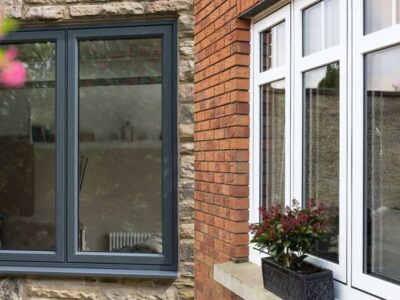
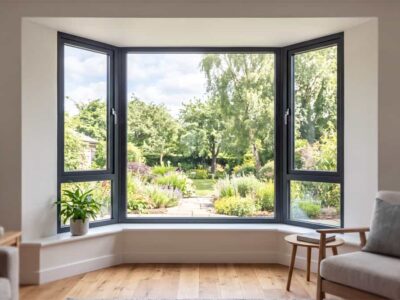
Australia’s vast climate zones—from tropical humidity to arid deserts—demand adaptable solutions for bathroom windows. Aluminium’s durability, corrosion resistance, and design flexibility make it a standout choice for homes nationwide.
This guide explores why aluminium windows excel in Australia’s unique environments, with tailored advice for homeowners, builders, and designers across all states.
Types of Bathroom Windows – Climate-Adapted Designs
- Tropical Sliders
- Features: Corrosion-resistant aluminium + frosted glass.
- Ideal for: High-humidity zones (e.g., Bangkok, Darwin).
- Desert Awning Windows
- Features: UV-reflective coatings, sand-proof tracks.
- Ideal for: Arid regions (e.g., Dubai, Arizona).
- Storm-Proof Casements
- Features: Multi-point locks, reinforced frames.
- Ideal for: Cyclone-prone areas (e.g., Florida, Queensland).
- Arctic Fixed Panels
- Features: Triple glazing, thermal breaks.
- Ideal for: Subzero climates (e.g., Oslo, Anchorage).
- Mediterranean Louvered Windows
- Features: Salt-resistant powder coating.
- Ideal for: Coastal homes (e.g., Santorini, Cape Town).
🔹 Why Aluminium Suits Australia’s Climate Zones
- Corrosion Resistance: Ideal for coastal zones (e.g., Queensland’s salt-laden air).
- Heat Resistance: Withstands extreme temperatures in Desert and Subtropical zones.
- Low Maintenance: No warping in humidity (Tropical North) or cracking in dry heat (Outback).
- Energy Efficiency: Thermal breaks reduce heat transfer, critical for Alpine winters and urban heat islands.
- Cyclone & Bushfire Ratings: Complies with AS 4055 (cyclone regions) and BAL (Bushfire Attack Level) standards.
🔹 Australia’s Climate Zones & Aluminium Window Solutions
Tropical Zone (Qld, NT: Cairns, Darwin)
- Challenge: High humidity, monsoon rains.
- Solution: Louvered windows for maximum airflow; powder-coated frames to resist mould.
Subtropical Zone (NSW, Qld: Brisbane, Gold Coast)
- Challenge: Hot summers, mild winters.
- Solution: Tilt & Turn windows with double glazing to block heat.
Desert Zone (WA, SA, NT: Alice Springs)
- Challenge: Scorching days, UV exposure.
- Solution: Tinted or reflective glass to reduce glare; thermally broken frames.
Grassland Zone (Vic, NSW: Wagga Wagga)
- Challenge: Dust storms, temperature swings.
- Solution: Fixed panels with flyscreens; easy-clean coatings.
Temperate Zone (Vic, NSW, SA: Melbourne, Sydney)
- Challenge: Mixed weather, urban condensation.
- Solution: Awning windows for ventilation; moisture-resistant seals.
Mediterranean Zone (WA, SA: Perth, Adelaide)
- Challenge: Dry summers, salty coastal air.
- Solution: Sliding windows with marine-grade aluminium.
Alpine Zone (Vic, NSW: Snowy Mountains)
- Challenge: Freezing temperatures, snow load.
- Solution: Triple glazing and reinforced frames for insulation.
🔹 Top Glass Options for Australian Bathrooms
- Frosted Glass: Privacy in urban suburbs (e.g., Sydney’s terraces).
- Low-E Glass: Reflects heat in Desert/Subtropical zones.
- Laminated Glass: Bushfire-prone areas (e.g., Victorian Highlands).
- Obscure Textured Glass: Balances light and privacy in coastal homes.
🔹 Design Trends for Australian Homes
- Coastal Chic (QLD, NSW): White powder-coated frames + frosted glass.
- Modern Minimalist (Melbourne, Sydney): Slimline black aluminium + clear glazing.
- Outback Rustic (NT, SA): Bronze-tinted frames to blend with desert landscapes.
🔹 Aluminium vs. uPVC, Timber & Steel
| Material | Tropical | Desert | Alpine | Coastal |
|---|---|---|---|---|
| Aluminium | ✅ High humidity | ✅ UV-resistant | ✅ Insulated | ✅ Salt-proof |
| uPVC | ❌ Warps | ✅ Good | ❌ Brittle | ❌ Fades |
| Timber | ❌ Rot | ❌ Cracks | ✅ Insulates | ❌ Decays |
| Steel | ❌ Rusts | ✅ Strong | ❌ Condenses | ❌ Corrodes |
🔹 Standard Sizes & Custom Designs
- Common Sizes (mm):
- 600 x 600 (Compact ensuites)
- 1200 x 900 (Family bathrooms)
- Custom Designs: Bay windows for Queenslanders; narrow sliders for terraced Sydney homes.
🔹 Installation & Compliance Tips
- Cyclone Zones: Use AS 4055-certified fixings in Northern Qld.
- Bushfire Areas: BAL-40 rated glass in Victoria’s fire-prone regions.
- Coastal Homes: Stainless steel hinges to prevent salt corrosion (e.g., Gold Coast).
🔹 Cost Guide (AUD)
- Basic Sliding Window: $800–$1,500 (supply + install).
- Cyclone-Rated: $1,200–$2,500 (includes reinforced frames).
- Bushfire-Resistant: $1,500–$3,000 (laminated glass + BAL compliance).
🔹 Maintenance for Aussie Conditions
- Coastal Areas: Rinse frames monthly to remove salt buildup.
- Desert Zones: Wipe dust with microfiber cloths.
- Alpine Regions: Check seals annually for frost damage.
🔹 FAQs for Australian Homeowners
Q: Do aluminium windows suit cyclone areas?
A: Yes—choose AS 4055-compliant designs with reinforced frames.
Q: What’s the best glass for bushfire zones?
A: BAL-40 laminated glass with non-combustible frames.
Q: Can aluminium windows handle Outback heat?
A: Absolutely—opt for thermal breaks and tinted glass to reflect UV rays.
From Darwin’s tropics to Tasmania’s chill, aluminium bathroom windows adapt seamlessly to Australia’s extremes. Their resilience against salt, heat, and storms, paired with compliance to Australian Standards (AS 2047), makes them a smart investment for any climate zone.
🔹 Trusted Australian Resources
Author Bio: Ar. Lachlan P. S., a licensed Australian builder with 15+ years’ experience, specialises in climate-responsive design and collaborates with AWA to promote sustainable building solutions.